
Cosmetology
Studying Cosmetology can be an option for those interested in aesthetic skin care, the responsible use of cosmetic products and personalized care. The career combines technical knowledge, hands-on practice, biosafety, advising and ongoing training.
Why study Cosmetology?
Cosmetology is not just about “beautifying” nor should it be confused with dermatology, aesthetic medicine or plastic surgery. Its field relates mainly to the hygiene, preservation and improvement of the external appearance of healthy skin through non-invasive procedures, authorized cosmetic products and equipment permitted by local regulations.

Depending on the country and the training completed, a person can work in beauty centers, spas, salons, dermocosmetic stores, interdisciplinary teams or independently. However, the qualification, duration, permitted activities and licensing requirements vary considerably between regions.
What is cosmetology?
Cosmetology is a field dedicated to the aesthetic care of the skin and its appendages through cosmetic techniques, superficial procedures and products intended to cleanse, protect, maintain or modify external appearance.
In Argentina, ANMAT defines cosmetics as preparations for external use intended to cleanse, perfume, change appearance, protect or keep different parts of the body in good condition. This definition is important because it distinguishes a cosmetic product from a medicine or therapeutic treatment.
A person trained in cosmetology can assess visible skin characteristics, recognize skin biotypes, perform superficial cleansing procedures, recommend cosmetic routines within their competence and apply authorized non-invasive products or techniques.
When they observe lesions, infections, intense reactions, wounds, persistent changes or signs that could require diagnosis, they must stop the procedure and refer to a health professional.
Do cosmetology, cosmiatry and aesthetics mean the same thing?
Not always. The terms vary depending on the country, the institution and regulations.
Cosmetology usually refers to the knowledge and application of cosmetic products and procedures for external aesthetic care.
Cosmiatry is usually used for more in-depth training in skin, cosmetic chemistry, equipment and support for treatments prescribed by health professionals. However, the term does not automatically grant medical authority.
Comprehensive aesthetics may include facial and body care, makeup, hair removal, manual techniques, spa and other activities, depending on the program.
Dermatology is a medical specialty. Diagnosing diseases, prescribing medications, performing invasive procedures or treating conditions is not part of the ordinary practice of cosmetology.
What does a cosmetologist do?
Duties depend on the training received and local legislation. Common tasks may include:
- Conduct an initial interview and record relevant background information.
- Observe the visible condition of the skin.
- Identify cosmetic characteristics and skin biotypes.
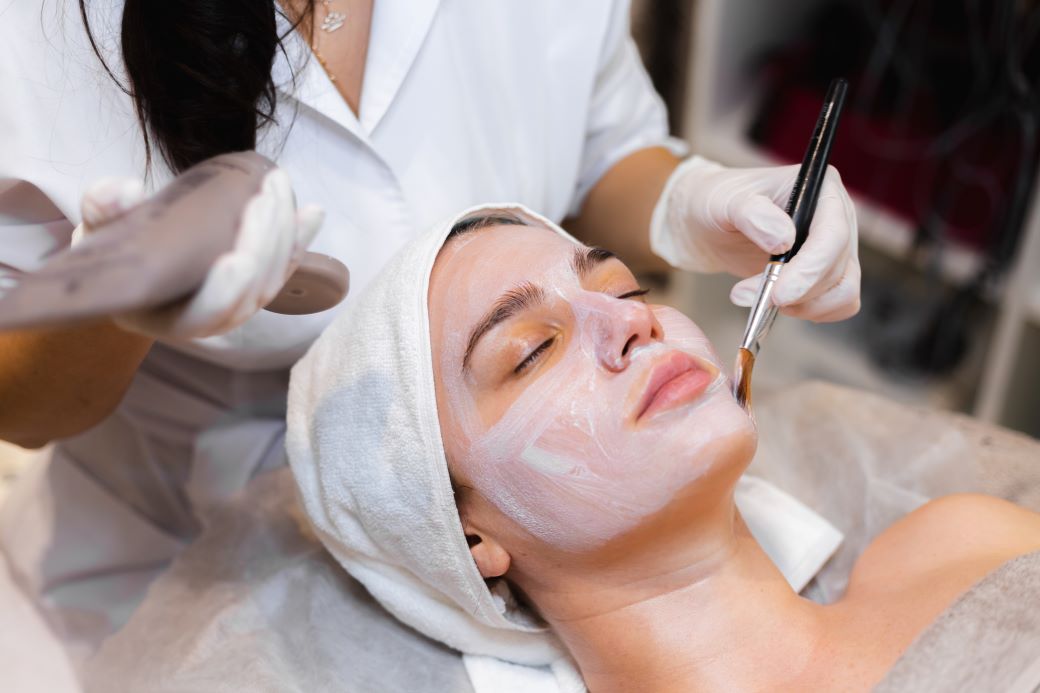
- Perform superficial facial or body cleansing.
- Apply authorized cosmetic products.
- Perform permitted superficial exfoliations.
- Apply masks, emollients, moisturizers or care products.
- Use aesthetic equipment authorized for their level of training.
- Recommend non-therapeutic cosmetic routines.
- Explain the correct use of products.
- Keep treatment records.
- Clean, disinfect and prepare materials and spaces.
- Recognize signs that require referral.
What can a cosmetology professional not do?
Cosmetology alone does not qualify you to:
- Diagnose skin diseases.
- Prescribe medications.
- Discontinue medical treatments.
- Perform surgical procedures.
- Inject substances.
- Use invasive techniques reserved for healthcare professionals.
- Promise cures.
- Treat infections, open wounds or suspicious lesions.
- Use equipment without training or authorization.
The exact limits depend on each jurisdiction. Extensive training does not replace the license, authorization or supervision required by law.
Brief history of cosmetology
The use of oils, pigments, perfumes and body care preparations appears in ancient civilizations such as Egypt, Greece, Rome, India and China. These practices had aesthetic, social, religious and hygienic functions.
Modern cosmetology developed with advances in chemistry, dermatology, microbiology, industrial production, and health regulation. For this reason, ancient practices should not be presented as direct equivalents of the current career.
Today the sector includes cosmetic formulation, quality control, legislation, aesthetic equipment, safety studies, and ingredient analysis.
What is studied in Cosmetology?
The content varies depending on whether it is a course, a technical program, a bachelor's degree, or a postgraduate program. Solid training usually combines scientific theory, practical procedures, biosafety, and customer care.
Common topics include:
- Anatomy and physiology.
- Biology and skin structure.
- Skin biotypes and phototypes.
- General chemistry and cosmetic chemistry.
- Cosmetic ingredients and formulations.
- Facial and body hygiene.
- Superficial aesthetic treatments.
- Aesthetic equipment.
- Cosmiatry.
- Makeup.
- Body aesthetics.
- Biosafety.
- Microbiology.
- Legislation.
- Professional ethics.
- Client care and communication.
- Administration and marketing.
- Professional practice.
Una responsible training also teaches how to recognize contraindications, avoid procedures when there is risk, and refer to health professionals.
Is Cosmetology a course or a degree?
It can be both. The name “Cosmetology” does not identify a single academic level.
There are:
- Short introductory courses.
- Private certifications.
- Technical training programs.
- University technical degrees.
- Bachelor's degrees.
- Diploma programs.
- Postgraduate programs aimed at professionals in related fields.
A course lasting only a few months is not equivalent to a two-year technical degree or a four-year bachelor's degree. Nor does it automatically grant the same professional scope.
Before enrolling, it is advisable to check:
- Who issues the degree or certificate.
- Whether it has official recognition.
- The number of theory and practice hours.
- The academic level.
- Supervised practice.
- The activities it qualifies you for.
- The registration requirements.
- The regulations of the place where you wish to work.
How long is the Cosmetology degree?
The length can range from a few months to four years or more, depending on the path.
The private courses usually last between several months and a year. The technical programs usually last around two or three years. Some bachelor's degrees reach four years. Postgraduate programs can last one or two years and are normally aimed at people with prior training.
What is it like to study Cosmetology?
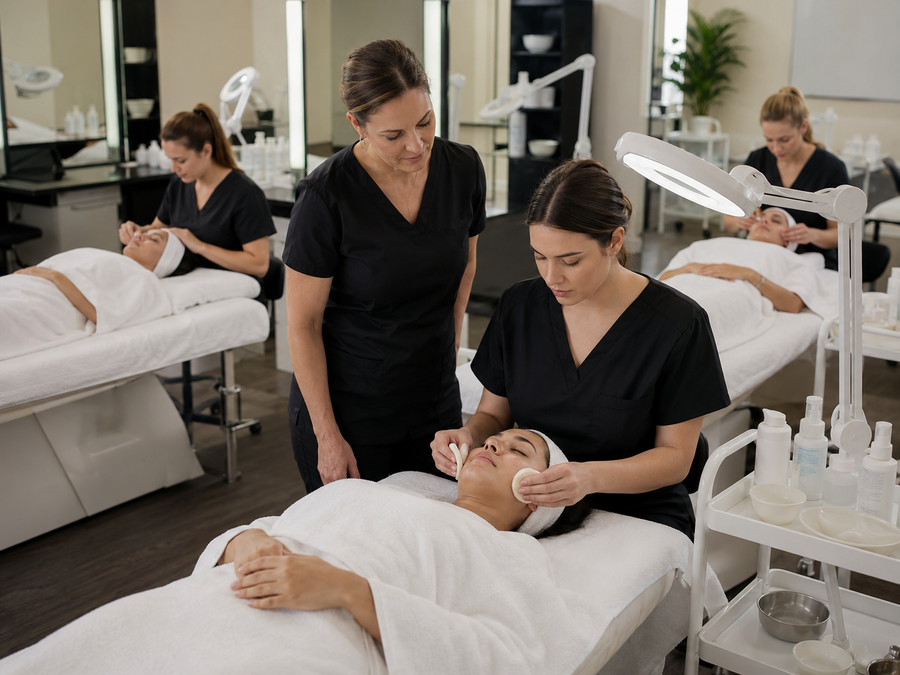
The training requires combining theoretical knowledge with hands-on practice. Students may work with models, products, equipment, and hygiene protocols.
Common activities include:
- Preparing the treatment room and materials.
- Practicing hygiene protocols.
- Analyzing ingredients.
- Identifying skin types.
- Designing cosmetic routines.
- Performing supervised procedures.
- Recording aesthetic progress.
- Studying contraindications.
- Learning to refer cases.
- Developing business projects.
It is not purely practical training. Understanding anatomy, chemistry, microbiology, and safety is necessary to avoid harm.
What are the advantages of studying Cosmetology?
Its advantages include:
- Possibility of working for yourself.
- Diversity of services and specializations.
- Direct contact with clients.
- Practical application of what you learn.
- Possibility of working in salons, spas, or specialized centers.
- Connection with retail and cosmetic consulting.
- Opportunity to continue technical or university studies.
- Possibility of building a client base.
It can also be rewarding to support someone in caring for their appearance, as long as no medical promises or unrealistic expectations are made.
What are the disadvantages of studying Cosmetology?
The real challenges are not limited to the cost of study. They may also include:
- Investment in products, supplies, and equipment.
- Need for continuous updating.
- Variable income when working independently.
- Competition among professionals and centers.
- Working standing up or in repetitive positions.
- Frequent contact with chemical products.
- Risk of irritation or allergies.
- Responsibility for adverse reactions.
- Need to maintain strict hygiene conditions.
- Legal limits that vary by region.
OSHA warns that salons may involve chemical, biological and ergonomic risks. Exposure to certain adhesives, polishes, removers and other products may be linked to irritation, respiratory problems or dermatitis; in addition, contact with injured skin or poorly disinfected instruments can promote infections.
What is studying Cosmetology for?
It is useful for learning how to perform aesthetic procedures within safe limits, select cosmetic products, guide care routines and work professionally with healthy skin.
It also helps develop criteria to:
- Recognize when a procedure should not be performed.
- Avoid unsuitable combinations of products.
- Maintain hygiene in the workspace.
- Record relevant history.
- Explain aftercare.
- Refer to dermatology or other careers.
- Manage an aesthetics service.
The purpose is not to “fix insecurities” or impose beauty standards. Professional practice must respect autonomy, body diversity and realistic expectations.

What does a cosmetologist do for work?
They can work in:
- Aesthetics centers.
- Spas.
- Beauty salons.
- Wellness centers.
- Cosmetic product stores.
- Companies in the cosmetics industry.
- Interdisciplinary teams.
- Hotels and tourist resorts.
- Medical offices, within the permitted scope.
- Own businesses.
The possibility of working in a medical office does not make a cosmetologist a medical professional. Tasks must be performed according to qualifications, regulations and appropriate supervision.
What specialties exist?
Depending on training and regulation, areas may include:
- Facial cosmetology.
- Cosmiatry.
- Body aesthetics.
- Dermocosmetics.
- Makeup.
- Non-medical oncological aesthetics.
- Cosmetic trichology.
- Product advising.
- Aesthetics for older people.
- Management of aesthetics centers.
- Cosmetic formulation and development, with additional scientific training.
What skills does a cosmetology professional need?
- Observation.
- Manual dexterity.
- Clear communication.
- Hygiene and order.
- Product knowledge.
- Respect for professional boundaries.
- Ability to recognize risks.
- Information recording.
- Keeping up with technology.
- Ethics and confidentiality.
- Basic administration.
- Customer service.
How does artificial intelligence influence Cosmetology?
Artificial intelligence can help organize schedules, write care instructions, manage inventories, prepare content and analyze photographs for guidance purposes.
Tools are also emerging that classify visible skin characteristics or recommend products. However, these systems can make mistakes due to lighting, image quality, skin tone, incomplete data or biases.
AI should not be used to diagnose diseases or to decide on risky procedures without professional evaluation. Photographs or sensitive background information should also not be uploaded to platforms that do not explain how they protect data.
The most automatable tasks will be appointment management, commercial follow-up and part of basic recommendations. In-person evaluation, hygiene, manual dexterity, detection of contraindications and the trusting relationship will remain especially important.
How much does a person working in Cosmetology earn?
There is no single income. Compensation depends on the country, training, specialty, type of employment, number of clients and whether the person is self-employed.
As a reference from the US market, the Bureau of Labor Statistics reported that skincare specialists earned a median of $19.98 per hour and $41,560 annually in May 2024. The employment projection is 7% growth between 2024 and 2034.
These figures correspond to the United States and do not necessarily represent starting income or self-employment results in other countries.
Is cosmetology regulated?
Regulation varies by country, province, state or municipality. Recognized qualifications, licenses, health registrations, establishment authorization, biosafety courses or medical supervision may be required for certain practices.
For example in Colombia, the Law 711 of 2001. regulates the practice of cosmetology, defines its purpose and requires training and accreditation. It also establishes a minimum of 500 hours for theoretical-practical training programs.
Regulations can also limit substances, products and equipment. That is why it is necessary to check local legislation before offering a service.
Can you start a business in Cosmetology?
Yes. A person can work independently, rent a booth, offer home services or open a center, as long as they comply with regulations.
In addition to technique, a business requires:
- Commercial and health authorization.
- Insurance, where applicable.
- Consent and record protocols.
- Authorized products.
- Expiration date control.
- Cleaning and disinfection.
- Waste management.
- Budget and inventory.
- Cancellation policy.
- Responsible advertising.
It is not advisable to buy expensive equipment before checking whether it is authorized, whether it requires a specific qualification and whether there is sufficient demand.
Where to study Cosmetology?
Options change frequently. Programs should be compared by academic level, duration, modality, campus, internships and scope of the qualification.
Argentina
Universidad Católica de Córdoba, University Technical Degree in Cosmetology and Cosmiatry, degree of University Technician in Cosmetology and Cosmiatry, 2 years, in-person modality, campuses in Córdoba and Río Cuarto.
Universidad del Gran Rosario, Curricular Complementation Cycle for the Bachelor's Degree in Cosmetology, degree of Licenciado or Licenciada in Facial and Body Cosmetology, 1 and a half years, distance modality, aimed at people with a prior related degree of at least 2 and a half years and 1,600 hours.
Universidad Kennedy, University Technical Degree in Cosmetology, Cosmiatry and Aesthetics, degree of University Technician in Cosmetology, Cosmiatry and Aesthetics, 2 years, in-person modality, campuses listed in Ciudad de Buenos Aires, San Isidro, Rosario and Neuquén.
Universidad del Salvador, Technical Degree in Dermatocosmiatry, degree of Technician in Dermatocosmiatry, 2 years, in-person modality, Centro campus in Ciudad Autónoma de Buenos Aires.
Universidad Nacional del Litoral, University Technical Degree in Cosmiatry and Cosmetology, degree of University Technician in Cosmiatry and Cosmetology, 2 and a half years, distance modality with in-person activities, Facultad de Ciencias Médicas and UNLVirtual, Santa Fe.
Colombia
In Colombia there may be job-training technical programs and other training courses in cosmetology and aesthetics. Before choosing them, it is advisable to verify that they comply with Law 711 of 2001, the required number of hours, and the requirements of the corresponding educational and health authority.
Instituto Bolivariano Esdiseños,Competency-Based Job-Training Technician in Cosmetology and Comprehensive Aesthetics, duration of 3 semesters, with theoretical and practical training, program authorized by resolution published by the institution, Bucaramanga campus.
ITEU, Technician in Cosmetology and Comprehensive Aesthetics program, training focused on facial and body treatments, makeup, hair removal, spa, biosafety and service management.
SENA Regional Meta, program Technician in Comprehensive Cosmetology and Aesthetics, training in aesthetic assessment, biosafety, facial and body techniques, anatomy, physiology and user care. Availability and campuses must be checked in each official SENA call for applications.
Mexico
Universidad de Oriente, Bachelor's Degree in Cosmetology and Body Aesthetics, bachelor's degree, 4 years plus 6 months of service, blended modality, Coatzacoalcos campus, RVOE ES/006/2019.
Universidad Kirei, Bachelor's Degree in Cosmetology, bachelor's degree, 3 years organized in 9 four-month terms, hybrid modality, Monterrey campus, Nuevo León, RVOE AL-VI 014/2021.
Universidad Mesoamericana de Córdoba, Bachelor's Degree in Cosmetology and Comprehensive Image, training in facial and body cosmetology, cosmetic chemistry, basic dermatology, electroaesthetics, cosmiatry, trichology, administration and professional internships, Córdoba campus, Veracruz.
Peru
Instituto Superior de Capacitación para el Emprendimiento, professional career Cosmetology technical degree, Professional Technician in Cosmetology degree on behalf of the Nation, training organized in 3 annual modules, with content in styling, hairdressing, makeup, hand and foot aesthetics and entrepreneurship.
Avanti Perú, Cosmetology degree, digital modality, training in facial and body treatments, hair techniques, makeup, manicure, pedicure and management of aesthetic centers.
Uruguay
Universidad de la República, Technical Degree in Medical Cosmetology, university training taught by the Escuela Universitaria de Tecnología Médica of the Facultad de Medicina, with in-person and blended subjects depending on the course, Montevideo campus.
Instituto Nacional de Desarrollo Académico, Cosmetology course, training in cosmetic products, makeup, hand and foot care, hair removal, cosmetic stability and adverse reactions, distance learning format.
Before choosing a program, it is important to distinguish whether it awards a university degree, an official technical qualification, an occupational certification or only a private certificate. It is also advisable to check the practical hours, local regulations and whether the program allows you to register professionally or open an aesthetics center.
To evaluate a program, check that the official page clearly states:
- Program name.
- Degree or certificate.
- Total duration and practical hours.
- Format.
- Campus.
- Official recognition.
- Professional competencies.
- Admission requirements.
- Biosafety standards.

How to choose good training in Cosmetology?
A good program should not be based only on trends, equipment or promises of quick income.
Prioritize programs that include:
- Anatomy and physiology.
- Cosmetic chemistry.
- Biosafety.
- Supervised practice.
- Contraindications.
- Professional referral.
- Legislation.
- Responsible use of equipment.
- Ethics.
- Teachers with verifiable training.
It is also important to be wary of courses that promise to qualify you for medical or invasive procedures in a very short time.
Present and future of Cosmetology
The career is changing due to the emergence of new ingredients, equipment, digital skin analysis, e-commerce and personalized services.
At the same time, the need to distinguish scientific evidence from advertising is growing. Professionals will need to interpret labels, recognize exaggerated claims, protect personal data and work with authorized products.
The future will not depend only on learning new techniques. It will also be important to understand the legal limits, maintain biosafety practices, document procedures and refer to healthcare professionals when appropriate.