
Decorator
Decorators draw on many disciplines to improve the aesthetics of a place or a space. Their main concerns are how different colors, textures, furniture, lighting and space work together to meet the needs of a building's occupants.
Decorators work on improving the interior space of homes, commercial premises, buildings, event halls, factories, transportation terminals, theaters, shopping centers, restaurants, hotels, schools, hospitals, among others.
A good decoration is the result of good design and use of space, a decorator transforms a space using interior design techniques, a unique decoration can boost the productivity of an area and increase sales, attract a specific clientele, offer a more relaxing hospitality experience, or increase the market value of a building.
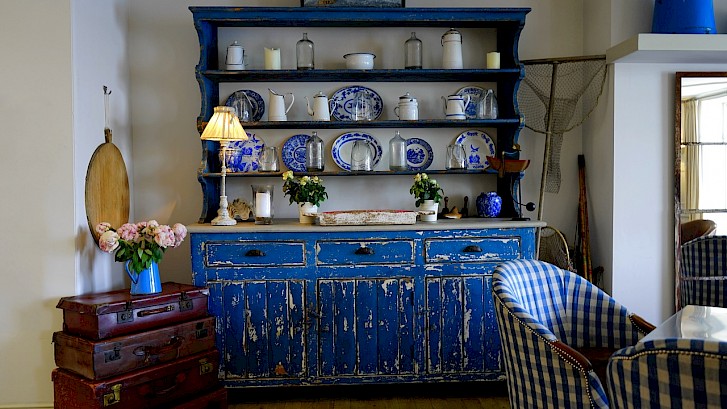
Regarding education, decorators generally have a formal degree related to interior design, which allows them to make well-informed decisions when choosing a style, color palette, selection of furniture appropriate for a space, suitable window types, lighting types, etc.
In their work they must be able to read blueprints, since they frequently work with architects and electricians to validate their designs and make sure they comply with local regulations. If a project requires structural work, the decorator will work together with other professionals such as an architect or engineer for that part of the project. Most designs also require hiring collaborators to do the technical work, such as lighting, plumbing, and electrical wiring.
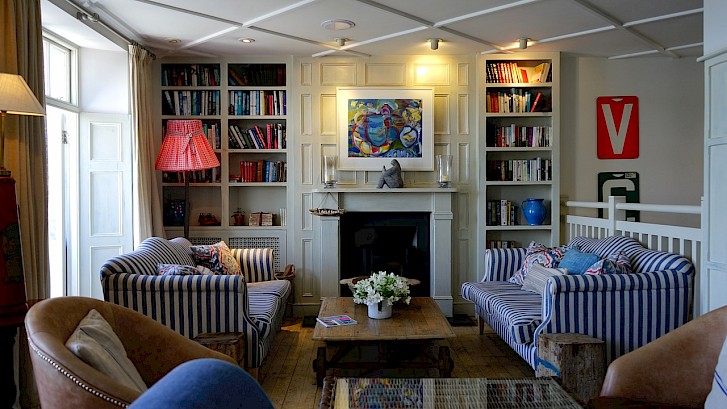
At the start of the career, during the first contact with a client the decorator will observe that client's needs and wishes. Through an on-site meeting with the client, the advantages of the space and the problems are identified, an inventory of equipment or furniture is also taken and finally work is done based on the estimated budget the client has for developing the project. Subsequently, with all the information gathered, the decorator will create a work plan and budget.
When working, decorators work with the computer (PC/Computer), tablet, photo camera and use specific decoration software to design spaces, for example Homebyme, IKEA Planner or BlopHome which are just some of the tools or virtual programs that allow decorating spaces and making realistic 3D models of what the decoration or style change of a room would look like.
The work environment is demanding, in many cases the working conditions for decorators vary and the search for clients is constant. Decorators for large stores generally work under pressure to meet deadlines, for example for setting up a Christmas shop window. A decorator's workplace can be diverse, in shared offices, in studios, in homes or at client locations. In this career it is normal to travel to different points on the map, from visiting event halls in the same city, showrooms in another country, design centers, client exhibition sites and other locations.
What do you need to study to become a Decorator?
Nowadays many job offers require a technical degree or a bachelor's degree to fill positions of responsibility. Most Decorators have a design background and in many cases come from interior design. There are multiple training programs offered by design schools and universities. In general the technical degree lasts 2 or 3 years and the bachelor's degree 4 years. In most courses or workshops classes are taught on tools, drawing, perspective, spatial planning, color and fabrics, art history, architecture, ergonomics, ethics and psychology. Each educational approach depends on the university or institute where you decide to train.
Decorator Profile
A decorator has a creative profile, is a persistent person capable of communicating their ideas visually, verbally and in writing. This career requires problem-solving skills and ability to work under pressure and independently.
Not all decorators start working on decoration projects with million-dollar budgets. The vast, vast majority of decorators and interior designers early in their careers work on smaller projects for individuals or pymes. Some students think that once they have graduated from a program, they are automatically ready to open their own business. Some do. Many fail and end up working for someone else. Some experienced decorators open their own business and work with clients remotely, in other cases they teach in-person and virtual classes.