Tourism
Degree in tourism
The tourism degree is aimed at people who enjoy travel planning, have interest in business, show empathy with customers and are curious about new cultures around the world. It can also be a good option for those who want to work in contact with people, organize experiences, promote destinations, coordinate services or participate in tourism projects at the local and international level.

To learn about tourism there are several training paths. Many people choose to study a bachelor's degree in Tourism, a technical degree in Tourism, a degree in tourism management or more specific training depending on the area in which they want to work, such as hospitality, events, travel agencies, tourism marketing or sustainable tourism.
The bachelor's degree in Tourism usually lasts between 4 and 5 years, depending on the country and the university. It is a broader option, designed for those who want to train in tourism management, destination planning, administration, marketing, culture, sustainability, languages, tourism services and project development.
The technical degree in Tourism or technical training usually lasts between 2 and 3 years. It is a shorter and more practical alternative, aimed at those who want to join the labor market sooner in areas such as travel agencies, reservations, tourist assistance, service coordination, guiding, event assistance or operational management.
There are also courses, diplomas and certifications that can last from a few weeks to several months. These programs help you specialize in specific topics, such as tour guiding, event organization, reservation systems, customer service, languages, digital tourism marketing, hotel management, sustainable tourism or visitor experience.
In some countries there are also vocational training programs, tertiary degrees, professional training or short programs related to tourism, hospitality, gastronomy, events or tourism management. So, before choosing, it's a good idea to check what type of training exists in your country, how long it lasts, whether it includes internships and what job opportunities it offers.
The Tourism degree teaches you to manage, advise and create ideas to increase activity and tourist movement locally and internationally. It is training focused on understanding how travel, destinations, tourist services, experiences, events, attractions, hospitality and customer service work.

Studying Tourism doesn't mean working only as a tour guide or in a travel agency. Tourism connects with many areas: hotel management, gastronomy, public relations, marketing, cultural management, environmental sustainability, event planning, sales, business development, sponsorships, technology, data analysis and experience design.
The tourism training prepares professionals with the ability to manage different lodging-related services, travel packages, bookings, tours, events, attractions, destinations and experiences. Tourism graduates aim to meet the goal of satisfying client needs according to their interests, budget and time constraints during the trip.
Tourism professionals can research the national and international tourism market, work as part of a team, act as guides, propose travel plans, advise companies, improve experiences for visitors and design proposals that ensure safety, organization and satisfaction for clients.
What is the Tourism degree?
Tourism is a degree focused on managing activities, services and experiences related to travel, destinations, visitors and tourist movement. Its goal is to train professionals capable of planning, organizing, advising, promoting and managing tourist services.
Tourism can include leisure travel, business travel, agencies, hotels, tourist attractions, museums, parks, conferences, exhibitions, events, cultural routes, nature tourism, gastronomy, transportation, reservations, and visitor services.

That's why, studying Tourism allows you to develop a broad view of the sector. A person trained in tourism can work in tourist offices, private agencies, travel companies, hotels, public agencies, events, venues, attractions, destinations, cultural projects, or as a private consultant to improve tourist spaces and attract the attention of more visitors.
Tourism is also related to other disciplines:
- Hotel management prepares professionals to manage tourist accommodations.
- Gastronomy enhances the tourist experience through culinary exploration.
- Public relations and marketing help promote destinations and manage the tourism image.
- Cultural management allows you to value and share heritage, history, and traditions.
- Environmental sustainability seeks to ensure tourism develops in a way that respects the environment and can be maintained long-term.
Who is the Tourism degree for?
The Tourism degree may be for you if you are interested in working in a global, social, and dynamic sector. It is an option especially suited for people who enjoy communicating, organizing, researching destinations, learning about cultures, and helping others have great experiences.
It may be a good fit for you if:
- You like planning trips.
- You are interested in learning about new places and cultures.
- You find it easy to deal with people.
- You are drawn to customer service.
- You enjoy organizing activities, tours, or events.
- You are interested in commerce, promotion, or selling services.
- You have good oral and written communication skills.
- You would like to work in an international sector.
- You are an empathetic and patient person.
- You adapt well to changes and unexpected events.
- You are interested in culture, gastronomy, history, or heritage.
- You care about environmental sustainability.
- You would like to start a business in tourist services.
In tourism, communication is very important, empathy, patience and the ability to understand client needs. Professionals often have to adapt a proposal to the interests, budget, timing and expectations of a person or group.

It is also a degree for people with constant curiosity. Tourism requires reading, research, staying up to date on destinations, geographic knowledge, understanding cultures, consumer trends, currencies, transportation, documentation, safety, marketing and new technologies.
Areas of the tourism sector
Tourism is not a single activity. It is a broad sector with different professional areas. Some are more related to travel and agencies; others to events, attractions, hotels, marketing, culture, nature, technology or experience management.
Travel and agencies
This area is related to the organization, sale, booking and coordination of trips. It includes the design of itineraries, tour packages, client advice, transportation coordination, reservations, guides and complementary services.
Some careers in this area are:
- Travel Agent
- Travel Consultant
- Reservations Coordinator
- Tour Guide
- Group Travel Coordinator
- Travel Account Manager
- Travel Operations Manager
- Travel Products and Experiences Manager
Hotel Management and Hospitality
Hotel management is one of the areas closest to tourism. It focuses on accommodation, guest service, front desk, reservations, services, food and beverage, hotel events and client experience.
Although Hotel Management can be studied as its own degree, it is also closely connected to Tourism because many travelers need lodging, information, services and experiences during their stay.

Events, congresses and exhibitions
Tourism also includes meetings, incentives, congresses, exhibitions, trade fairs, conferences and professional events. This area is related to the planning, production and operation of events.
Some related careers are:
- Event Coordinator
- Event Executive
- Conference Producer
- Meetings and Congress Planner
- Event Operations Manager
- Event Director
- Sponsorship Executive
Venues and event sites
Events need venues in which to take place. That's why there is an area dedicated to the management of venues, convention centers, auditoriums, fairs, hotels, stadiums, halls and cultural spaces.
Some related careers are:
- Event Services Assistant
- Venue Operations Executive
- Event Services Manager
- Venue Operations Manager
- Venue Operations Director
Tourist Attractions
The tourist attractions include museums, theme parks, aquariums, zoos, botanical gardens, cultural centers, heritage sites, nature reserves and entertainment venues.

Some related careers are:
- Visitor Services Staff
- Attractions Guide
- Attractions Operations Executive
- Experience Curator
- Education and Programs Manager
- Aquarist
- Animal Keeper
- Horticulture Specialist
- Attractions Operations Manager
Tourism Marketing, Sales and Sponsorships
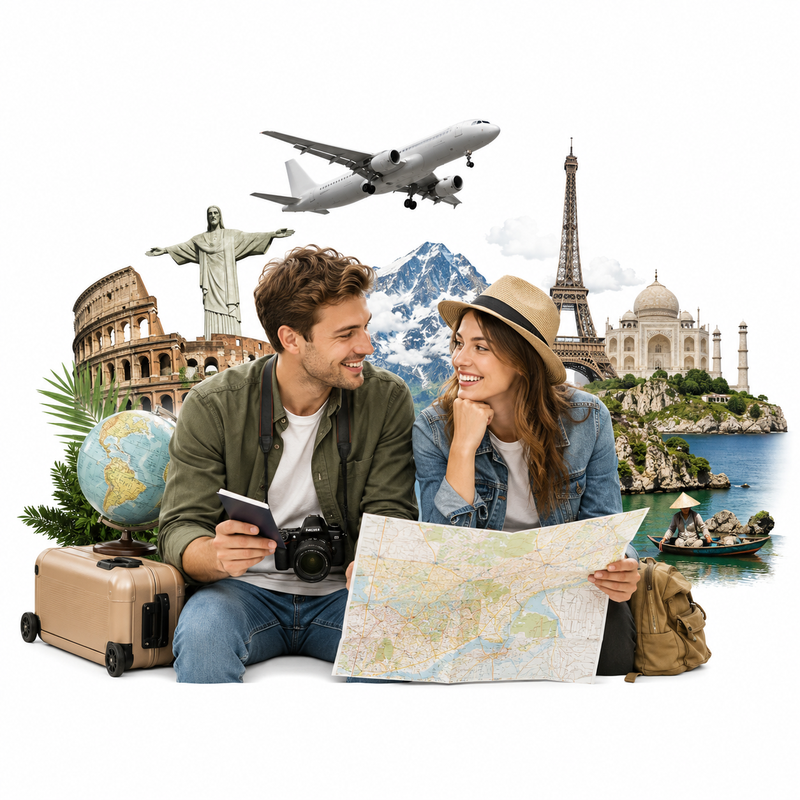
Tourism needs to promote destinations, attract visitors, sell services, develop partnerships and create campaigns. That's why the areas of marketing, sales, public relations and sponsorships are essential.
Some related careers are:
- Tourism Marketing Assistant
- Tourism Marketing Executive
- Tourism Sales Executive
- Tourism Marketing Manager
- Sponsorship Executive
- Business Development Manager
- Tourism Marketing Director
- Tourism Sales Director
Cultural Management and Heritage
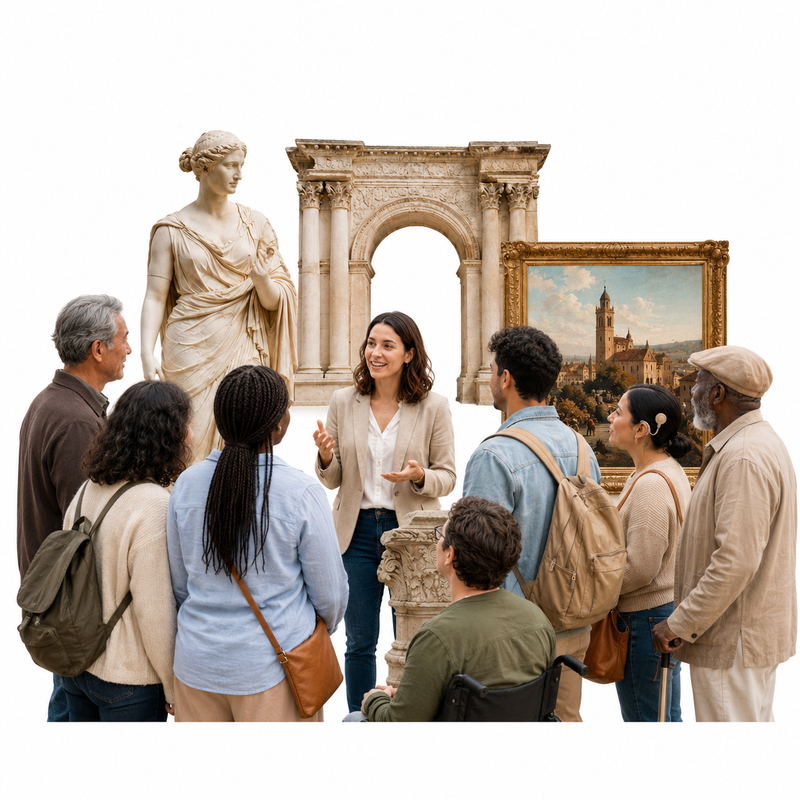
Cultural management is vital to value and promote cultural heritage. This area may attract people interested in history, traditions, museums, cultural tours, heritage tourism, festivals and local experiences.
Some related paths are:
- Cultural Guide
- Experience Curator
- Tourism Cultural Manager
- Educational Programs Manager
- Heritage Activities Coordinator
Sustainable Tourism and Nature
Environmental sustainability is essential for tourism to develop in an environmentally respectful way. This area may include nature tourism, environmental education, conservation, parks, gardens, aquariums, wildlife, reserves and responsible experiences.
Some related careers are:
- Nature guide
- Environmental educator
- Aquarist
- Wildlife keeper
- Horticulture specialist
- Natural experiences manager
- Operations manager at natural attractions
Technology, data and tourism innovation
Tourism is also being transformed by technology. Tourism companies use booking platforms, social media, e-commerce, data analysis, automation, information visualization and digital tools to improve the customer experience.
Some related career paths are:
- Tourism digital marketing specialist
- Tourism data analyst
- Tourism e-commerce manager
- Tourism innovation manager
- Customer experience specialist
Careers related to Tourism
A person who studies Tourism can work in many different careers. Some are well-known and others are more specialized, but they are all part of the sector's career map.
Common careers
- Tour guide
- Travel agent
- Travel consultant
- Reservations coordinator
- Events coordinator
- Tourism marketing executive
- Tourism sales executive
- Visitor service manager
- Customer experience manager
- Tourism operations manager
Careers in travel and agencies
- Travel customer support assistant
- Travel consultant
- Reservations coordinator
- Group travel coordinator
- Travel account manager
- Travel accounts manager
- Travel operations manager
- Director of travel operations
Careers in events and conferences
- Events assistant
- Events executive
- Project executive
- Conference producer
- Meetings and conferences planner
- Events manager
- Events operations manager
- Conference director
- Exhibitions director
- Events director
Careers in venues
- Events services assistant
- Events services executive
- Venue operations executive
- Events services manager
- Venue operations manager
- Director of venue operations
Careers in tourist attractions
- Attractions operations staff
- Admissions and ticketing staff
- Membership staff
- Visitor services staff
- Attractions guide
- Content and experiences curator
- Education and programs manager
- Aquarist
- Wildlife keeper
- Horticulture specialist
- Attractions operations manager
- Director of attractions operations
Careers in marketing, sales and business development
- Tourism marketing assistant
- Tourism marketing executive
- Tourism marketing manager
- Tourism marketing director
- Tourism sales executive
- Tourism sales manager
- Tourism sales director
- Sponsorship executive
- Sponsorship manager
- Sponsorship director
- Business development manager
- Business development director
Leadership roles
- Tourism marketing director
- Tourism sales director
- Tourism operations director
- Business development director
- Events director
- Director of attractions operations
- General director
- Executive director
- General manager
Specialized and international roles in Tourism
One of the reasons why Tourism is such an interesting sector is that there are very varied roles, some better known and others more common in developed tourism markets, large cities, international destinations, convention centers, parks, attractions or global companies.
These roles do not always appear in every country under the same name, but they are important because they expand career opportunities.
- Sponsorship Executive: Finds and manages brands or companies that want to support events, congresses, exhibitions, attractions or tourism experiences in exchange for visibility, positioning or commercial benefits.
- Sponsorship Manager: Designs strategies to secure sponsors, negotiate agreements, maintain business relationships and generate revenue through partnerships.
- Conference Producer: Designs the content of a conference. Researches topics, finds speakers, organizes programs and works to ensure the event is valuable for attendees.
- Meeting and Congress Planner: Organizes professional meetings, congresses, conventions, conferences and corporate events. Coordinates venues, attendees, suppliers, agendas and budgets.
- Venue Operations Manager: Manages spaces where events are held, such as convention centers, auditoriums, fairs, hotels, stadiums or halls.
- Experience Curator: Develops content, tours, exhibitions or experiences for visitors in museums, parks, cultural centers, attractions or tourist spaces.
- Aquarist: Works in aquariums or attractions with aquatic species. May participate in animal care, habitat maintenance and visitor education.
- Wildlife Keeper:Works in zoos, reserves, wildlife parks or attractions with animals. Deals with feeding, welfare, observation and care of species.
- Horticulture Specialist: Takes care of plants, gardens and green spaces in parks, botanical gardens, tourist attractions or natural spaces.
- Travel Account Manager: Manages relationships with clients, companies or groups that hire travel services. Combines tourism, sales, customer service and account management.
- Travel Products and Experiences Manager: Designs packages, routes, itineraries and tourism experiences. Analyzes trends, suppliers, customer preferences and market opportunities.

Skills needed to study and work in Tourism
Tourism requires a combination of personal, technical, commercial, digital and cultural skills.
-
Oral and written communication: The tourism professional needs to express themselves clearly to advise, sell, guide, coordinate, answer questions and present proposals. Oral and written expression is essential.
-
Empathy and patience: Tourism requires understanding clients' needs. Each person travels with different interests, budgets, schedules, expectations and concerns.
-
Service orientation: The main objective is usually to create a positive experience. That is why customer service and a willingness to help are essential.
- Organization and attention to detail: Trips, reservations, events, tours, schedules, tickets, suppliers, documents, currencies and budgets require precision.
- Adaptability: In tourism, last-minute changes, cancellations, delays, weather changes, currency fluctuations, transportation problems or special client needs may arise.
- Teamwork: Tourism works with teams: agencies, hotels, guides, suppliers, transportation, marketing, sales, venues, events and operations.
- Market research: The tourism professional must feel comfortable researching the current market at the national and international level. This helps to understand trends, destinations, traveler behavior and business opportunities.
- Geographic and cultural knowledge: The degree requires constant reading and broad knowledge at the geographic, cultural, historical and social level.
- Languages: Languages can open up many opportunities in tourism, especially in visitor service, guiding, international travel, hotels, events and global companies.
- Sales skills: Persuasion, negotiation and the ability to sell services are important in agencies, tourism sales, marketing, sponsorships and business development.
- Digital skills: It is increasingly important to handle digital marketing, social media, booking platforms, e-commerce, data analysis, information visualization and management tools.
- Sustainability: Tourism needs professionals capable of thinking about the environmental, social and cultural impact of tourism activities.
Career Paths in Tourism
Tourism allows you to grow in different ways. A person can start in customer service, reservations, guiding, sales, events or attractions, and then advance toward coordination, management, leadership or entrepreneurship.
Travel and Agency Path
A possible career path is:
Booking Assistant → Travel Consultant → Travel Account Manager → Travel Operations Manager → Travel Operations Director.
This path may interest you if you like planning trips, advising clients, coordinating services and working with destinations.

Events and conferences path
A possible career path is:
Events Assistant → Events Executive → Events Manager → Events Director.
You can also specialize as a conference producer, meetings and conferences planner or events operations manager.

Tourist attractions path
A possible career path is:
Visitor Services Staff → Attractions Operations Executive → Attractions Operations Manager → Attractions Operations Director.
You can also specialize in content, experiences, education, aquarium keeping, wildlife or horticulture.

Marketing, sales and sponsorships path
A possible career path is:
Tourism Marketing Assistant → Tourism Marketing Executive → Tourism Marketing Manager → Tourism Marketing Director.
You can also grow in tourism sales, business development or sponsorships.

Event venues path
A possible career path is:
Event Services Assistant → Venue Operations Executive → Venue Operations Manager → Venue Operations Director.
This path may interest you if you like logistics, venues, events and operational management.
Tourism entrepreneurship
Tourism can also be ideal for entrepreneurs. A person trained in this area can create agencies, local experiences, cultural tours, guide services, consultancies, sustainable tourism projects, events, accommodations, gastronomic offerings or specialized tourism products.

Advantages and disadvantages of studying Tourism
Advantages of studying Tourism
The advantages of studying tourism are:
- Possibility of working in the public or private sector.
- Discovering new places to visit around the world.
- Participating in a local and international sector.
- Working with people, cultures and experiences.
- Developing business and communication skills.
- Opening opportunities in agencies, hotels, events, attractions and destinations.
- It is a degree for people with persuasion skills.
- It allows openness to new cultures and customs.
- It can be ideal for entrepreneurs.
- It relates to marketing, gastronomy, cultural management, hospitality and sustainability.
- It offers growth paths toward management, leadership or specialization.
Disadvantages of studying Tourism
The disadvantages of the degree are:
- It can be a degree of long duration, depending on the country and type of training.
- It requires constant reading and extensive geographic knowledge.
- It requires staying updated on destinations, cultures, markets and trends.
- It may require adaptation to the currency values of each country.
- It requires good oral and written expression.
- It needs constant empathy and patience with clients' needs.
- It may involve variable schedules, high seasons or weekend work.
- It requires adapting to unforeseen events, changes and operational pressure.
- In some roles, income may vary according to season, market or type of company.
Where can a Tourism professional work?
Tourism professionals can work in many public and private settings. They can work in a city's tourism offices, representing a country, in private agencies that offer tickets and hotel information, in State agencies dedicated to promoting national tourism or as private consultants to improve the conditions of a city's most visited places and attract the attention of more tourists.

They can also work in:
- Travel agencies
- Tour operators
- Hotels
- Tourism offices
- Ministries or departments of tourism
- Airports
- Transportation companies
- Museums
- Theme parks
- Aquariums
- Zoos
- Botanical gardens
- Cultural centers
- Convention centers
- Event venues
- Fairs and exhibitions
- Event planning companies
- Corporate travel companies
- Tourist destinations
- Sustainable tourism projects
- Tourism consultancies
- Tourism marketing companies
- Own ventures
What to study to work in Tourism
To work in tourism you can study directly related degrees or complementary training, depending on the area that interests you.

Directly related degrees
- Tourism
- Tourism management
- Tourism administration
- Hospitality
- Hotel management
- Event organization
- Cultural management
- International relations
- Marketing
- Communication
- Business administration
If you're interested in events
- Event organization
- Tourism
- Communication
- Public relations
- Marketing
- Administration
- Event production
- Protocol
If you're interested in culture and heritage
- Tourism
- Cultural management
- History
- Museology
- Communication
- Education
- International relations
If you're interested in nature and sustainability
- Tourism
- Environmental sciences
- Biology
- Agronomy
- Marine sciences
- Veterinary medicine
- Environmental education
- Sustainability
Useful complementary training
- Languages
- Customer service
- Sales
- Digital marketing
- Social media
- E-commerce
- Event management
- Project management
- Reservation systems
- Tourist guiding
- Customer experience
- Sustainable tourism
- First aid
- Conflict resolution
- Data analysis
The Tourism degree allows you to manage, advise and create ideas to increase tourism activity locally and internationally. It is an option for people interested in travel, cultures, planning, customer service, commerce, events, experiences, sustainability and communication.
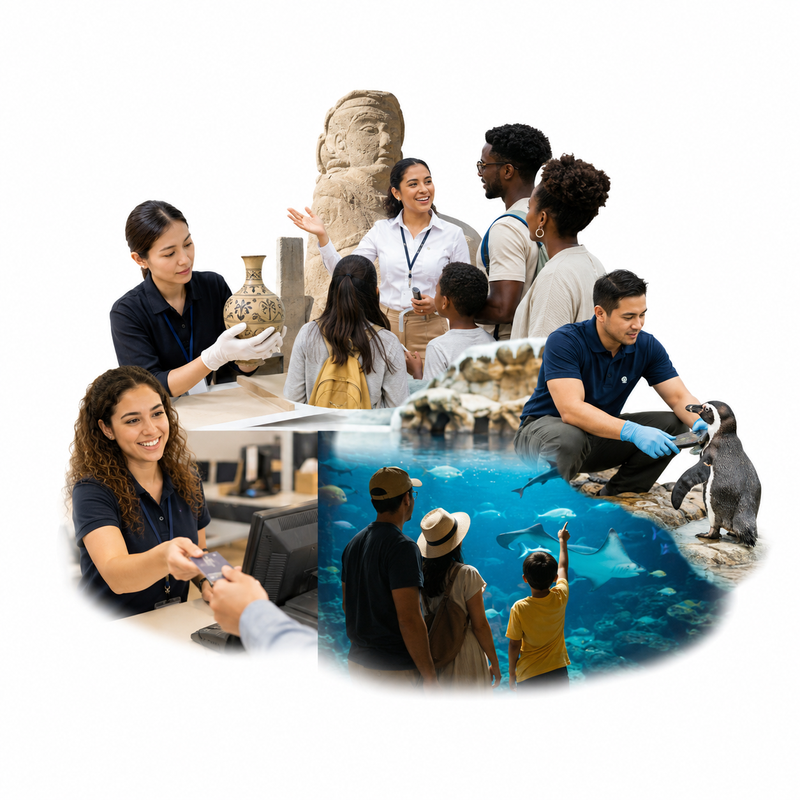
Studying Tourism can open paths in agencies, hotels, public offices, events, attractions, marketing, sales, cultural management, gastronomy, venues, nature and entrepreneurial ventures. It also lets you discover lesser-known roles, such as conference producer, sponsorship executive, venue manager, experience curator, aquarist or travel account manager.
If you're interested in a dynamic, global sector connected with people, Tourism can be a degree to explore.
Not sure if Tourism is for you? Take the NoSeQueEstudiar career test and discover if this degree matches your interests, skills, and the way you imagine your professional future.