
Gastronomy
What is gastronomy?
Gastronomy is the art and science of preparing and presenting food in a creative and delicious way. It involves knowledge of culinary techniques, combining ingredients and appreciating food as a form of cultural expression.
Gastronomy can be considered a culinary art for its goal of studying new ingredients and ways of preparing food, according to the characteristics of each particular culture.
Training in gastronomy is not limited to culinary skills and the management of food-related businesses; it is a continuous journey of personal and professional development.
Gastronomy graduates have a wide range of opportunities to grow and specialize in different areas, always under the premise of innovation and excellence.
Among the main functions of the professional is managing restaurants and catering companies at events and the ability to interpret the current market to take advantage of opportunities in the gastronomic world.
The graduate will work in dynamic jobs, with team decisions and constant changes that move away from a possible daily routine. It demands movement and continuous interaction among staff, the curriculum expands creativity to innovate and try new dishes with a personal style and personal prestige will increase as we move forward.
The degree offers the opportunity to travel and find a workplace internationally. It usually lasts between 3 and 4 years, but it requires constant practice to remember and perfect food cooking.
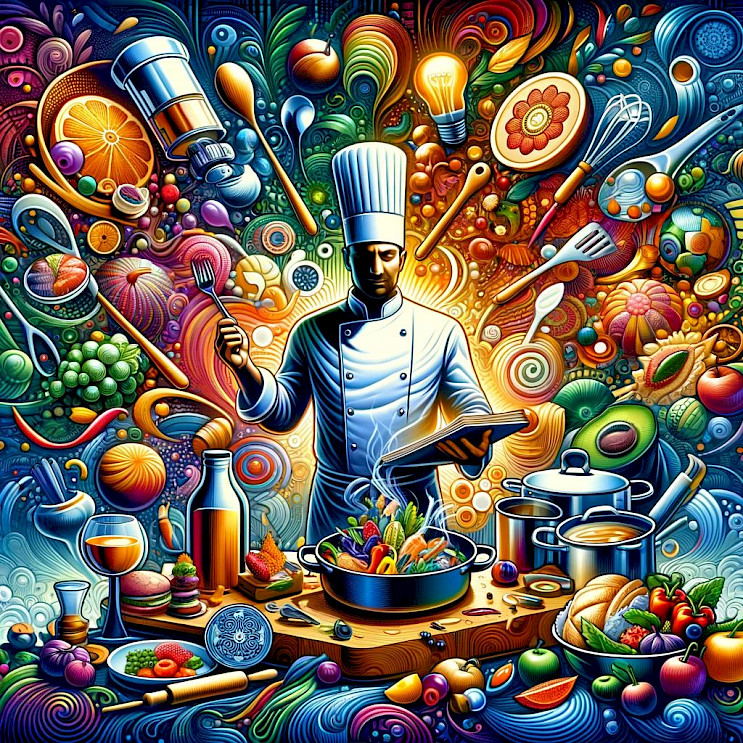
Why study gastronomy?
Studying gastronomy can be an attractive option for those passionate about food and culinary creativity. It offers the opportunity to develop skills in the art of cooking and explore different cultures through gastronomy. In addition, the gastronomy industry offers diverse job opportunities and the possibility of starting your own businesses. However, it is important to be prepared to face the challenges and pressures of this career.
Advantages of studying gastronomy
Studying gastronomy offers several advantages, such as developing culinary and creative skills, the opportunity to explore different cultures through food, and multiple job options and entrepreneurship in the industry.
Studying gastronomy is an enriching experience that goes beyond merely acquiring culinary skills. It is a field that demands innovation and adaptability, where students learn to experiment with ingredients and techniques, adapting to new trends and consumer preferences. This flexibility becomes a valuable skill in any professional field.
Training in gastronomy also covers management and organization skills. Students not only learn to cook, but also train in aspects of business management such as cost control, staff management and event planning. These skills are transferable and highly valued in various sectors.
Working in the kitchen involves strong collaboration and effective communication. Future chefs and gastronomy professionals learn to work as a team under pressure, developing a crucial skill in any work environment.
In the current era, there is a growing emphasis on sustainability and healthy eating in gastronomy. Students become aware of where food comes from, the environmental impact of their culinary practices and the importance of maintaining a balanced diet.
Gastronomy is also a path to personal development. Cooking becomes a journey of self-discovery and personal expression, allowing students to explore their creativity, develop patience and attention to detail.
In addition, studying gastronomy offers a deep cultural appreciation. Students gain a broad understanding of diverse cultures and traditions through food, fostering respect and appreciation for diversity.
Another significant advantage is the work flexibility offered by the field of gastronomy. Professionals can work in a variety of settings, from restaurants and hotels to cruise ships and private events, with schedules that can adapt to different lifestyles.
Gastronomy students have the opportunity to develop a global palate, tasting and learning about a wide variety of flavors from around the world. This not only enriches their palate, but also broadens their understanding and appreciation of global cuisine.

Job opportunities in the gastronomy industry
The gastronomy industry offers a wide range of job opportunities for those who study this degree. Some options include working in restaurants, hotels, cruise ships, catering companies, culinary schools, and gastronomic media. There are also possibilities for entrepreneurship and opening your own gastronomy business, such as a restaurant, food truck, or catering service. With the growing demand for high-quality culinary experiences, there are many opportunities to grow and build a career in this dynamic field.
Development of culinary and creative skills
The study of gastronomy allows students to develop culinary and creative skills. They learn cooking techniques, flavor combinations, and plating, and explore new ways to prepare and present food. This degree fosters a passion for cooking and provides opportunities to express creativity through food.
Courses and study programs
There are various courses and study programs in gastronomy, where students can learn culinary techniques, pastry, enology, and restaurant management. Bachelor's degree programs in gastronomy and culinary management are also offered.
Degrees related to gastronomy
There are various degrees related to gastronomy that students can consider, such as pastry chef, sommelier, restaurant manager, and culinary consultant. These careers offer exciting opportunities in the culinary industry and allow professionals to explore their passion for food and creativity in a professional environment.
Recognized educational institutions
There are several recognized educational institutions that offer study programs in gastronomy, such as the Le Cordon Bleu School of Gastronomy and the Basque Culinary Center Foundation. These institutions have a reputation and prestige in the training of gastronomy professionals.
Practical experience in gastronomy
Practical experience is essential in the career of gastronomy. Students have the opportunity to complete internships in restaurants and hotels, participate in gastronomic workshops and events, which gives them real exposure to the culinary world and allows them to acquire practical skills and knowledge. It is also an excellent opportunity to make contacts and build a professional network in the industry.
The practical experience in gastronomy is an essential part of learning and skill development in this degree.
Internships in restaurants and hotels
During their gastronomy studies, students have the opportunity to do internships in restaurants and hotels, which allows them to gain practical experience in the kitchen and learn directly from industry professionals. These internships give them the opportunity to apply the theoretical knowledge acquired in the classroom, learn new culinary techniques and perfect their skills.
Internships in restaurants and hotels allow them to become familiar with the operation of a gastronomy establishment and gain knowledge about aspects such as inventory management, quality control and customer service. It is a valuable experience that helps them develop confidence and competence in the culinary environment and to have a more complete vision of the gastronomy industry.
Workshops and gastronomic events
Workshops and gastronomic events offer a unique opportunity to learn new culinary techniques, discover traditional ingredients and dishes, and meet renowned chefs. These events allow gastronomy students to expand their knowledge and experience new trends in the industry.

Challenges in the industry
The gastronomy industry, while offering exciting and rewarding opportunities, also presents several significant challenges. Professionals in this field must face high expectations and considerable pressure to create exceptional dishes, which often involves working under demanding conditions.
One of the notable challenges is tolerance to odors and high temperatures. Professional kitchens are environments where people work with fire, steam and a variety of intense aromas. Adapting to these conditions is essential for any chef or kitchen worker.
In addition, there is an inherent risk of accidents with utensils and preparations, such as cuts or burns with hot oil. These risks require constant attention and proper training in safety and first aid in the kitchen to minimize them.
Another downside is the low starting salaries, especially for kitchen assistants and beginner cooks. This is a discouraging aspect for many entering the industry, although with experience, specialization and a solid reputation, professionals can aspire to better economic opportunities.
Despite these challenges, including demanding schedules and teamwork, which are demanding but at the same time provide the opportunity to learn and grow in the culinary field, the degree in gastronomy remains attractive to many. The passion for food, the art of cooking and the satisfaction of creating unique culinary experiences are the motivators that make, for many, the challenges worthwhile and contribute to professional and personal enrichment in this exciting field.
High expectations and pressure
In the gastronomy industry, professionals face high expectations and pressure to create exceptional dishes.
They must maintain high quality standards and provide exceptional experiences to diners. This constant demand can be challenging, but it is also an opportunity to grow and perfect their culinary skills. It is important to learn to deal with pressure and stay calm to deliver quality results.
Demanding schedules and teamwork
In the gastronomy industry, demanding schedules are faced and teamwork is constant. Chefs and kitchen professionals must adapt to long working hours and be prepared to collaborate and communicate efficiently with their colleagues to achieve successful work.
Motivations for studying gastronomy
Some of the motivations to study gastronomy include the passion for cooking, the desire to learn about different culinary cultures, the opportunity to express creativity through food and the love of sharing special moments with others through gastronomy.
Tips for those interested in pursuing this degree
Some tips for those interested in pursuing a degree in gastronomy are: dedicate yourself to practicing and perfecting culinary techniques, be willing to work as a team, have a passion for cooking and stay up to date on gastronomic trends.