
What is studied in Gastronomy?
Gastronomy is the study of the different cultural components based on food. The gastronome is the person who works in gastronomy.
Why study Gastronomy?
Because you are interested in discovering the world of food and the context in society. Most of the time, Gastronomy is only related to cooking. However, this is not entirely true, since cooking is only one part of what Gastronomy encompasses.
Studying Gastronomy is about discovery, research and understanding of food preparation and everything that food involves. You even learn the relationship between culture and nutrition.
The principle of Gastronomy is that food is a science, as well as an art form. By understanding how all the senses contribute to an experience, a gastronome can more fully understand what is happening when a consumer claims that they do not like or do not enjoy a particular food.
Gastronomy also examines the implications of nutrition, along with the integration of other disciplines of the social sciences such as anthropology, psychology and philosophy. It also examines the role of food in the fine arts such as performance, painting and sculpture, as part of a closer look at the role of food in society in general.
What is studied in Gastronomy?
The Bachelor's Degree in Gastronomy is usually structured in four areas:
- Food, where you learn in depth about nutrition, culinary chemistry, nutrition, quality, etc.
- Management, where you will study subjects such as human resources, accounting, marketing, finance, costs, etc.
- Humanities. Area where you will learn the history of gastronomy, its role in culture and society, dissemination and research of gastronomy.
- Technique. You will learn culinary techniques about preparation, etc.
What is the duration of the Gastronomy degree? Are there courses? Is it a degree? How long does it last?
The approximate duration of the Bachelor's Degree in Gastronomy is four years. However, there are also courses and diplomas that have a shorter duration, of around one year. The Bachelor's Degree in Gastronomy is indeed a degree, so it is the ideal training to become a gastronomist.
What is a gastronomist's day-to-day like? What activities do they do?
The basis of gastronomy is, of course, food.
A gastronomist analyzes how fresh the food is, how it is prepared, what flavors are used, how it is presented, the colors of the mixture of foods on the plate and what the overall message of the food aims to be. However, gastronomists also look more deeply into food, examining the cultural influences that contributed to that particular food dish, the science behind it, as well as the history.
The highly scientific study of food, sometimes called molecular gastronomy, also plays a role. For example, a molecular gastronomist can explain the physical and chemical interactions that occur in a fryer, which could lead to fried dishes that are lighter and with less fat, since the precise mechanism is understood, allowing hazards to be avoided.
Advantages and disadvantages of studying Gastronomy
Among the disadvantages of studying Gastronomy we find that the Bachelor's Degree in this area is usually expensive in general since it is usually offered by private schools or universities, moreover, there are not many universities that teach this degree so you may need to change your place of residence. However, Gastronomy has many advantages such as a broad job field and, in general, good income, but most important of all will be being able to work in what you are passionate about.
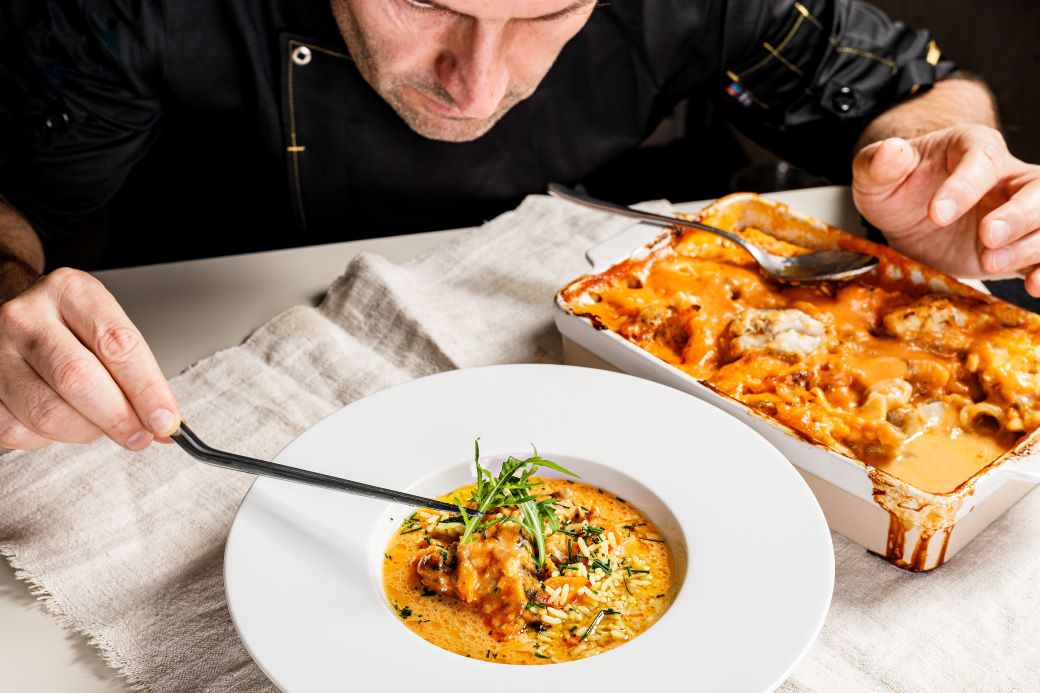
Advantages of studying Gastronomy
Gastronomy offers numerous advantages for those who decide to study it. Some of the advantages include the development of culinary skills, the diversity of job opportunities and the possibility of experiencing different cultures through food. In addition, studying gastronomy allows students to develop their creativity and work in a constantly evolving field.
Development of culinary skills
Studying gastronomy provides significant benefits by developing culinary skills. During the study program, students have the opportunity to acquire practical and theoretical knowledge about culinary techniques, food preparation methods, flavor combinations and dish presentation. In addition, through constant practice in the kitchen, students can perfect their technical and creative skills, allowing them to stand out in the gastronomic industry.
Diversity of job opportunities
Gastronomy offers a wide range of job opportunities in diverse settings. Graduates can work as chefs in restaurants, hotels, cruise ships and catering companies. They can also become gastronomic consultants, cooking teachers, food critics or start their own food and beverage business. There is a growing demand for professionals with culinary skills and knowledge in gastronomy, which means graduates have good employment prospects in the field of gastronomy.
Disadvantages of studying Gastronomy
The degree in gastronomy also has some disadvantages that students should consider. First, work schedules in the gastronomy industry are often challenging, with night shifts, weekends and holidays. In addition, pressure and stress in the kitchen can be overwhelming for some, especially during peak hours. Finally, salaries in the gastronomy industry tend to be low compared to other degrees. However, if you are willing to face these challenges, gastronomy can be a rewarding and exciting career.
Challenging work schedules
Work schedules in the gastronomy industry are often challenging. Chefs and kitchen professionals often work night shifts, weekends and holidays. These schedules can affect work-life balance, and require great dedication and flexibility from those who choose to study gastronomy. In addition, peak hours in the kitchen can be extremely demanding, with great pressure and stress. However, those who are willing to face these challenges will find an exciting and fulfilling career.
Pressure and stress in the kitchen
The kitchen can be a high-pressure and stressful place. Chefs and cooks must work quickly and under pressure to fulfill orders and meet customer expectations. This pressure can lead to stressful situations and physical exhaustion. However, many gastronomy professionals find this aspect challenging and exciting, and find ways to manage stress and stay focused on their work.
Low salaries
Low salaries are one of the disadvantages of studying Gastronomy. Many chefs and cooks start with low salaries and it can take years before earning a decent wage. Hard work and dedication are necessary to be able to move up and earn better pay in this industry.
Experiences and testimonials
To gain a more complete view of the advantages and disadvantages of studying Gastronomy, it is helpful to examine the experiences and testimonials of those who have pursued this degree. Many renowned chefs have shared success stories, which shows that it is possible to succeed in this industry. In addition, listening to the opinions of gastronomy students and professionals can provide a realistic view of the challenges and rewards that can be expected in this field.
Success stories of renowned chefs
Success stories of renowned chefs:
Many renowned chefs have achieved great success in the gastronomic industry. For example, chef Gordon Ramsay has earned multiple Michelin stars and has been recognized worldwide for his culinary talent.
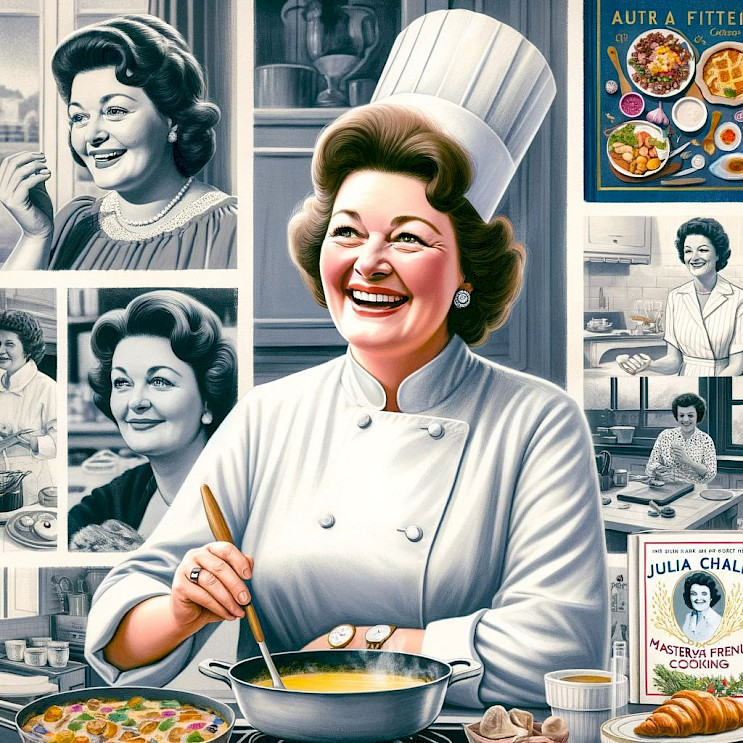
Other chefs such as Julia Child, Anthony Bourdain, Martín Berasategui have also left a lasting legacy in the world of gastronomy.
Julia Child, originally named Julia Carolyn McWilliams, was born in Pasadena, California, on August 15, 1912 and died in Montecito, California, on August 13, 2004. She was a prominent chef, writer and television presenter in the United States. She became famous for popularizing French cuisine in her country through her influential book "The Art of French Cooking", published in 1961. In addition, her impact on gastronomy extended to television, with her most recognized program being "The French Chef", which began airing in 1963.
Anthony Bourdain was a renowned American chef, author and television host, famous for exploring global cultures and cuisines in shows like "No Reservations" and "Parts Unknown". He was born on June 25, 1956 and died on June 8, 2018. He stood out for his direct style and his passion for gastronomy.
Martín Berasategui, born in San Sebastián in 1960, is a prominent Spanish chef known for holding the highest number of Michelin stars in Spain and being one of the most award-winning chefs worldwide. He began his career in the family restaurant in San Sebastián and trained in France with renowned chefs. He opened his own restaurant in Lasarte-Oria in 1993, quickly gaining recognition and multiple Michelin stars. Berasategui is famous for his culinary innovation and has received numerous awards and recognitions, including the Gold Medal of Merit in Fine Arts and the inclusion of his expression "garrote" in the Diccionario Histórico de la RAE.
These success stories show that with passion, dedication and culinary skills, it is possible to succeed in this exciting career.
Opinions from gastronomy students and professionals
Gastronomy students and professionals have different opinions about their experience in the field. Some praise the creativity and passion required in the kitchen, as well as the opportunities to experiment with diverse ingredients and culinary techniques.
However, they also recognize the challenges, such as long working hours, stress and constant pressure in the kitchen. In general, many agree that gastronomy is a rewarding but demanding career.
Recommendations for those interested in gastronomy
For those interested in gastronomy, some suggestions:
- Participate in Culinary Experiences: Participating in a contest like MasterChef Spain can be an effective way to assess whether a degree in gastronomy is right for you. This program challenges amateur chefs with a variety of culinary challenges, from preparing traditional dishes to innovating with unexpected ingredients, under time pressure and the evaluation of an expert jury. These experiences put crucial skills to the test such as creativity, stress management, and teamwork, offering a realistic perspective on the world of professional cooking. In addition, receiving feedback from expert judges and the media exposure of the show can open up opportunities in the gastronomic industry, whether or not you win the contest.
- Seek a formal education: It is important to get proper training in culinary techniques and skills. This can be through higher education programs or recognized culinary schools.
- Gain practical experience: Complement formal education with internships and apprenticeships in different restaurants and gastronomic establishments. This will help you gain practical knowledge and learn about different cooking styles.
- Stay up to date: Gastronomy is a constantly evolving field. It is important to keep up with trends and new developments in cooking, as well as attend workshops and gastronomic events.
- Develop management skills: In addition to culinary skills, it is crucial to acquire management and leadership skills. This includes learning to manage a team, plan and organize work in the kitchen, and stay on top of finance and marketing.
- Cultivate a passion for food: Gastronomy is a demanding degree and requires dedication and passion. It is important to have a true passion for food and be willing to invest time and effort in perfecting culinary skills.
For those interested in gastronomy, it is advisable to seek a formal education, gain practical experience, stay up to date, develop management skills and cultivate a true passion for food. By following these recommendations, you can build a solid foundation for success in the field of gastronomy.
Where to study Gastronomy?
Online for less than 100 dollars a year at scoolinary.com
In Argentina: IAG Instituto Argentino de Gastronomía, Gato Dumas de cocineros, Escuela Integral de Gastronomía Celia, etc.
In Chile: Culinary Escuela Internacional de artes Culinarias y Servicios, Pastelería y Repostería Sedes de Providencia y Maipú ismchile.cl, Escuela Culinaria Francesa ECOLE escuelaculinaria.cl , Short Courses - Traditional Chilean Sweets lcb.uft.cl, Base course at Aldey Equivalent workload: 120 hours, etc.
In Spain: Escuela de hostelería y turismo Fuenllana, Escuela de restauración y hostelería de Barcelona, Centro superior de hostelería de Galicia, Escuela de hostelería y turismo de Valencia, etc.
In Mexico: Centro Culinario Ambrosía, Claustro de Sor Juana, Instituto Culinario de México Monterrey, etc.
In Peru: The Escuela de Chefs of the Universidad San Ignacio de Loyola, Cenfotour, etc.
In Dominican Republic: in Santo Domingo the Instituto Culinario Dominicano (ICD) offers several programs endorsed by the Universidad de Interamericana de Puerto Rico: the diploma in Haute cuisine, the Diplonado International Chef and the Diplomando in Pastry lasting 6 months.
In Santiago the Escuela de Cocina Gourmet Pucheu, offers the degree of Chef in culinary arts lasting 1 year and chef in bakery and pastry lasting 1 year.
In Bella Vista, Santo Domingo the Escuela Dominicana de Alimentos y Bebidas offers courses and diplomas: Technician in Culinary Arts, lasting 12 months.
In Santo Domingo CEDECAP offers various programs on Breads and pastry.
In Venezuela: The Centro de Capacitación Gastronómica de Venezuela, C.V.C.G. offers offers training for Professionals in Culinary Arts.
The Instituto Superior Mariano Moreno (Escuela de Gastronomía) offers the degree in Bakery and Pastry lasting Four Quarters, also offers the degree in Professional Cook and Pastry Chef designed to be completed in two years (Eight Quarters).
ICTC Margarita - Escuela de Cocina in La Asunción, Isla de Margarita offers the Bakery for Enthusiasts course and the Advanced Classic Pastry Cycle.
Training is also offered by IGA Caracas, the Instituto Culinario de Caracas (Sumito Esteves), Instituto Nacional de capacitación educativa (INCE), Instituto Superior de Artes Culinarias (High Training Educational Institute - H.T.E.I.), the Instituto de capacitación profesional Resolana, Instituto del pan, Instituto Mandalay, La Casserole du Che, the Academia profesional Gourmet, the CEGA (Centro de Estudios Gastronómicos), the Centro de Capacitacion profesional de Alta cocina, Centro Venezolano de Capacitación Gastronómica, the Escuelas de Las Artes culinarias de Caracas, the Grupo Académico Panadero Pastelero (GAPP).