
Culinary evolution: a reflection of our society and culture
The culinary evolution is a fascinating topic that allows us to understand how gastronomy has changed over time. The relationship between cooking and society is clear, as it reflects our culture and values.
We will look at different aspects of culinary evolution, from traditional cooking to current gastronomic trends.
We will learn how new techniques such as molecular cuisine have developed. The gastronomic fusion that has given rise to innovative dishes and we will analyze the importance of using local and sustainable ingredients and how this reflects greater environmental awareness in our society.
Finally, we will reflect on the future of cooking and how it will continue to influence our lives.
The importance of culinary evolution
The culinary evolution is important because it reflects the creativity and adaptability of our society. Through new techniques and flavors, cuisine evolves to satisfy people's changing tastes and needs.
The relationship between cooking and society
The relationship between cooking and society is close as it reflects the values, beliefs and tastes of a community. Culinary evolution is a manifestation of the social and cultural changes that occur in a society.
Through cooking, traditions are passed on, stories are shared and community bonds are created. Gastronomy is a form of expression that reflects the diversity and cultural richness of a society, and in turn, influences the way people relate to and identify with their environment.
The cooking and society are intrinsically intertwined, and culinary evolution is a clear indicator of the social and cultural changes that occur in a community.
Traditional cuisine
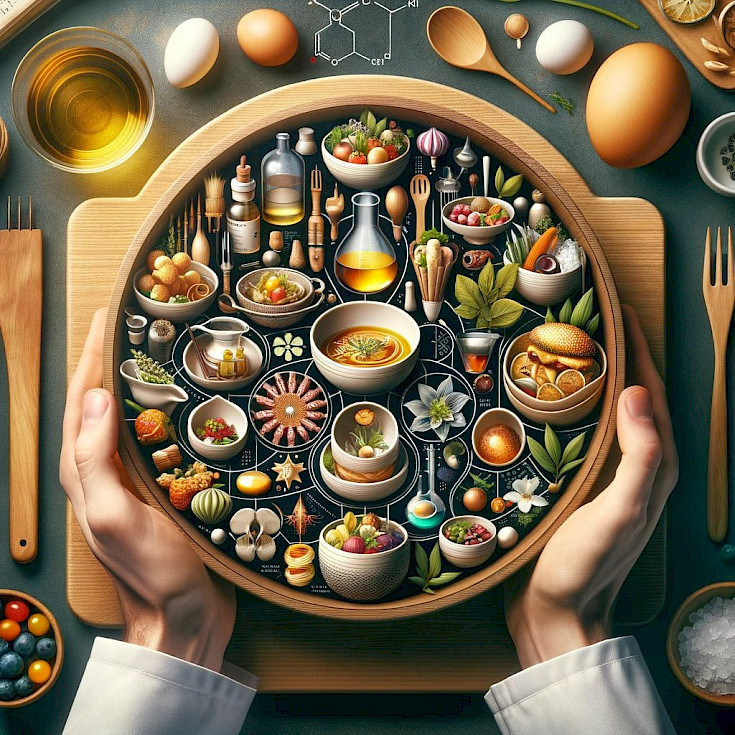
The traditional cuisine refers to the dishes and culinary techniques passed down from generation to generation. It represents the cultural roots of a society and reflects its history, values and culinary traditions.
Origins of traditional cuisine
The traditional cuisine has its origins in the ancient culinary techniques of our ancestral cultures, which were passed down from generation to generation to preserve the gastronomic richness of each region.
Cultural influences on traditional cuisine
The traditional cuisine has been influenced by different cultures throughout history, which is reflected in the variety of ingredients, cooking techniques and flavors present in each region.
Molecular gastronomy
Molecular gastronomy is a culinary discipline that combines science and gastronomy to create innovative and surprising dishes. It uses techniques such as spherification, gelling and emulsification to transform ingredients and create unique textures and flavors.
What is molecular gastronomy
Molecular gastronomy is a culinary discipline that uses scientific techniques and knowledge to create innovative and surprising dishes, transforming ingredients and creating unique textures and flavors. It is a way of exploring and experimenting with gastronomy beyond traditional methods.
The influence of science on molecular gastronomy
Science has a great influence on molecular gastronomy, as it uses scientific techniques and knowledge to transform ingredients, create textures and develop new flavors. These techniques include the use of tools such as liquid nitrogen and reversing ingredient proportions to achieve surprising results. Science also helps to understand the chemical and physical changes that occur during food preparation, allowing chefs to experiment and create innovative dishes.
Culinary fusion
Culinary fusion is the combination of different culinary traditions in a single dish. This trend seeks to create new flavors and experiences through the blending of ingredients and cooking techniques from different cultures.
Definition of culinary fusion
Culinary fusion is the combination of different culinary traditions in a single dish. This trend seeks to create new flavors and experiences through the blending of ingredients and cooking techniques from different cultures.
Examples of successful fusions in gastronomy
Some examples of successful culinary fusions include the sushi burrito, which combines Japanese and Mexican cuisine; Thai ceviche, which mixes Peruvian and Thai food; and the cronut, a hybrid of croissant and donut.
Current culinary trends
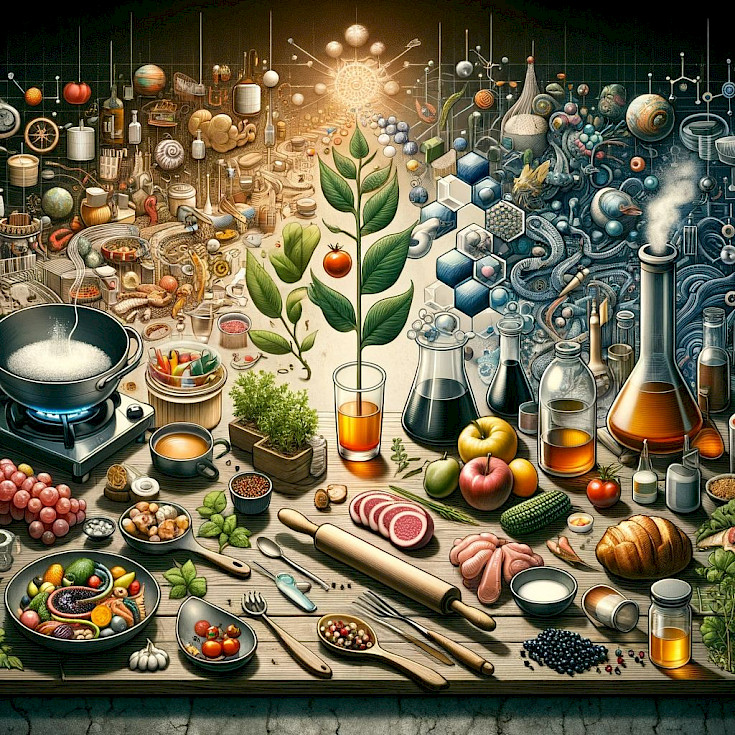
Nowadays, two prominent culinary trends are deconstructed and reinterpreted dishes, which explore new presentations and flavor combinations, and the use of local and sustainable ingredients, to promote a more conscious and environmentally friendly cuisine.
Deconstructed and reinterpreted dishes
Deconstructed and reinterpreted dishes are a current culinary trend that seeks to explore new presentations and flavor combinations. It involves breaking down a traditional dish into its basic components and recreating it in an innovative and creative way. This technique allows you to play with textures, colors, and flavors of the ingredients, creating unique and surprising gastronomic experiences.
Use of local and sustainable ingredients
Nowadays, there is a growing awareness of the importance of using local and sustainable ingredients in gastronomy. This involves using fresh products grown in the region, thus promoting the local economy and reducing the environmental impact of food transportation. In addition, it seeks to implement sustainable production practices, such as the use of organic farming techniques and respect for biodiversity. By using local and sustainable ingredients, chefs can offer healthier, higher-quality dishes, while at the same time contributing to the well-being of the planet.
Conclusions
Culinary evolution is a reflection of the social and cultural changes in our society.
Gastronomy has transformed over time, adapting to new trends and technologies. Traditional cuisine, molecular cuisine, and gastronomic fusion are just some of the many manifestations of this evolution. These current culinary trends reflect the pursuit of creativity, innovation, and personal expression in the kitchen. In addition, the incorporation of local and sustainable ingredients reflects a greater awareness of the importance of caring for the environment and supporting the local economy. In conclusion, culinary evolution is a fascinating phenomenon that shows how our society and culture have influenced the way we eat and cook.
Culinary evolution as an indicator of social and cultural changes
Culinary evolution is a reflection of the social and cultural changes in our society.
As people experience new lifestyles and cultural perspectives, they also seek new ways to express themselves through food. The adoption of ingredients and culinary techniques from other cultures shows how globalization has impacted our gastronomic preferences. In addition, the demand for healthier and more sustainable foods reflects a greater focus on personal well-being and caring for the environment. Culinary evolution is an indicator of how our society and culture are constantly changing and adapting to new ideas and values.
The future of cooking and its influence on our lives
Cooking is constantly evolving and its influence on our lives will continue to grow. In the future, technological advances are expected to allow for greater personalization and automation in food preparation. In addition, awareness of sustainability and health will continue to promote the search for local and organic ingredients.
Cooking will also continue to be a medium of expression and creativity, allowing people to experiment with new combinations and culinary techniques.
The future of cooking promises to change the way we eat and relate to food, adapting to the needs and preferences of a constantly evolving society.