
Bartender
What is a bartender and what tasks do they perform?
A bartender is a professional specialized in preparing and serving alcoholic and non-alcoholic beverages in a hospitality establishment. Their tasks include knowing drinks and cocktails, preparing the work environment, serving customers, making drinks and cocktails, and handling difficult situations. A bartender plays a fundamental role in providing a pleasant and satisfying experience to customers.
Why is the bartender's role important in the hospitality industry?
The role of the bartender is fundamental in the hospitality industry, since they are experts in preparing drinks and cocktails, offering customers a unique experience. In addition, they are responsible for creating a pleasant atmosphere and providing excellent customer service.
Preparation and organization
Preparation and organization are fundamental aspects of a bartender's work. This includes having extensive knowledge of drinks and cocktails, as well as preparing the work environment and the utensils needed to provide efficient, quality service. Bartenders must also make sure they have an adequate supply of ingredients and keep the work area clean and tidy. Proper preparation and organization help the bartender serve customers efficiently and give them a memorable experience.
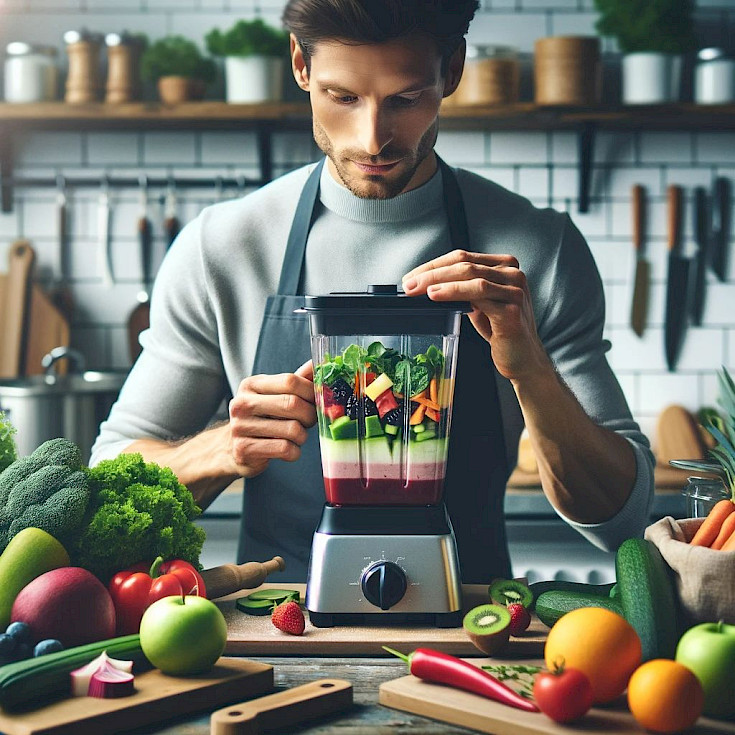
Knowledge of drinks and cocktails
The bartender must have extensive knowledge of drinks and cocktails, including the different preparation techniques, ingredients, and proper proportions. This allows them to provide recommendations, create new recipes, and satisfy customers' preferences.
Preparation of the work environment and utensils
The bartender is in charge of preparing the work environment and the necessary utensils before starting their shift. This includes cleaning and organizing the workstation, making sure they have enough ingredients and utensils, such as shakers, jiggers, bar spoons, and glasses, and checking that everything is in good condition and ready for use.
Customer service
The bartender makes sure to provide excellent customer service. They use effective communication skills and show courtesy when handling customer requests. In addition, they create personalized experiences by adapting to each customer's individual preferences.
Communication and customer service skills
The bartender must have excellent communication and customer service skills. It is important to listen carefully to customers' requests and respond courteously and efficiently. In addition, they must be able to handle complaints or problems professionally to ensure customer satisfaction.
Creating personalized experiences
The bartender is also responsible for creating personalized experiences for customers. This involves knowing each customer's individual preferences and tastes and offering them personalized recommendations and suggestions. This helps customers feel special and satisfied with their experience at the bar.
Making drinks and cocktails
The bartender is an expert in making drinks and cocktails, using mixing and preparation techniques to offer customers a unique experience. They know the proper proportions of ingredients and the correct way to combine them. In addition, they are in charge of presenting cocktails in an attractive way, using garnishes and decorations to enhance the appearance of the drinks. The bartender's ability to create delicious and visually appealing drinks is essential to satisfy customers' palates and keep them coming back to the bar.
Drink mixing and preparation techniques
The bartender masters the various drink mixing and preparation techniques, such as stirring, shaking, and blending. They know the proper proportions of ingredients and the correct sequence for adding them, ensuring the perfect combination of flavors and textures. In addition, they use tools such as shakers, jiggers, and strainers to guarantee the quality and presentation of the drinks. They can also use innovative techniques, such as maceration and infusion, to create unique and surprising flavors in drinks. The bartender's skill in these techniques is essential to offer customers exquisite cocktails that satisfy their palates.
Cocktail presentation and decoration
The bartender is also in charge of cocktail presentation, using decoration and plating techniques to create a visually appealing experience. This can include the use of edible flowers, fruit slices, umbrellas, and other decorative elements that enhance the look of the drinks. Their skill and creativity in cocktail presentation play a fundamental role in customer satisfaction and delight.
Handling difficult situations
The bartender must also have knowledge about responsibility and safety in the sale of alcohol, such as identifying and preventing excessive consumption. In addition, they must be prepared to handle difficult situations, such as unhappy customers and conflicts, in a professional and diplomatic manner to maintain a safe and pleasant environment for everyone present.
Knowledge about responsibility and safety in the sale of alcohol
The bartender must have knowledge about responsibility and safety in the sale of alcohol. This involves knowing when to stop selling to people who have consumed excessively and being aware of the laws and regulations related to the sale and consumption of alcohol. They must also know how to identify and prevent excessive consumption and be prepared to offer non-alcoholic alternatives to customers. The safety and well-being of customers must always be a priority for the bartender.
Management of unhappy customers or conflict situations
In situations where customers are unhappy or there is a conflict, the bartender must act calmly and empathetically. They must listen to the customer's concerns, offer alternative solutions and work to resolve the problem satisfactorily, always maintaining professionalism and respect. It is important to handle these situations effectively to maintain a positive experience for all customers.
The art of mixology
Mixology is an art that combines creativity, precision and knowledge of ingredients to create delicious drinks. Bartenders are the artists behind the bar, experts in mixing and presenting cocktails. Throughout history, mixology has evolved, going from simple mixes to elaborate and sophisticated cocktails. A good bartender must possess technical skills, knowledge about liquors and a passion for experimenting with new flavors and techniques. Mixology has become a form of expression and modern bartenders seek to surprise their customers with unique and original creations.
History and evolution of mixology
The history of cocktail making has its roots in ancient times, with the first attempts to mix ingredients to create drinks with different flavors. However, the art of cocktail making as we know it today developed in the 19th century. During the Prohibition era in the United States, clandestine bars and speakeasies became popular places to enjoy cocktails. It was during this time that classic cocktails such as the Martini, the Manhattan and the Old Fashioned emerged. Over time, new ingredients, preparation techniques and presentation styles were incorporated, which led to the continuous evolution of cocktail making. Today, we can find a wide variety of cocktails that combine traditional flavors with new ingredients and original creations.
Skills and characteristics of a good bartender
A good bartender must have a variety of skills and characteristics to succeed in their craft. Some of these skills include:
- Expert knowledge of liquors and beverages: A good bartender must know the different types of liquors, wines and other alcoholic beverages, as well as their characteristics and proper uses.
- Customer service skills: A great bartender must be friendly, courteous and able to interact effectively with customers. They must be good listeners and have the ability to satisfy customers' needs and desires.
- Creativity and dexterity: A bartender must have creative skills to mix different ingredients and create delicious and visually appealing cocktails. They must also have exceptional manual dexterity to work quickly and handle several tasks at the same time.
- Knowledge of mixology techniques: A good bartender must know the different mixing and drink preparation techniques, such as the proper use of the shaker, bar spoon, muddler and strainer.
- Patience and ability to work under pressure: Bartenders often work in a fast-paced and crowded environment. They must be able to work under pressure and stay calm, even in difficult situations.
A good bartender must also be passionate about their work and be willing to learn and constantly improve. Attitude and work ethic also play an important role in a bartender's success.
Essential bartender tools and equipment
To be a successful bartender, it is essential to have the right tools and equipment. Here is a list of some essential tools that every bartender must have:
- Cocktail shaker: A cocktail shaker is essential for mixing ingredients and chilling drinks quickly.
- Bar spoon: the bar spoon is used to stir and mix the ingredients inside the shaker.
- Strainer: A strainer is used to filter the ingredients and keep solids from getting into the glass.
- Liquor measure: The liquor measure is a key tool to ensure that the right amount of alcohol is added to each cocktail.
- Muddler: a muddler is used to crush fruit, herbs and sugar to release the flavors and aromas.
- Bottle opener: an essential tool for opening beer bottles and other beverages.
- Cocktail knife: a cocktail knife is used to cut fruit, peels and garnishes.
- Ice tongs: ice tongs are necessary for handling ice cubes and placing them in glasses.
- Mixing glass: a mixing glass is used for smoother mixes and for making cocktails without ice.
- Wine opener: for opening wine bottles safely and efficiently.
With all these essential tools, the bartender will be ready to prepare a wide variety of drinks professionally and efficiently.
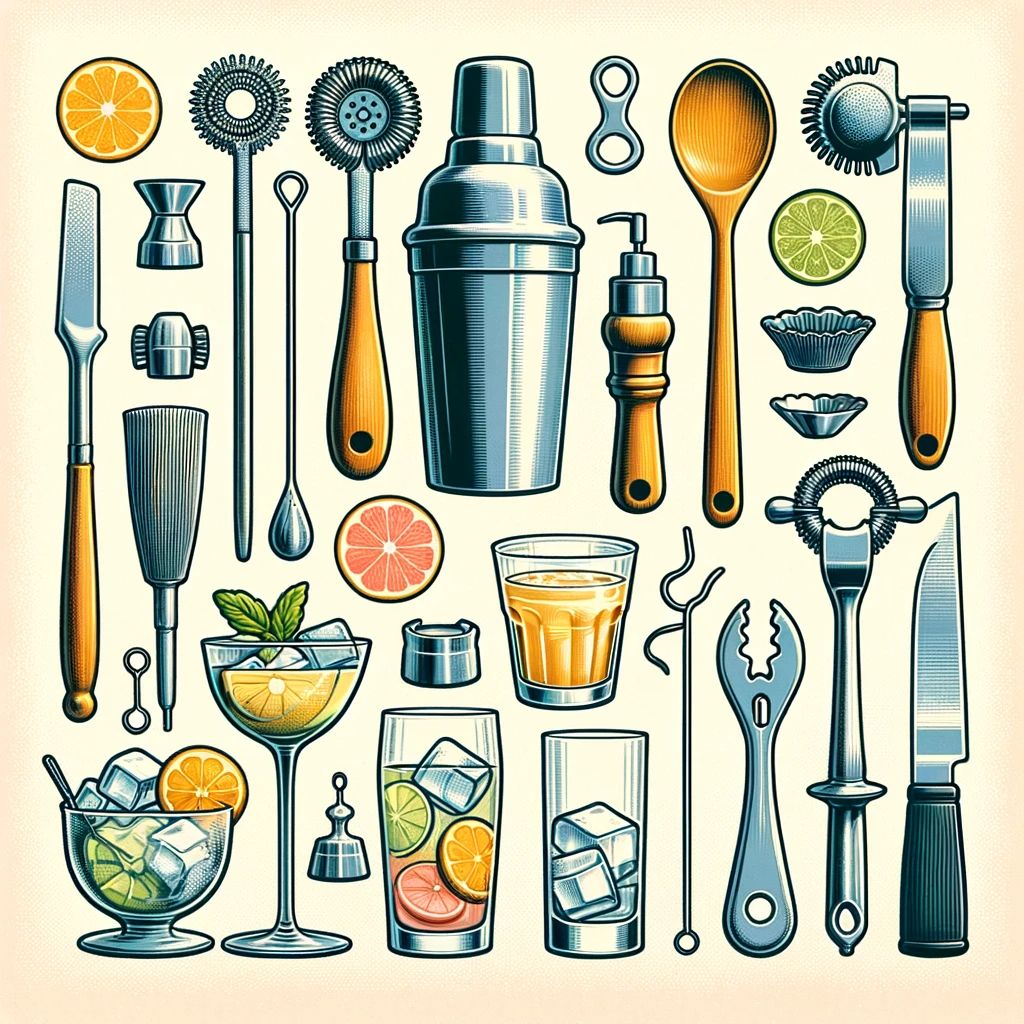
Drink preparation utensils
When preparing drinks, a bartender needs to have a variety of utensils to ensure efficient, quality service. Some of the essential utensils include:
- Knives: they are used to cut and prepare fruit, herbs and other ingredients.
- Spatulas and bar spoons: they are tools for stirring and mixing ingredients in glasses and shakers.
- Citrus juicers: for extracting fresh juice from lemons, limes and oranges.
- Strainers: they are necessary to filter the ingredients and keep solids from passing into the glass.
- Mortar: used to grind and crush fruit and herbs.
- Straws and stirrers: essential items for mixing and serving cocktails.
These drink preparation utensils make it easier for the bartender to cut, mix and serve ingredients, ensuring careful presentation and balanced flavors in each drink.
Mixing and serving equipment
When preparing drinks, it is essential to have the right equipment to mix and serve cocktails efficiently and professionally. Some of the essential equipment includes:
- Shakers: used to mix ingredients, there are two main types: the three-piece shaker, made up of a glass, a lid with a hole, and a built-in strainer; and the Boston shaker, which consists of a mixing glass and a metal glass that fit together.
- Jiggers: these are liquid measuring tools that allow you to measure the exact amounts of ingredients in mixtures.
- Glasses and cups: it is important to have a variety of glasses, such as martini glasses, old-fashioned glasses, and champagne flute glasses, among others, depending on the type of drink to be served.
- Long bar spoons: these are utensils used to mix ingredients directly in the glass.
- Ice scoops: these are containers for storing and serving ice in a hygienic and practical way.
This mixing and serving equipment is indispensable for a bartender, as it allows them to prepare and present drinks in a professional and attractive way. In addition, the proper choice of each piece of equipment helps improve the customer experience and ensure quality service.
Ingredients and cocktail preparation techniques
Cocktail preparation requires a wide variety of ingredients that go beyond spirits. Common ingredients include fresh fruit juices, syrups, and soft drinks. Spices, herbs, and fruits are also used to add unique flavors and aromas.
As for preparation techniques, there are different methods for mixing ingredients, such as shaking, stirring, muddling, and layering. In addition, decoration techniques can be used, such as fruit slices, umbrellas, and drink stirrers.
The combination of ingredients and the application of the right techniques are essential for creating balanced and delicious cocktails. It is important for the bartender to know and master these elements in order to offer an exceptional experience to their customers.
Types of spirits and alcoholic beverages
In the world of cocktails, there is a wide variety of spirits and alcoholic beverages used to create the best cocktails. Some of the most common types of spirits include:
- Rum: a sugarcane distillate, with variants such as white, gold and aged rum.
- Vodka: a neutral beverage, originating in Eastern Europe, obtained from distilling grains or potatoes.
- Gin: a grain distillate, with a characteristic juniper flavor and a wide variety of styles such as dry gin or floral gin.
- Whiskey: a beverage made from barley or other grains, aged in oak barrels, with variants such as Scotch whisky, bourbon or Irish whiskey.
- Tequila: a liquor made from blue agave, originally from Mexico, with different categories such as blanco, reposado and añejo.
- Brandy: a liquor distilled from fermented fruits, such as grapes or apples, characterized by a sweet and aromatic flavor.
- Coffee liqueur: a sweet and aromatic beverage obtained by macerating coffee beans in alcohol, with variants such as black coffee liqueur or coffee liqueur with cream.
These are just a few examples of liqueurs and alcoholic beverages used in mixology. Each one has its own characteristics and can be combined with other ingredients to create delicious cocktails. It is important for the bartender to know the wide range of available liqueurs and their flavor profiles in order to offer recommendations and create balanced and unique combinations.
Cocktail mixing and garnishing techniques
The skilled bartender must master not only ingredient selection, but also cocktail mixing and garnishing techniques. Some of the most common techniques include:
- Mixing: To achieve a uniform and balanced mix, you can use a shaker or cocktail mixer. Shake the ingredients vigorously with ice or stir gently for delicate mixes.
- Muddling: This technique consists of gently mashing fruits, herbs or sugars at the bottom of the glass to release their flavors and aromas.
- Layering: This technique is used to create visual layers in a cocktail, as in the case of the famous Pisco Sour cocktail. The heaviest ingredients are placed at the bottom of the glass and additional layers are carefully added.
- Flaming: Add a spectacular touch to a cocktail by lightly igniting a liquor before adding it to the mix.
Cocktail garnishing is an important part of the presentation. The bartender can use fresh fruits, citrus slices, fresh herbs or even edible flowers to decorate cocktails and enhance their visual appearance. Creativity and attention to detail are key in this final stage of preparing a delicious cocktail.
Classic and popular cocktails
The classic and popular cocktails are a fundamental part of the art of mixology. These drinks have stood the test of time and have become favorites in bars around the world. Some examples of classic cocktails include the Martini, the Mojito, the Margarita, the Daiquiri and the Old Fashioned. These drinks stand out for their balanced flavor and timeless elegance. In addition, other popular cocktails such as the Piña Colada, the Cosmopolitan and the Negroni are also widely enjoyed. These classic and popular cocktails are the perfect base to start your own journey in mixology.
Creating your own cocktail menu
Creating your own cocktail menu is an exciting opportunity to express your creativity and offer your customers a unique experience. When creating a cocktail menu, it is important to consider various factors, such as the tastes and preferences of your target audience, the season, the availability of ingredients and your personal style as a bartender.
To create a successful cocktail menu, consider the following:
- Variety: Include a selection of classic, popular and original cocktails to satisfy the different tastes of your customers.
- Balance: Make sure to offer balanced cocktail options in terms of flavor, sweetness, acidity and bitterness.
- Presentation: Take care with the presentation of the cocktails, using garnishing techniques and attractive visual elements.
- Seasonality: Adapt your menu to the current season, incorporating fresh, seasonal ingredients into your creations.
- Innovation: Experiment with new ingredients, techniques and combinations to offer original and exciting cocktails.
- Descriptions: Be sure to include detailed descriptions of each cocktail on your menu, highlighting the distinctive flavors and characteristics.
When creating your own cocktail menu, you can let your imagination run wild and surprise your customers with unique and delicious drinks. Remember that the key is to balance creativity with quality and flavor, always keeping your customers' preferences in mind. Have fun experimenting and creating cocktails that leave a lasting impression on your guests!
Presentation and menu design
The presentation and cocktail menu design is key to capturing customers' attention and conveying the personality of the establishment. It is important to create a visually appealing menu, using a clean and modern design that reflects the style and atmosphere of the bar.
When designing the menu, techniques such as choosing stylish fonts, using eye-catching colors, and incorporating attractive images of the cocktails can be used. It is also important to organize cocktails into thematic categories or by type of liquor to make it easier for customers to choose.
In addition, including detailed descriptions of each cocktail and highlighting the distinctive ingredients and flavors can help customers make an informed decision.
In short, the design and presentation of the cocktail menu are essential to attract customers and convey the quality and creativity of the cocktails offered.
The modern bartender and current trends
The modern bartender is one who adapts to the current trends and demands of the cocktail industry. In the world of mixology, new techniques and ingredients are constantly emerging that bartenders must incorporate into their creations. Some of the current trends include:
- Craft cocktails: Bartenders are increasingly interested in creating their own ingredients, such as syrups, tonics, and bitters, to give a unique touch to their cocktails.
- Molecular mixology: This technique uses science to transform liquids into solids or vice versa, creating unique visual and sensory experiences.
- Use of fresh and local ingredients: The current trend is to use fresh, seasonal products from the region, which adds authenticity and flavor to cocktails.
- Sustainability: Bartenders are increasingly aware of the environmental impact of the industry and seek to reduce their carbon footprint through sustainable practices, such as using paper straws and recycling waste.
The modern bartender not only masters these trends, but also has excellent customer service skills, knowledge of different drinking cultures, and the ability to quickly adapt to customer preferences. With their creativity and passion for mixology, the modern bartender becomes a true cocktail artist.
Craft cocktails and molecular mixology
The trend of craft cocktails and molecular mixology has gained popularity in recent years.
Modern bartenders are experimenting with creating their own ingredients, such as syrups, tonics, and bitters, to add a unique touch to their cocktails. In addition, molecular mixology uses science to transform liquids into solids or vice versa, creating unique visual and sensory experiences for customers.
These innovative techniques allow bartenders to explore new textures and presentations, surprising diners with avant-garde creations. The blend of the artisanal and the scientific in mixology has revolutionized the way cocktails are prepared and enjoyed.
New techniques and ingredients in mixology
With the advancement of mixology, new techniques and ingredients have emerged that have revolutionized the art of making cocktails.
Modern bartenders are using methods such as cold infusion, fat washing, and vacuum distillation to create unique and complex flavors in their drinks. In addition, unconventional ingredients are being used, such as exotic herbs, smoked spices, and edible flowers, to add a different and surprising touch to cocktails.
These new techniques and ingredients allow bartenders to experiment and create innovative combinations, offering customers a unique and exciting experience when tasting their cocktails. The incorporation of these elements has elevated mixology to a higher level, pushing the limits of creativity and offering new possibilities in every sip.