
Designer
A designer is a professional who is trained in one or more artistic disciplines.
A Designer is a professional in the field of visual communication and product design. The main function of a designer is to create attractive and unique visual content. Through the application of design techniques, designers can combine images, typography, color and other elements to communicate a message visually.
Knowing the breadth of the design discipline will help you make more informed choices about your degree and your future. It is increasingly important for young professionals to understand the context in which they work. The work environment is agile, multicultural, interactive and with an environment quite different from the old design studios and working in solitude.
As the world of work becomes virtual, interaction with other collaborators increases through the use of technology, designers around the world work from virtual platforms.
If you are thinking about pursuing design and you still don't know which branch to specialize in, it is important that you look for a professional who is currently working in that specialty that interests you so much and talk to that person about the career and their day to day.
There are different specializations within design, for example product design, textile design, graphic design, jewelry design, fashion design, interior design, multimedia design, editorial design, advertising design, industrial design, among others.
Branches of Design
Graphic Design
Most young designers start in an assistant or internship position, graphic designers in general work for different industries, companies, institutions and organizations.
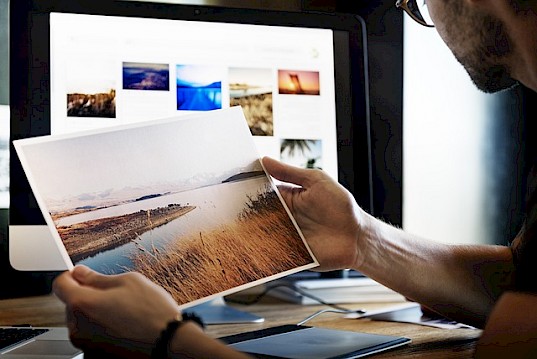
In the beginning their first jobs are within a small company or StartUp and in many other cases the designer works independently, having their own clients.
Magazine and newspaper design
The editorial design of magazines and newspapers can be intense and constant work, due to the fact that there is a strict, inflexible publication schedule.
There are a large number of printed magazines and newspapers at the local, regional and national level in various countries that hire graphic designers for the production of their magazines.
Some newsrooms specialize in specific topics, such as the arts, science or sports. This becomes a great opportunity to connect your design work with another personal passion.
Book design
As with magazines and newspapers, publishers need designers to design books, but they also need to create promotional and marketing materials for books.
Design within the company
As a corporate designer, you will work on creating a brand identity manual.
Many companies have design departments managed by a design director who oversees the work done by experienced designers and interns. This design team can create creative and editorial work for internal and external promotions.
Design for the music industry
Within a record label and in large companies, the design department is managed by a creative director.
Covers become a quick way to identify different artists and their music without even having to read names or titles. Cover designs are viewed by thousands of people from a computer or mobile device.
The record industry has many independent labels that frequently work with freelance designers. Freelance work offers a good opportunity to develop the pieces that will make up your portfolio. Within this industry, designers are responsible for designs and various promotional materials such as displays and posters.
Design within advertising agencies
Most people think that advertising agencies are megaspaces with offices all over the world. There are many medium-sized and even smaller agencies that focus more on local and regional work.
Within the Agency, art directors and copywriters usually form a team. Account executives deal with the client and production assistants who produce work and execute ideas with the team.
Students who are interested in advertising should explore copywriting courses/workshops/books at an early stage to better understand what the work of a creative copywriter is like.
Environmental design
Environmental design includes a wide range of signage activities, billboards, interactive kiosks, displays, plaques, canopies, among others. Environmental designers can be involved with almost any aspect that deals with the physical environment in which we live and interact.
If you are thinking about pursuing environmental design, it is important to know that expert-level mastery of 3D design programs is required.
Environmental design has complex requirements in terms of structural and manufacturing knowledge. The creation and construction of signs, for example, require specific manufacturing instructions and following building and zoning codes for your design to be approved for installation.
Environmental designers also work to educate. Some work on ecopark projects, museums and school districts.
Interactive design
Interactive design is a constantly growing field and offers many opportunities for younger designers. There are firms dedicated to digital design that focus on interactive development of mobile applications, Web and other devices.

Interactive design requires the use of constantly evolving technology and software specific to interactive design, in addition to mastering the visual and technical aspects involved in programming applications or web services.
The interactive designer usually works in design, creativity, technology, innovation and marketing departments. In general the work environment is extremely creative, collaborative and dynamic. Designers work with programmers, writers, salespeople, editors, illustrators, etc.
Web design
Creating an effective website requires a combination of technical and creative skills. Web designers take into account the appearance and usability of the website, as well as its back-end. Web designers usually have technical and programming knowledge, and a sharp eye for detail.
Design for television, film and video
In the film industry designers work creating compositing, animation, special effects. The largest film studios have their own creative and production departments where designers work. There are also independent firms that specialize in freelance work and create printed promotional materials for the movie or show they are working on. These items may include posters, billboards, online graphics and press kits.
For those interested in specializing in animation or compositing it is important to learn about movement, storytelling and master film editing software.
Textile Design
A textile designer uses different fabrics including cotton, wool and synthetic fibers to create new products.
A textile designer designs knit fabrics and prints that are used to make clothing, fabrics and furniture. They have extensive knowledge of materials, dyes, patterns, and manufacturing processes, they produce designs for decorative, durable, or protective fabrics.
The work involves producing sketches and samples, in general they work directly with other departments alongside marketing and sales managers to learn about trends and product demand.
Textile designers work in specialized markets and different industries, for example in the Automotive Industry they work on designing new materials to create protective clothing and more efficient seats for car interiors.
Jewelry Design
Jewelry designers need a keen eye for detail, a flair for fashion, and a passion for creating objects.. Designers craft pieces, design jewelry and accessories in their workshop using materials such as gold, silver, precious stones, and wood. Designers without access to a workshop use the services of specialized companies to manufacture their designs.
In the field of design it is possible to specialize in a specific type of work, for example bracelets or wedding rings. Over time and with greater experience one can move into manufacturing, or start their own business.
Interior Design
Interior designers work on the look and feel of spaces in homes, offices, shops, hotels and other buildings.
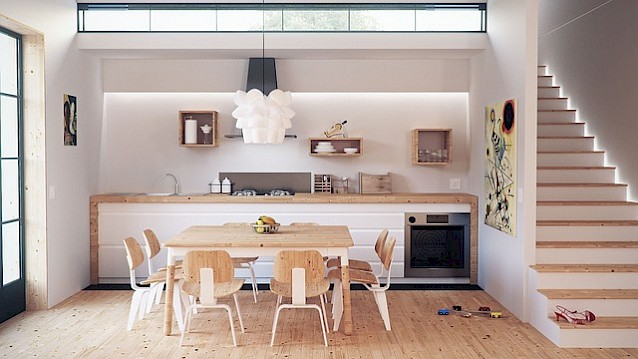
They can work on their own or alongside other professionals, such as architects and builders, to create interiors that are both functional and attractive. Their work can range from advising on structural alterations, furniture selection, color schemes and lighting.
Fashion Design
Fashion designers create clothing, shoes and other accessories. They use their creative expertise and knowledge of sewing, and manufacturing processes to set trends in color, fabric, and style.
High-profile designers often specialize in creating luxury products, while most designers work on clothing for the mass market, focusing on certain lines, such as sportswear, men's suits, or knitwear.