Criminalist
What is a Criminalist?
A criminalist is someone who helps investigate crimes by collecting and analyzing physical evidence. Most specialize in both crime scene investigation and laboratory analysis. Criminalists may work long hours under distressing conditions.
What does a Criminalist do?
At a crime scene, a criminalist may perform the following tasks:
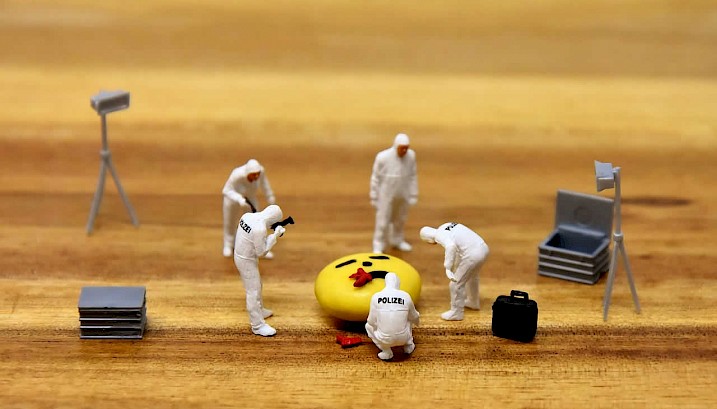
- Walk through the scene to determine what evidence should be collected and how.
- Take photographs of the crime scene and the evidence.
- Make sketches of the crime scene.
- Keep written notes of their observations and findings, such as the location and position of the evidence as found.
- Collect all relevant physical evidence, including weapons, fingerprints, and bodily fluids.
- Catalog and preserve evidence before transferring it to a crime lab.
Criminalists may use tweezers, black lights, and specialized kits to identify and collect evidence. In addition to processing crime scenes, they may also attend autopsies.
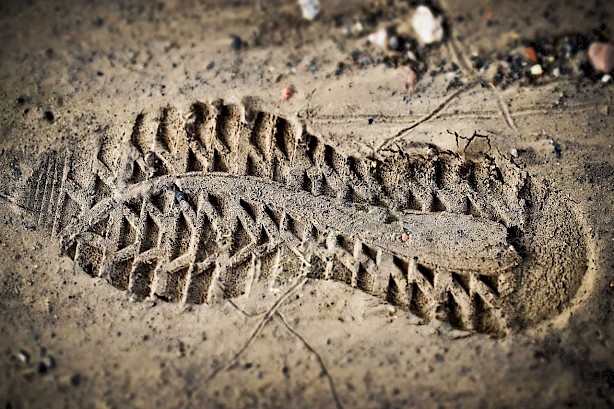
Criminalists who work in laboratories use chemicals and laboratory equipment such as microscopes when analyzing evidence. They also use computer databases to examine fingerprints, DNA, and other evidence collected at crime scenes in order to match them with people and things that have already been identified. Most criminalists who perform laboratory analysis specialize in a specific type of evidence analysis, such as DNA or ballistics.
All criminalists prepare written reports detailing their findings and investigative methods. They must be able to explain their reports to lawyers, detectives, and other law enforcement officials. In addition, they may be called to testify in court about their findings and methods.
What is a Criminalist's workplace like?
Criminalists must travel to different locations around a city or region because crimes can happen anywhere. Crime scene investigation can be distressing and unpleasant because investigators see many disturbing sights. Criminalists work staggered day or night shifts and may have to work overtime because they must always be available to collect evidence.