
Firefighter
What is a firefighter?
A firefighter is a highly qualified man or woman who works to combat and extinguish fires. They also take steps to prevent fires, act as emergency medical technicians, and investigate the causes of fires.
A firefighter is almost always the first officer "on the scene" of fires, car accidents, or other emergencies, which is why they are sometimes also called "first responders". Some firefighters are career professionals, while others volunteer in their communities.
What does a firefighter do?
There are four main responsibilities and duties: putting out fires, rescuing and caring for the sick and injured, working to prevent future fires, and investigating the sources of fires, especially in the event of a potential fire.
Fighting fires is a firefighter's primary duty. After receiving notification that a fire is in progress, a firefighter will put on the appropriate safety equipment before getting on board or driving one of several types of fire trucks. Some of the trucks carry or pump water, some are "aerial ladder" trucks that raise ladders to the upper floors of buildings, and some are rescue trucks that transport fire victims to emergency medical centers.
After arriving at the site, each firefighter works under a commanding officer and has a specific task to perform. Hose operators, for example, connect hoses to fire hydrants and then direct the flow of water toward the fire while a pump operator controls the flow of water. Others are responsible for entering burning buildings to rescue potential victims.
In the event of a car accident that does not involve a fire, a firefighter will use their training to care for the injured and secure the scene before ambulances and police arrive. They also act as rescuers in the event of natural disasters such as tornadoes, tsunamis, and earthquakes. Firefighters treat the victims of these disasters or search for the missing.
A firefighter also educates the public and works as an inspector to prevent fires. Inspectors ensure that local businesses comply with fire codes and ensure that fire escapes, alarms, and sprinkler systems are in place and in good working order. Some firefighters are trained as investigators to locate the source of fires and find evidence if arson is suspected.
In addition to firefighting responsibilities, firefighters must maintain fire apparatus and participate in regular drilling or training. They must also stay in excellent physical shape to withstand the physical demands of their job.
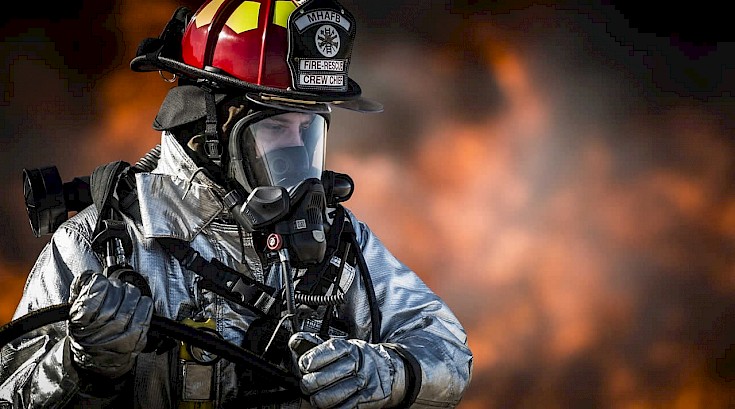
What is a firefighter's workplace like?
With the exception of part-time volunteer firefighters, most firefighters live and work in fire stations for long periods of time. Shifts usually last 24 hours, so a full crew is always present in case of fire. Each month, a firefighter works between 9 and 11 total shifts. In addition, they work during holidays and weekends to ensure that their community is safe from fire.
In the event of a natural disaster, a firefighter may work even longer hours in order to keep the public safe and rescue victims. Many of the situations they encounter are potentially fatal; many firefighters have lost their lives while working. A volunteer firefighter will face the same risks, but typically will not live at the fire station and will only be called when an emergency situation arises.