
Electronic Musician
What is an electronic musician?
An electronic musician is an artist who creates sounds and rhythms using electronic devices such as synthesizers, computers and sequencers.
They specialize in composing, performing and recording music within the various electronic genres. Their work can be for both live performances and studio productions, exploring the endless possibilities that technology brings to the musical field.
What is electronic music?
Electronic music is a genre that uses technology and electronic devices to generate sounds and compositions. It encompasses a wide variety of styles and subgenres, each with distinctive characteristics and rhythms, ranging from ambient to techno.
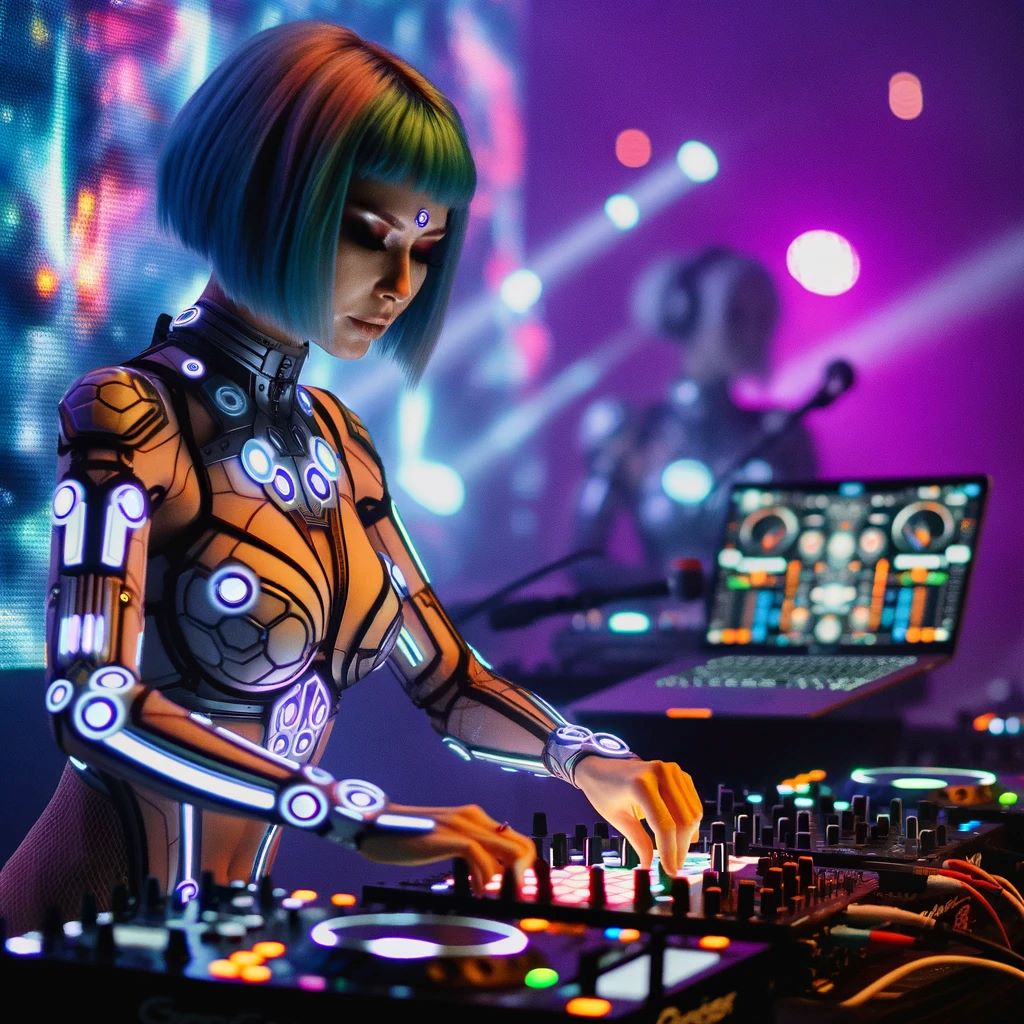
Its evolution has been driven by advances in hardware and software, making the electronic musician a pioneer in sound experimentation.
In the dynamic world of electronic music, there are talents who fuse art with technology to create unique and captivating auditory experiences.
Amid neon lights and futuristic sounds, electronic musicians explore new sonic horizons, taking their listeners on a journey through innovative and exciting soundscapes.
From international festival stages to the most advanced recording studios, these artists emerge as pioneers of the digital era, challenging the limits of creativity and musical expression.
Step into this fascinating universe where imagination meets technology.
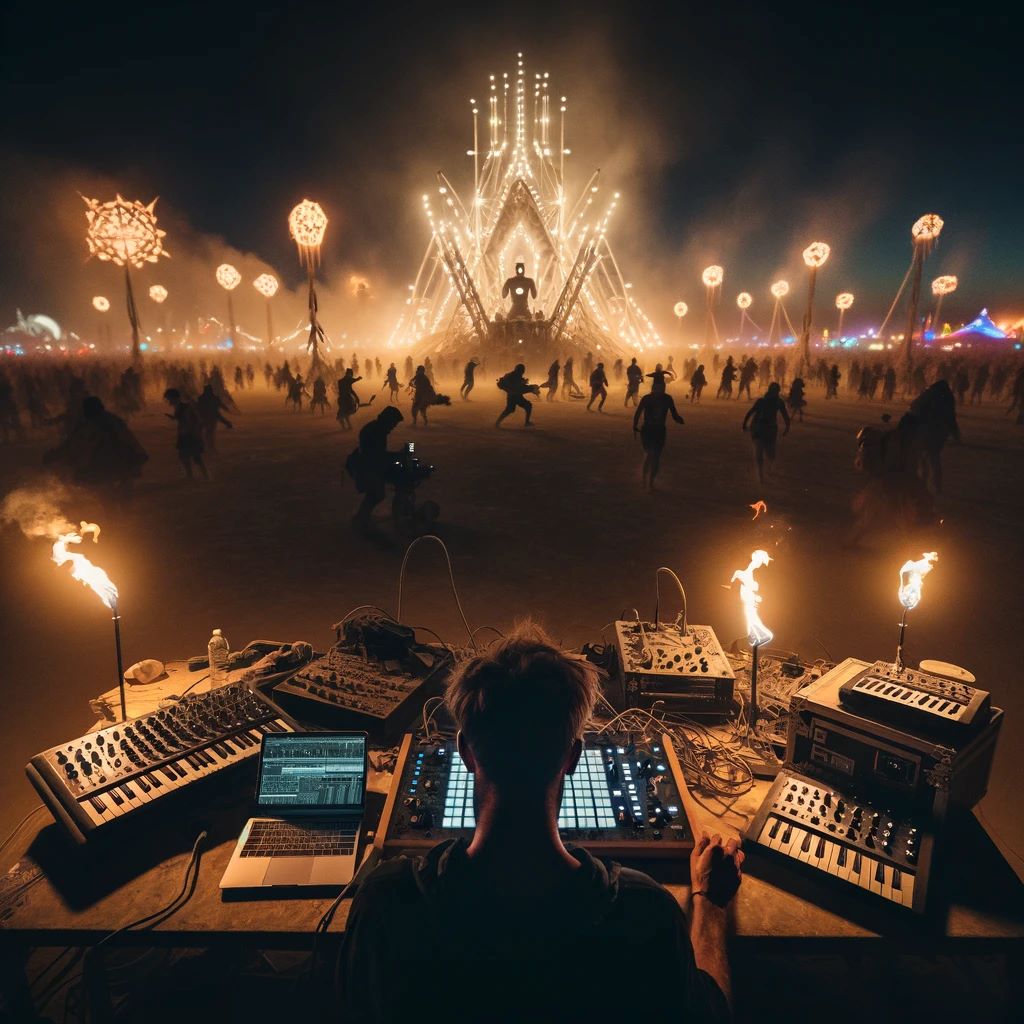
Careers in live music: Electronic musicians often perform at live events, festivals and clubs. They can be solo artists or part of electronic bands where they perform music in real time in front of an audience. Their ability to manipulate and create live music through electronic equipment makes them very well suited for this type of career.
Careers in music and audio tools: Electronic musicians are very familiar with a variety of music production tools and software, such as DAWs (Digital Audio Workstations), synthesizers, drum machines, MIDI controllers and more. They can pursue careers related to the design and development of these tools, as well as teaching how to use them.
Careers in the recording industry: Electronic musicians often work in recorded music production. They can work as music producers, sound engineers or mixers, using their skills to create and edit electronic tracks in recording studios.
Music careers in technology: Given the technological focus of electronic music, electronic musicians can move into careers related to music technology. This could include music software development, audio hardware design, research in audio signal processing, among other fields.
Careers in acting: Electronic musicians often perform live in front of audiences, either as soloists or as part of a group. In addition, some electronic musicians may also get involved in visual performances, using technologies such as video projection or interactive lighting to complement their music in live shows.
Careers in production: Electronic musicians can embark on music production careers, both for their own work and for other artists. This involves creating and manipulating music tracks using music production software, as well as collaborating with other artists to achieve the desired sound.
What type of academic or self-taught training is essential for someone who aspires to be an electronic musician?
Starting a career as an Electronic Musician doesn't involve a single path. Some opt for formal education in conservatories or universities with programs in music production. Others prefer a self-taught approach, taking advantage of online resources and personal experimentation. It's essential to understand music theory, how to use specialized software and equipment, as well as to develop creative and technical skills.
Are there university degrees or specialized programs for those who want to become professionals in electronic music?
Indeed, several institutions offer university degrees and specialized programs for those interested in developing a career as an electronic musician. These programs usually include subjects such as music production, sound design, and mixing and mastering, providing a solid foundation in both theory and practice. Upon completion, students are prepared to face the challenges of today's music industry.
What are the fundamental technical and creative skills for an electronic musician?
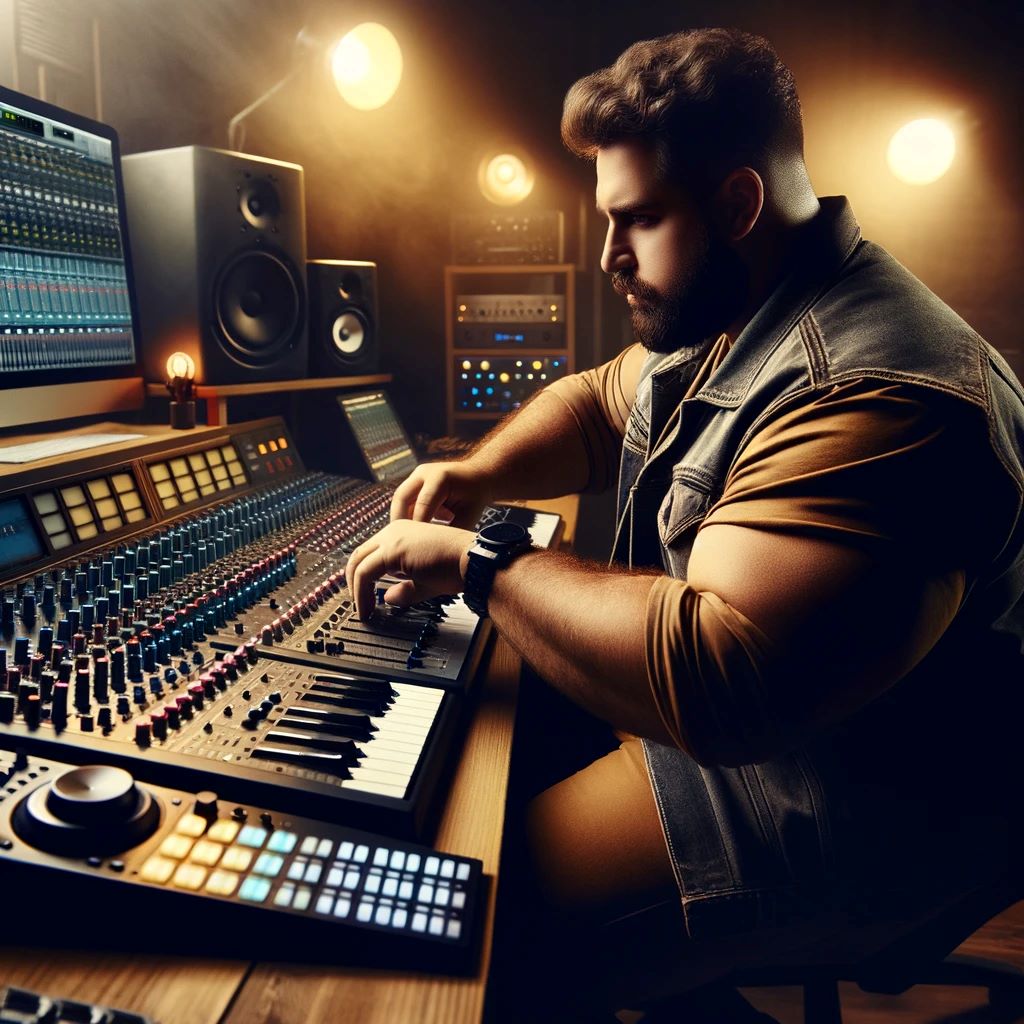
An Electronic Musician needs to know how to handle production software and understand music theory. Creativity plays a crucial role, as does the ability to experiment with sounds and structure compositions. Additionally, they benefit from skills in mixing and mastering and the art of live performance, to connect with the audience. Constant innovation and a unique personal signature are determining factors in a successful career as an electronic musician.
How important is knowledge of music production software and specific hardware for an electronic musician?
For an Electronic Musician, mastering production software and specific hardware is vital. These tools allow you to create, edit and perfect compositions, while also offering flexibility and control in the creative process. It is an essential component to develop a career in music and to forge a unique identity in the electronic musician career. Technical proficiency with these technologies sets professionals apart in a highly competitive market.
What subjects are the foundation in the training of an electronic musician (for example, music theory, music production, sound design, etc.)?
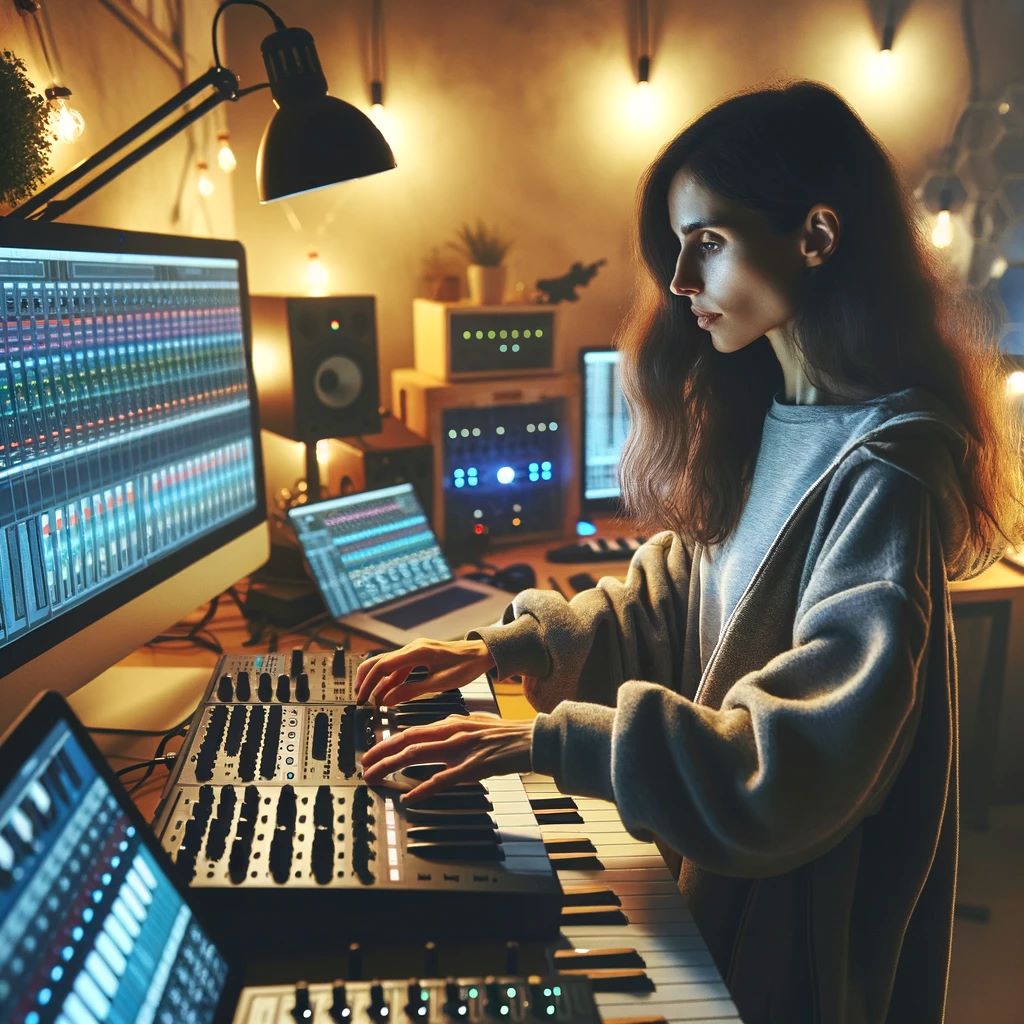
The electronic musician degree involves a series of fundamental subjects. Among them, music theory is essential for understanding the principles of creating melodies and harmonies.
Music production allows the artist to turn ideas into finished compositions. Sound design is crucial for creating unique textures and sounds, which define the musician's personal style.
Studies in music technology and sound engineering are also important, as they give the musician the necessary skills to handle specialized equipment and software.
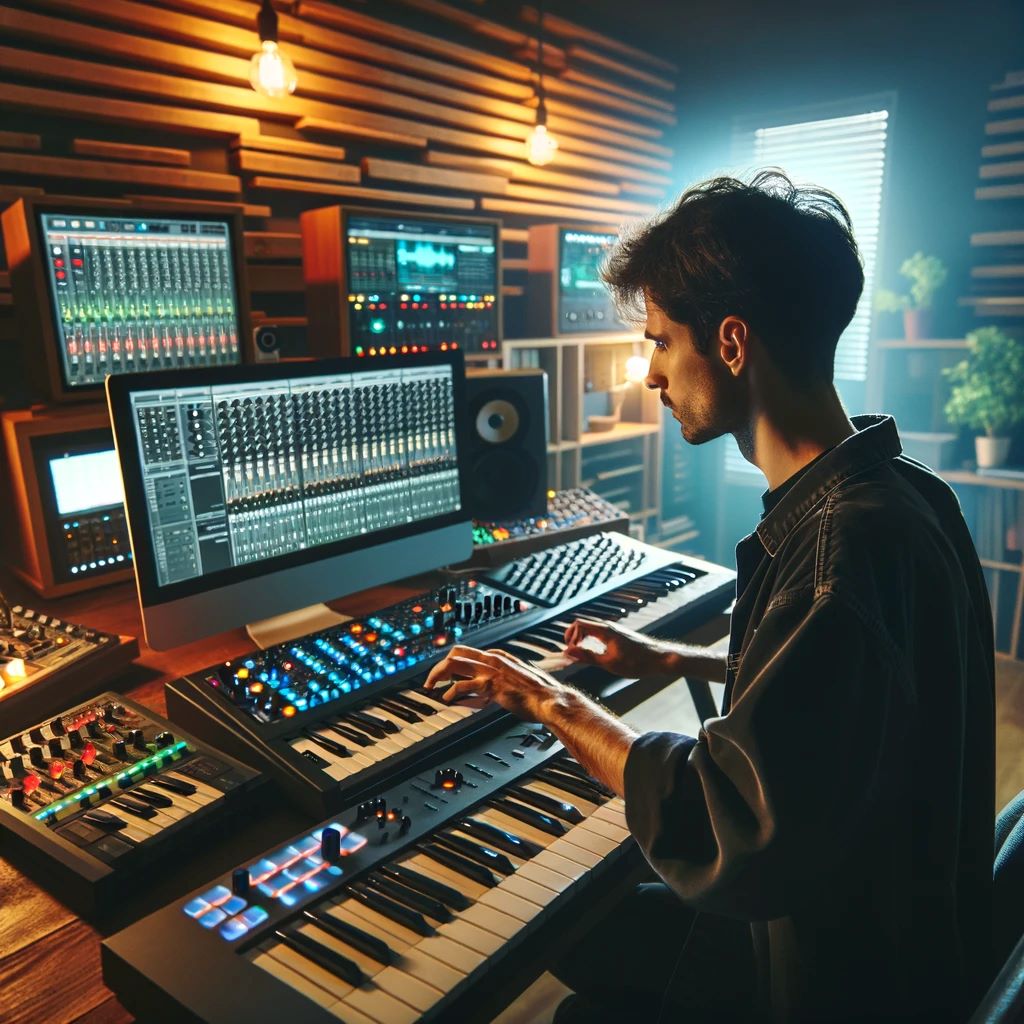
How does the study of acoustics and psychoacoustics contribute to the career of an electronic musician?
The study of acoustics and psychoacoustics is fundamental for an Electronic Musician as it explores how sounds are perceived and how they react in different spaces. This knowledge makes it possible to create immersive sound experiences and adapt productions to human hearing, a crucial aspect for the success of compositions in the electronic musician career.
What professional paths are available for an electronic musician apart from live performances and album production?
An Electronic Musician can diversify their career by getting involved in sound design work for video games or films, collaborating with artists from other genres, teaching workshops or courses in music production, creating music for advertisements and corporate events, or exploring soundscaping in artistic and experiential installations. In addition, they can work as resident DJs in clubs, produce remixes and edit tracks for other artists, or use their skills for managing their own record labels.
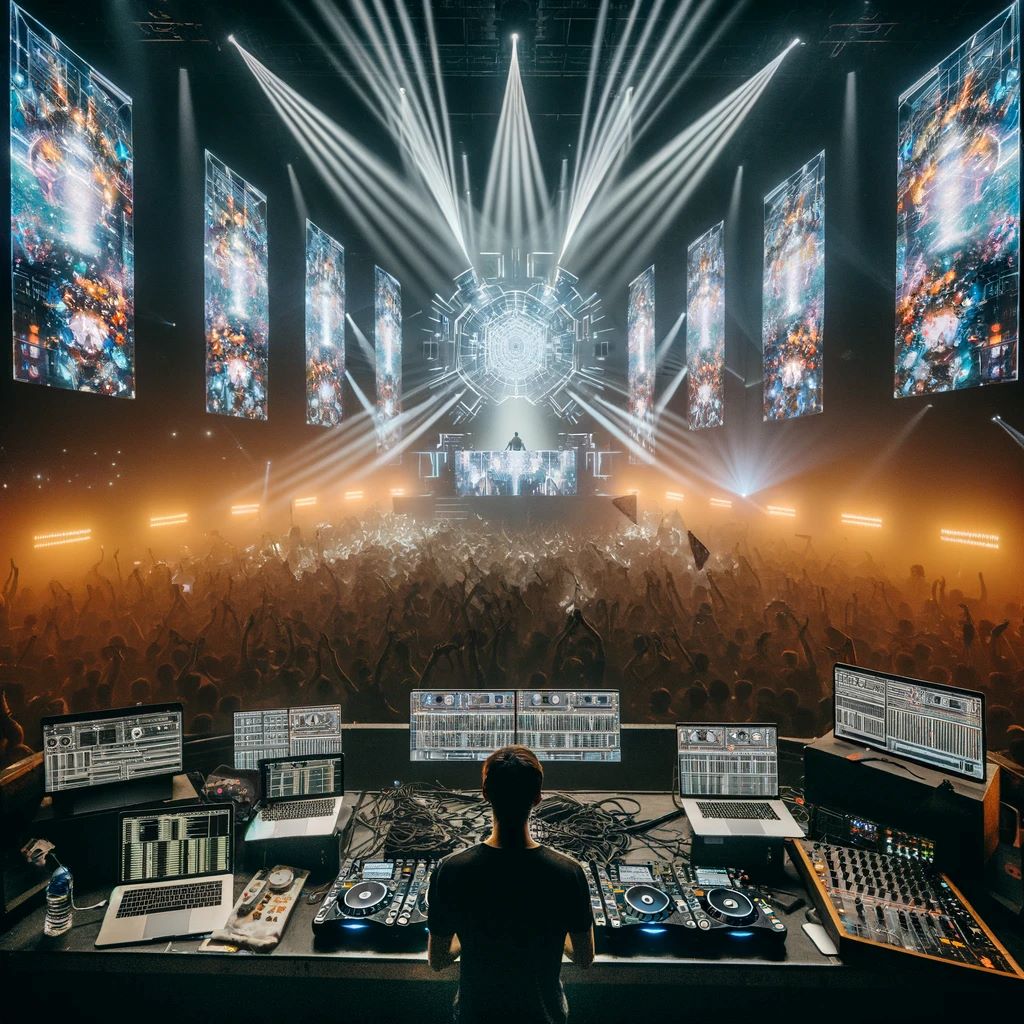
How can an electronic musician expand their career into fields such as sound design for video games, films, or art installations?
An Electronic Musician can diversify their career by moving into sound design for video games, film, and art projects. To do so, it is essential to gain skills in specialized audio software and understand the narrative language of these platforms. Collaborating with developers and filmmakers, and taking part in workshops or courses in applied sound, are key steps to joining these creative industries.
How do social media and streaming platforms influence an electronic musician's career today?
Social media and streaming platforms are vital for electronic musicians by giving them a global audience and accessible promotional opportunities. This allows for direct and efficient distribution of their music, as well as making it easier to interact with followers, build a fan base, and offering ways to measure the popularity and reach of their work.
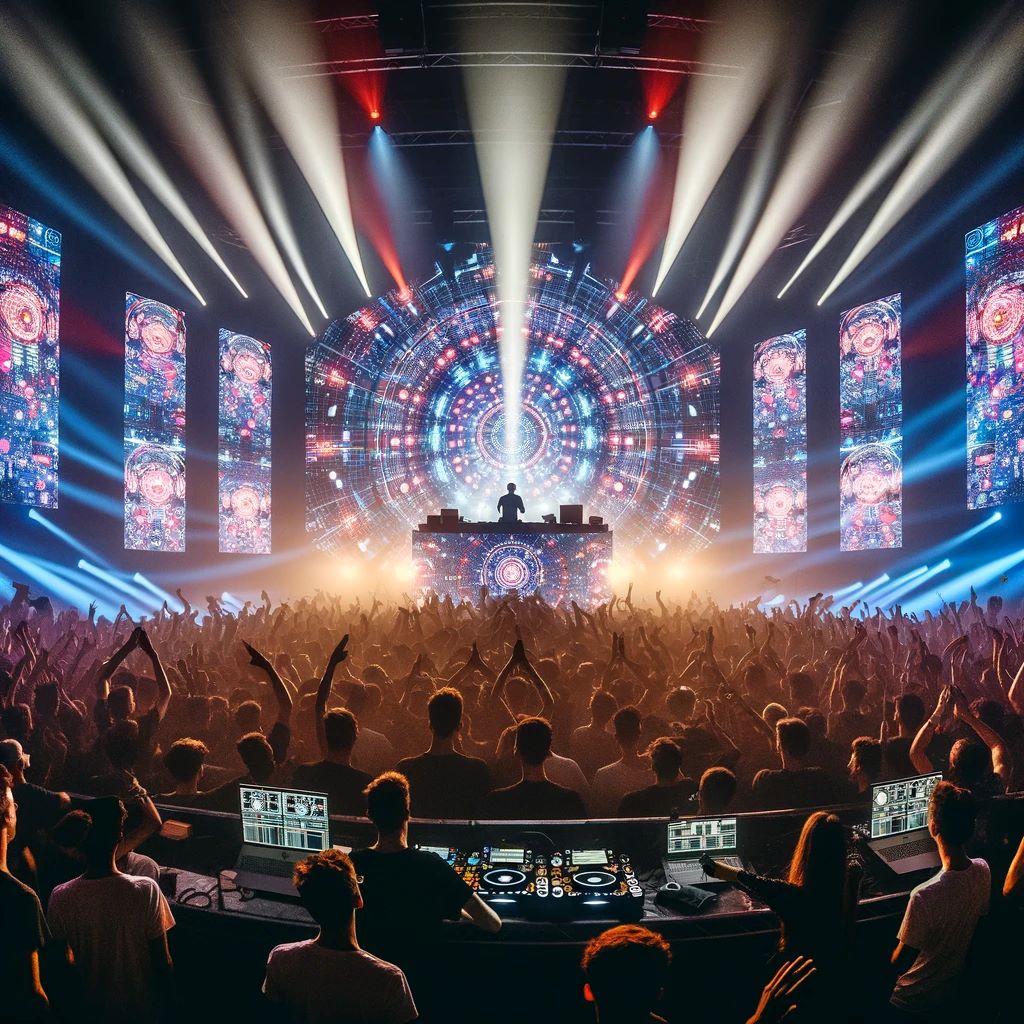
What additional skills can benefit an electronic musician in a highly competitive market?
To stand out, an electronic musician needs marketing skills, social media knowledge, and a strong personal brand.
The ability to collaborate with other artists and to understand market trends is also crucial. In addition, having business skills and knowledge of copyright management can be decisive in an electronic musician's career.
How can an electronic musician develop a unique style and stand out from other artists?
For an electronic musician to stand out, they must perfect a distinctive sound that reflects their artistic identity.
Experimentation and genre fusion can lead to innovative productions. Listening to diverse influences, staying up to date with the latest trends and technologies, and having a visual presence to accompany their electronic music are key to forging a unique career as an electronic musician.
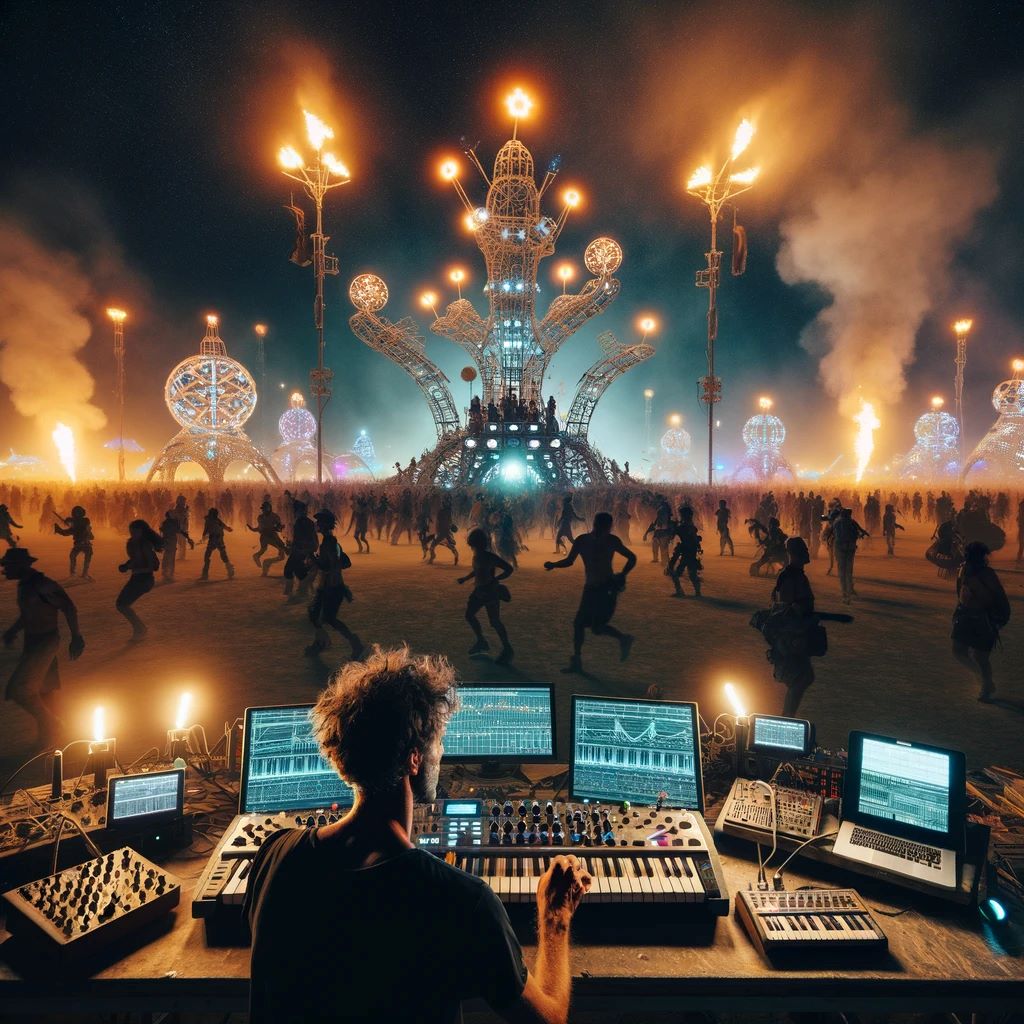
How can an electronic musician adapt to changes in the musical and technological landscape to remain relevant?
To stay relevant, the electronic musician must embrace innovation and continuously educate themselves on new trends and technological tools.
Constant experimentation and collaboration with other artists can foster their professional growth. Likewise, it is crucial to adapt their presence and marketing strategies on digital platforms and social media to connect with the audience effectively in the changing electronic music environment.
Origins of electronic music
Electronic music has its roots in the early 20th century, with the invention of devices such as the theremin and the Ondes Martenot. Pioneers like Karlheinz Stockhausen and Pierre Schaeffer experimented with new ways of producing sounds through technology, laying the foundations for the genres that would emerge later. Over time, it became a movement encompassing a wide range of styles and subgenres.
How have technological advances influenced electronic music production over the years?
Technological advances have been crucial to the evolution of electronic music. With the arrival of more advanced synthesizers, sequencers and music production software, electronic musicians have gained powerful tools to create complex sounds and unique textures. These innovations have allowed for greater experimentation and have led to the expansion of genres within the electronic realm, facilitating the emergence of new trends and styles.
What are the main genres and subgenres within electronic music and what characteristics distinguish them?
Electronic music encompasses a diversity of genres and subgenres, each with its distinctive elements. Techno is characterized by its repetitive, pulsating rhythm, while house is more melodic and often incorporates vocals. Trance is recognized for its hypnotic melodies and uptempo, and dubstep stands out for its prominent use of bass and syncopated rhythms. These barely scratch the surface of the rich variety offered by the electronic scene.
How can you identify the key differences between house, techno, trance, and dubstep?
To distinguish between these electronic music genres, it is essential to pay attention to their distinctive characteristics. House has warm rhythms and soulful vocals; techno, originally from Detroit, is more minimalist and mechanical. As for trance, it stands out for its melodic arpeggios and ethereal atmospheres. And finally, British dubstep is recognized for its slow tempo and mastery of deep bass with intense wobbles.
What basic tools does an electronic music producer need to start their career?
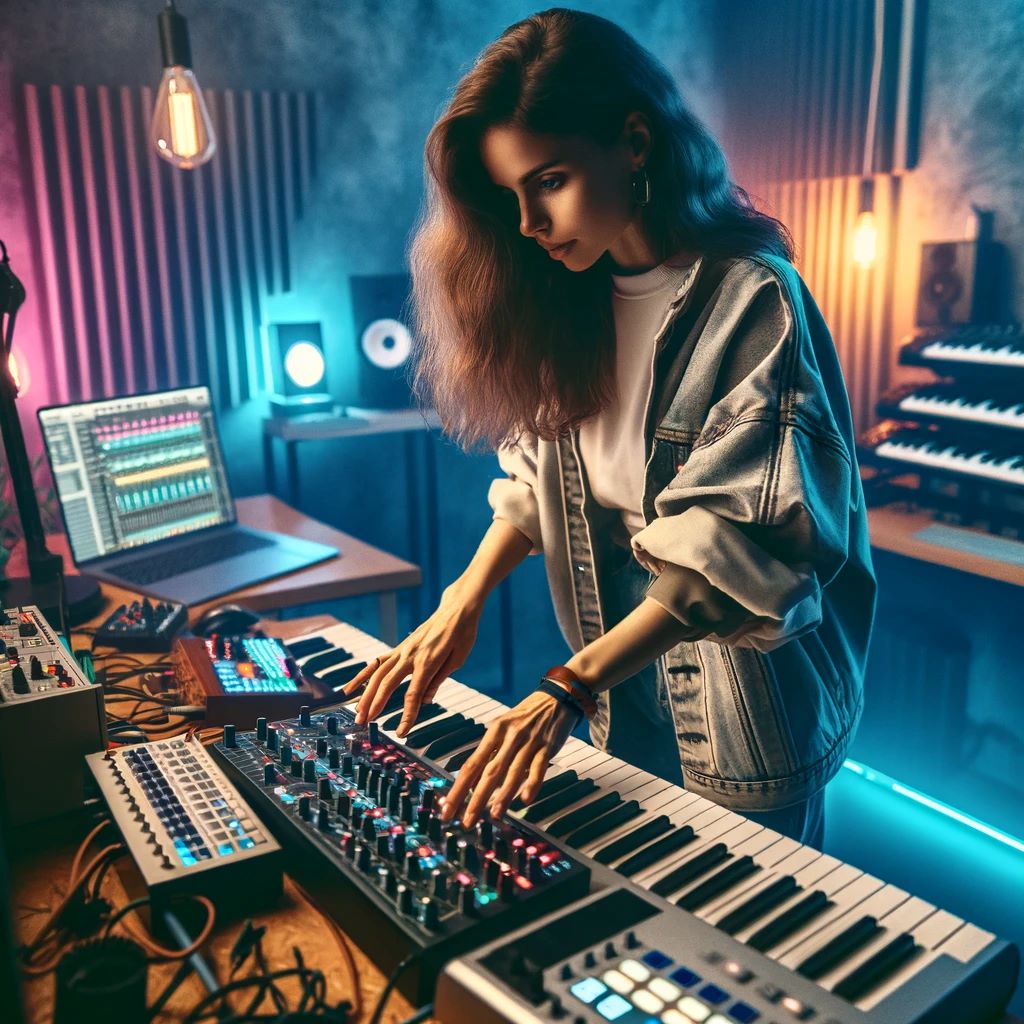
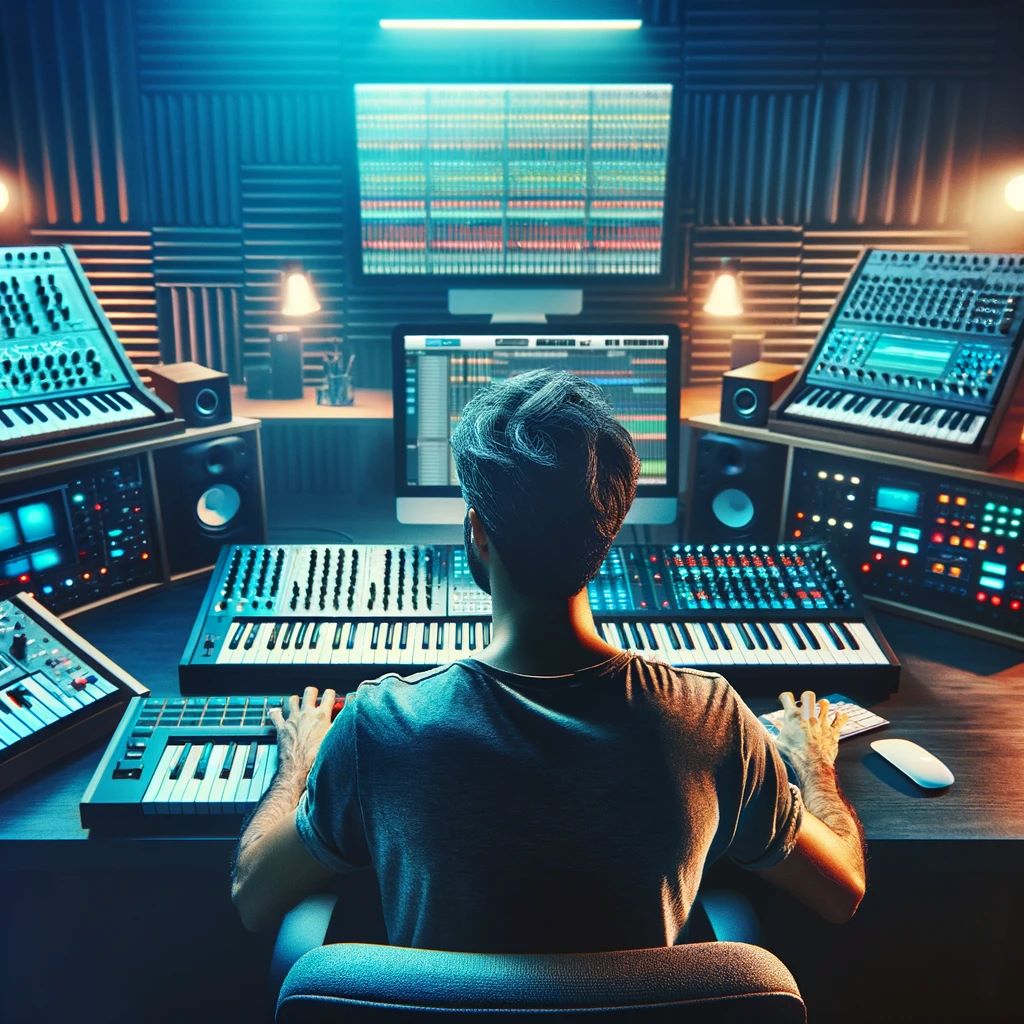
An electronic music producer requires DAW (Digital Audio Workstation) software, synthesizers, MIDI controllers, quality headphones, and studio monitors. Additionally, it is essential to have a powerful computer, audio interfaces, microphones, and optionally, traditional musical instruments to integrate organic sounds. These tools are the essential starting point for an electronic musician's career.
What are the essential elements in creating an electronic music track?
To create a track of electronic music several key components are needed: programmed rhythms, synthesized bass lines, melodies, and sound effects. Each one adds dynamism and texture to the piece. It is crucial that the electronic musician has command of production software, as well as skills in sound design and mixing, to integrate these elements in a way that is cohesive and exciting for the listener.
How has electronic music influenced popular culture and social movements?
Electronic music has left an indelible mark on popular culture, driving trends and fashions. Its energetic rhythm and innovative nature resonated with youth and countercultural movements, fostering spaces for alternative expression. Moreover, it has been a platform for social messages, promoting inclusion and uniting people from diverse backgrounds on the dance floor.
What elements make a live electronic music performance unique?
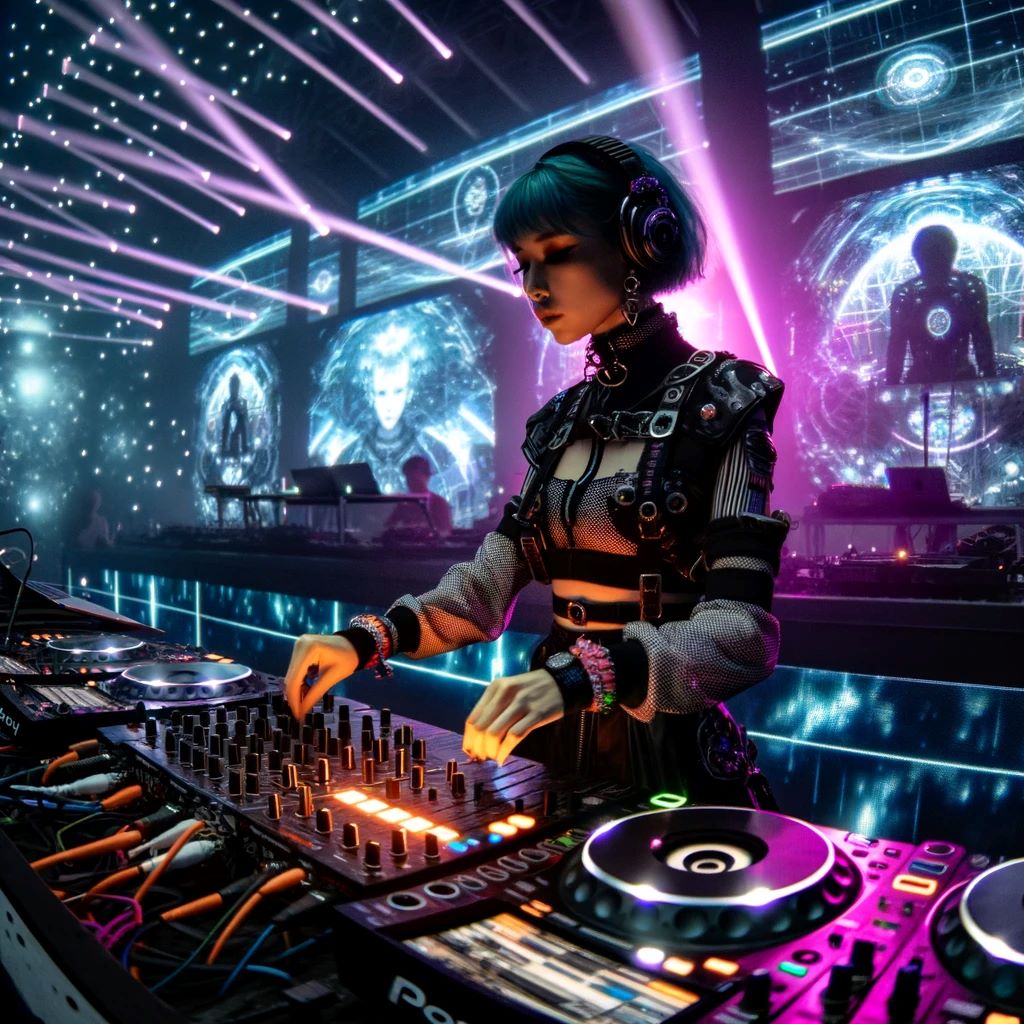
A live electronic music performance is distinguished by its energetic atmosphere and the interaction between the electronic musician and the audience. Elements such as synchronized visuals, dynamic lighting and high-fidelity sound systems create an immersive experience. Improvisation and real-time mixing offer a unique and unrepeatable show, tailored to the environment and the moment.
What are some of the most important electronic music festivals worldwide and what makes them stand out?
The most prominent electronic music festivals include Tomorrowland in Belgium, Ultra Music Festival in Miami and Electric Daisy Carnival in Las Vegas. They stand out for their impressive stages, world-renowned lineups and unique audiovisual experiences that attract enthusiasts of the genre from all over the planet, making them iconic events for the career of an electronic musician.
What are the main challenges facing electronic musicians today?
Market saturation and the difficulty of standing out are key challenges for an Electronic Musician. Staying up to date with changing trends and technology involves constant learning. In addition, monetizing their work through streaming platforms and social media can be complicated without an effective marketing strategy to boost a career in electronic music.
What strategies can electronic musicians use to stand out in a saturated market?
To excel in electronic music, artists must cultivate a unique sound and build a strong brand identity. collaboration with other musicians can expand their reach and live performances make the difference. In addition, it is essential to maintain a constant presence on social media and streaming platforms, and use marketing tactics such as exclusive releases or behind-the-scenes content to engage fans.
How are artists innovating within electronic music to keep the genre fresh and relevant?
Electronic musicians are innovating through genre fusion, exploring avant-garde sounds and incorporating current technology such as IA into music creation. Likewise, the use of immersive visuals and augmented reality experiences in live performances offers a new dimension to the genre. Constant experimentation and adaptability are key to the evolution of electronic music.
What emerging trends do you see in the future of electronic music?
In the future of electronic music, there is a growing integration of artificial intelligence for sound creation, as well as the exploration of blockchain technologies for copyright and distribution. In addition, virtual and augmented reality will transform the live concert experience, and greater personalization in music is expected through data analysis and streaming platforms.
Marketing and Career Management
In the career of an Electronic Musician, an effective marketing strategy is essential. This includes promotion on social media, distribution through streaming platforms and building a strong personal brand. Copyright management ensures that their creations are properly protected and monetized, being key to sustained success in the electronic music industry.
Promotion strategies for electronic musicians
For an Electronic Musician, an effective online presence is vital. They must manage social platforms and streaming services to give visibility to their work. Collaboration with influencers and other artists can expand their reach. Likewise, it is key to make consistent releases and use content marketing, such as blogs or videos, to generate interest around their musical career.
Personal brand management and copyright
The Electronic Musician must build a strong brand image, differentiating themselves in a saturated market. It is essential to protect their works through copyright to safeguard their music career and the economic benefits it may generate.
The proper management of these legal aspects and personal marketing is decisive for the success and sustainability of the electronic musician career.