
What is Mixed Reality?
Mixed Reality is a technology that combines elements of Virtual Reality and Augmented Reality to create interactive experiences that blend the physical world with virtual objects.
Mixed Reality has great potential and its application continues to grow, opening new opportunities in various areas of everyday and professional life.
Mixed Reality is applied in various areas and degrees: Entertainment, video games, education, design, architecture, medicine, industry, tourism, marketing, communication, remote collaboration.
Who created Mixed Reality?
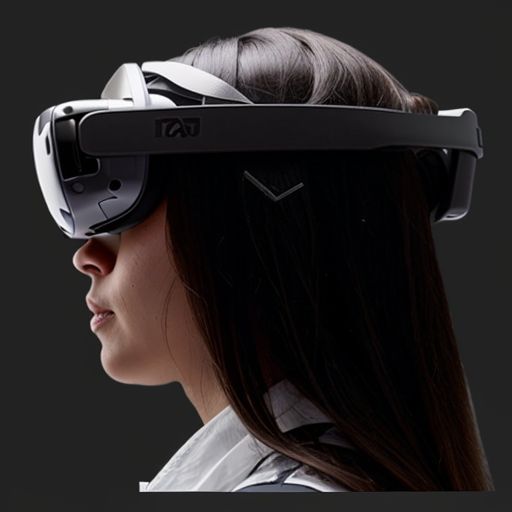
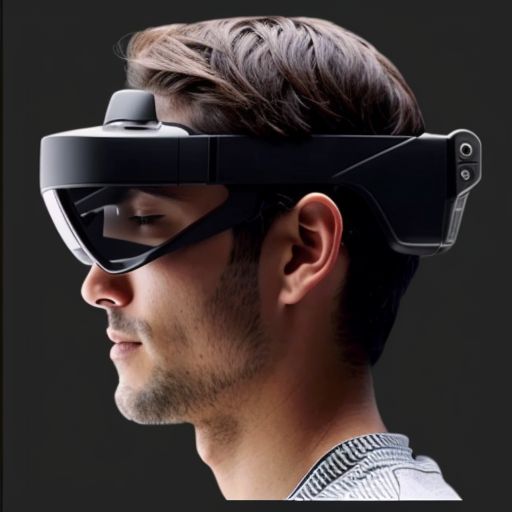
Mixed Reality is a technology that has been developed and popularized by various companies and institutions over time. However, one of the first and most prominent drivers of Mixed Reality was Microsoft with its device called "HoloLens" and its Windows Mixed Reality platform.
HoloLens combines elements of Virtual Reality and Augmented Reality to overlay virtual objects onto the real world and allow interaction with them.
Although Microsoft was one of the pioneers in this technology, many other companies have continued to develop and improve Mixed Reality since then. Companies like Magic Leap, Meta, Google have contributed significantly to the development of Mixed Reality.
Companies creating Mixed Reality devices and applications:
Magic Leap: This company is known for its Mixed Reality device called "Magic Leap One". It has worked on advanced display technologies to provide immersive experiences. Magic Leap is an eclectic group of people who share a magical vision of the future, its mission is to bring people and technology together to create a better and more unified world.
Meta Quest Pro: has ventured into Mixed Reality along with its successful Virtual Reality devices.
Varjo: manufactures virtual reality and mixed reality products and services for advanced VR users, its retinal-resolution devices are used to train astronauts, pilots and nuclear power plant operators, and to design cars.
Digilens: is an innovative team focused on designing, inventing and perfecting optical solutions for the next generation of mobile computing devices that will enable the market to shift from handheld devices to head-worn devices.
Vuzix: This company has specialized in creating Augmented and Mixed Reality glasses, providing innovative optical products for clients in defense, security and enterprise.
Tietronix: Has a long history in the field of Virtual Reality and Mixed Reality (VR/MR). They started with an early NASA grant.
How is Mixed Reality applied?
The application of Mixed Reality can vary depending on the context and the industry in which it is used, for example in business training it is used to train workers in specific tasks without the associated risks. In Entertainment for more immersive and engaging gaming experiences, where virtual objects are superimposed on the real world, it also allows geographically dispersed work teams to interact and collaborate on projects as if they were present in the same place. In tourism to provide experiences and showcase tourist destinations in a more attractive way. In the hospital field it is applied in rehabilitation therapies, medical imaging visualization, and to improve precision in surgical procedures.
Mixed Reality can be experienced through devices such as Mixed Reality glasses or headsets, which allow the user to see and interact with virtual objects superimposed on the real world. It can also be accessible through applications and software designed specifically for mobile devices and computers.
Which professionals work in Mixed Reality?
Some of the professionals who work on Mixed Reality projects include:
Programmers and developers of applications who create interactive experiences and applications for Mixed Reality devices.
3D Designers and digital artists: They are responsible for creating 3D models, animations and visual elements that are integrated into the mixed environment.
Engineers: They work on the design and development of Mixed Reality devices, such as glasses or headsets, to improve the user experience.
UX/UI Designers: They focus on user experience and the design of intuitive interfaces to facilitate interaction in mixed environments.
Virtual and Augmented Reality Experts: They contribute technical knowledge in combining both technologies to achieve an effective Mixed Reality experience.
Medical professionals: In the medical field, doctors and therapists work on integrating Mixed Reality for simulation, training and rehabilitation applications.
Architects and engineers: They use Mixed Reality to visualize and collaborate on architectural design and engineering projects.
Educators and instructors: They incorporate Mixed Reality into the teaching process to offer more interactive learning experiences.
What skills are needed to work in Mixed Reality?
To work in the field of Mixed Reality, you need a diverse set of skills and knowledge. Some of the key skills required to develop and work with this technology include:
Programming and software development: Mastering relevant programming languages such as C#, C++, Python or JavaScript, as they are used in creating Mixed Reality applications and experiences.
3D design and modeling: Knowledge of designing and creating 3D models and animations, using tools such as Blender, Maya, Unity, or Unreal Engine.
Virtual and Augmented Reality experience: Understanding the concepts and technologies related to Virtual and Augmented Reality, since Mixed Reality combines both.
User interface development: Designing intuitive and engaging interfaces so that users interact with mixed environments effectively.
Creativity and visual design: Ability to conceive and create immersive and engaging experiences, leveraging the interaction between the virtual and the real.
Collaboration and teamwork: Mixed Reality is an interdisciplinary field, so it is essential to work with other professionals to achieve successful results.
Problem solving: Being able to address technical challenges and find innovative solutions to improve Mixed Reality experiences.
Knowledge of math and physics: To achieve realistic interactions and simulations, a solid understanding of mathematical and physical concepts is required.
Adaptability and continuous learning: Mixed Reality technology keeps evolving, so it is essential to stay up to date with the latest trends and advances.
Where do you learn about Mixed Reality?
To learn about Mixed Reality, there are various educational options available that will allow you to acquire knowledge and skills in this exciting technological field.
Virtual courses: Virtual learning platforms that offer courses on Mixed Reality, taught by industry experts.
Official documentation and tutorials: Mixed Reality device manufacturers like Microsoft with HoloLens and Magic Leap provide official documentation and tutorials on their websites to learn how to develop for their platforms.
Books and printed resources: There are several books on Mixed Reality and Augmented and Virtual Reality application development that can provide a deeper understanding.
Events and conferences: Attend conferences, workshops and events related to Mixed Reality to learn from experts and keep up with the latest trends.
In short, Mixed Reality is a revolutionary technology that combines the best of Virtual Reality and Augmented Reality. Its ability to overlay virtual elements onto the real world has found applications in various industries.
Mixed Reality will transform the way we work, learn and entertain ourselves, offering a new level of interaction and understanding. Get ready to immerse yourself in an exciting universe of possibilities, because the future of Mixed Reality is here to change everything.
Welcome to a new era of immersion and discovery!