
Introduction to Virtual and Augmented Reality
Virtual and augmented reality are emerging technologies that have gained popularity in recent years. These technologies allow the creation of immersive and enriching experiences for users, which makes them valuable tools in various fields, from entertainment to education and medicine.
What is Virtual and Augmented Reality?
Virtual reality is a technology that allows users to immerse themselves in a computer-generated virtual world.
Users can interact with this world through devices such as virtual reality glasses and motion controllers.

On the other hand, augmented reality combines virtual elements with the real world. Users can see virtual elements overlaid on the real world through devices such as smartphones and tablets.
You may also be interested in reading the article: What is a virtual reality developer?
Differences between virtual and augmented reality
The main difference between virtual and augmented reality is that virtual reality creates a completely new virtual world, while augmented reality overlays virtual elements onto the real world. In addition, virtual reality requires specific devices such as virtual reality glasses, while augmented reality can be experienced through smartphones and tablets.
Applications of virtual and augmented reality
Virtual and augmented reality have applications in various fields, from entertainment to education and medicine.

Entertainment and video games
Virtual and augmented reality have revolutionized the entertainment and video game industry. Users can immerse themselves in virtual worlds and experience games in a completely new way.
Education and training
Virtual and augmented reality are increasingly being used in education and training.
Virtual reality, immersive learning and augmented reality allow students to experience situations and environments in a more realistic way.
On the market there are different educational offerings, of degrees in virtual reality, for example: the degree in virtual reality and video games (engineering), the master's degree in virtual, augmented and mixed reality development and certification programs, such as that of technician in virtual and augmented reality, the course in virtual and augmented reality.
Health and medicine
Virtual and augmented reality are being used in medicine for the treatment of mental disorders and for the training of health professionals. These technologies allow patients to experience situations in a safer and more controlled way.
Architecture and design
Virtual and augmented reality are being used in architecture and design for project visualization and the creation of virtual prototypes.
Industry and manufacturing
Virtual and augmented reality are being used in industry and manufacturing for worker training and process visualization.
Hardware needed for virtual and augmented reality
For virtual reality, devices such as virtual reality headsets and motion controllers are required. For augmented reality, smartphones and tablets can be used.
Software and platforms for creating virtual and augmented reality experiences
There are various platforms and tools for creating virtual and augmented reality experiences, such as Unity, Unreal Engine.
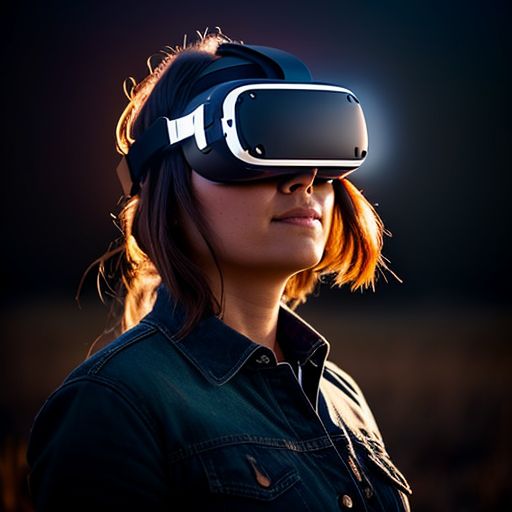
What to study to work in augmented reality?
To work in augmented reality there are educational offerings of undergraduate university degrees such as Computer Science or Software Engineering, programming and software development.
There are also course, bootcamp and Master's offers: User Experience (UX) Design and Interaction Design: Creating intuitive experiences, Modeling and animation of virtual objects, Object recognition and feature detection, Use of sensors to interact with the physical environment, Creation of applications for mobile devices, Machine Learning and Computer Vision: Improved object tracking and recognition.
In many jobs they request software experts, specifically, in virtual and augmented reality as well as interface design experts, in industrial engineering, in visual content design and in immersive experiences. These professionals are required to develop the technological infrastructure, intuitive tools and visual content needed to build the metaverse.
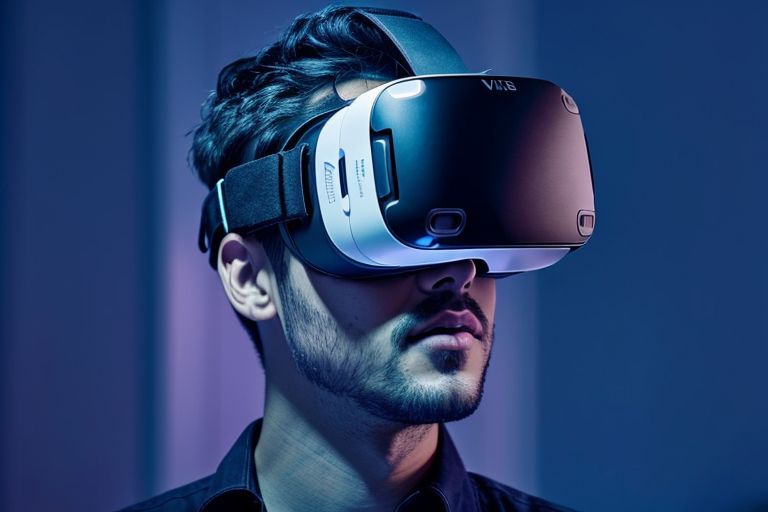
4 degrees that are needed to build the metaverse
Building the metaverse requires multidisciplinary collaboration. Four fundamental degrees to contribute are: Design, (especially Interaction Designers) Software Engineering, Industrial Engineering, Sound Engineering. These professionals play key roles in developing the technological infrastructure, intuitive interfaces, visual content and immersive experiences needed to create the shared virtual world of the metaverse.
Salary of a virtual reality developer
The market salary for a freelance virtual reality developer is 90 dollars an hour.
How to focus your career on the world of virtual reality?
Some steps you can follow if you want to focus your career on the world of virtual reality:
- Research and select a relevant degree or specialization, such as Software Engineering, Graphic Design, Virtual Reality, university master's degree in virtual reality or any other discipline related to virtual, augmented or mixed reality.
- Look for educational programs, virtual courses or certifications that give you a solid foundation in these fields.
- Get familiar with the main virtual reality development platforms and tools and participate in hands-on projects to gain practical experience.
- Create your own virtual reality projects or collaborate with others to build an impressive portfolio. This will allow you to demonstrate your skills and knowledge to future employers or clients.
- Join online communities and attend events related to virtual reality. This will allow you to stay up to date on the latest industry trends and opportunities, as well as meet professionals in the field.
- If possible, look for opportunities to work on virtual reality projects, either as an intern or volunteer. This will provide you with practical experience and contacts in the industry.
- Share your knowledge and learnings in forums, blogs or social networks related to virtual reality. Contributing to the community will help you strengthen your professional profile and establish valuable connections.
- Virtual reality is a constantly evolving field. Stay informed about the latest technologies, trends and advances in the field, and keep learning and continuously improving your skills.
If you want to become an expert in virtual reality, you must acquire specific knowledge and skills that allow you to stand out from the competition. Practice constantly and keep an open mind to learn new technologies. Explore projects and opportunities to develop your skills and knowledge.
Remember that the key to focusing your career on virtual reality is passion, perseverance and willingness to keep learning. Thus, virtual and augmented reality can be an excellent opportunity to develop a successful career.