
UX Designer
A user experience (UX) design professional is dedicated to optimizing the interaction between users and products or services.
Their work involves conducting research to understand user needs and behaviors, designing intuitive and attractive interfaces, creating interactive prototypes and conducting usability testing.
The main goal is to improve usability, accessibility and user satisfaction, delivering smooth and memorable experiences.
A UX design professional focuses on creating user-centered solutions that combine functionality, aesthetics and satisfaction.

Where does a user experience (UX) design professional work?
A user experience (UX) design professional can work in a variety of environments and organizations. Some of the common places where a UX designer can find employment are:
Technology companies: From SMEs to large tech corporations, many companies hire UX designers to improve the usability and experience of their digital products.
Design and consulting agencies: Design and consulting agencies offer UX design services to clients from different industries, working on specific projects to improve the user experience.
Software development companies: Companies dedicated to software development often employ UX designers as part of their teams, working closely with developers to create intuitive user interfaces.
Media and publishing outlets: Media and publishing companies can hire UX designers to improve the user experience on their digital platforms, such as websites and mobile applications.
E-commerce companies: Companies operating in e-commerce often hire UX designers to optimize the shopping experience on their digital platforms and increase customer satisfaction.
In addition to these common workplaces, a UX designer can also work independently as consultant, offering UX design services to various organizations and projects.
Job opportunities for UX designers may vary depending on geographic location and the specific job market.

The user experience (UX) designer is involved in various processes throughout the product development or service cycle.
Some of the processes in which a UX designer can play a key role are:
User research: The UX designer conducts research to understand users' needs, goals and behaviors. This involves collecting data through interviews, surveys, observations and analysis of existing data.
Requirements definition: Based on user research, the UX designer works on defining the requirements and objectives of the product or service. Establishes the features, characteristics and constraints to be taken into account during design.
Interaction design: The UX designer creates the structure and interaction flow of the product or service. Defines how users will navigate the interface, how they will interact with the elements and how the information will be presented.
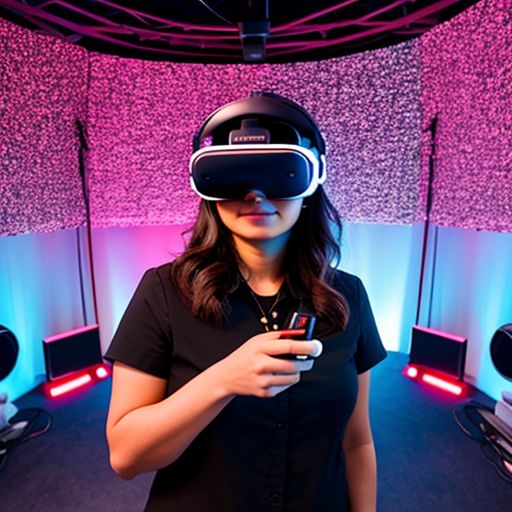
Visual design: The UX designer is responsible for designing the visual appearance of the product or service. Defines the aesthetics, colors, typography and visual elements that will make up the interface, ensuring that they are consistent with the brand identity and provide an engaging experience.
Prototyping and testing: The UX designer creates interactive prototypes of the product or service to test with real users. These tests help evaluate usability, detect problems and make improvements to the design.
Evaluation and analysis: The UX designer collects and analyzes data from the tests and evaluations conducted. They use this data to identify areas for improvement, optimize the user experience and make adjustments to the design.
Multidisciplinary collaboration: The UX designer works closely with other professionals, such as developers, graphic designers, marketing specialists and project management teams. Multidisciplinary collaboration is essential to ensure that the UX design is implemented effectively and meets the project objectives.
These processes are carried out together with the overall development of the product or service. The UX designer plays a key role in ensuring that the user experience is intuitive, engaging and satisfying throughout the entire process.
The Digital Rebirth: The Story of Nora, User Experience Specialist
Nora had always had a special talent for seeing the world from different perspectives. That ability led her to become a user experience (UX) specialist at Innovate Web, a web design and development agency with a growing list of clients.
One day, the agency received a challenging project. It involved redesigning the website of a bookstore chain that, although successful in physical sales, was failing to capture the public's attention online. The bookstore's managers were worried; they knew that if they did not adapt to the digital world, they would be left behind.
From the start, Nora knew this was not an ordinary project. Although many would see only the need to improve the design and navigability, she understood there was something deeper: a lack of emotional connection with users.
Before diving into sketches and wireframes, Nora decided to do something she loved: talk to people. She organized several feedback sessions with regular bookstore customers and users who had visited the website but had not made any purchases. Her goal was simple but essential: to understand their needs, desires and frustrations.
The results were revealing. Customers love the experience of strolling through bookstores, of browsing books and feeling their weight, of discovering hidden gems on the shelves. But that charm was completely lost on the website, which felt cold and complicated.
With this valuable data in hand, Nora got to work. She made sure that every element on the website, from the typography to the colors, evoked the same feeling of warmth and discovery that customers associate with physical stores. In addition, she simplified navigation so users could easily find what they were looking for.
But the finishing touch was a virtual tour of the chain's most iconic stores, allowing users to explore the shelves as if they were there. Nora knew this would connect with customers' emotions, creating a bridge between the physical and digital experience.
Finally, launch day arrived. The response was overwhelming. Visits to the website skyrocketed, and more importantly, the conversion rate increased significantly. User feedback reflected exactly what Nora had been aiming for: they felt connected, understood and, above all, happy.
During the project follow-up meeting, the CEO of the bookstore chain couldn't hide his excitement. "You've done more than redesign a website, you've captured the essence of who we are and brought it into the digital world."
Nora smiled, aware that her user-centered approach had made the difference. She was already thinking about her next challenge, but in that moment she allowed herself to enjoy the impact she had achieved, confirming once again that understanding and connecting with people is the key to creating truly meaningful experiences.