
UI Artist
A User Interface (UI) Artist is a creative specialized in the visual and aesthetic design of digital interfaces. Their goal is to create attractive and functional designs that improve the user experience.
The User Interface artist works in collaboration with designers of user experience and developers, the UI artist is responsible for selecting colors, fonts and graphic elements, and ensuring visual coherence throughout the interface. Their focus on aesthetics and usability helps create impactful and effective interfaces.
What does a User Interface (UI) Artist do?
The User Interface (UI) Artist plays a fundamental role in the design of digital interfaces.
Their responsibilities include:
Visual design: Create attractive and aesthetically pleasing designs for user interfaces, selecting colors, fonts, icons and graphic elements.
Interactive element design: Design buttons, sliders, menus and other interactive elements to improve usability and user experience.
Creation of wireframes and prototypes: Use design tools to create visual layouts and interactive prototypes that represent the structure and functionality of the interface.
Visual coherence: Maintain consistency in visual design throughout the interface, ensuring that visual elements are aligned with the brand identity and project objectives.
Testing and optimization: Conduct usability tests and gather user feedback to make improvements to the interface design, ensuring a smooth and satisfying experience.
Team collaboration: Work in close collaboration with user experience designers, developers and other professionals to ensure successful implementation of the design.
The User Interface Artist focuses on aesthetics, usability and user experience, creating impactful and functional visual designs for digital interfaces.
What software and tools does a user interface (UI) artist use?
User interface (UI) artists use a variety of software and tools to create visually appealing and functional interface designs. Some of the main tools they typically use are:
Tools that improve collaborative workflows, such as Omniverse Connector, which connect their software and NVIDIA Omniverse™ is a platform that allows users and teams to develop 3D workflows and applications based on Universal Scene Description (USD).
Collaborative design tools like Figma that allow designers to create interface designs, prototypes and collaborate with other team members in real time.
Animation tools like Rive that allow you to create engaging designs and interactive animations that run anywhere.
User interface software specifically designed for UI designers. It allows you to create wireframes, screen layouts and interactive prototypes, for example Sketch, a vector and user interface design application.
Classic image editing tools for example from the Adobe product family, such as Photoshop is widely used to create and edit visual interface elements, such as buttons, icons, backgrounds and other graphic elements.
These are just some of the common tools used by user interface artists. The choice of software may vary depending on individual preferences, project needs and the specific tools required by the organization or design team.
What is the process of creating a user interface like?
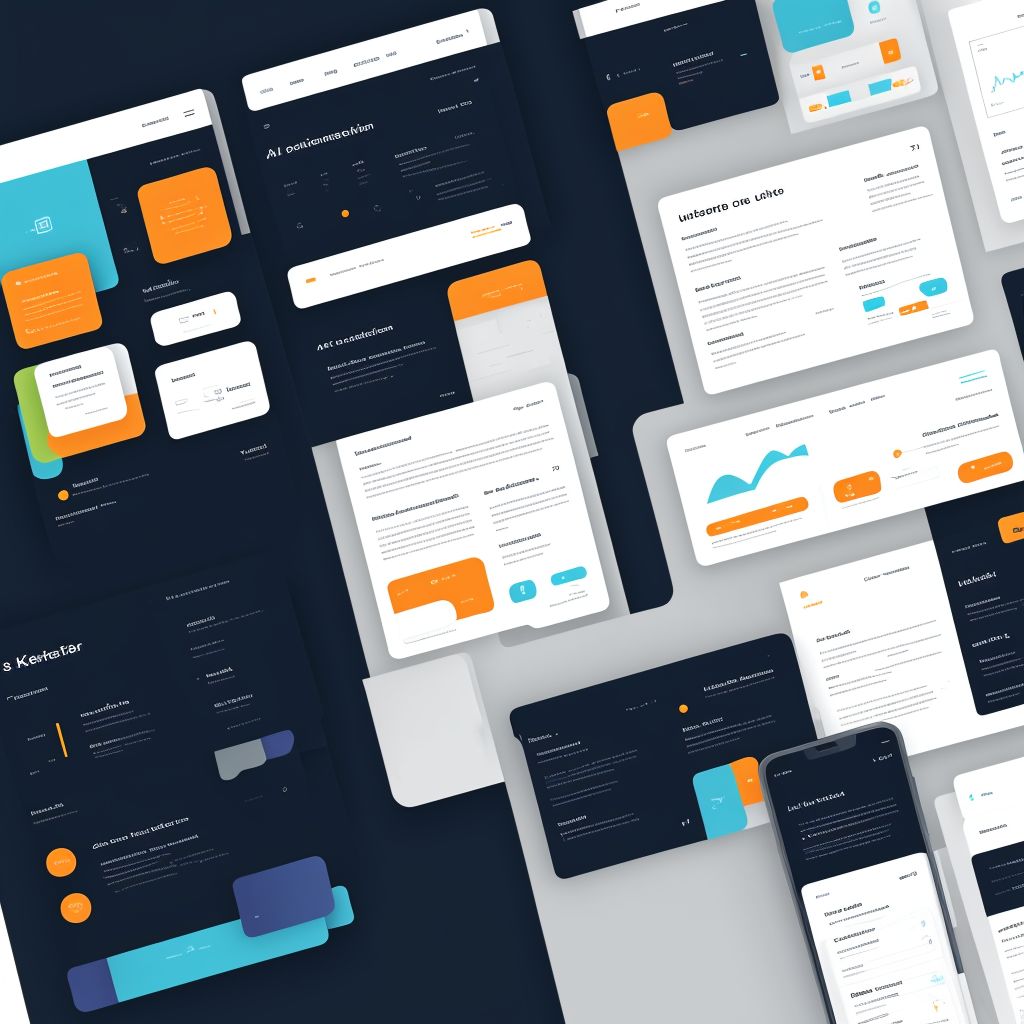
The process of creating a user interface (UI) generally follows these steps:
User research and understanding: An in-depth study is conducted of the target audience, their needs, behaviors and preferences. This includes researching market trends and analyzing the competition.
Definition of goals and requirements: The project goals and the specific requirements of the interface are established. This involves identifying the necessary features, key characteristics and goals to achieve.
Creating sketches and wireframes: Sketches and wireframes are developed that represent the structure and general layout of the elements in the interface. This helps visualize the design and make early adjustments before moving on to visual details.
Visual design: Colors, typography, icons and graphic elements are selected to create an attractive and consistent aesthetic. Visual styles are defined and applied to the different elements of the interface.
Development of interactive prototypes: A functional prototype of the interface is built to test interaction and usability. This helps identify potential improvements and adjustments before final implementation.
Usability testing: Tests are carried out with real users to evaluate the ease of use and experience of the interface. Feedback is collected and iterations are made to optimize the design.
Implementation and development: The final implementation of the interface is carried out in the desired technological environment, working in close collaboration with developers and other professionals involved in the project.
Evaluation and continuous improvement: Once the interface is in use, its performance is monitored and user feedback is collected to make continuous improvements and keep it up to date.
It is important to note that this process may vary depending on the needs and characteristics of the project, as well as the methodology used by the design team.
Where does a User Interface (UI) Artist work?
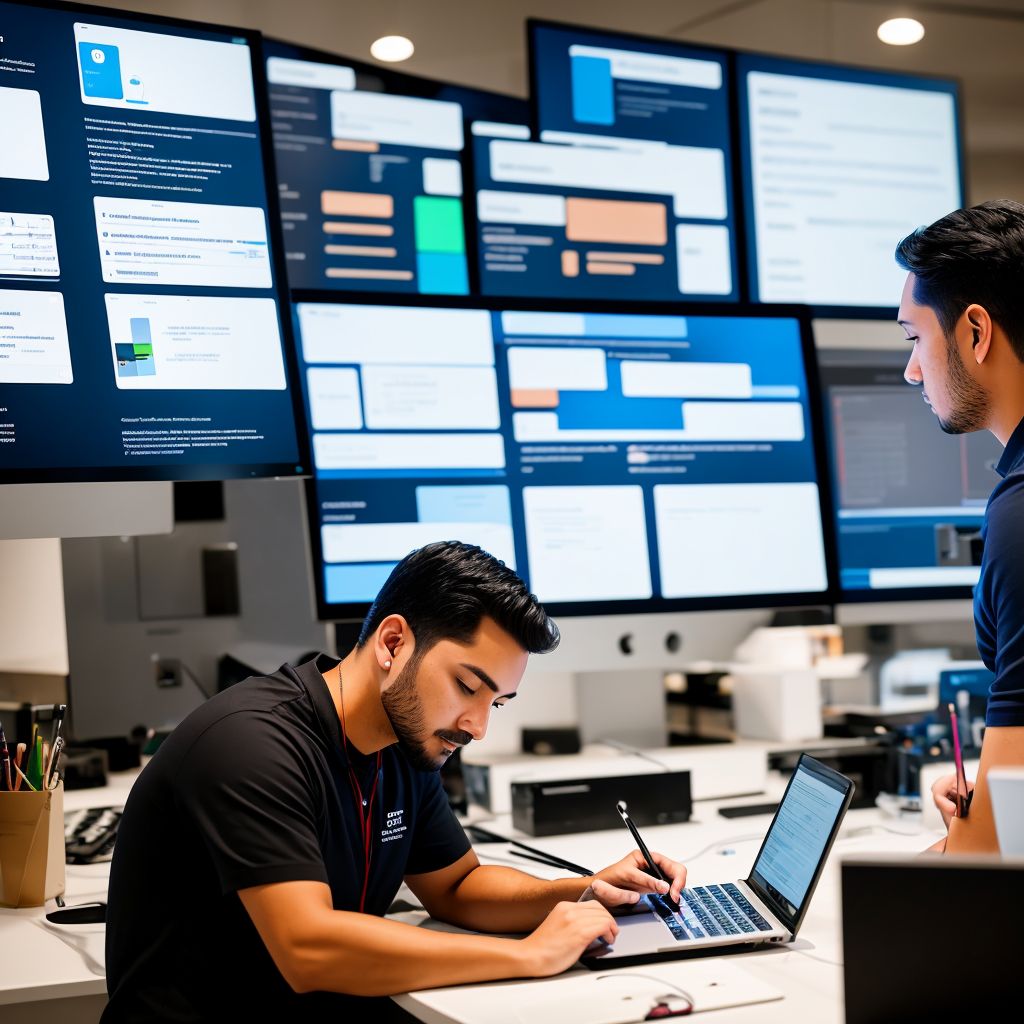
A User Interface (UI) Artist can work in a wide variety of industries and environments, including:
Tech companies: Many tech companies, from startups to large corporations, hire UI artists to design and improve the interfaces of their digital products.
Digital design agencies: Agencies specializing in digital design often have UI artists on their teams to offer interface design services to clients from various sectors.
Software development companies: Companies dedicated to software development, whether for mobile applications, web or business systems, often have UI artists to create attractive and functional interfaces.
Video game studios: In the video game industry, UI artists are responsible for designing the user interfaces of games, including menus, meters, navigation elements, among others.
Digital advertising and marketing agencies: Digital advertising and marketing agencies also need UI artists to design attractive and effective interfaces for their digital campaigns and projects.
Educational institutions and nonprofit organizations: Universities, educational institutions and nonprofit organizations often employ UI artists to design interfaces for virtual learning platforms, educational applications and interactive websites.
UI artists have the opportunity to work in a wide range of industries and organizations where the design of effective and attractive digital interfaces is required.