
Game Developer
A game developer is a professional who creates video games.
Their work involves the design, programming and implementation of different aspects of the game, from graphics and physics to artificial intelligence and gameplay.
A video game developer is a creative and passionate person who is in charge of creating video games. Their work ranges from conceiving the idea to implementing key aspects such as programming, graphics, physics, artificial intelligence and gameplay. Working as part of a team, the video game developer is responsible for creating an engaging and exciting experience that attracts players and keeps them hooked for hours.
In addition, the video game developer has the task of keeping up with the latest technology trends and staying up to date on what players are looking for in a game. It is a challenging but very rewarding job, as developers have the opportunity to create incredible virtual worlds and bring their most creative ideas to life.
If you are a creative person passionate about video games, being a video game developer is definitely the job for you!
What does a video game developer do?
These are some of the tasks a game developer performs:
Game design
The game developer participates in the conceptualization and design of video games. This involves defining the story, characters, levels, game mechanics and other important elements.
Programming
Game developers are responsible for programming the game. They use programming languages such as C++, C#, Python or others, depending on the platforms and tools used. They program the game systems, logic, user interface, controls and other technical aspects of the game.
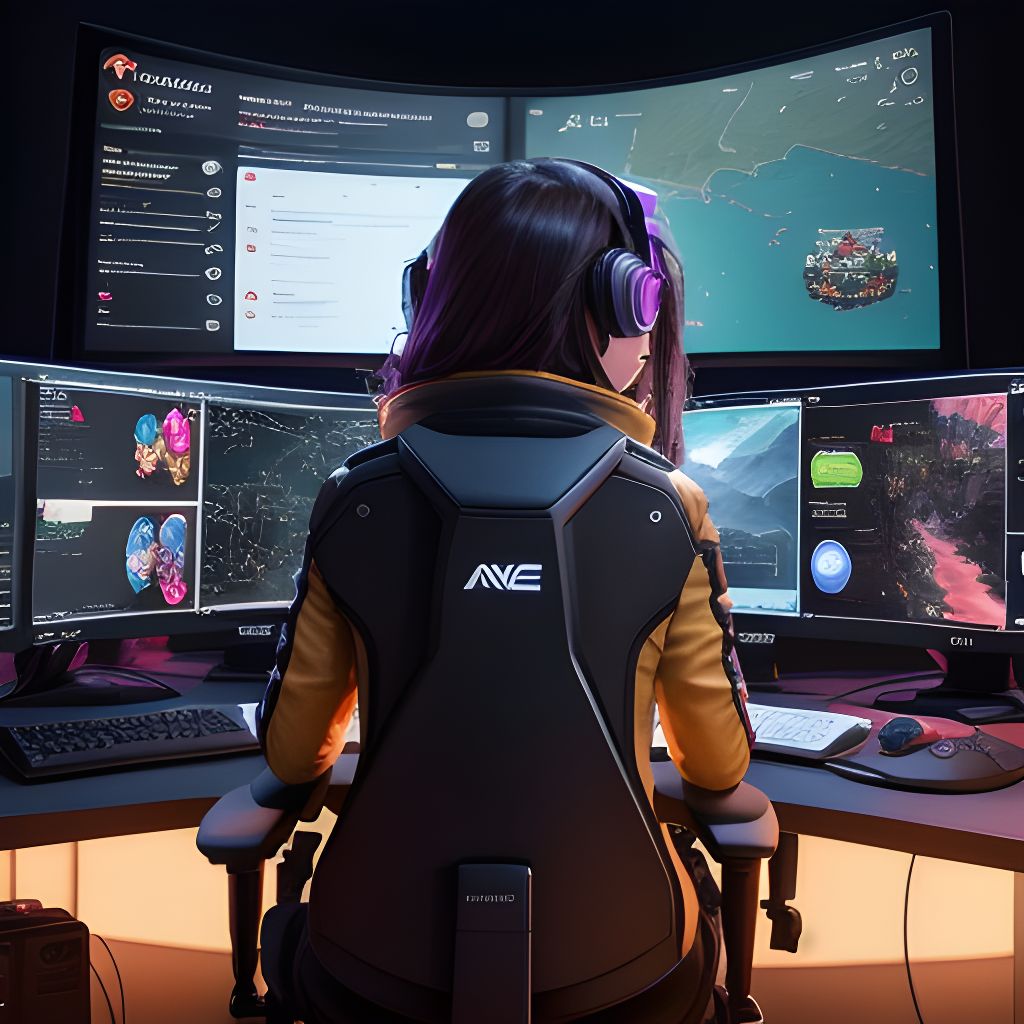
Graphics and sound
Game developers work with graphic designers and artists to create the game's visual elements, such as 3D models, textures, visual effects, and animations. They are also in charge of designing and integrating sound effects and music.
Artificial intelligence
In many games, it is necessary to implement artificial intelligence to control enemies, non-playable characters (NPCs), and other game elements. Game developers design algorithms and systems that allow these virtual characters to make decisions and respond to the player's actions.
Testing and debugging
Game developers perform extensive testing to identify errors and problems in the game. They conduct functionality testing, performance testing, and usability testing to ensure that the game is stable, smooth, and fun to play.
Optimization
Games must run efficiently on different platforms, such as consoles, computers, and mobile devices. Game developers optimize the game's code and resources to ensure optimal performance and a smooth gaming experience.
Maintenance and updates
Once the game is released to the market, developers continue to provide support and make regular updates. This can include fixing bugs, adding new content, improving gameplay, and responding to player feedback and suggestions.
a game developer is responsible for bringing a video game to life from its conception to its final implementation, working closely with a multidisciplinary team to create an exciting and engaging gaming experience.
Where does a video game developer work?
A video game developer can work in a variety of companies and environments. Here are some examples of companies where video game developers can find employment:
Video game developers: These are companies specialized in creating video games. They can be large world-renowned studios like Unity Electronic Arts (EA), Ubisoft, or smaller independent studios.
Video game publishers: Publishers are companies that handle the distribution and promotion of video games. Some publishers also have their own in-house development teams. Examples of publishers include Bethesda, Square Enix and Sony Interactive Entertainment.
Technology and software companies: Many technology and software companies develop games as part of their business. For example, Google has Google Stadia, its cloud gaming platform, and Microsoft has Xbox Game Studios. These companies may also hire developers to work on other aspects of gaming technology, such as virtual reality, augmented reality, or development tools.

Media and entertainment companies: Media and entertainment companies such as Disney, Warner Bros may have divisions dedicated to creating and publishing video games.
Mobile app development companies: Many companies specialize in developing games for mobile devices. These companies may focus on casual games, strategy games, augmented reality games, among others.
Simulation and training companies: In addition to entertainment, games are also used in simulation and training applications, such as the aviation, military, medical, and education industries. Companies that develop games for these sectors often hire developers specialized in simulation and interactive technologies.
Video game developers can also work independently as freelancers, join independent development teams, or create their own game development studios. The video game industry offers a wide range of professional opportunities and there is a variety of companies where developers can find employment based on their interests and specializations.

The impact of the career
There are some aspects related to this career that could affect developers' health and well-being if not managed properly. Some of these aspects are the following:
Sedentary lifestyle: Game developers often spend long hours in front of a computer, which can lead to a sedentary lifestyle. Lack of physical activity can have negative effects on health, such as weight gain, decreased fitness, and the risk of developing diseases related to a sedentary lifestyle.
Stress and workload: The game development industry can be intense and demanding in terms of tight deadlines and high expectations. Developers may face an extensive and prolonged workload, which can generate high stress levels. Chronic stress can affect mental and emotional health, contributing to anxiety, depression, and other health problems.
Posture and ergonomics: Spending many hours in front of a computer can cause postural and ergonomic problems. Poor posture and incorrect workspace setup can lead to back, neck, shoulder, and wrist pain, as well as vision problems such as eye strain.
Work-life balance challenges: The nature of the game development industry can involve irregular hours, overtime, and periods of intense work. This can make it difficult to maintain a healthy balance between work and personal life, which can affect overall well-being and personal relationships.

It is important to note that these negative effects are not exclusive to the game developer career and may be applicable to other careers that involve long hours in front of a computer or tablet. However, it is essential that game developers be aware of these potential impacts and take steps to take care of their health and well-being. This may include practicing regular exercise, adopting correct postures, organizing work and rest time, seeking social support and establishing healthy boundaries.