Game Engineer
A game engineer is a professional who creates video games. Imagine that a video game is like a movie, but instead of watching it, you are part of it and you can interact with the world and the characters. Game engineers are the people who make it possible for that interactive experience to be exciting and run smoothly.
Their main job is to write the computer code that makes the game work. It is as if they were building the "brain" of the game. They use special programming languages to create rules, actions, and behaviors within the game. For example, a game engineer might write the code that makes the main character jump when you press a button, or that makes enemies move intelligently to challenge you.
In addition to programming, game engineers are also in charge of optimizing the game's performance. This means making sure the game runs well on different devices, such as computers, consoles, or mobile phones, and that it does not become slow or crash.

They also work in a team with other game development professionals, such as designers and artists. They collaborate to bring the game's vision to life, making sure that all the elements come together in a coherent and exciting way. For example, a game engineer might work with a designer to implement a fun and challenging combat system, or with an artist to integrate impressive visual effects.
Game engineers are responsible for creating the "brain" of a video game, writing the code that makes everything work properly. They work in a team with other professionals to create exciting gaming experiences and make sure the game is fun and runs smoothly.
A game engineer, also known as a game developer or game programmer, is a professional specialized in the creation, programming, and development of video games. Their main function is to work on the technical side of game design and development, implementing the code and systems needed for the game to work properly.
The responsibilities of a game engineer can vary depending on the size of the development team and the specific role they play. Some of their typical tasks include:
1. Programming: Game engineers are experts in programming and use programming languages like C++, C#, Python or JavaScript to write the code that brings the game to life. They are responsible for implementing the game logic, artificial intelligence, physics systems, collision management, the user interface and other technical aspects necessary for the game to function.

2. Game engine: Game engineers can work with popular game engines like Unity or Unreal Engine. These engines provide a set of tools and predefined libraries that speed up the game development process. Game engineers use these tools to create and customize game behavior, animations, visual effects and other features.
3. Performance optimization: Games must run smoothly on a variety of platforms and devices. Game engineers are responsible for optimizing game performance, making sure it runs efficiently and smoothly, minimizing the load on the CPU and GPU, reducing loading times and optimizing resource management.
4. Debugging and testing: Game engineers perform extensive testing to identify and fix errors and issues in the game. This involves functional testing, performance testing and compatibility testing on different platforms and devices. They also collaborate with other members of the development team, such as designers and artists, to make sure the game meets the established expectations and requirements.
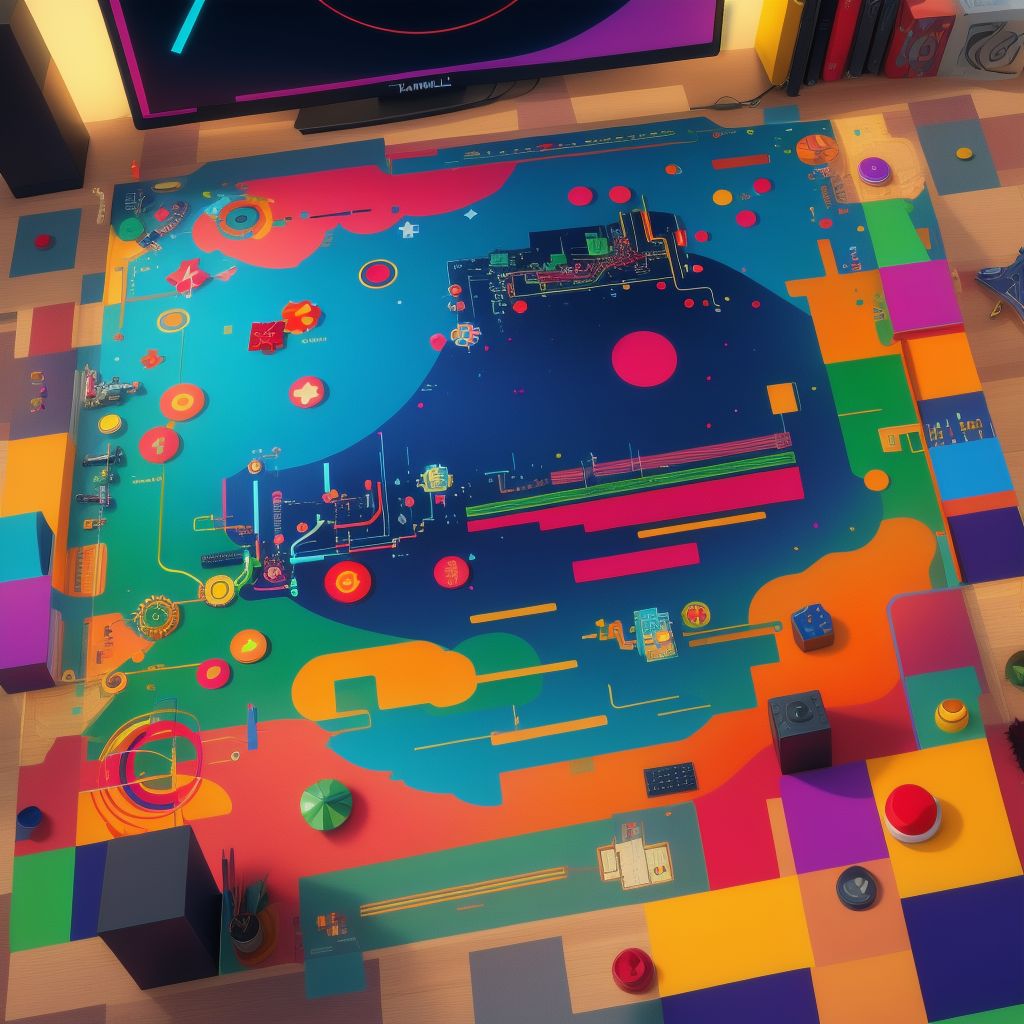
5. Team collaboration: Game engineers work closely with other game development professionals, such as designers, artists and producers. They must have effective communication and collaboration skills to ensure that the game is developed coherently and meets the team's goals.
Some of the topics a game engineer can study to build their career include:
1. Programming: Game engineers study various programming languages, such as C++, C#, Python or JavaScript, which are essential for developing a game's code. They learn to implement algorithms, data structures and programming logic to create the game's functionality.
2. Mathematics and physics: Knowledge of mathematics and physics is essential for designing realistic physics systems in games, such as motion simulation, collisions and gravity effects. Game engineers study concepts such as linear algebra, calculus and mechanics to apply them in game development.
3. Graphics and animation: Game engineers learn about computer graphics and animation techniques to create impressive visual effects in games. This can include the study of graphics engines, shaders, 3D modeling and rendering.
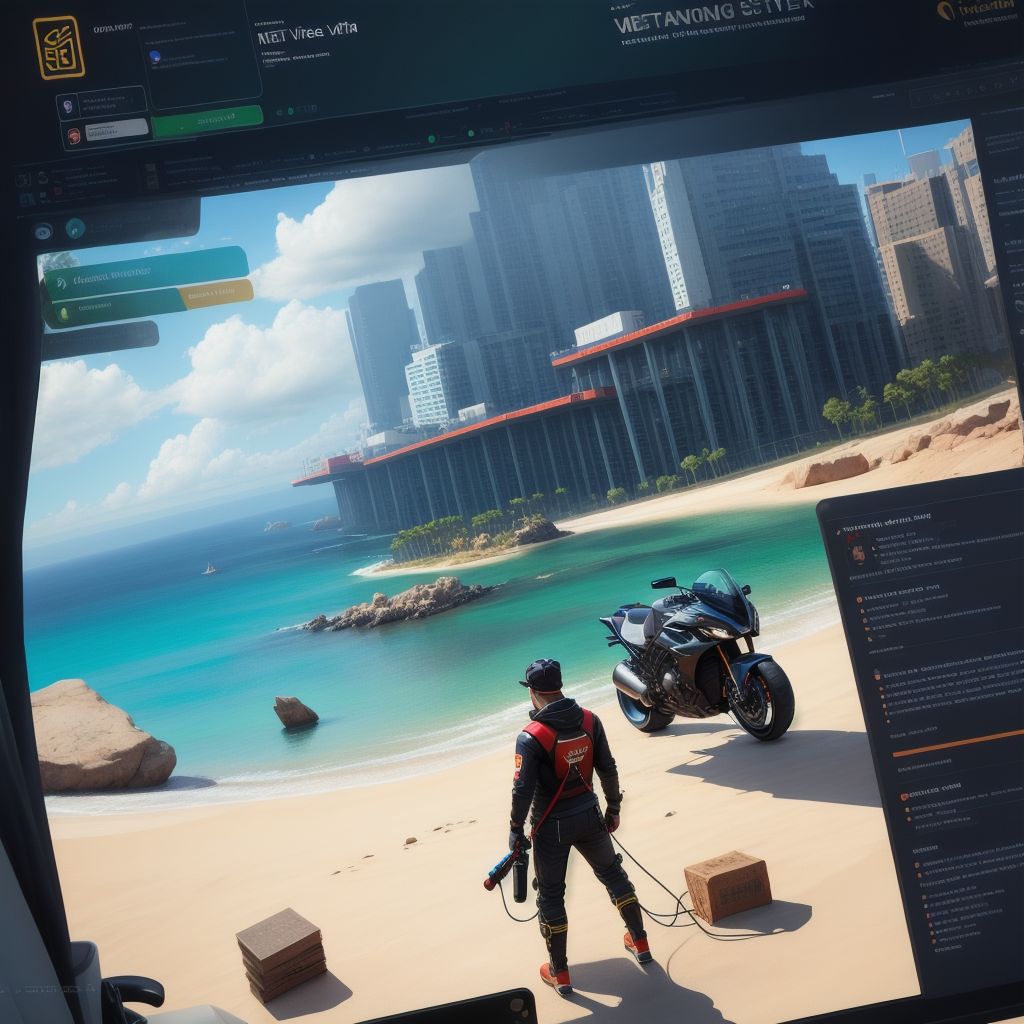
4. Artificial Intelligence: Artificial intelligence is used to give non-player characters (NPCs) autonomous and realistic behaviors in games. Game engineers study AI algorithms and techniques to implement intelligent behaviors.
5. Game design: Although the main focus of a game engineer is programming and technical development, they can also study basic aspects of game design. This includes learning about game mechanics, narrative structure, level design and user experience.
These are just some of the topics that can be part of the curriculum for a game engineer. It should be noted that study programs may vary depending on the educational institution and the specific focus of the program.
A game engineer is a professional specialized in programming and developing video games. Their work involves implementing the code and technical systems necessary for the game to work correctly. They work in collaboration with other members of the development team to create interactive and exciting gaming experiences.