3D Artist
A 3D artist is a creative specialized in creating three-dimensional images and models using advanced software.
They use their skill to bring objects and characters to life in virtual environments, such as movies, video games and advertising. Their work involves manipulating shapes, textures, lights and colors to create striking and realistic visual experiences. They are essential professionals in the entertainment industry and digital design.
What do you study to become a 3D Artist?
To become a 3D artist, you generally need to study disciplines related to animation, graphic design, computer graphics or digital art.
Some higher education programs offer specific degrees in 3D animation, character design, three-dimensional modeling and visual effects.
Students can acquire knowledge in 3D modeling software, rendering, animation, texturing and compositing. In addition, it is important to develop artistic skills, such as drawing, color, composition and visual storytelling.
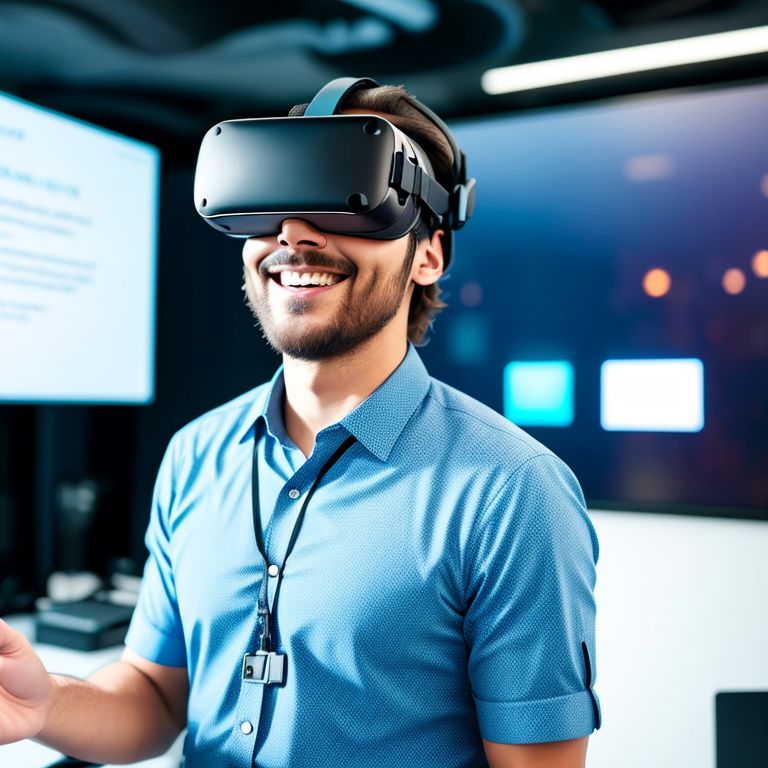
Practice and mastery of the tools and techniques used in the industry, as well as the ability to work in a team and adapt to the latest technological trends, are also important aspects for succeeding as a 3D artist.
Where does a 3D Artist work?
A 3D artist can work in a wide variety of industries and environments. Some of the places where they can find employment include:
1. Film and animation industry: 3D artists can work in animation studios, film production companies and visual effects companies, creating characters, environments and special effects for films and animated productions.
2. Video game industry: Video game development studios hire 3D artists to create character models, settings, objects and visual effects for games.
3. Advertising and marketing agencies: 3D artists can collaborate in creating advertising content, audiovisual productions and marketing campaigns, providing striking and realistic visual elements.
4. Architecture and interior design: In the field of architecture and design, 3D artists can work on creating architectural visualizations, renderings and animations for interior design presentations and projects.
5. Virtual and augmented reality industry: With the rise of virtual and augmented reality, 3D artists can contribute to the creation of immersive environments, objects and characters for virtual and augmented reality applications and experiences.
In addition, 3D artists can also choose to work independently as freelancers, offering their services to clients and specific projects.
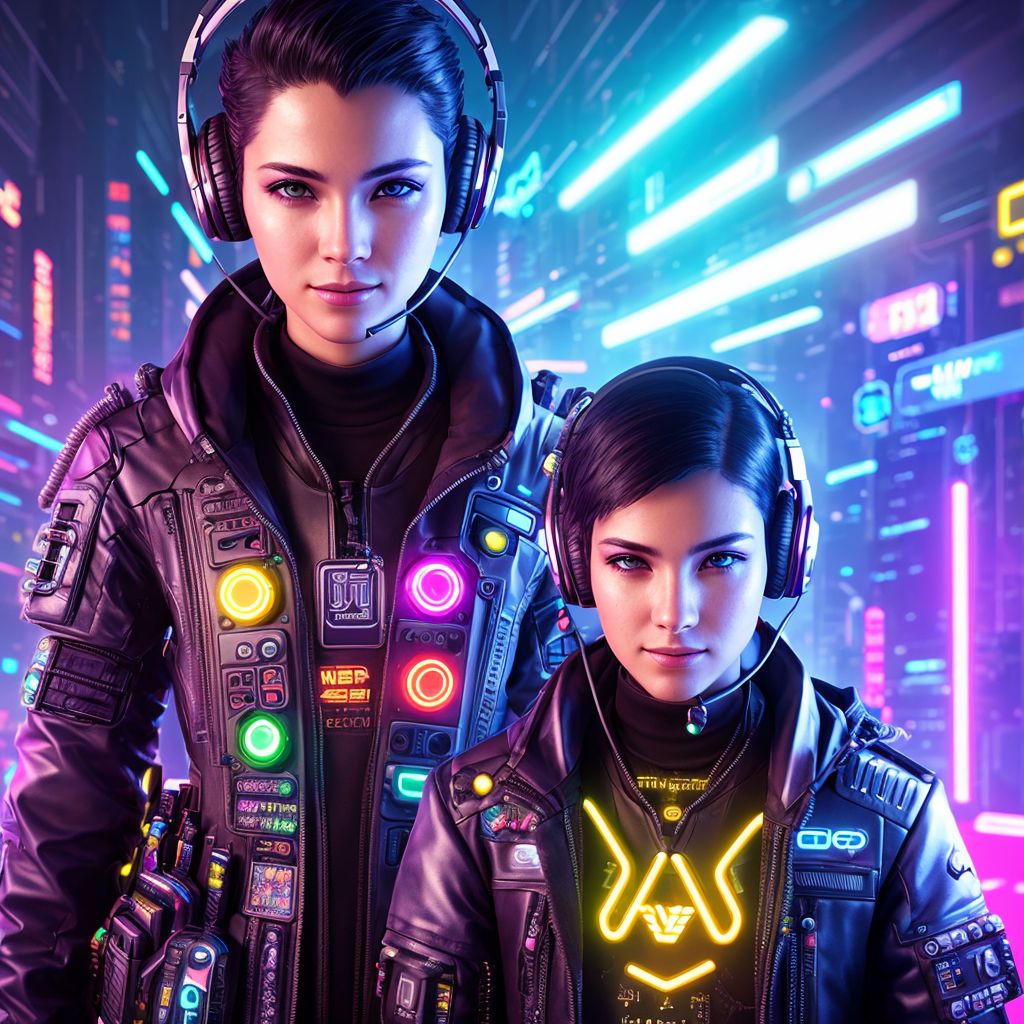
3D artists work closely with various professionals in the field of animation, visual effects and digital graphics. Some of the professionals they usually collaborate with are:
1. Directors and producers: 3D artists work together with directors and producers to understand their creative vision and apply it through their 3D design and animation skills.
2. Character and concept designers: 3D artists can work in collaboration with character and concept designers to turn their ideas and sketches into realistic three-dimensional models.
3. Animators: 3D artists collaborate with animators to create realistic movements and behaviors in their models and scenes. They work together to achieve fluidity and naturalness in animations.
4. 3D modelers: 3D artists can work alongside 3D modelers to create detailed three-dimensional models of characters, objects and environments.
5. Texture artists: 3D artists can collaborate with professionals specialized in texturing and creating visual materials (shaders) to add detail and realism to models.
6. Lighting artists and rendering specialists: 3D artists work with lighting artists and rendering experts to set up the proper lighting in scenes and obtain high-quality rendering results.
7. Programmers and developers: In the field of video games and virtual reality, 3D artists collaborate with programmers and developers to integrate their visual assets into the interactive environment and ensure they work properly.
Collaboration with these professionals is essential to achieve striking, high-quality visual results in animation projects, films, video games, advertising, and other areas where 3D graphics are required.
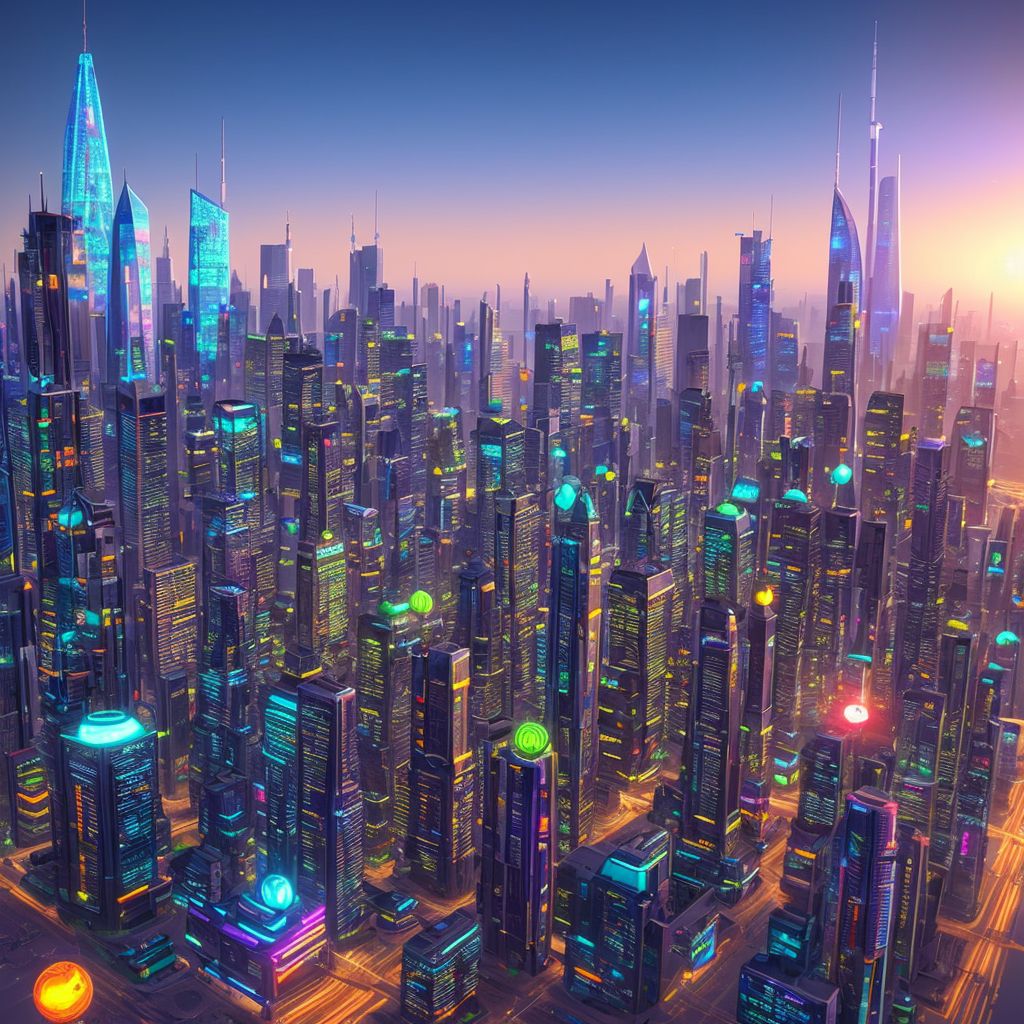
Challenges of the 3D Artist
The 3D artist career presents several challenges that professionals must face. Some of these challenges include:
1. Keeping up with technology: The animation and 3D graphics industry is constantly evolving, with technological advances and new tools emerging regularly. 3D artists must be willing to learn and adapt to these new technologies to stay relevant in the field.
2. Perfecting technical skills: Creating 3D models, textures, animations, and visual effects requires strong technical skills. 3D artists must devote time and effort to perfecting their mastery of specialized software, modeling and rendering techniques, and understanding the fundamental principles of art and animation.
3. Creativity and originality: Although technology plays an important role in 3D art, creativity and originality are essential. 3D artists must be able to generate fresh ideas, design unique characters and environments, and tell visually appealing stories.
4. Teamwork and collaboration: In many cases, 3D artists work in multidisciplinary teams, alongside designers, animators, programmers, and other professionals. The ability to collaborate effectively, communicate clearly, and meet deadlines is crucial for success in joint projects.
5. Pressure and tight deadlines: The entertainment industry and commercial projects often have tight deadlines and fast production demands. 3D artists must deal with the pressure of meeting deadlines without compromising the quality of their work.
Overcoming these challenges requires perseverance, passion for 3D art, and an attitude of continuous learning to stay up to date in a constantly changing field.