
Nursing
The study of Nursing involves complete care of patients on a physical, psychological and social level to achieve full rehabilitation. It is a career in which you work alongside other health professionals such as doctors, anesthetists, gerontologists.
The professional who works in Nursing has the goal of supporting the patient after the doctor has established the diagnosis. Their mission is to provide all the care needed during the recovery process, taking into account the symptoms and effects caused by their condition; from psychological factors and the social context to room for the spiritual.
The graduate in the degree has knowledge surrounding the human body, recognizes the details that cause diseases and how they evolve, meets the main needs of their patients, incorporates techniques to communicate better and uses the appropriate terminology for each situation.
Work in Nursing
Work in Nursing includes welcoming the patient and their family members at the hospital, following clinical guidelines and standards, performing all treatments both hygienic and pharmacological in order to relieve symptoms, monitoring progress to control how it evolves, visiting them at home where applicable and passing on rules to the family for patient care.
Depending on their training and specialty, there are different types of nurses according to the International Labour Organization: Generalists, operating room, residential home, emergency, pediatric, intensive care and assistants.
A generalist nurse is a healthcare worker registered as a professional nurse who assists doctors in their tasks, deals with emergencies in their absence, and provides professional nursing care to the sick, injured, physically and mentally disabled, and others in need of such care.

What are the implications of working as a general nurse?
- General male and female nurses are exposed to the existing risks in the healthcare institutions where they carry out their work;
- General nurses may be exposed to infectious diseases due to direct contact with patients;
- General nurses use cleaning, disinfection and sterilization agents that can damage the skin, mucous membranes and respiratory system;
- General nurses may be exposed to anesthetic gases, drugs and radiation;
- General nurses may be injured by sharp objects (needles, blades, etc.);
- Contact with hot surfaces, defective electrical equipment, etc. can cause skin burns;
- They may suffer musculoskeletal problems and back pain resulting from handling heavy patients;
- Continuous work standing or walking causes fatigue and leg problems;
- General nursing staff may suffer stress and exhaustion due to shift and night work, their general responsibility and other psychological and organizational factors.
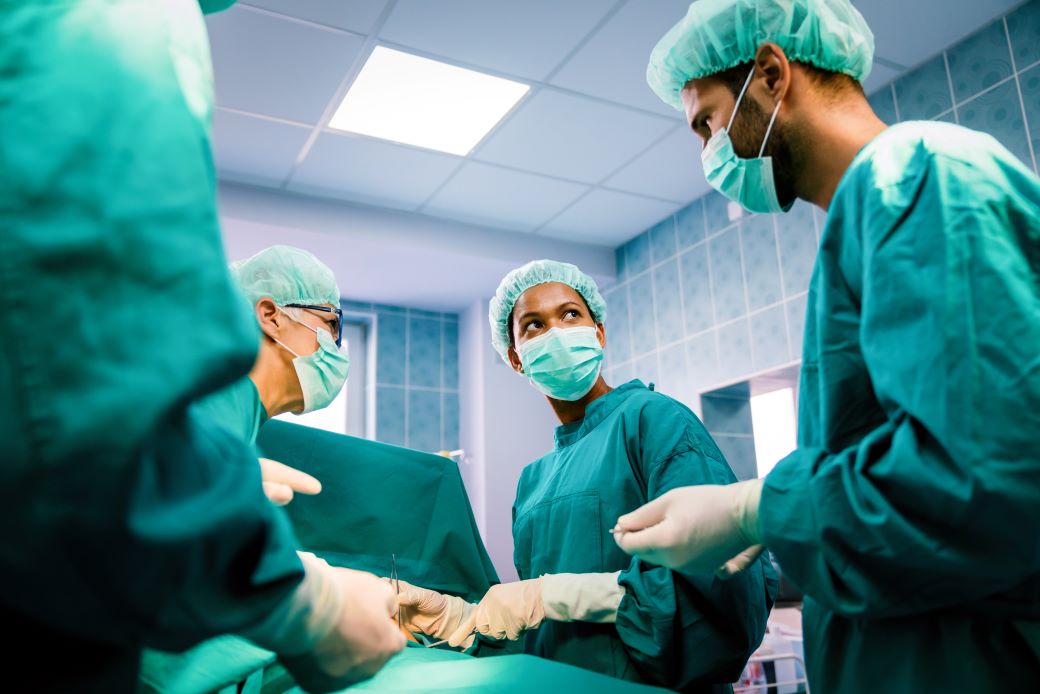
A operating room nurse is a healthcare worker who is a registered professional nurse and assists the surgeon and the surgical team in their tasks. Operating room nurses are responsible for supplying all surgical needs and maintaining the inventory of all items used during the operation. They also take care of the health and care of the patient in the operating room, supervise the organization of work within the operating room and mediate between the different hospital departments, surgeons and management.
What is dangerous about this job?
- The main hazards of the work of operating room nurses are due to their direct participation in the surgical operation;
- Operating room nurses may suffer cuts, stab wounds, scratches and punctures from the use of syringes and scalpels;
- Operating room nurses may be exposed to anesthetic gases, drugs and radiation;
- Operating room nurses use cleaning, disinfection and sterilization agents that can damage the skin, mucous membranes and respiratory system;
- Contact with hot surfaces, defective electrical equipment, etc. can cause skin burns;
- They may suffer musculoskeletal problems and back pain from handling heavy patients;
- Continuous work standing or walking causes fatigue and leg problems;
- Operating room nursing staff may suffer stress and burnout due to shift work, night work and other psychological and organizational factors.
A nursing home nurse is a registered nurse who works in a nursing home providing professional care and attention to patients.

What is dangerous about the work of a nursing home nurse?
- A nursing home nurse is exposed to practically all the hazards of a medical institution;
- Exposure to various hazardous chemicals, particularly medications, cleaning, disinfection and sterilization agents, anesthetic gases, etc;
- Injuries can be caused by sharp objects (needles, blades, etc.), hot surfaces or flames, defective electrical equipment, etc;
- Continuous work standing or walking causes fatigue and leg problems;
- Shift work, night work, discontinuous;
- Contact with terminal cases and their families, and the feeling of responsibility and personal involvement cause stress and burnout.
An emergency nurse is a qualified healthcare worker who works in the emergency room of a hospital or other healthcare institution.
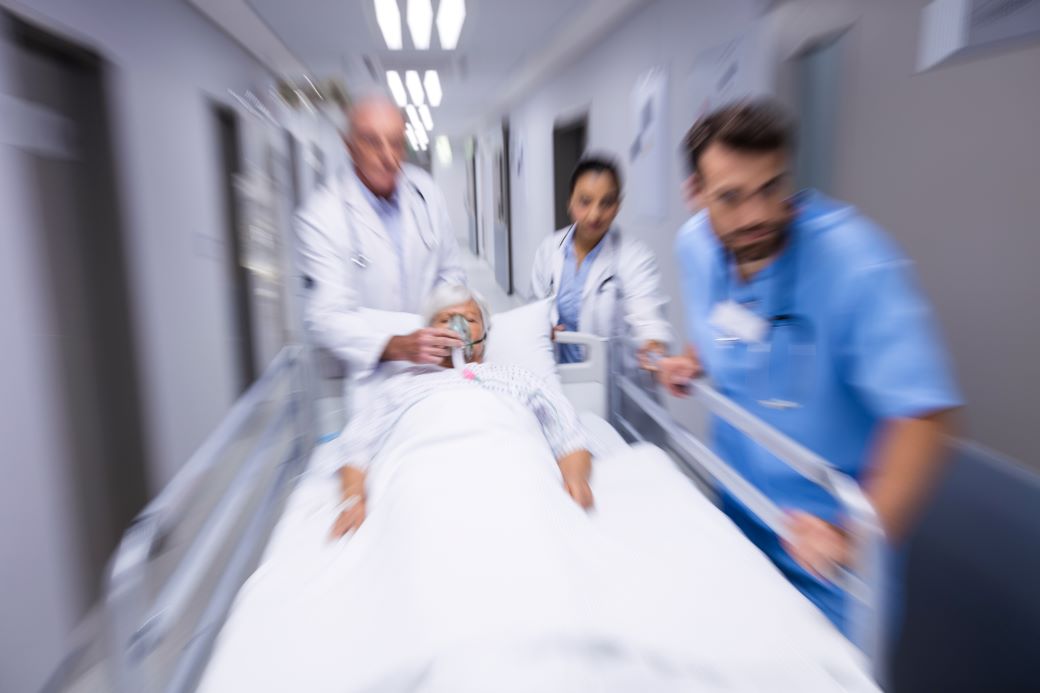
What is dangerous about the work of an emergency nurse?
- Emergency nurses use cleaning, disinfection and sterilization agents that can damage the skin, mucous membranes and respiratory system;
- Emergency nurses may be exposed to anesthetic gases, drugs and radiation;
- Emergency nurses may be injured by sharp objects (needles, blades, etc.);
- Contact with hot surfaces, faulty electrical equipment, etc. can cause skin burns;
- Sick patients in the emergency room present a risk of infection from bodily fluids;
- Emergency nurses may suffer musculoskeletal problems and back pain from handling heavy patients;
- Continuous work standing or walking causes fatigue and leg problems;
- Emergency nursing staff may suffer stress and burnout due to work shifts and night work, as well as other psychological and organizational factors.
An intensive care nurse is a health professional who works in an intensive care unit. Their job is to receive patients in the ward, give them the necessary personal treatment, connect them to the appropriate medical system (for example, respiratory, artificial feeding, etc.), monitor their health status and assist the doctor in situations requiring resuscitation and other emergency procedures.
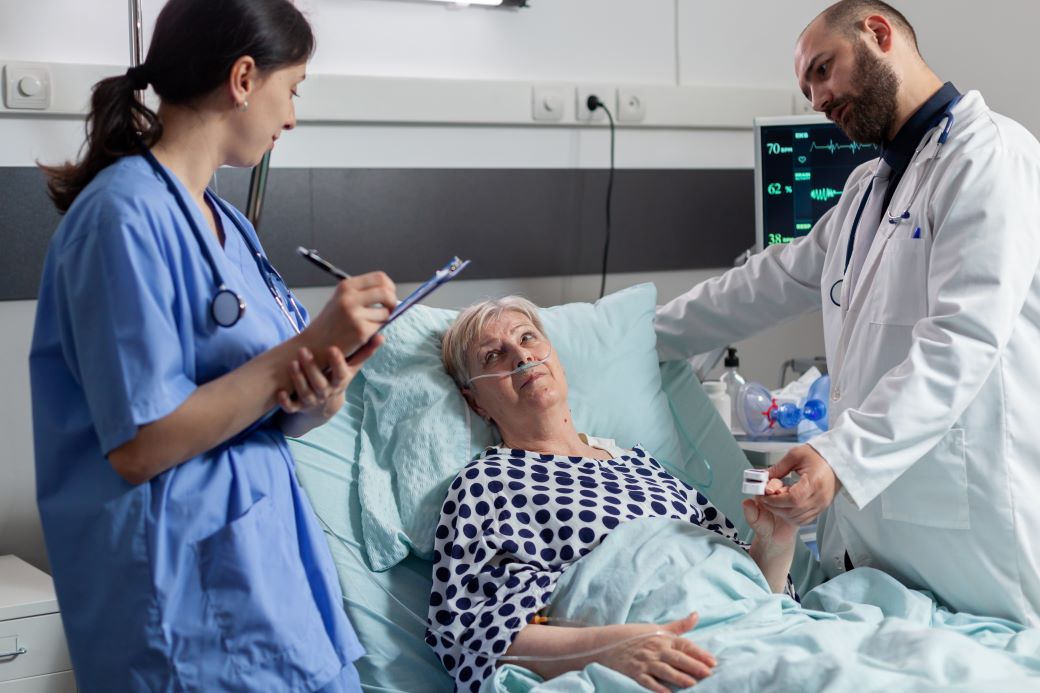
What dangers does an intensive care nurse face?
- Intensive care nurses are exposed to all the acute hazards present in the intensive care unit;
- Intensive care nurses may be exposed to infectious diseases due to direct contact with patients;
- Intensive care nurses use cleaning, disinfection and sterilization agents that can damage the skin, mucous membranes and respiratory system;
- Intensive care nurses may be exposed to anesthetic gases, drugs and radiation;
- Intensive care nurses may be injured by sharp objects (needles, blades, etc.);
- Contact with hot surfaces, faulty electrical equipment, etc., can cause skin burns;
- They may suffer musculoskeletal problems and back pain from handling heavy patients;
- Continuous work standing or walking causes fatigue and leg problems;
- Intensive care nurses may suffer stress and burnout due to shifts and night work, as well as other psychological and organizational factors.
A pediatric nurse is a registered professional nurse who assists physicians in their tasks, handles emergencies in their absence, and provides professional nursing care to sick babies and children in the children's ward of a medical institution.
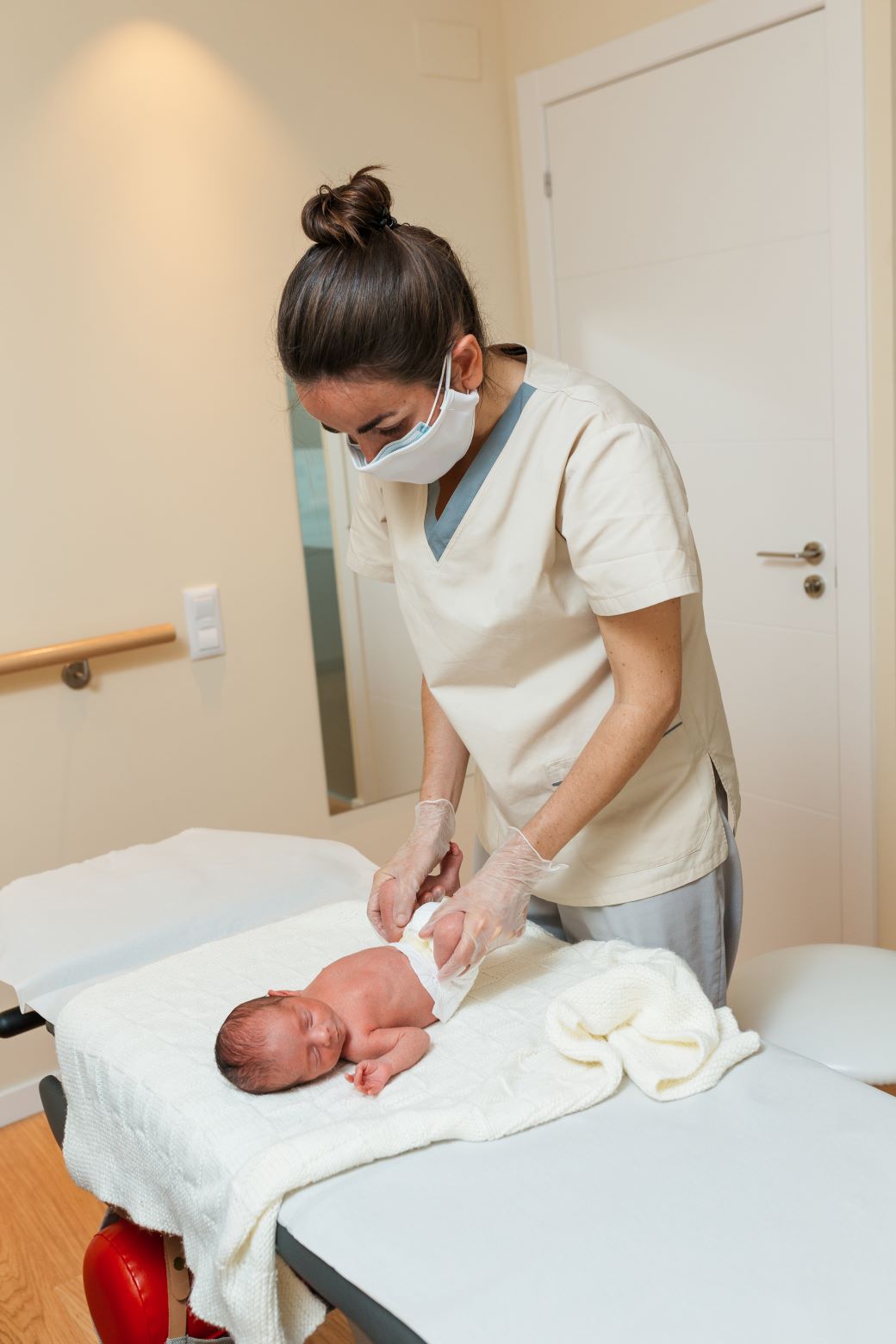
What difficulties are faced in this job?
- Pediatric nurses are exposed to practically all the acute risks present in the healthcare institutions where they work;
- Pediatric nurses may be exposed to infectious diseases due to direct contact with patients;
- Pediatric nurses may be exposed to anesthetic gases, drugs and radiation;
- Pediatric nurses use cleaning, disinfection and sterilization agents that can damage the skin, mucous membranes and respiratory system;
- Pediatric nurses may be injured by sharp objects (needles, blades, etc.);
- Contact with hot surfaces, faulty electrical equipment, etc. can cause skin burns;
- They may suffer musculoskeletal problems and back pain from carrying babies and children. Continuous work standing or walking causes fatigue and leg problems;
- Pediatric nursing staff may suffer stress and burnout due to shift work, night work and other psychological and organizational factors.
A nursing assistant is healthcare personnel who performs simple tasks to help the professionals of medicine, nursing, obstetrics and dentistry or the associated professionals in their duties.

What is negative about working as a nursing assistant?
Nursing assistants are exposed to practically all the acute risks that exist in the healthcare institutions where they work:
- They can be infected by a communicable disease due to direct contact with patients;
- They may be exposed to various hazardous chemicals, including cleaning, disinfection and sterilization agents, which can affect the skin, mucous membranes, the respiratory system;
- An assistant may be exposed to anesthetic gases, drugs and radiation; to sharp objects (needles, blades, etc.), hot surfaces, defective electrical equipment, etc;
- They may suffer musculoskeletal problems and back pain resulting from handling heavy patients;
- Continuous work standing or walking causes fatigue and leg problems;
- Nursing assistants may suffer stress and burnout caused by shift work, night work and other psychological and organizational factors.
The degree is designed for people with motivation to help, with an attraction to biology and a special interest in the scientific side. It usually lasts five years and depends largely on the student's willingness to keep it up to date.