
Surgical Technology
The Surgical Instrumentation trains professionals to care for patients until they leave for the post-operative room.
The training in Surgical Instrumentation teaches the skills necessary for assistance, control, supervision and follow-up from the moment a patient enters surgery until the effects of anesthesia wear off.
What tasks does a Surgical Instrument Technician perform?
Among their tasks are constant assistance to the lead physicians and acting as person responsible for the operating room tools ensuring everything is sterilized and ready for use.
The graduate assists during surgeries, monitors the patient's anesthesia and follows up on their reactions and vital signs while they fully regain consciousness. Their role is fundamental before, during and after surgical interventions, ensuring that the instruments are prepared, are suitable for the procedure and are in optimal condition for use. In addition, they collaborate closely with surgeons, nurses and other health personnel in the surgical environment, contributing to the safety and effectiveness of surgical procedures.
The surgical instrument technician can work in hospitals, both public and private, clinics and medical care centers. They are in charge of ensuring the availability of supplies for each particular operation.
The work of a Surgical Instrument Technician is essential in the operating room, as they are responsible for preparing and delivering the instruments needed for each procedure. This article will explore the tasks and skills required to perform this crucial role in the surgical team.
Importance of Surgical Instrument Technicians in the operating room
Surgical Instrument Technicians are essential in the operating room, as their work ensures the availability of the instruments needed for each procedure, which contributes to the success and safety of surgeries.
Responsibilities and functions of a Surgical Instrument Technician
The Surgical Instrument Technician is responsible for preparing, sterilizing and delivering the necessary instruments during surgery. They also assist the surgeon during the procedure and ensure the cleaning and organization of the instruments used.
Before surgery
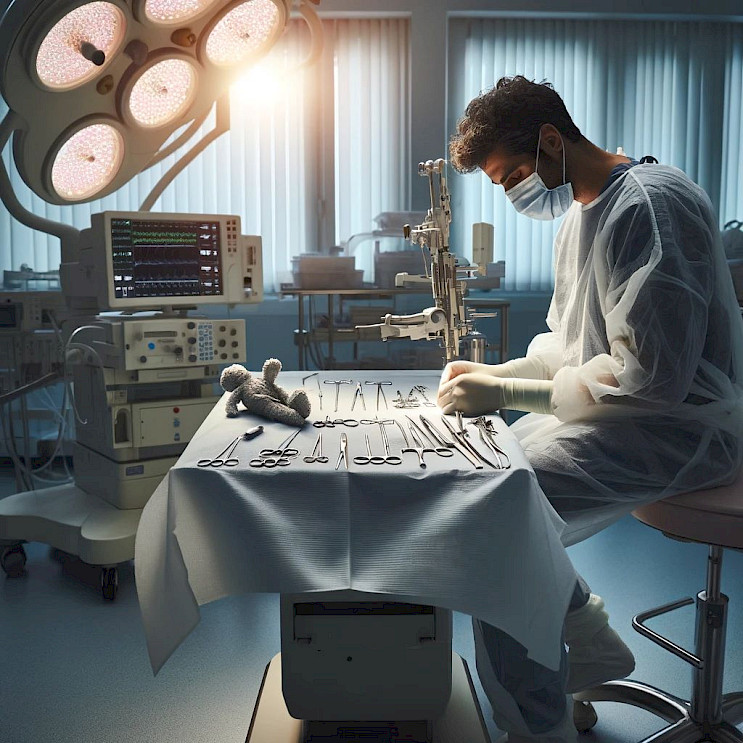
Before surgery, the Surgical Technologist is in charge of preparing and sterilizing the necessary instruments. In addition, they are in charge of setting up the instrument table, ensuring that everything is ready for the procedure.

Preparation and sterilization of surgical instruments
Before surgery, the Surgical Technologist performs the important task of preparing and sterilizing the instruments necessary for the procedure. This ensures an infection-free environment and guarantees patient safety.
Setting up the instrument table
The Surgical Technologist is in charge of setting up the instrument table before surgery, placing the instruments necessary for the procedure in an organized way that is accessible to the surgeon. This process guarantees the efficiency and smooth flow of the surgery.
During surgery
During surgery, the Surgical Technologist assists the surgeon during the surgical procedure, making sure to handle and deliver the required instruments at the precise moment. This guarantees the efficiency and success of the surgery.

Assistance to the surgeon during the surgical procedure
During surgery, the Surgical Technologist provides assistance to the surgeon, helping them with handling tissues, supplying the necessary instruments and performing clamping and retractor maneuvers. Their presence guarantees an efficient and safe workflow.
Handling and delivery of required instruments
The Surgical Technologist plays a crucial role in the handling and delivery of the instruments needed during surgery. They must be able to quickly identify and deliver the instruments requested by the surgeon, guaranteeing a continuous and efficient flow of the procedure.
After surgery
After surgery, the Surgical Technologist is in charge of cleaning and disinfecting the surgical instruments used, ensuring their proper sterilization and preparation for future procedures. In addition, they organize and store the instruments properly for easy access and use in the future.
Cleaning and disinfection of the surgical instruments used
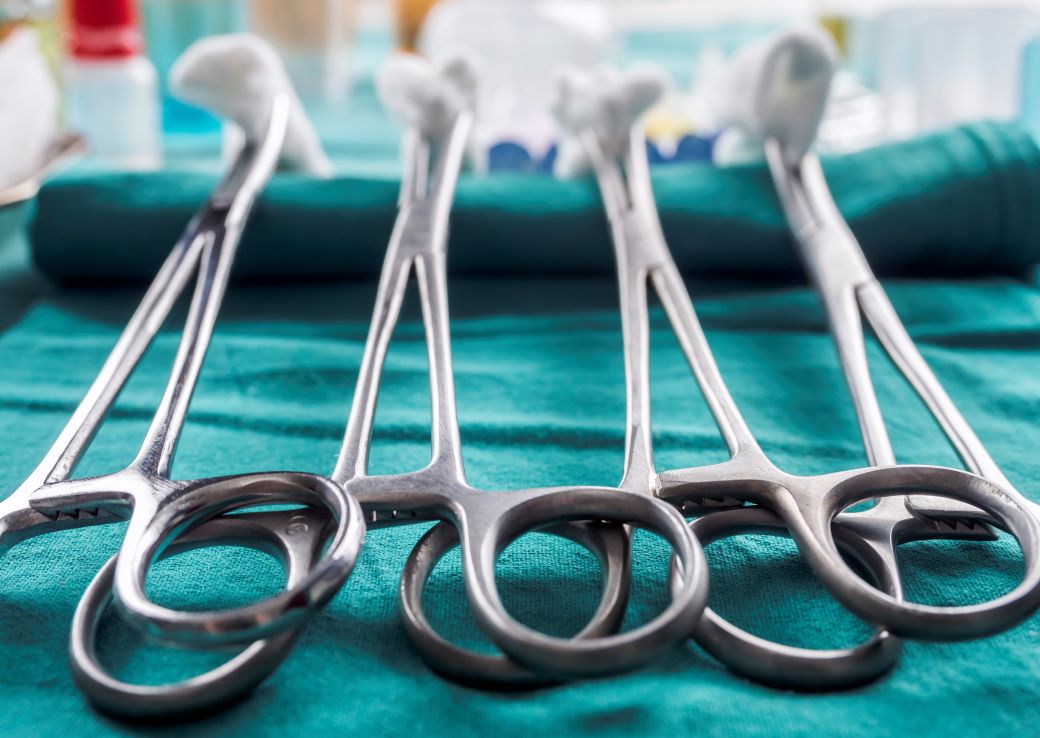
After surgery, the Surgical Instrument Technician is responsible for meticulously cleaning and disinfecting the surgical instruments used. This ensures the removal of any residue or contaminant and ensures their proper preparation for future procedures. Cleaning is performed according to established standards and using specific products and techniques that guarantee the sterility of the instruments.
Organization and proper storage of the instruments
After cleaning and disinfection, a Surgical Instrument Technician is responsible for properly organizing and storing the instruments. This involves sorting them, labeling them and storing them in designated places, ensuring their easy access and avoiding possible damage or contamination.
Skills and requirements of a Surgical Instrument Technician
A Surgical Instrument Technician must have academic training and specialization in the field of medicine and surgery. They must also possess communication skills, teamwork and meticulous attention to detail.
Required academic training and specialization
The academic training of a Surgical Instrument Technician is generally carried out through higher education programs, which may be offered by universities, technical institutes or colleges specializing in health sciences.
The duration and specific content of these programs may vary by country and institution, but typically include fundamental theoretical and practical aspects for the practice of the career. The key components of the training are detailed below:
Duration
- Undergraduate/Technical: Surgical Instrumentation programs usually last 2 to 4 years, depending on the level of depth and specialization.
- Degree: Graduates obtain a degree as Technician or Technologist in Surgical Instrumentation, or even a university degree as Bachelor in Surgical Instrumentation, depending on the program and jurisdiction.
Curricular Content
- Anatomy and Physiology: Detailed understanding of the human body and how it works, essential for understanding surgical procedures.
- Microbiology and Sterilization: Knowledge about microorganisms and the proper techniques for sterilizing surgical instruments.
- Surgical Instrumentation: Detailed study of surgical instruments, their handling, maintenance and specific application in different types of surgeries.
- Surgical Techniques: Learning the basic and advanced techniques used in surgical interventions, including general and specialized surgeries.
- Ethics and Health Legislation: Ethical principles and legal framework governing professional practice in the health environment.
- Clinical Practice: Practical component in hospitals or clinics, where students apply their knowledge under supervision, gaining direct experience in the surgical environment.
Developed Skills
- Handling and in-depth knowledge of surgical instruments.
- Ability to work as a team within the surgical environment.
- Communication and collaboration skills with surgeons and health personnel.
- Understanding of surgical procedures and ability to anticipate the surgeon's needs.
- Knowledge of asepsis and infection control measures.
Communication and teamwork skills
A surgical instrument technician must have strong communication and teamwork skills to collaborate efficiently with the surgeon and the rest of the medical team. They must be able to communicate clearly and concisely, follow instructions and coordinate with other team members.
The ability to work in harmony and cooperation is essential to ensure a safe and successful surgical environment. In addition, effective communication and proper teamwork can help prevent errors and minimize complications during surgery.
Certification and License
- In many countries, after completing academic training, it is necessary to obtain a certification or license to practice as a Surgical Instrument Technician. This may require passing a national or state exam and maintaining certification through continuing education.
The training of a Surgical Instrument Technician is designed to prepare professionals capable of effectively joining health teams in the surgical field, contributing to the safety and success of surgical procedures.
Degree in Surgical Instrumentation
Studying Surgical Instrumentation is one of the newest and fastest-growing paths in recent years in the healthcare sectors.
The degree stands out for providing a great deal of knowledge during the training of professionals and is designed for those meticulous people, comfortable with taking control of a situation and who show the desire to help patients during and after their time in the operating room.
Advantages and disadvantages of Surgical Instrumentation
Advantages of studying Surgical Instrumentation:
- It is a career that requires constant job openings.
- The professional plays a key role in assisting doctors and patients in an operating room.
- Possibility of working in the public or private sector.
- It is an option for those interested in taking part in an operation, but not being the one who performs it.
- Ideal for people who love control.
Disadvantages of studying Surgical Instrumentation:
- It is not a degree for those who want to try their luck.
- It requires great responsibility to be exercised inside an operating room.
- It demands many hours of attention to each patient.
- Continuous high-pressure situations in decision-making.
- Long-duration degree.
The instrument technicians are in charge of preparing and providing surgical instruments to surgeons during procedures. They must know the different surgical instruments well and how they are used, as well as be able to maintain and sterilize them. This career requires a high level of attention to detail and the ability to work well under pressure.
Surgical Instrument Technicians must also have excellent communication skills to collaborate effectively with surgeons and other members of the surgical team. In general, the career of surgical instrument technician offers a rewarding and fulfilling opportunity for people interested in the healthcare field who are looking for a challenging and essential role in patient care.
If you aspire to become a Surgical Instrument Technician, it is essential to choose the right educational institution to acquire the necessary skills and knowledge. Look for accredited programs that offer rigorous training in surgical instrumentation and provide hands-on experience in real-world settings.
Consider factors such as faculty experience, program reputation, and available resources for hands-on training.
Universities, vocational training schools offer specialized programs in surgical instrumentation.
It is also important to research the job placement rate and the program's career prospects to ensure that you will be able to find employment after graduating.
Choosing the right institution is a crucial first step toward building a successful career as a surgical instrument technician.
The role of the surgical instrument technician is essential in the operating room to ensure the success of a surgery. Their work consists of preparing and delivering the necessary instruments, as well as collaborating with the surgeon and the medical team. In addition, they must possess strong communication and teamwork skills.
Academic training and specialization are important requirements to practice this career. Surgical instrument technicians play an indispensable role in patient care and safety during the surgical process. They also provide opportunities for growth and professional development.
Importance of Surgical Instrument Technicians in the success of a surgery
Surgical instrument technicians play a fundamental role in the success of a surgery, as their work ensures the correct preparation and delivery of the necessary instruments, as well as their handling in the operating room.
Career prospects and opportunities for Surgical Instrument Technicians
Surgical instrument technicians have excellent career prospects and abundant job opportunities. With the growing demand for surgeries and technological advances, the need for surgical instrument technicians is expected to continue to increase.
In addition, there are employment opportunities in hospitals, clinics, surgical centers and medical offices.
Technicians can also choose to specialize in specific areas of surgery and advance in their careers. There is the possibility of pursuing continuing education and obtaining additional certifications, which will further increase employment and professional advancement opportunities.