Why Study Criminology?
Do you like TV series and movies where criminologists (or what they play as one of these professionals) solve a crime and catch the culprit who committed it?
Well, the truth is that the reality they are portraying may not be that accurate. However, the important thing is that it seems you like investigating facts and you may be on the verge of a new professional future.
We invite you to keep reading so you can discover exactly what criminology is and what the real work of a criminologist is.
What is criminology about?
Criminology is the study of crime from a sociological perspective. Criminologists focus on the cause of a crime, its social effect on society and work to develop effective policies to prevent them from happening in the future.
Criminologists are often inaccurately portrayed in television media. These representations negatively impact society's social construction of crime and, consequently, negatively affect facts and data.
Many criminologists have bachelor's degrees with a major in sociology, criminology or psychology, in turn with a specialization in criminal sciences. Although some criminologists are often also required to have a graduate degree or years of extensive work experience.
Other requirements to become a criminologist include having no criminal record and having good moral character.
Criminologists use a wide range of criminological theories to understand the motives behind crime and analyze them in a social context. The most common is the theory of Social Constructionism, which explains that people construct their own reality and understanding of the world based on what they are exposed to and what they experience. Constant exposure to a certain type of media, music, people or environments shapes an individual's ideologies, norms and assumptions toward certain things, cultures and people.
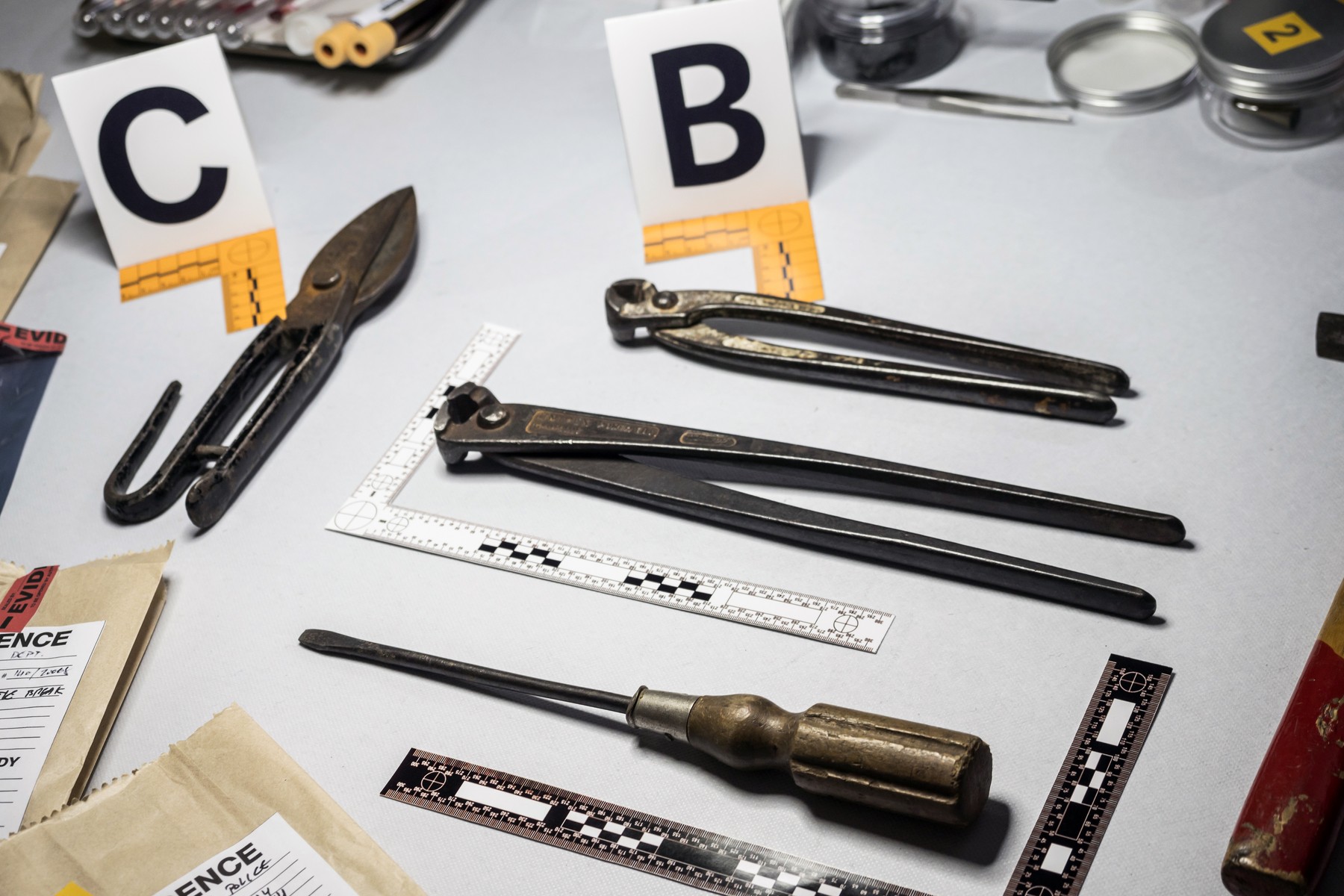
The most common misconceptions about criminologists are that they play the role of detectives and forensic scientists, all in one. In reality, criminologists are rarely at the crime scene, while the job of criminal investigators and forensic scientists is to investigate the scene and interpret the evidence from the crime scene.
In general, the work of criminologists largely depends on building an accurate understanding of criminal behavior and how to prevent crime.
What is a criminologist's profile like?
A criminologist must analyze concrete data and research, as well as identify patterns. They may also be called to the crime scene to collect data or interview a suspect.
Based on the evidence in a case, criminologists can also create a profile of a suspect who has not yet been found, which often includes social, psychological and biographical information.
Criminologists need a specific set of skills to succeed in the field. Criminology is a science, no doubt, but it also has an art to it. They must be able to avoid getting lost in the minutiae of facts and figures, but they must also be able to step back and see the big picture. They need to look at data impartially, but they are also tasked with applying that data creatively, which often requires innovative thinking.
An aspiring criminologist must:
- Be able to handle a lot of information
- Be creative
- Be innovative
- Learn constantly
- Adapt to change
- Know how to work as part of a team
Frequently asked questions about the criminology degree
What is the duration of the degree?
The criminology degree at Spanish universities lasts four years and students must complete 240 study credits.
How much does it cost to study criminology?
Below is a list of some universities in Spain and the cost of the first year of the criminology degree:
- Universitat Autònoma de Barcelona - €1.516
- Universitat de Barcelona - €1.516
- Universitat de Girona - €1.516
- Universidad Complutense de Madrid - €1.473
- Universidad Rey Juan Carlos - €1.473
- Universidad Nacional de Educación a Distancia - €957
- Universidad de Alicante - €898
- Universitat de València - €898
- Universidad del País Vasco - €879
- Universidad de Murcia - €863
- Universidad de Salamanca - €843
- Universidad de Granada - €757
- Universidad de Málaga - €757
- Universidad Pablo de Olavide - €757
- Universidad de Sevilla - €757
- Universidad de Extremadura - €740
- Universidad de Castilla - La Mancha - €728
- Universidade de Santiago de Compostela - €591
What cutoff grade is needed to study criminology?
The cutoff grades needed to study criminology are:
- Universidad Pompeu Fabra: 8,094
- Universidad Carlos III de Madrid: ND
- Universidad Autónoma de Barcelona: Degree: 8,792
- Universidad de Barcelona: Degree: 8,368
- Universidad de Valencia: Degree: 10
- Universidad Miguel Hernández de Elche: 6,14
- Universidad de Alicante: Degree: 5 / Double Degree: 10,53
- Universidad Complutense: 11,223
- Universidad de Granada: 10,495
- Universidad de Málaga: 9,988
General subjects in criminology
Below we present some of the most common subjects in the criminology degree at university:
- Legal theory
- Culture and crime in contemporary societies
- Statistics and data analysis
- Work and communication techniques
- Crime and society
- Criminal psychology
- Scientific methodology
- Victimology
- Specific problems of criminality
- Research methodology
- Conflict resolution techniques
- Situational prevention
- Gender and criminology
- Applied criminal psychology
Career opportunities and salary
Once graduated as a criminologist, the professional with this university degree can work in the police field, especially in the forensic police, contributing knowledge to solving crimes, as well as providing consulting. You can also work in the judiciary providing services as a judicial advisor or mediator.
The criminologist also has job opportunities in penitentiary institutions advising on criminal policy and assisting supervisory judges.
The private sector is another area where the criminologist can work. You must apply to the Ministry of the Interior for a special license to work as a private detective. You can also work as a forensic expert in accidents or fires.
In Spain, the annual salary of a criminologist working for the State can be between €25,000 and €30,000.
How do I know if this degree is for me?
To be a criminologist you must be a person with a strong analytical sense to study and understand social problems. If you are also a person with the ability to work in a team and who feels drawn to research, then this degree can be an excellent option for you.