
What is Scenography?
The scenography is the art and technique of designing and creating the visual elements that make up a stage space, such as sets, furniture, lighting, and props. Its goal is to establish the mood, context, and atmosphere appropriate for a theatrical, film, television, or other stage production.
Scenography helps convey the story, characters, and emotions through the arrangement of visual elements on stage, contributing significantly to the audience's experience.
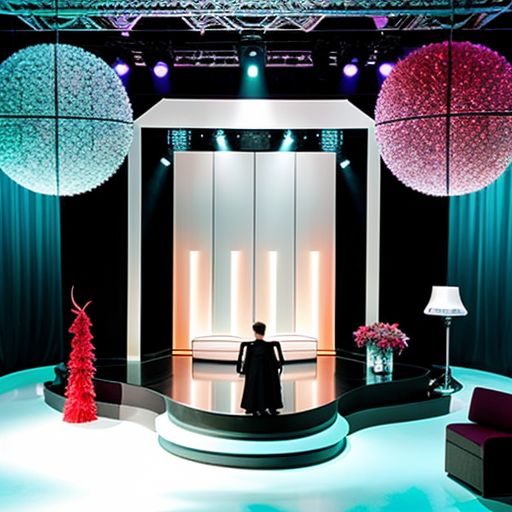
Performing arts
Performing arts are artistic forms presented before a live audience, involving performances in a physical space, such as a stage. They include disciplines such as theater, dance, live music, and opera. These forms of artistic expression are characterized by their ephemeral and constantly evolving nature, as each performance can vary slightly.
Performing arts combine visual, auditory, and emotional elements to tell stories, convey emotions, and create a unique experience for audiences.
Stage space
The stage space is the physical area where performances in the performing arts take place, such as theater, dance, or live music. It includes the stage, sets, lighting, costumes, and other visual and technical elements that help create the right mood and atmosphere for the performance.
Stage space design is essential for storytelling and character interaction, as well as for influencing the emotions and perceptions of the audience.
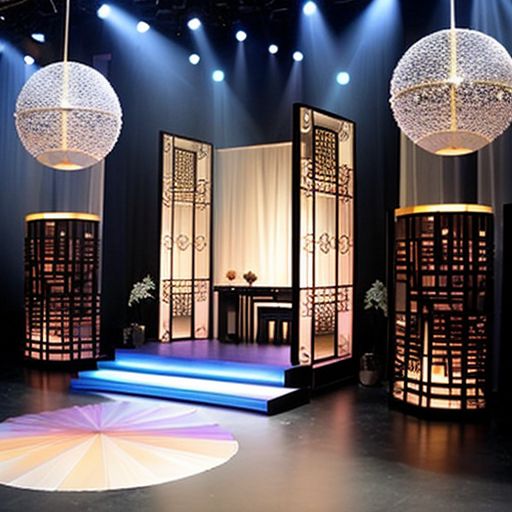
Artistic performance
The artistic representation is the act of presenting or expressing ideas, emotions or concepts through visual, auditory or scenic media. It involves the creation of artistic works, such as paintings, sculptures, music, theater, dance or film, with the purpose of conveying messages, evoking feelings and communicating a personal or collective vision of the world.
The artistic representation can be realistic or abstract, but it always seeks to communicate something profound or meaningful to the artist and the viewer.
What is scenography in theater?
Theatrical Decoration: It refers to the visual and aesthetic elements that adorn the stage and contribute to the setting of a theatrical work. This can include backdrops, curtains, hanging elements and other decorative details that enhance the visual appearance of the scenic space.
Scenography in theater refers to the design and creation of the visual environment in which a play takes place. It includes elements such as sets, furniture, lighting and props that make up the scenic space. Scenography helps to establish the appropriate atmosphere, context and mood for the story and characters of the theatrical work.
It is an essential part of the staging, helping to convey meaning, emotions and providing the visual framework in which the actors interact with the audience.
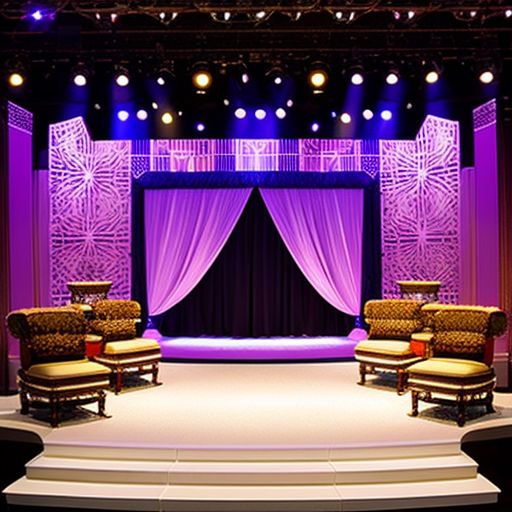
What are the scenographies we can find in theater?
In theater, we find several types of scenographies that can vary according to the needs of the play and the artistic approach.
Realistic scenography: It represents settings that faithfully imitate real environments, such as rooms, streets or natural landscapes.
Abstract scenography: It uses non-realistic elements to create symbolic or emotional environments, often based on evocative shapes and colors.
Minimalist scenography: It employs few scenic elements to suggest places and situations, encouraging the viewer's imagination.
Symbolic scenography: It uses visual elements with deep and allegorical meanings to represent concepts or themes of the play.
Conceptual scenography: It focuses on conveying an abstract idea or concept through stage design, sometimes even sacrificing realistic representation.
Interactive scenography: It incorporates elements that actors or the audience can interact with, creating dynamism and participation.
Multimedia scenography: It integrates technological elements, such as audiovisual projections, to enrich the visual and narrative experience.
Historical or period scenography: It recreates settings and costumes that accurately reflect a specific historical period.
Surrealist scenography: It combines elements of reality with dreamlike and fantastical elements to create environments that defy logic.
Period scenography: It creates sets and costumes that accurately capture a historical era, such as the Renaissance, the Baroque, or the 20th century.
Post-apocalyptic scenography: It designs settings that represent a devastated world after a catastrophic event, using deteriorated and chaotic elements.
Science fiction scenography: It creates futuristic and technological environments, with high-tech elements and alien worlds.
Shadow theater scenography: It uses projections and silhouettes to create visual and narrative effects in a unique artistic style.
Black theater scenography: It employs a black background and objects or actors dressed in black, illuminated only by ultraviolet light, to achieve surprising visual effects.
Street theater scenography: It adapts to outdoor and urban spaces, using elements such as buildings, streets, and squares as part of the stage.
Immersive theater scenography: It creates an environment in which the audience interacts directly with the actors and the surroundings, becoming an integral part of the story.
Puppet theater scenography: It designs sets and specific elements to complement the performance of puppets and marionettes.
Improvisational theater scenography: It uses modular and versatile elements that can be quickly rearranged to adapt to the actors' improvised decisions.
Chinese shadow theater scenography: It employs cut-out silhouettes and projections to tell stories through figures and shadows.
Suggestive scenography: It is based on suggestion and evocation, rather than literal representation. It uses symbolic and minimal elements to allow the viewer to complete the image with their imagination.
Functional Set Design: It focuses on creating a practical and efficient scenic space for the actors' performance and the development of the plot. Functionality is key, and elements can be simple and versatile.
Natural Set Design: It represents natural environments, such as landscapes, exteriors and wild settings, using elements such as trees, rocks and water.
Musical Set Design: Designed specifically for musical productions, it integrates visual elements that accompany and enhance the music and songs of the play.
Children's Set Design: Designed for a children's audience, it uses bright colors, simple shapes and attractive elements to create a visually pleasing environment suitable for children.
Floor Set Design: It focuses on the arrangement and design of the stage floor, incorporating elements such as patterns, colors and textures that complement the story.
Dance Set Design: Designed specifically for dance productions, it focuses on the arrangement and characteristics of the space where the dancers will perform, considering the mobility and visual aesthetics required for the choreography.
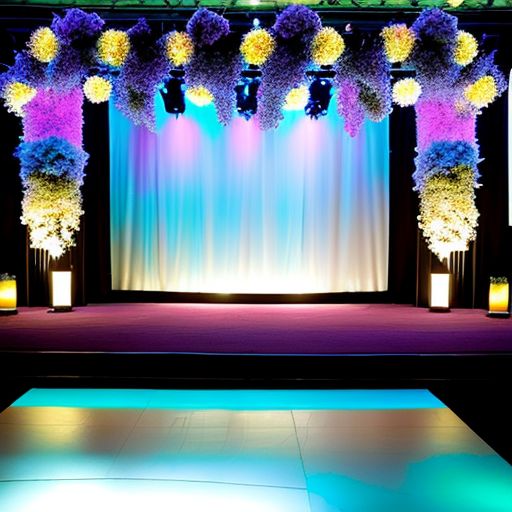
Scenic elements in theater
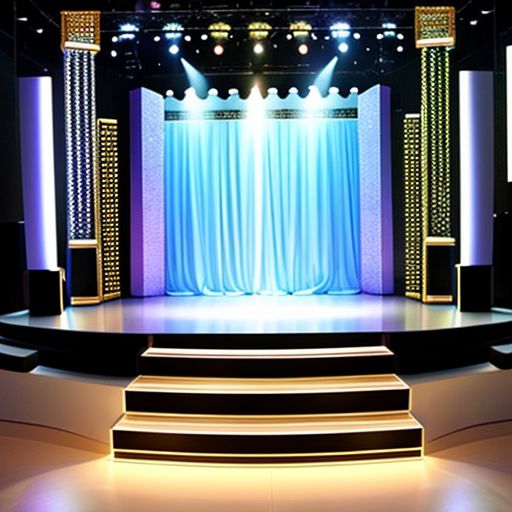
The scenic elements in theater are the visual and technical components used to create the scenic space and set the atmosphere of a play. These elements include sets, furniture, lighting, costumes, props and any other detail that contributes to the aesthetics and atmosphere of the theatrical production.
Each element plays an important role in the narrative and in creating the theatrical experience, working together to effectively convey the story, characters and emotions to the audience.
Costumes and set design
Costumes and set design are two essential elements in theater that work together to create the visual image of a production.
Costumes refer to the clothing and accessories that actors use during the performance. They not only define the appearance of the characters, but also reveal details about their personality, social status and historical context.
Costumes can be realistic, abstract or symbolic, and their choice plays an important role in characterizing the characters and conveying the story.
The set design, on the other hand, covers all the visual elements of the stage, including sets, lighting and other props. Its goal is to create the physical environment in which the play takes place.
The sets and the arrangement of the scenic elements not only establish the context and atmosphere, but also influence how the characters interact with their surroundings and how they relate to the story.
Together, the costumes and set design work together to convey the aesthetics, setting and message of the play, contributing significantly to the overall theatrical experience.
How to make sets for theater?
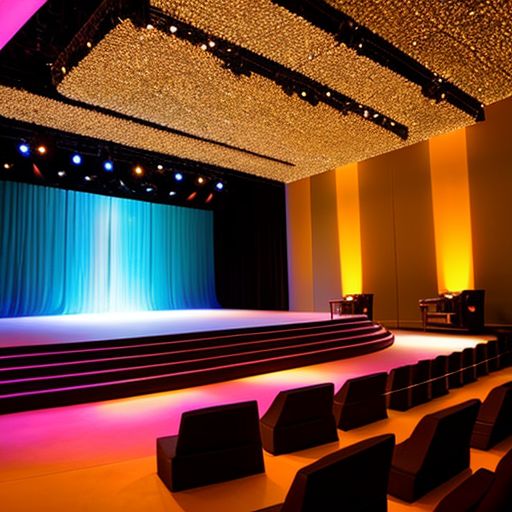
Creating theater sets involves a combination of planning, design and execution. Here is a brief guide to making theatrical sets:
Read the script: Start by understanding the story and details of the script. Identify the different locations and settings needed for the play.
Conceptual design: Create a visual concept that reflects the aesthetics and style of the production. Decide whether the set design will be realistic, abstract, symbolic or another style.
Planning: Determine the dimensions of the stage and how different areas will be used. Consider the location of the actors' entrances and exits, as well as the technical needs (lighting, sound, special effects).
Drawing and model: Make drawings or models that represent the arrangement of the sets and elements on the stage. This helps visualize how everything will look.
Set construction: Build the sets according to the designs. You can use materials such as wood, cardboard, fabric and paint to bring the sets to life.
Lighting: Design a lighting plan that highlights the different moments and settings of the play. Lighting is essential for creating atmospheres and highlighting key elements.
Assembly: Place the sets on the stage according to the previously planned design. Make sure everything is secure and in place.
Costumes and props: Coordinate with the costume and prop designers to make sure the visual elements fit harmoniously on the stage.
Rehearsals and adjustments: Do rehearsals on the stage to check the functionality of the sets and make sure the actors can move around comfortably.
Final details: Add details such as accessories, props and any other component that helps create the desired atmosphere.
Technical tests: Perform lighting, sound and special effects tests to ensure that everything works as planned.
Presentation: Once everything is ready, the play can be presented to the public. During the performances, make sure that the scenic elements are kept in good condition and fulfill their function.
The process may vary depending on the size of the production, the budget and the creative vision of the team. Collaboration and planning are key to achieving effective and memorable theatrical stages.
Set designers and their functions
Set designers are professionals who are in charge of the design and creation of the scenery in theatrical, film and other stage productions. Their functions cover several stages of the creative process:
Script interpretation: They understand the story and the visual elements needed to convey the plot and characters of the play.
Conceptual design: They create a visual concept that reflects the aesthetics and tone of the production. They decide whether the scenery will be realistic, abstract, symbolic, etc.
Set design: They create plans and designs that represent the layout and details of the sets, as well as the dimensions of the stage.
Selection of materials: They choose the right materials to build the sets, considering factors such as strength, appearance and functionality.
Collaboration: They work closely with other members of the creative team, such as costume, lighting and props designers, to ensure that all visual elements harmonize.
Supervision of construction: They direct the process of building the sets, either by coordinating a team of builders or by actively participating in the construction.
Technical coordination: They ensure that the sets and scenery are functional for lighting, sound and other technical needs.
Testing and adjustments: They perform tests on the stage to verify the viability of the sets and adjust any technical or design problems.
Final execution: They supervise the installation and final arrangement of the sets on the stage, making sure that everything is in place for the performances.
Maintenance: During the performance period, they are in charge of keeping the sets in good condition and making repairs if necessary.
Collaboration with the director: They work together with the director to ensure that the artistic vision is properly reflected in the set design.
Set designers play a crucial role in creating the atmosphere and visual narrative of a production, collaborating with other professionals to achieve a coherent and effective stage experience.