
Personal and social development through active participation
Social education is a discipline that seeks to promote the comprehensive development of individuals in vulnerable situations, offering tools and opportunities for their integration into society. Through pedagogical strategies and an empathetic approach, social educators work to boost self-esteem, enhance skills, and provide emotional support to those who have been marginalized or excluded.
What does social education consist of?
Social education is an approach that seeks personal and social development through active participation and real-world experience. It is based on practical learning, critical reflection, and group collaboration. It promotes inclusion and is applied in various contexts, such as formal education and community programs, with the goal of improving people's social and emotional skills and their ability to face social challenges.

Why is social education important?
Social education is important because it promotes the comprehensive development of individuals, strengthening their social, emotional, and life skills. It helps understand and address social challenges, fosters inclusion and community participation, and facilitates the creation of committed and empathetic citizens who contribute positively to society.
Research, Development, and Innovation in Social Education
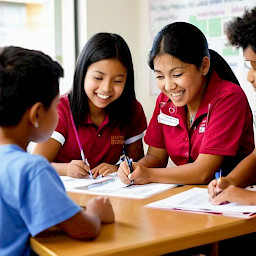
Research, development, and innovation in social education involves exploring and creating novel approaches to address social and educational challenges. It entails researching new socio-educational intervention strategies, developing more effective working methods, and creating innovative solutions to promote social well-being and personal development. This process drives continuous improvement in the field of social education, allowing adaptation to society's changing needs and advancing toward a more effective and meaningful practice.
Job Placement and Continuing Education for Social Education Professionals
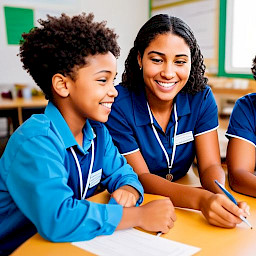
Job placement refers to the integration of social education professionals into the labor market. Once they earn their degree, these professionals can find employment in a variety of sectors, such as community programs, social services, educational institutions, and non-governmental organizations. In addition, continuing education is essential to stay up to date in the constantly evolving field.
Professionals take part in courses, workshops, and development activities to improve their skills, acquire new knowledge, and adapt to the latest trends and approaches in social education. This continuing education ensures that they are well prepared to face changing challenges and provide more effective support to the individuals and communities they work with.

Social Education in Cultural Policies
Social education in cultural policies refers to the incorporation of educational and social approaches in the planning and implementation of cultural programs. It involves using cultural activities as tools to promote personal development, social inclusion, and the well-being of individuals and communities.
These policies seek to harness the potential of culture to educate, inspire, and enrich people's lives, fostering active participation and intercultural understanding. In short, social education in cultural policies integrates the educational value of culture to drive a positive impact on society.

Social Education, Cultural Diversity and Local Development
Social education, cultural diversity, and local development intertwine to promote harmonious coexistence and progress in diverse communities. Social education uses inclusive approaches to address cultural diversity and foster mutual understanding.
This contributes to local development by strengthening community bonds and empowering people from different backgrounds to actively participate in their environment. Valuing cultural diversity in social education enriches the social fabric and contributes to the sustainable and equitable growth of local communities.
Education and Community Development in Rural and Urban Contexts
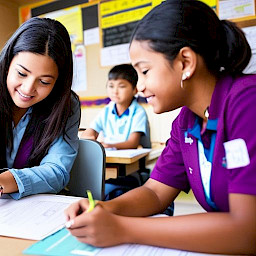
Education and community development are essential in both rural and urban environments. In rural contexts, education can improve access to opportunities, empower communities and promote sustainable practices. Community development in these areas seeks to strengthen infrastructure, services and local capacities.
In urban environments, education addresses challenges such as exclusion and inequality, fostering skills and social mobility. Community development in urban areas drives citizen participation, improvement of services and the creation of inclusive spaces.
The education and community development are essential in both contexts to strengthen communities, improve well-being and promote sustainable progress.
Entry profile
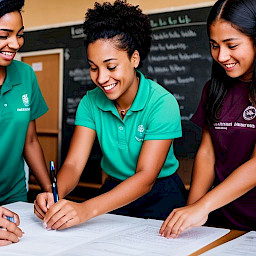
The entry profile refers to the set of characteristics, skills and knowledge that students are expected to possess when entering an educational program. This profile is usually designed to ensure that students are prepared to tackle the content and challenges of the program. It may include academic requirements, specific skills and attitudes that will facilitate learning and successful participation in the program. The entry profile helps ensure that students have an adequate foundation to make the most of their educational experience.
Personal skills of a social educator
The personal skills of a social educator include empathy to understand others, effective communication skills to interact and convey ideas, ability for active listening, patience to work in challenging situations, flexibility to adapt to different contexts and needs, and an attitude of respect and support towards the people they work with.
What do you need to study to become a social educator?
To become a social educator, you generally need to study a Degree in Social Education or a related degree in social sciences or humanities.
This academic program provides knowledge about educational theories, social psychology, human development, social intervention and community work. It is also beneficial to have skills in communication, empathy and problem solving to effectively address the social and emotional challenges of the people you work with.
What career opportunities will you have?
A degree in social education offers various career opportunities in the field of social intervention and education. You can work as a social educator in community programs, social service centers, educational institutions and non-governmental organizations. You can also specialize in social work, social pedagogy or socio-educational intervention.
The options include project coordination, counseling, training and personal development roles. In addition, you can consider working in social inclusion in education, addressing social equality challenges and contributing to the overall well-being of society.
Career opportunities for the social educator
Career opportunities for social educators include working in community programs, social service centers, non-governmental organizations, educational institutions, rehabilitation centers, child and adolescent care, assistance for people with disabilities or at social risk, as well as intervention in situations of conflict and social exclusion. They can also perform counseling, project coordination and training roles in various social contexts.
Conclusion
Social education is a key discipline that covers a wide range of concepts and areas. Those who choose a degree in social education embark on a learning journey that explores the intersection between education and the social sciences. The subjects in this program range from social pedagogy to social work and personal development.
One of the fundamental pillars is socio-educational intervention, where future social educators are equipped with skills to promote social well-being and personal development in individuals and groups. This intervention is also aimed at social inclusion in education, seeking to equalize opportunities for all.
Employment is diversified into roles ranging from teaching in community contexts to project coordination in areas of social work and social pedagogy. Some choose to apply for social education competitive examinations, competing for positions in government institutions or social programs.
This field also recognizes the intrinsic relationship between education and social mobility, where social education contributes to expanding opportunities and reducing disparities. It advocates for education and social equality, emphasizing that each individual deserves a quality education that supports their personal development and contributes to the overall social well-being.