
Why study Astronomy?
The degree in Astronomy is related to the way of understanding the world, to the applications created from our knowledge and to the way of measuring time. The degree in Astronomy is fascinating and, the study of Astronomy is related to the search for and understanding of the cosmos, the stars and the galaxies.
Research through tools such as telescopes equipped with cameras to collect information and discover those mysteries of the universe still unsolved. The astronomer observes, analyzes the data and interprets what surrounds the firmament, the stellar systems and the planets, among other phenomena.
Astronomers study the universe and delve into its mysteries. The main components of an astronomer's training are mathematics and physics.
There are two types of astronomers: theoretical and observational. The theoretical ones are dedicated to understanding the evolution of the universe, collecting data and comparing it with other observations or simulations. The observational ones focus on discovering new theories and seeking ways to revalidate the work of theoretical astronomers.
The astronomer plans their observations, analyzes the information and develops new theories. They have a great capacity for abstraction from reality, base their foundations on logical reasoning, understand spatial, physical and mechanical concepts. They show good synthesis to convey their ideas through their inductive and deductive ability.
The degree in Astronomy is related to the processes for understanding what space is, what practical applications accompany the study of the universe, how navigation is guided at sea and in the air, how calendars are put together and how time is measured accurately.
How do I know if the degree in Astronomy is for me?
People who study the degree show a special interest in observing everyday situations through which physical phenomena manifest themselves. They express a curiosity about physics and nature, the analysis of the cosmos and the questions surrounding it and are methodical and patient with their work. They feel comfortable working individually or in a team in very quiet and orderly environments.
Astronomy is a very broad field. It is a fantastic field for anyone who wants to learn more about the cosmos and how it works. If you enjoy mathematics, have good communication skills and are patient, astronomy can be a good career option.
In which sectors does an astronomer work?
Astronomers carry out their work in sectors related to teaching and research at universities, carry out analyses in national or international observatories, work in aviation institutions or naval and planetary organizations. They usually work in areas far from the city.
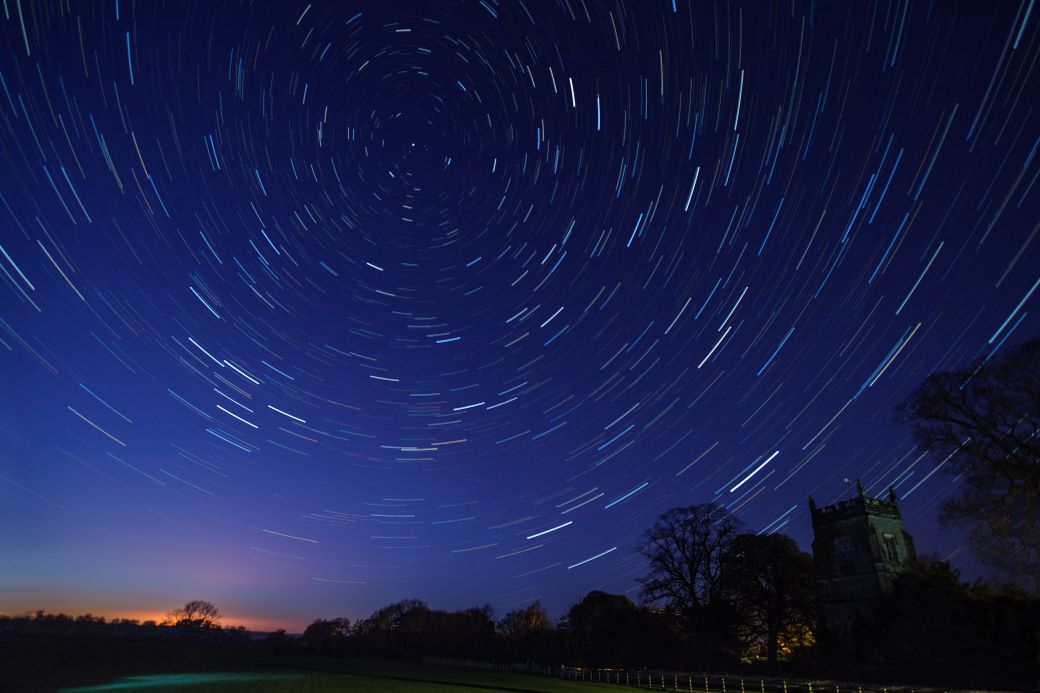
Astronomers use equipment to measure the positions, movements and characteristics of stars, galaxies and other objects in the sky. They also use their equipment to make observations that reveal information about the objects themselves.
Advantages and disadvantages of an astronomer
The advantages of studying Astronomy are:
Discovering much more beyond the world where we are;
Constantly acquiring new knowledge;
Connecting with people who share the same existential questions about the cosmos and the universe;
Passing on through teaching their passion for the degree;
Openness to work fields related to Meteorology, Geology and Oceanography.
The disadvantages of the degree are:
Simply attending class is not enough, the astronomer needs to keep moving and searching for new knowledge;
It requires a lot of study time;
Proficiency in languages such as English is often required;
It is not a degree for those trying to see whether they like it or not: those who get involved in its study are already passionate about their goals;
It requires a mix of mathematics, physics and programming for better understanding.
In short, the work of an astronomer consists of "discovering, exploring and studying objects in the sky", which includes planets, stars, galaxies, comets, meteorites and other phenomena. The work of an astronomer consists of gathering information about celestial objects, which is then used to develop theories.
The work of an astronomer also involves explaining their discoveries through writing, illustration, or videography. The work of an astronomer also involves communicating this knowledge to the public.