
Multimedia Design Assistant
The Multimedia Design Assistant, also known as Assistant Multimedia Designer, supports the creation of visual, audiovisual, digital and interactive content for stage productions. It is an entry-level role within technical theatre and stage production, ideal for people who want to combine art, technology, video, animation, digital design, projection, visual effects and teamwork.
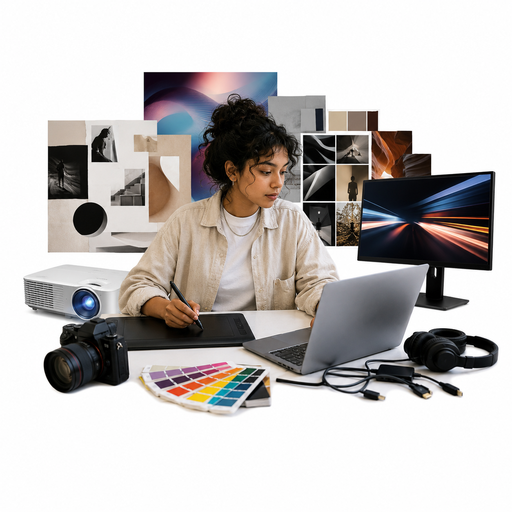
It may also appear as:
• Assistant Multimedia Designer
• Multimedia assistant
• Assistant audiovisual designer for the stage
• Assistant multimedia content designer for shows
• Stage video assistant
• Projection assistant
• Media design assistant
Professional sector:
• Technical theatre and stage production
• Performing arts
• Multimedia production for shows
• Audiovisual design for the stage
• Digital design applied to events
• Live audiovisual production
• Immersive experiences, stage video and interactive multimedia
The technical theatre and stage production brings together the people who work behind the scenes to turn an artistic idea into a real experience for the audience. Within this sector, multimedia design is responsible for creating images, videos, animations, visual sequences, audiovisual effects, projections, digital and interactive content that is integrated into theatre plays, dance, opera, concerts, festivals, events, museums, installations and immersive experiences.
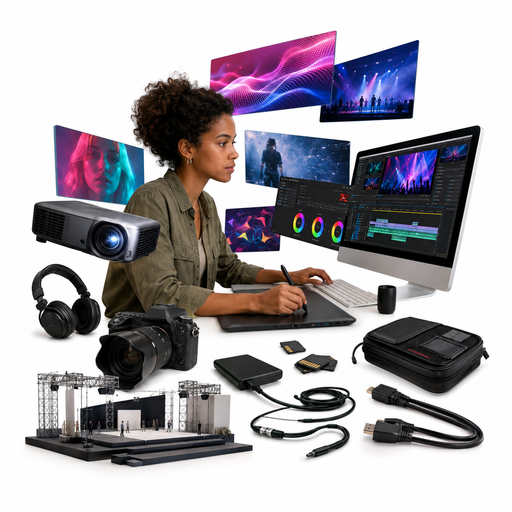
The Multimedia Design Assistant takes part in an initial or support stage. They do not usually direct the entire multimedia concept, but help research references, test ideas, create drafts, prepare files, edit videos, adapt formats, generate visual content and adjust pieces according to the instructions of the Multimedia Designer and the creative team.
It is a good entry point for people who don't know what to study, but are interested in digital art, video, animation, technology, visual design, theatre, events or audiovisual experiences. It can also be useful for those coming from graphic design, audiovisual communication, photography, editing, video games, creative programming or digital art who want to apply those skills to the stage world.
The Multimedia Design Assistant supports the Multimedia Designer in creating content that is incorporated into a production. Their work may include digital images, videos, animations, sequences, visual effects, audiovisual resources, screen content, projections, or multimedia systems.
This role focuses on helping develop effective multimedia designs for a production, researching recent techniques, developing visual ideas, and creating content that conveys the style, atmosphere, and theme sought by the creative team.
May be suitable for people who:
• Want to start in a creative and technological career
• Like editing video, animating, designing images, or working with screens
• Enjoy experimenting with creative software
• Want to work in shows, theatre, concerts, events, or immersive experiences
• Prefer a practical, visual, and collaborative career
• Seek to build a professional portfolio
• Want to enter the audiovisual world through a stage-based role
• Are changing careers and need a concrete way in
• Are interested in digital design but don’t want to work only on static pieces
• Are drawn to the idea of seeing their work integrated into a live experience
KEY FUNCTIONS AND TASKS
Support in developing multimedia content
• Contribute ideas about the types of media a production may need
• Use multimedia creation tools to develop content drafts
• Create digital images, videos, animations, sequences, or audiovisual effects
• Prepare visual proposals for the multimedia team to review
• Present multimedia content to the creative or technical team
• Correct and improve content based on feedback received
• Adapt visual pieces to the style, tone, rhythm, and theme of the production
• Prepare test versions for rehearsals, internal reviews, or technical tests
• Support the integration of content with lighting, sound, set design, movement, and direction
Contribution to multimedia content requirements
• Interpret production needs to create suitable content
• Research visual, technical, narrative and aesthetic references
• Analyze what type of content may work best depending on the space, the work, the audience and the available resources
• Review instructions from direction, design, production or the multimedia team
• Help translate an artistic idea into concrete digital materials
• Identify formats, durations, resolutions or versions needed for each piece
• Check that the content can play correctly on the intended systems
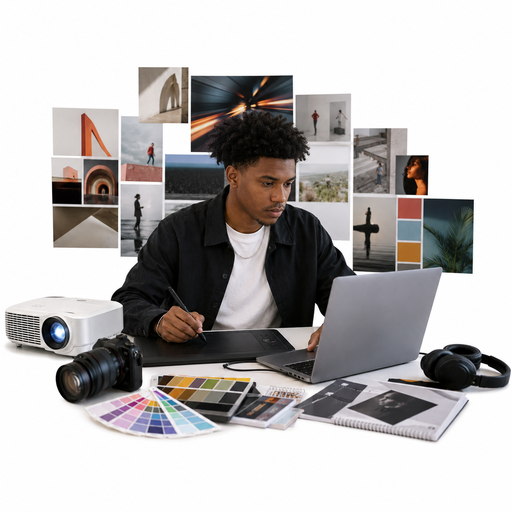
Skills and portfolio development
• Research recent techniques, media and tools
• Explore creative software to expand skills
• Practice editing, animation, composition, interactive design or projection
• Build a portfolio with pieces created in projects, exercises or previous work
• Document research processes, sketches, tests and results
• Improve mastery of basic programs and move toward more specialized tools
• Save organized versions of each project to show professional growth
• Develop visual and technical judgment through constant practice
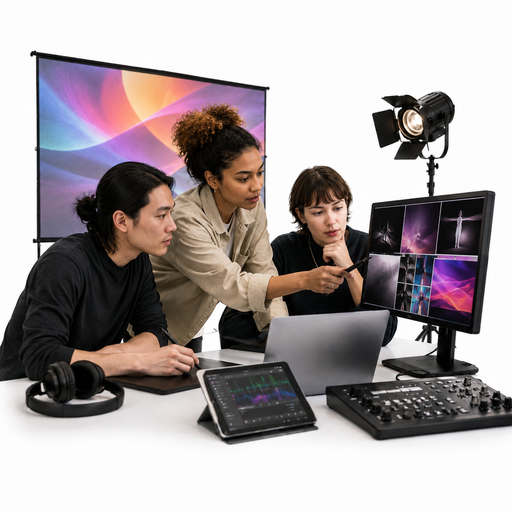
POSITION SKILLS FRAMEWORK
The position combines creative, digital, technical and collaborative skills. It is a professional learning role, so the person is not expected to master everything from the start, but to be able to learn quickly, receive feedback, organize files, research references and produce content with visual judgment.
Critical basic skills
• Digital fluency
• Collaboration
• Creative thinking
• Transdisciplinary thinking
• Problem solving
Technical skills
• Conceptual creation for production design
• Content creation
• Digital and interactive design
• Immersive video editing for performing arts
• Multimedia infrastructure design
• Innovation management
• Development of multimedia file formats
• Multimedia design
• Multimedia operation
• Video editing
• Vision mixing
• Digital image production
• Basic animation
• Motion graphics
• Visual composition
• Content preparation for screens or projection
• Organization of audiovisual files
• Export and format conversion
• Basic content synchronization with a production
• Visual and technical quality review
• Use of creative software
• Content preparation for technical tests
• Adaptation of pieces to different visual media
• Basic version and file management
Soft skills
• Clear communication
• Teamwork
• Ability to receive feedback
• Attention to detail
• Curiosity
• Organization
• Patience for revising versions
• Adaptability
• Responsibility with deadlines
• Aesthetic sensitivity
• Understanding of visual language
• Ability to collaborate with designers, technicians, producers and directors
• Tolerance for last-minute changes
• Continuous learning
• Judgment to prioritize tasks
• Ability to explain visual ideas simply
• Willingness to work in iterative processes
• Commitment to the visual coherence of the production
Digital skills
• Video editing
• 2D animation
• Basic 3D animation
• Motion graphics
• Interactive design
• Projection and mapping
• Video for stage
• Immersive video
• Augmented reality
• Virtual reality
• Extended reality
• Real-time visuals
• Multimedia authoring software
• Multimedia playback systems
• Media servers
• Real-time engines
• Digital compositing
• Content design for LED screens
• Audiovisual production for hybrid events
• Responsible use of creative artificial intelligence
• Organization of digital assets
• Workflow between design, editing, export and playback
• Integration of content with video, projection or screen systems
• Design for immersive and interactive experiences
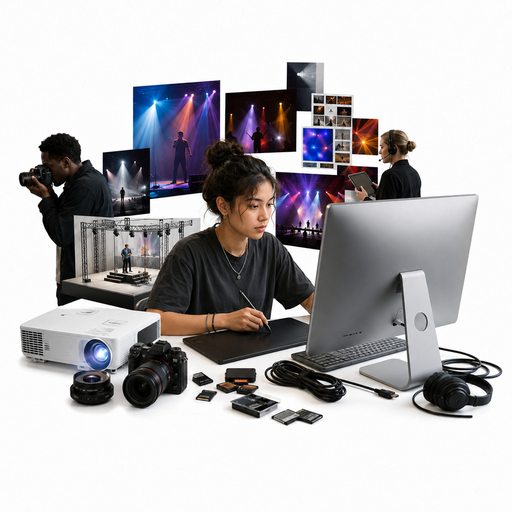
SKILLS AND COMPETENCIES
Conceptual design
Conceptual creation for production design
Ability to transform an artistic idea into a visual or audiovisual proposal that supports the staging. In this role, it is applied by creating references, moodboards, digital sketches, visual tests and content drafts.
Expected competency:
• Can support the development of visual ideas based on creative direction
• Can research references and organize initial proposals
• Can collaborate with the design team to turn concepts into concrete visual pieces
• With more experience, can propose own visual solutions and participate in more complex creative decisions
Content creation
Production of visual, audiovisual or digital pieces: images, videos, sequences, animations, effects and materials for projection, screen or stage integration.
Expected competency:
• Can create multimedia content following a visual guide
• Can prepare preliminary versions for review
• Can adjust pieces based on feedback from the creative team
• Can deliver organized materials ready for technical use
Digital design
Use of digital tools to create visual, audiovisual or interactive content that can respond to a narrative, a stage space, a screen, an installation or an immersive experience.
Expected competency:
• Can use creative software to produce digital pieces
• Can adapt content to different formats and media
• Can participate in interactive or digital projects with supervision
• Can learn new tools according to the needs of each production
Immersive video editing for performing arts
Preparation, editing or adaptation of visual content for immersive experiences, stage spaces, installations, projections or digital environments.
Expected competency:
• Can support editing materials for immersive experiences
• Can adapt visual content to screens, projections or immersive spaces
• Can work with visual references and technical tests
• Can collaborate with designers, technicians and operators to adjust content to the real space
Infrastructure design
Understanding of how multimedia content connects with screens, projectors, playback systems, video equipment, cables, formats and technical needs of a production.
Expected competency:
• Can understand the basic technical needs of a multimedia piece
• Can prepare files with their final playback in mind
• Can collaborate with the technical team to solve format, signal or display problems
• Can learn how multimedia systems are integrated within a stage production
Innovation management
Search for and application of new techniques, tools, media, styles or processes to expand creative possibilities within a production.
Expected competency:
• Can research new tools, trends and techniques
• Can propose experimental ideas in an orderly way
• Can test visual solutions before applying them in a production
• Can help the team explore new ways to create multimedia content
Formats and files
Shaping multimedia file formats
Preparation, adaptation, export, conversion and organization of files so that they work correctly in a production's playback systems.
Expected competency:
• Can organize files clearly
• Can export content in suitable formats
• Can check resolution, duration, size, name, version and compatibility
• Can fix basic file problems before a technical rehearsal or performance
Multimedia design
Creation and adaptation of visual, audiovisual, digital or interactive content to integrate with set design, lighting, sound, movement, dramaturgy and overall concept.
Expected competency:
• At the start, can support design and content preparation tasks
• With practice, can create complete multimedia pieces for a production
• With more experience, can develop more complex visual proposals
• At advanced stages, can lead the multimedia concept of a play, event or experience
Multimedia operation
Support in testing, running, playing or reviewing multimedia content during rehearsals, setups, technical rehearsals or performances.
Expected competency:
• Can help load, test and play content
• Can follow technical instructions during rehearsals or tests
• Can detect simple playback errors
• Can collaborate with operators, technicians and designers during setup
Video
Video editing
Cutting, ordering, adjusting, compositing, exporting and preparing audiovisual material for stage, digital or performance use.
Expected competency:
• Can edit simple pieces following visual direction
• Can adjust pacing, duration, color, basic sound and continuity
• Can prepare versions for review
• Can export materials suitable for screens, projection or live playback
Live visual production
Vision mixing
Selection, combination or support in managing visual signals for live events, cameras, screens, projections or multimedia systems.
Expected competency:
• Can understand the basic live visual signal flow
• Can support camera, screen or projection tests
• Can collaborate in selecting or reviewing visual signals
• Can learn to operate live visual systems with supervision
Entry roles
• Multimedia design assistant
• Multimedia design intern
• Audiovisual assistant
• Video assistant
• Editing assistant
• Projection assistant
• Motion graphics assistant
• Junior multimedia technician
• Junior playback operator
• Digital content assistant
• General crew with multimedia tasks
• Visual content production assistant
Bachelor's degrees
Approximate duration: 3 to 5 years, depending on country, university and program structure
- Bachelor's degree in multimedia design
Penn State World Campus: Digital Multimedia Design, Bachelor of Design - Bachelor's degree in digital arts
University of Florida: Bachelor of Arts in Digital Arts and Sciences - Bachelor's degree in animation
Griffith University: Bachelor of Animation - Bachelor's degree in interactive design
ArtCenter College of Design: BS in Interaction Design - Bachelor's degree in film, television or digital media
UCLA: Film, Television & Digital Media BA - Bachelor's degree in experience design
California Institute of the Arts: BFA Experience Design and Production - Bachelor's degree in video games or real-time media
Rochester Institute of Technology: Game Design and Development BS - Bachelor's degree in audiovisual production
Universidad Abierta Interamericana: Bachelor's Degree in Audiovisual Production and Direction
Technical degrees
Approximate duration: 1 to 3 years
- ETER, Argentina: Advanced Degree in Audiovisual Production
- Areandina, Colombia: Technology Degree in Audiovisual Animation and Post-Production
- Duoc UC, Chile: Technology Degree in Sound and Lighting
- Politécnico Colombiano Jaime Isaza Cadavid, Colombia: Technology Degree in Event Production
- UTEC, Uruguay: Technical Degree in Creative Communication and Digital Entertainment
- Duoc UC, Chile: Audiovisual Technician
SECTOR TRENDS
Digitalization of artistic productions
More and more productions incorporate screens, projections, video, digital systems, audiovisual content, and remote operations. This increases the need for people who can create, adapt, and operate multimedia content for stage contexts.
Immersive experiences
Audiences seek more participatory and engaging experiences. That's why opportunities are growing in extended reality, augmented reality, virtual reality, mapping, immersive video, interactive installations, and experience design.
Accessibility and diversity
The sector is paying more attention to audiences with different abilities. This can include subtitles, audio description, accessible visual resources, assistive technologies, and experiences designed for diverse audiences.
Interdisciplinarity
Multimedia design intersects with lighting, sound, set design, directing, programming, performance, dance, music, installation, and technology. In small productions, the same person may create content, edit, operate visuals, and support technical tasks.
More flexible and multi-skilled roles
Professionals need to become familiar with several disciplines and work in increasingly interdisciplinary environments. This favors profiles that combine design, technical skills, management, creativity, and continuous learning.
Expansion into other markets
Multimedia skills can be applied outside the theater: corporate events, concerts, museums, exhibitions, brands, immersive experiences, streaming, virtual production, video games, education, advertising and digital content.
Use of real-time tools
Engines like Unity, Unreal Engine, live visuals systems, media servers and interactive tools expand the design possibilities for stage, events and immersive experiences.
Creative artificial intelligence
AI can help generate visual references, explore styles, speed up tests or create preliminary materials. However, it requires ethical judgment, human review, rights care and artistic coherence.
POSSIBLE WORKPLACES
• Theaters
• Performing arts companies
• Show production companies
• Festivals
• Concerts
• Operas
• Dance productions
• Audiovisual studios
• Video production companies
• Animation studios
• Motion graphics studios
• Corporate event companies
• Museums
• Galleries
• Immersive exhibitions
• Theme parks
• Cultural centers
• Venues and performance halls
• Creative technology companies
• Mapping studios
• Virtual or augmented reality studios
• Creative agencies
• Streaming teams
• Hybrid event production companies
• Digital content production companies
• Virtual production studios
• Interactive experience companies
• Audiovisual departments of educational institutions
• Freelance work
• Own entrepreneurship as a multimedia designer, editor, visual artist, VJ or experience creator
ADVANTAGES AND DISADVANTAGES
Advantages
• Allows you to enter the world of technical theater through a creative and digital path
• Combines art, video, animation, technology and production
• It's a good entry point for building a portfolio
• It can be applied to theater, events, concerts, museums, installations and immersive experiences
• Allows you to learn by working on real projects
• Can open paths toward multimedia design, video, mapping, XR, motion graphics or audiovisual production
• It's useful for people who want to change careers from graphic design, audiovisual, animation, technology, art or communication
• Has freelance and project-based opportunities
• Allows you to work on varied projects
• Helps develop transferable skills for creative and technology industries
• Can be a concrete way to combine visual creativity with digital tools
• Suits people who learn by creating, testing and revising
Disadvantages
• May require many hours in front of a screen
• There may be several rounds of revisions
• Production deadlines can be tight
• In some markets, first jobs may be project-based, internship or freelance
• There may be pressure during rehearsals, setups and performances
• Tools need to be constantly updated
• Creative work may depend on budgets, the director's criteria, technical limitations or last-minute changes
• You don't always start by designing main pieces: at first there may be many assistance, filing, exporting, testing and adjustment tasks
• Requires building a portfolio to demonstrate ability
• There may be variable schedules depending on rehearsals, deliveries, setups or performances
• Some specialized opportunities may be concentrated in cities with more cultural, audiovisual or event activity
• It may be necessary to invest time in learning software and creating your own projects before getting better opportunities
The Multimedia Design Assistant role can be a good option if you want to start a creative, digital and hands-on career without limiting yourself to traditional graphic design or classic audiovisual. It is an entry into the world of live shows, immersive experiences, stage production, live video, mapping and digital art applied to real spaces.
It may suit you if you like images, movement, technology, theater, music, events, editing, animation or visual experiences. It can also help if you still don't know what to study, but you know you don't want a completely theoretical career and you prefer to learn by doing, trying tools, creating pieces and building a portfolio.
To start, it's a good idea to learn video editing, multimedia design, motion graphics, file organization, formats, visual composition, and basic notions of stage production. Afterwards you can move on to projection, mapping, interactive design, immersive experiences, virtual reality, media servers, or multimedia direction.
You don't need to have your entire career figured out from day one. You can start as an assistant, practice with small projects, take part in student or independent productions, create personal pieces, document your processes, and build a portfolio. With experience, this role can grow toward multimedia design, stage video, projection, creative technology, audiovisual production, immersive experiences, or visual content direction.