
Air Hostess
The Passenger Cabin Crew (TCP) are sometimes recognized as stewardess, air hostess or flight attendant.
The TCP inside an airplane is the face of the airline, they are the person passengers see and interact with and they also have the role of ensuring the safety of their passengers. A TCP trains intensively to be able to work on the airplane. They pass theoretical and physical tests.
In short, we can say that the members of an airplane's cabin crew ensure that passengers experience a safe, comfortable and pleasant flight. They offer a consistently high level of safety
The tasks they perform include checking the aircraft cabin, greeting and seating passengers, giving safety demonstrations, selling and serving refreshments, it is about working with amazing people and interacting with a wide range of customers every day, as well as meeting sales targets during the flight, working closely with the Captain and the rest of the crew makes each flight unique.
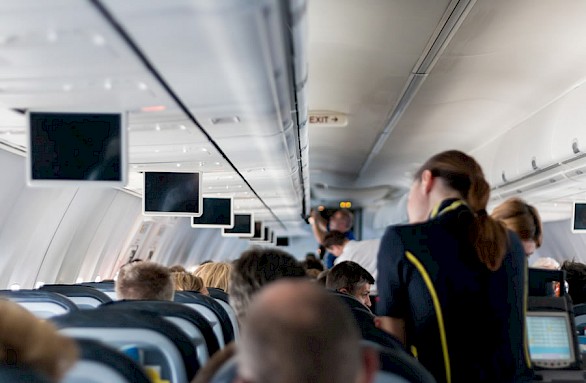
Cabin staff are trained to respond to emergency situations, to administer first aid and resolve difficult situations. They also provide assistance to passengers with jet lag symptoms. Dietary changes and schedule changes make this job physically exhausting.
Aviation is expected to expand in the next decade, with more job opportunities in the airline industry. The OMT in 2016 warned that tourism will involve about 1.8 billion international trips by 2030 and that its capacity for adaptation contributes to "sustainable growth".
If you are thinking about pursuing a career as a Flight Attendant, you can apply for admission to the training programs of the major airlines.
Some requirements to become a TCP
To become a TCP you must have a good basic education, be at least 18 years old, pass physical fitness tests and it can be very useful if you have previous experience in customer service.
During training, the TCP learns new skills such as putting out fires, exercising, swimming, learning to evacuate an airplane and going down the emergency slide, practical training is received during evacuation drills.
The cabin crew works irregular hours in shifts that include nights, weekends and holidays. Time is spent mainly working in the cabin of a passenger plane during the flight. Significant time away from home is normal in this career.
General steps to become a TCP
At many airlines you need to complete a form to start the process and successfully pass their English exam, physical tests and go through several interviews.
If the interview is positive, you move on to the next assessment stage where a height check, presentations and group exercises are carried out, if the tests are satisfactory a personal interview is subsequently held. If successful, you must be able to obtain security passes to work at the airport. To do so, you will need to provide your employment history and an up-to-date criminal record check.
Skills to be a TCP
- Good communication skills to understand and meet passengers' needs.
- The ability to work efficiently and supportively with colleagues in aisles and small spaces.
- Excellent customer service to deal with passengers in a polite, professional and sensitive way.
- Good numeracy to handle and exchange currency during in-flight shopping.
- Being able to think quickly to keep passengers calm during difficulties, such as emergency landings.
- Physical stamina to deal with jet lag and remain on duty for long hours in the cabin.
First steps as a TCP
You take your first job after completing training that includes passenger care, customer service and security, customs and immigration, with time and progression in the role, cabin crew manage the first-class cabin and supervise other staff, in other exclusive cases serving very important and prestigious passengers aboard commercial planes or private jets.
The TPC has multiple opportunities within their career, from working in recruitment, to becoming a cabin manager, moving to a new base, working a variety of routes and meeting different passengers every day, no day is the same.
Offering excellent customer service in the skies is not easy. You will be thinking on your feet and responding to customers' needs for the duration of each flight. There is always something to do, from very important safety checks to serving refreshments or meeting in-flight sales targets.
Some related careers
Airline Customer Service Agent: Checks passengers in for their flight, weighs luggage and issues boarding passes.
Customer Service Agent: is responsible for answering all customer inquiries, handling complaints and providing information about the services offered by their airline, the agent is considered to play a very important role in the industry since they are the first point of contact with the customer.