
Dancer
Dancer: what they do, what to study and where to work
A dancer uses movement to interpret music, express ideas and take part in artistic productions. Their work combines technique, sensitivity, physical preparation and collaboration. Behind a performance there is learning, rehearsals, creative decisions and coordination with other people.
The career can develop in companies, shows, audiovisual productions and independent projects. To choose this path, it is helpful to know both the training and the working conditions and the different possibilities for growth.
What does a dancer do?
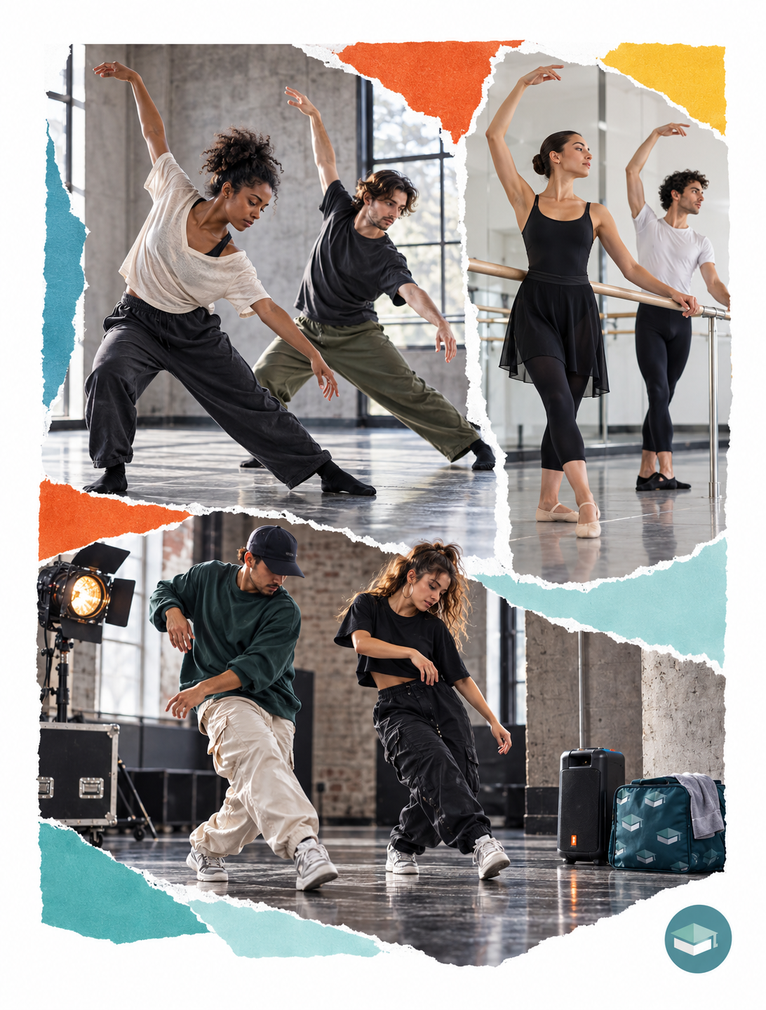
They interpret movements and choreographic sequences for a stage or audiovisual production. They can follow a choreography, contribute ideas or improvise within a creative framework. Their usual tasks include:
- Prepare for auditions and selection processes.
- Learn sequences, work on their precision and adapt them to the interpretation.
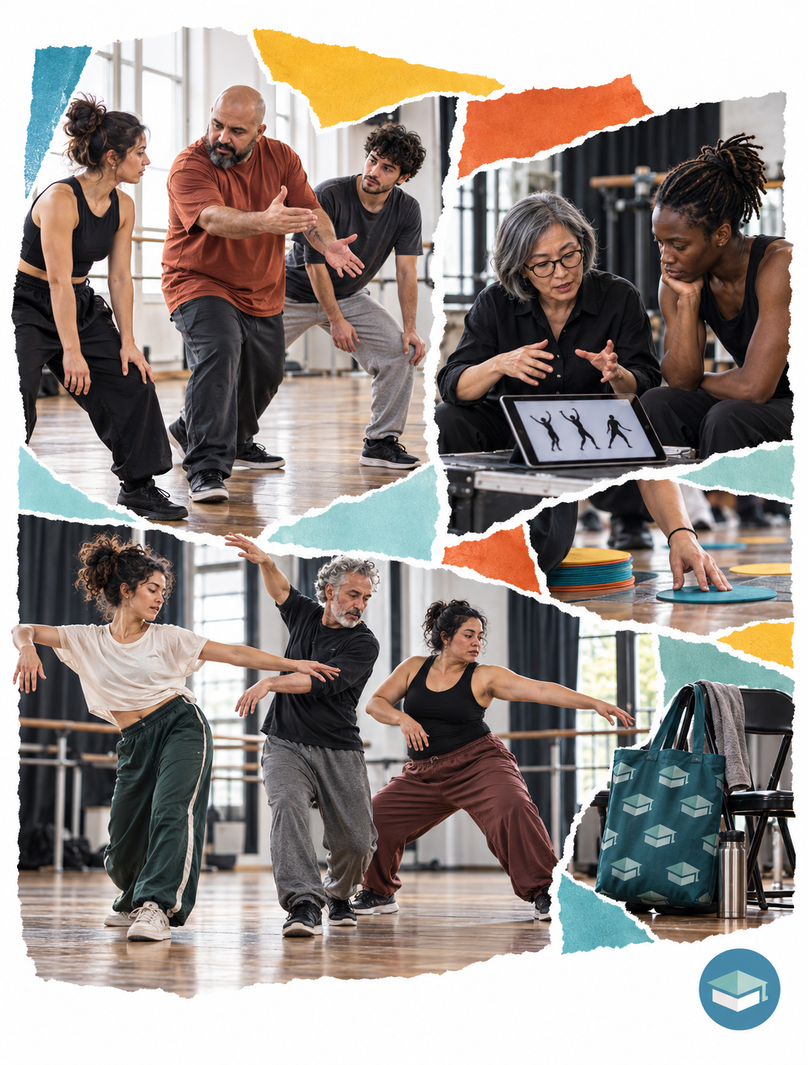
- Rehearse with other performers and receive guidance from the artistic team.
- Take part in performances, recordings and promotional activities.
- Continue training and organize their preparation between projects.
Performing, creating choreographies and teaching are related but different roles. Choreography involves developing and organizing a production; teaching requires pedagogical tools. Experience as a performer can contribute to both, although each role needs specific preparation.
Styles and areas of specialization
Ballet works with a defined technical vocabulary; contemporary dance brings together diverse approaches to movement and creation. Jazz, tap, urban dances and partner dances have their own techniques, repertoires and contexts.
You can also orient your training toward musical theatre, where dance, acting and singing are often combined, or toward commercial and audiovisual productions. Knowing various styles can broaden your repertoire, but it is advisable to develop a solid foundation in the area where you want to work.
What to study to become a dancer
There is no single path. Requirements depend on the style, the institution and the project. You can train in academies, conservatories, specialized schools or higher education institutions, and complement that path with workshops and stage practice.
When comparing programs, check the techniques they teach, the teaching experience, the performance opportunities and the admission requirements. Distinguish dance training from a teaching program or a degree focused on choreographic composition.
As an example, the Universidad Nacional de las Artes, in Argentina, offers a Technical Degree in Dance Performance and a Bachelor's Degree in Choreographic Composition. Check the requirements and official calls for each option.
If you want to start as an adult, look for training suited to your experience and goals. Learning dance and joining a professional company are different goals: some auditions require an advanced technical level or specific preparation.
Skills and daily preparation
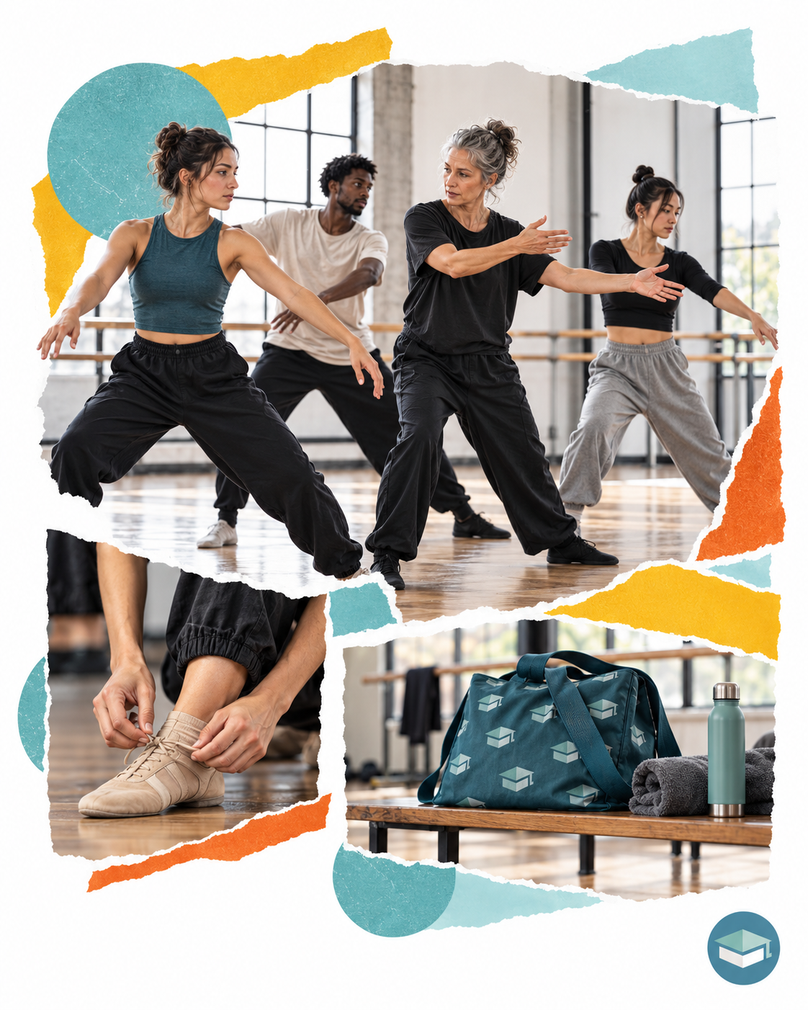
The career requires musicality, coordination, movement memory, performance skills and the ability to work in a team. Attention, punctuality, communication and a willingness to receive feedback are also important.
Physical preparation must meet the demands of each style. Professional work includes managing effort and recovery; it is not about ignoring fatigue. To learn more about well-being and health in dance, you can consult the resources of the International Association for Dance Medicine & Science.
The pressure of an audition and job uncertainty also deserve attention. A respectful training environment allows you to learn without turning body comparison or put-downs into teaching methods.
Where you can work
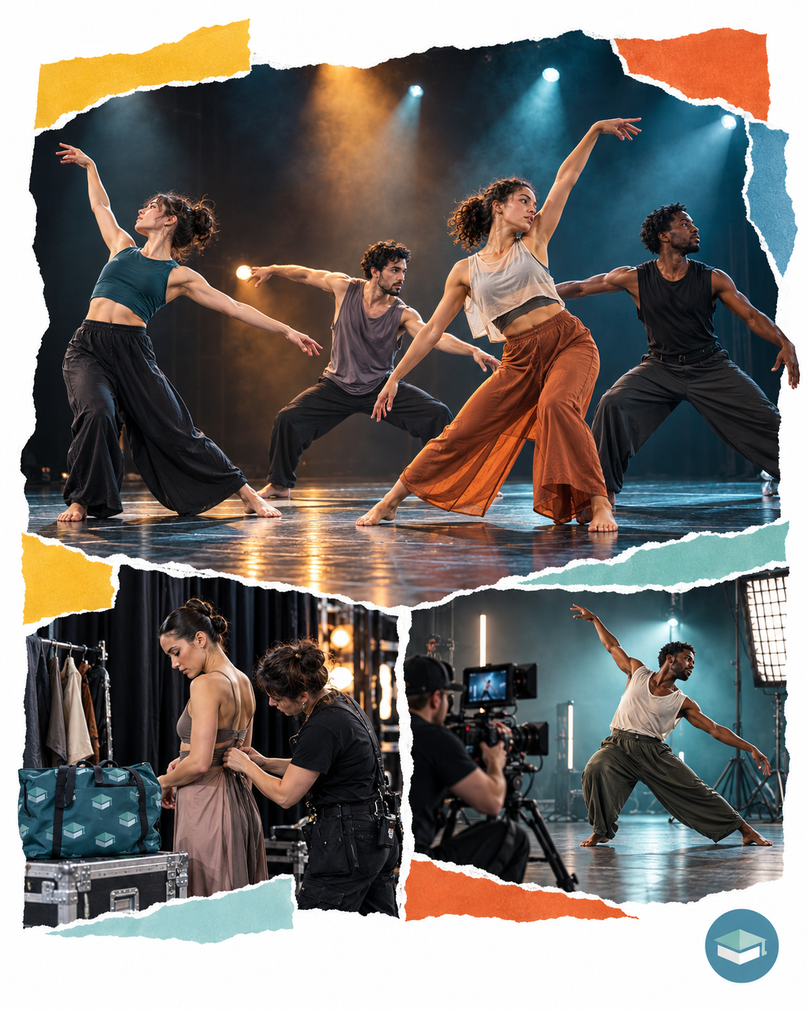
Opportunities include dance companies, theaters, musicals, concerts, festivals, television productions, music videos and other audiovisual content. There are also independent projects and opportunities in tourist shows and events.
Conditions vary between a permanent company, a tour and a one-off engagement. According to the United States Bureau of Labor Statistics, variable schedules and part-time work are common; some positions require travel. These characteristics provide guidance about the career, but specific conditions must be verified in each market.
How to prepare for auditions and a video portfolio
Before applying, read what the call asks for: style, level, availability, and materials. Prepare the required pieces and a brief presentation of your training and experience.
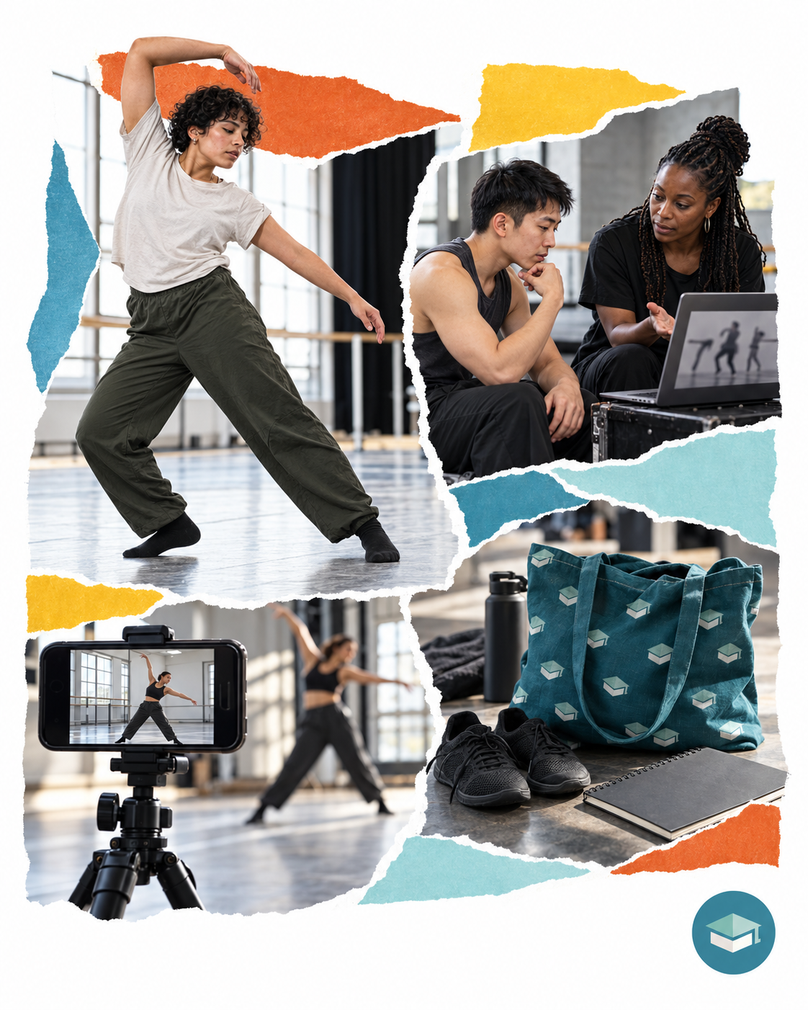
A portfolio with videos that brings together samples of your performance. Choose fragments that are relevant to the role, with lighting and framing that allow the full movement to be seen. Clarifying your participation in group works helps evaluate your experience.
Ask for permission before using recordings of classes, companies, or other people. Keep your materials and contact details up to date. A selection considers the fit with a specific production: an unfavorable result does not define your full professional ability.
Income and independent work
There is no universal figure. Income depends on the country, experience, type of production, length of the contract, and the tasks included. Payment per performance is not equivalent to a monthly salary nor does it alone show how much is charged for rehearsing.
Before accepting an offer, check what the pay covers: rehearsals, performances, travel, accommodation, and use of the recordings. Also review payment dates and cancellation terms. To compare figures, use local sources that indicate date and hiring type.
Independent work also requires organizing budgets, availability, and expenses. If you offer classes or workshops, you need to consider your teaching preparation and the requirements of the place where you will teach.
Digital tools and artificial intelligence
Recordings allow you to review rehearsals and prepare presentation materials. Editing and organization tools can make the video portfolio, project coordination, and professional communication easier.
AI assistants can help prepare proposal drafts or organize notes.
Their use needs review: a generated description should not invent experience, and a digital recreation should not be presented as a real performance. Respect permissions for using images, voices, and movements of other people.
How your career can evolve
It is not advisable to set a universal age to stop performing. Decisions depend on your trajectory, job demands, and personal goals. Teaching, choreography, rehearsal direction, and project management are professional paths that require their own skills.
Frequently asked questions
Do I need a degree to work?
It depends on the position and the employer. For performing, technique and the audition can carry weight; for teaching in certain settings, specific qualifications may be required.
Can I combine performing and teaching?
Yes, if you have the necessary training and organize your schedule. They are related activities that require different skills.
Is dancing professionally the same as creating content on social media?
They are activities that can complement each other. Digital visibility does not replace training nor guarantee artistic hiring.
Explore your interest in dance
You can learn about the Dance degree and explore how it relates to your interests. An introductory class, a conversation with professionals, and reviewing study plans can help you decide which path you want to try.
Don't know what to study? Start with our career test.