
Props Designer
The Prop Designers are responsible for identifying and designing the right props for a production. They normally work closely with Stage Managers and Set Designers to design and create prop objects that match the style and period of the production.
They understand and use different tools, methods and materials to create props that look authentic and can produce the desired effects.
They are also responsible for estimating the cost of the props and ensuring that any purchase or rental stays within budget. In addition, they manage the prop team’s schedule.
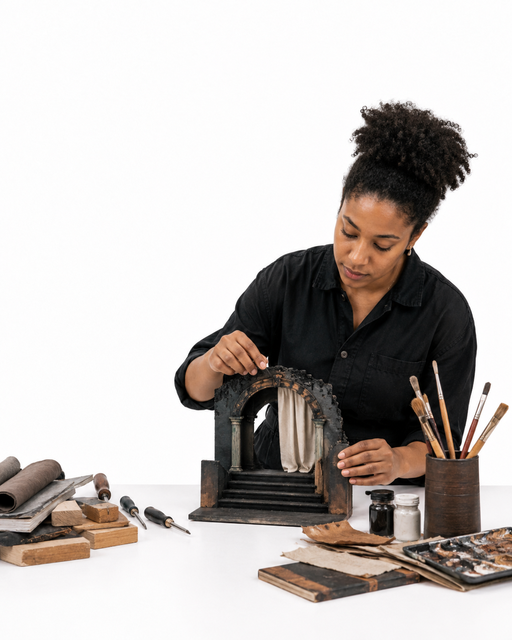
Skills needed to study and work in prop design
Communication and personal skills
- Clear communication with directing, production, set design and other creative teams.
- Ability to listen to feedback and adjust designs.
- Collaboration with carpenters, contractors, technicians and designers.
- Adaptability to changes in budget, time or creative concept.
- Attention to detail.
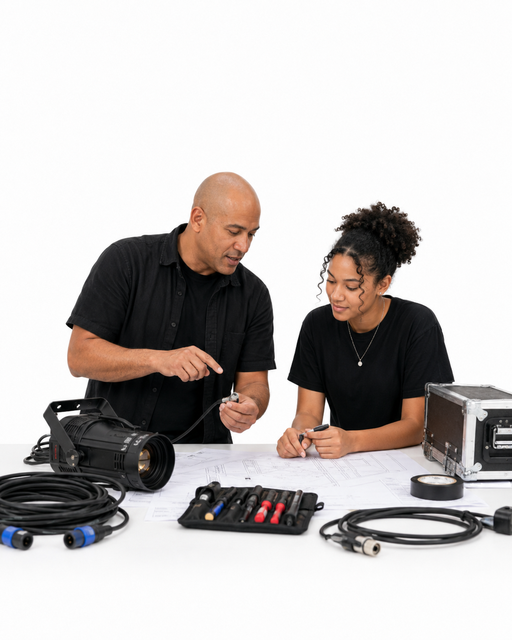
Technical skills
- Prop design.
- Production design.
- Prop management.
- Set construction.
- Set design.
- Visual style development.
- Knowledge of tools, methods and materials.
- Workplace safety and health.
- Supplier and contract management.
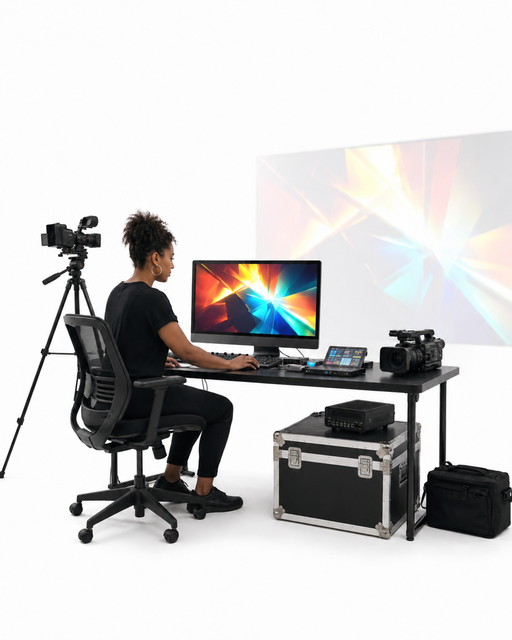
Digital skills
- Searching for and organizing visual references.
- Digital presentation of design ideas.
- Basic use of planning and budgeting tools.
- Visual record of materials, objects, and processes.
- Research into new techniques and materials.
Business skills
- Cost estimation.
- Comparison between purchase, rental and construction.
- Coordination with suppliers.
- Budget control.
- Evaluation of available resources.
Management skills
- Planning the props schedule.
- Assigning tasks to team members.
- Organizing work according to the project plan.
- Tracking purchases, rentals and designs.
- Coordination between creative and technical areas.
Sustainability, ethics and impact
- Reuse of materials whenever possible.
- Responsible choice of resources.
- Reduction of waste in production.
- Looking after the safety of the team.
- Design of functional and safe objects for performers and technicians.
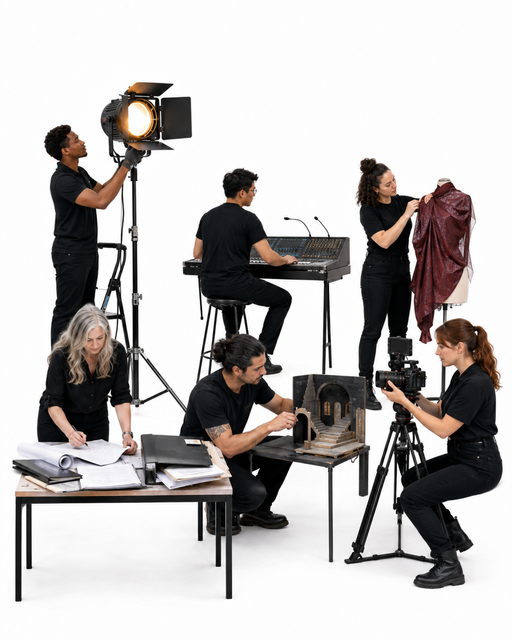
Critical job functions and key tasks
Develop prop designs
- Conceptualize the types of props needed.
- Develop designs for the required props.
- Present prop design plans to creative and production management.
- Refine prop design plans based on input from creative and production management.
- Support the construction of the necessary props in collaboration with contractors and carpenters.
Establish prop requirements
- Determine prop requirements by coordinating with creative and production management.
- Communicate actively with the Prop Supervisor to coordinate the purchase and rental of props, tools and materials.
- Communicate actively with other creative designers to create the desired props.
Plan the development of the items
- Provide time estimates for specific prop team tasks, in accordance with the production schedule.
- Assign work to junior team members according to their skills and in alignment with the project plan.
- Identify the tools and process requirements needed for the assigned work.
- Ensure that prop purchases, rentals and designs stay within budget.
Entry-level, mid-level, senior, management and executive roles
Entry-level
- Prop assistant.
- Scenic workshop assistant.
- Set design assistant.
- Scenic production assistant.
Intermediate
- Prop technician.
- Prop builder.
- Prop coordinator.
- Prop designer.
Senior
- Props supervisor.
- Senior props designer.
- Head of props department.
Direction
- Production designer.
- Scenic art director.
- Creative production manager.
Technical skills
- Conceptual creation for production design.
- Contract and supplier management.
- Production design.
- Prop design.
- Prop management.
- Set construction.
- Set design.
- Sustainability management.
- Visual style development.
- Occupational health and safety.
Critical core skills
- Creative thinking.
- Communication.
- Transdisciplinary thinking.
- Collaboration.
- Adaptability.
Technical skills
- Conceptual creation for production design.
- Prop design.
- Prop management.
- Production design.
- Set construction.
- Set design.
- Visual style development.
- Supplier and contract management.
- Sustainability management.
- Occupational health and safety.
Soft or personal skills
- Creative thinking.
- Communication.
- Collaboration.
- Adaptability.
- Transdisciplinary thinking.
- Organization.
- Attention to detail.
- Ability to receive and apply feedback.
- Teamwork.
Digital or emerging skills
- Research on recent materials, methods, and tools.
- Use of digital tools to sketch, document, or present ideas.
- Digital organization of visual references.
- Management of budgets and production schedules.
- Exploration of sustainable materials and reuse processes.
Advantages and disadvantages of working in this role
Advantages
- It lets you combine creativity, design and hands-on work.
- It can open up opportunities in theater, film, television, events and exhibitions.
- It is ideal for people who enjoy creating tangible objects.
- It offers a variety of projects and styles.
- It lets you build a visual portfolio.
Disadvantages
- It may involve tight budgets.
- Production timelines can be demanding.
- It requires constant coordination with other teams.
- It may involve physical work and handling materials.
- In some markets, many opportunities may be project-based or freelance.
Possible workplaces
- Theaters.
- Performing arts companies.
- Show production companies.
- Festivals.
- Operas.
- Musicals.
- Dance productions.
- Audiovisual production companies.
- Television studios.
- Film.
- Live events.
- Museums and exhibitions.
- Set design workshops.
- Cultural spaces.
- Freelance work.
- Own ventures in design and construction of objects.
The Prop Designer role brings together creative, technical, and organizational tasks. Its main responsibility is to ensure that each prop matches the style, period, and needs of the production, staying within budget and coordinating with the creative, technical, and production teams to achieve the expected results.