
Audio Engineer
An audio engineer is a key professional in various industries where expert sound management is required.
Their technical knowledge, mixing and audio manipulation skills, along with the use of specialized software and equipment, allow them to work in different settings, such as music, film, television and video games.
Their experience and creativity are essential to achieving a high-quality listening experience and meeting the demands of projects.
The field of audio engineering offers ample opportunities for professional development and the chance to explore new, constantly evolving technologies and trends.
What Is an Audio Engineer?
An audio engineer is a professional specialized in handling sound equipment and technology. They are generally trained with a university degree in Audio Engineering or Sound Engineering.
Their main role is to capture, record, process and reproduce sound with the best possible quality.
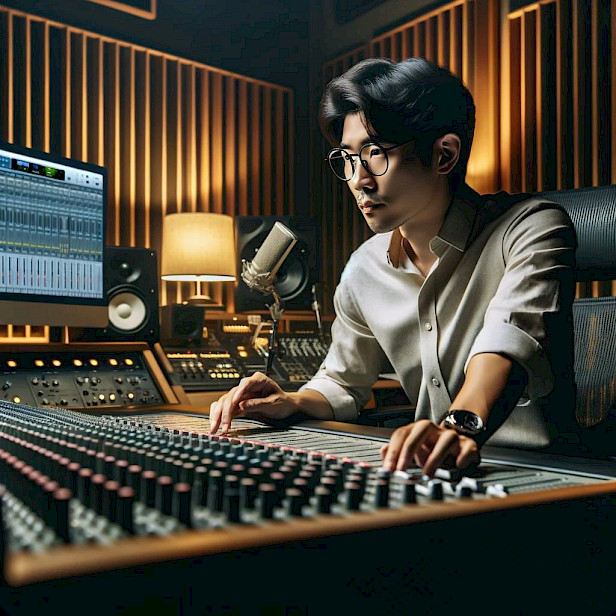
They use their technical knowledge and skills in mixing and post-production to ensure an optimal listening experience in various areas such as music, film, television and video games. Their work is essential to achieving excellent sound quality in any audiovisual project.
Responsibilities and Duties of the Audio Engineer
The audio engineer has various responsibilities and duties in their area of work. Some of them include:
- Capture and record sound at concerts, recording studios or live events.
- Process and mix sound to achieve good quality and balance.
- Perform post-production tasks, such as editing and final mixing.
- Set up and operate sound equipment at live events.
- Collaborate with artists, producers and directors to ensure that the sound fits their needs and visions.
- Troubleshoot technical issues and ensure sound equipment works properly.
- Stay up to date on the latest technologies and trends in the field of sound.
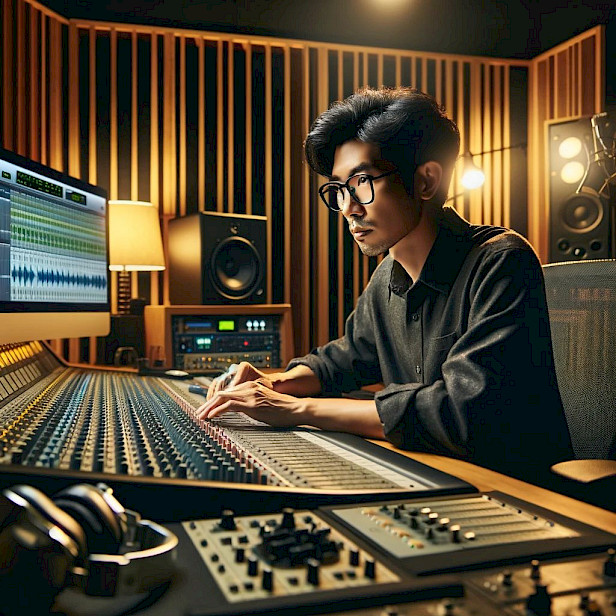
The audio engineer plays a fundamental role in creating a quality listening experience in different industries. Their expertise and technical skills are essential for achieving satisfactory results in audiovisual projects.
Skills and Knowledge of the Audio Engineer
The audio engineer must possess a series of skills and technical knowledge to perform their work optimally.
These skills include: knowledge of audio systems, skills in sound mixing and post-production, the ability to solve technical problems and maintain sound equipment in good condition, as well as communication and collaboration skills with artists and producers.
They must also be up to date with the latest technologies and trends in the field of sound.

Technical knowledge of audio systems
The Audio Engineer must have solid technical knowledge of audio systems in order to design, configure and maintain sound equipment. They must understand the principles of acoustics, know the different types of microphones, speakers and mixers, and understand how signal processors and amplification systems work.
They must also be able to solve technical problems related to connecting and operating sound equipment.
Skills in sound mixing and post-production
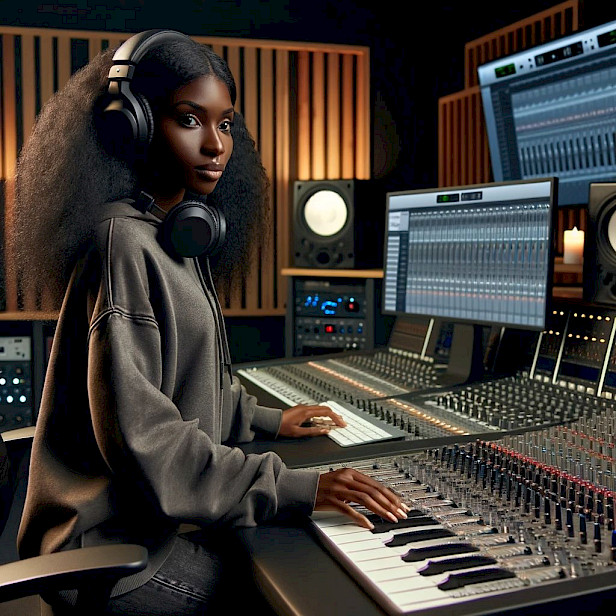
The Audio Engineer must possess advanced skills in sound mixing and post-production. This involves having the ability to adjust the balance and placement of the different sound elements, removing unwanted noise and applying effects and signal processing. In addition, they must have knowledge ofediting and mixing software, such as Pro Tools, to perform post-production tasks and achieve a high-quality final product with sonic coherence.

Equipment and Software Used by the Audio Engineer
The Audio Engineer uses a variety of equipment and software to carry out their work. Some of the essential equipment includes audio mixers, amplifiers, microphones, headphones, speakers, and recorders.
When it comes to software, one of the most widely used is Pro Tools, which allows for professional audio editing, mixing, and mastering. Other common programs are Logic Pro, Cubase and Ableton Live. These tools are essential for the Audio Engineer to do their job effectively and achieve high-quality results.
Essential Equipment of the Audio Engineer
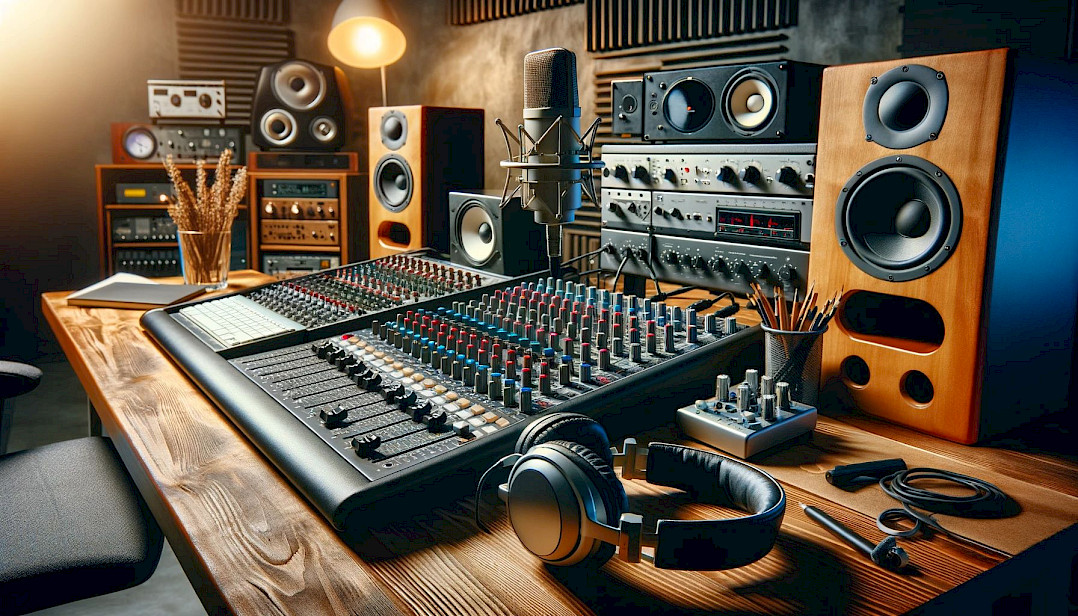
The Audio Engineer's essential equipment includes a variety of items that allow them to do their job effectively. Some of this essential equipment is:
- Audio mixers: they let you adjust and combine different sounds and signals.
- Amplifiers: used to boost the audio signal and improve its quality.
- Microphones: they capture sound from various sources and environments.
- Headphones: used to monitor and listen to sound accurately.
- Speakers: they play back sound so others can hear it.
- Recorders: they allow you to capture audio live or in studios.
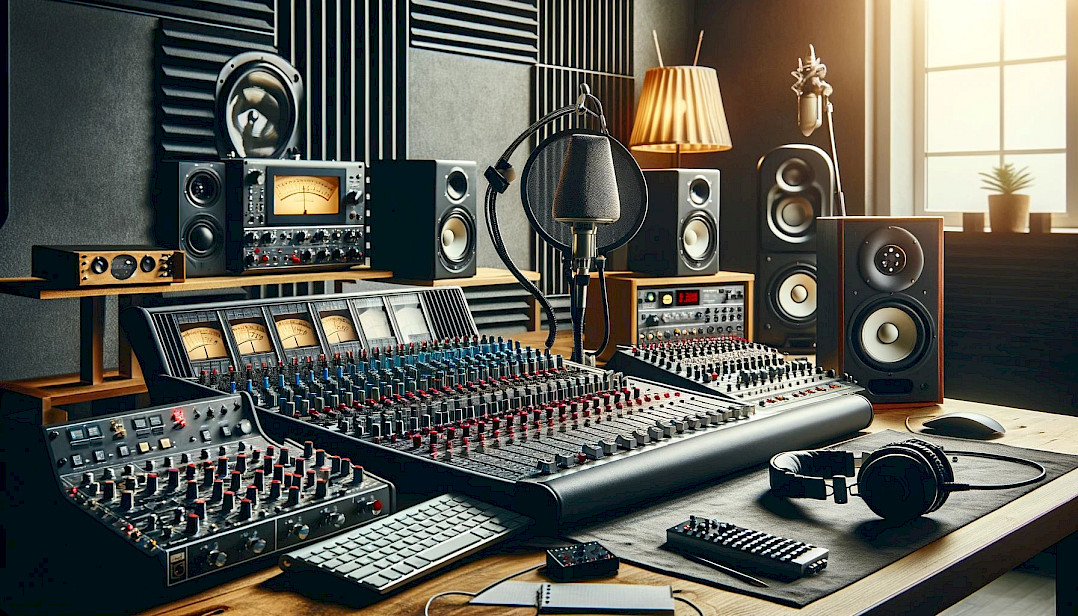
This equipment is essential for the audio engineer to do their job properly and ensure high-quality sound.
Career Paths and Opportunities for the Audio Engineer
The audio engineer has diverse career opportunities and professional paths.
They can work in recording studio and music production, where they collaborate with artists and bands to achieve the best sound quality in their projects. They can also embark on sound engineering in the film and television industry, creating sound effects and mixing audio for audiovisual productions. In addition, the audio engineer can venture into live sound, working at concerts and live events to ensure a quality listening experience for the audience.
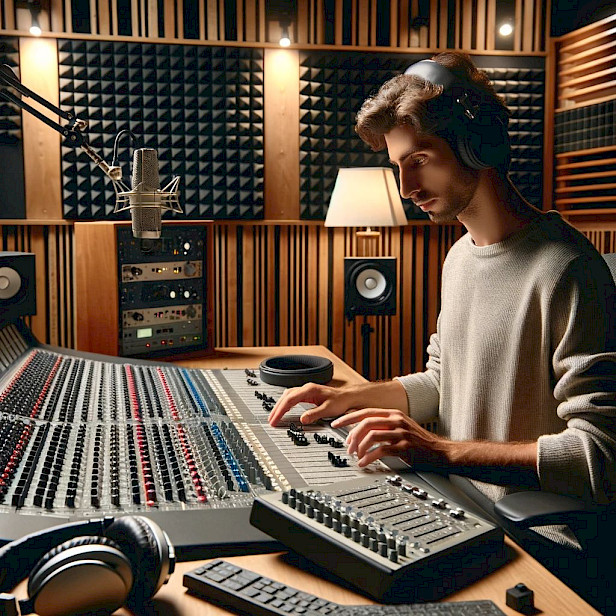
Another option is the video game industry, where they can develop and create immersive sound effects for games.
The opportunities for the audio engineer are diverse and exciting, and demand continues to grow in different fields. With solid skills and knowledge, the audio engineer can open the door to a prosperous and successful future in their professional career.
Recording studio and music production
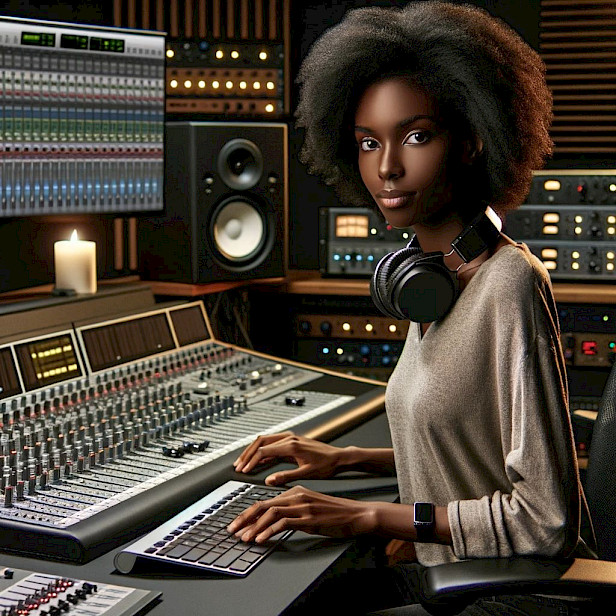
The Audio Engineer finds a great opportunity in the recording studio and music production. In this field, they work hand in hand with artists and bands to achieve the best sound quality in their musical projects. They are in charge of recording, mixing and mastering tracks, as well as the proper selection and use of audio equipment and software.
The Audio Engineer in this field plays a fundamental role in achieving a high-quality final product and meeting the artistic needs of musicians.
Sound engineering in the film and television industry
Sound Engineering plays a fundamental role in the film and television industry.
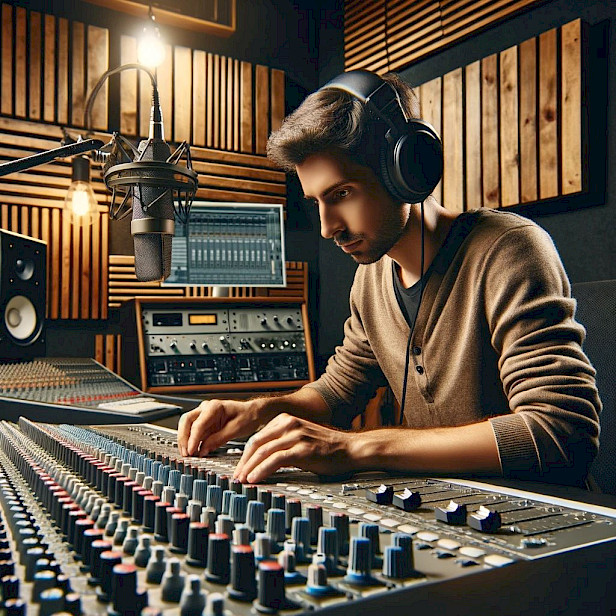
The Audio Engineer is in charge of capturing, recording and mixing sound during the production of films, series and television programs.
They work in close collaboration with directors and producers to ensure that the audio is of the best quality and matches the artistic vision of each project.
The use of microphones, mixers and recording systems allows the Audio Engineer to create an immersive listening experience for the viewer.
Importance of the Audio Engineer in Different Fields
The Audio Engineer plays a crucial role in various fields. In live sound, it ensures a quality concert experience. In the video game industry, it creates immersive sound effects.
In film and television, it captures and mixes sound to create a striking audiovisual experience. Its ability to create high-quality sound improves the overall quality of the production and ensures an exceptional listening experience for the audience.
Live sound and live sound
In the field of live sound, the audio engineer plays a crucial role. He is responsible for setting up and operating sound equipment for live events, such as concerts, festivals and sporting events. He also works on mixing and adjusting sound during the event to ensure a high-quality experience for the audience.
The audio engineer must have extensive technical knowledge and live mixing skills to achieve a balanced and clear sound on stage.
Audio engineering in the video game industry
In the video game industry, the role of the audio engineer is essential to creating an immersive experience. The audio engineer is in charge of creating and mixing sound effects, music and dialogue for video games. He also works on implementing these elements in the game's sound engine, ensuring that they match the game's actions and events.
The audio engineer in video games must have a thorough knowledge of sound design techniques and the ability to work in collaboration with the game development team to achieve maximum auditory impact.
The responsibilities and skills of the Audio Engineer
The audio engineer is responsible for working with sound and ensuring that it is produced to the highest quality. His main responsibilities include recording, mixing and editing audio, as well as ensuring that sound quality meets established standards. In addition, they must have technical skills in audio systems, as well as experience in sound mixing and post-production. Their knowledge of specialized equipment and software is essential to carrying out their work effectively.
Future and professional development in the field of audio engineering
The future and professional development in the field of audio engineering is promising. With technological advances and the growing demand for multimedia content, job opportunities for audio engineers are expected to keep increasing. In addition, the ability to work in different industries such as music, film, television and video games provides diversified career options.
With the development of new techniques and tools, audio engineers will need to stay up to date and keep perfecting their skills to remain competitive in this constantly evolving field.