
Surgical Technologist
Their work is essential to ensuring the safety and effectiveness of surgical procedures, contributing to patients' well-being and recovery.
What is a Surgical Instrument Technician?
A surgical instrument technician is a healthcare professional whose role is essential in the operating room. Their main function is to assist the medical team during surgical procedures, ensuring that all necessary tools and instruments are available and in optimal condition. They are also responsible for preparing and sterilizing instruments before and after each surgery.
The surgical instrument technician must have extensive knowledge of surgical techniques, as well as of the different types of instruments and their proper use.
In addition, they must be organized, resourceful, and able to work as part of a team, as they collaborate closely with surgeons, nurses, and other healthcare professionals in the operating room.
Surgical Instrument Technician or surgical instrumentalist
The correct and most widely used term is "Surgical Instrument Technician". This professional is responsible for knowing, preparing, and ensuring the correct use and availability of the surgical instruments needed during surgical procedures.
Although in some regions or contexts you might hear "surgical instrumentalist", the appropriate and specific term according to most academic programs and job descriptions in the healthcare field is "Surgical Instrument Technician".

Roles and Responsibilities of the Surgical Instrument Technician
The surgical instrument technician has several key roles and responsibilities in the operating room.
Their main task is to assist the medical team during surgical procedures, making sure that all necessary instruments and tools are available and in good condition. In addition, they are responsible for preparing and sterilizing instruments before and after each surgery to ensure patient safety. They are also responsible for performing the accurate count of instruments and materials used during surgery, to make sure that nothing has been left inside the patient. Furthermore, they must maintain clear and efficient communication with the medical and nursing team to ensure quality care and smooth workflow in the operating room.
Education and Training of the Surgical Instrument Technician
To become a Surgical Instrument Technician, completing a specific educational training is required. In most countries, this involves obtaining a degree or certificate in Surgical Instrumentation Technician. This study program generally includes theoretical and practical courses related to human body anatomy and physiology, surgical techniques, instrumentation and sterilization.
In addition, surgical instrument technicians commonly complete supervised clinical practice in a real surgical setting. This provides them with practical experience and allows them to apply the theoretical knowledge acquired in the classroom.
Upon successfully completing their education and training, surgical instrument technicians may choose to obtain certification through professional organizations, which demonstrates their competence and knowledge in the field.
Continuing education and training are important for surgical instrument technicians, as surgical techniques and technologies are constantly evolving. Staying up to date on the latest advances and practices is essential to providing safe, quality patient care.
Academic requirements to become a Surgical Instrument Technician
To become a Surgical Instrument Technician, completing specific educational training is required. Most countries require obtaining a degree or certificate in Surgical Instrumentation Technician. Academic requirements vary by country and educational institution, but generally include having completed secondary education or an equivalent, and passing the required courses and clinical practice. Some programs may also require entrance exams or interviews.
It is important to research the specific requirements of each program and make sure you meet them before starting training. In addition, continuing education and updating knowledge are essential to remain competent in the field.
Training and certification programs
To become a Surgical Instrument Technician, it is necessary to complete training programs and obtain the corresponding certification. These programs are generally offered in specialized educational institutions and aim to provide students with the theoretical knowledge and practical skills necessary to work in the field of surgical instrumentation.
During training, students will learn about surgical techniques, handling of instruments and medical equipment, sterilization, human anatomy, among other relevant topics. At the end of the program, additional requirements must be met, such as supervised clinical practices and theoretical and practical exams, to obtain certification as a Surgical Instrument Technician.
These training and certification programs are essential to ensure that surgical instrument technicians have the knowledge and skills necessary to perform their work safely and efficiently.
Skills and Competencies of the Surgical Instrument Technician
The Surgical Instrument Technician requires a series of skills and competencies to efficiently perform their work in the operating room. Some of these key skills include extensive knowledge of surgical techniques and tools, as well as organization and teamwork skills.
A good surgical instrument technician must have in-depth knowledge of the different surgical techniques and instruments used in each procedure. This involves knowing how to properly prepare, sterilize and handle instruments for each specific surgery.
In addition, the instrument technician must be organized and able to maintain order and cleanliness in the operating room, ensuring that all necessary instruments and supplies are available before and during surgery.
Likewise, it is essential for a surgical instrument technician to have teamwork skills, as they must collaborate closely with the medical and nursing team during surgery. This involves effective communication and the ability to adapt and coordinate with other team members.
The key skills and competencies of the surgical instrument technician include extensive knowledge of surgical techniques and tools, organization skills and teamwork. These skills are essential to ensure a safe and efficient environment in the operating room.
Knowledge of surgical techniques and tools
The Surgical Instrument Technician must have extensive knowledge of the different surgical techniques and the tools used in each procedure. They must be familiar with the different types of surgical instruments, both general-purpose and specialized, and know how to handle and use them properly during surgery. This includes knowing how to prepare the instruments, sterilize them correctly and place them precisely on the instrument table during surgery.
In addition, the surgical instrument technician must stay up to date on the latest surgical techniques and advances in the field of surgery. This requires staying current by attending training and continuing education courses.
Knowledge of surgical techniques and tools is essential for the surgical instrument technician to perform their work efficiently, ensuring a safe environment and facilitating the progress of the surgery.
Organization and teamwork skills
The Surgical Instrument Technician must have strong organizational skills and be able to work efficiently as part of a team. Organization is essential to ensure that all necessary instruments and supplies are available during surgery. They must be able to plan ahead and anticipate the needs of the surgical team, ensuring that everything is in place before the procedure.
The surgical instrument technician must have effective communication skills to collaborate smoothly with the medical and nursing team. They must be able to follow instructions and provide assistance accurately and promptly during surgery.
Teamwork is essential in the operating room, where multiple health professionals must coordinate for a successful outcome. The surgical instrument technician must be able to collaborate and adapt easily to different working styles and personalities, ensuring a harmonious and efficient work environment.
Surgical Equipment and Instrumentation
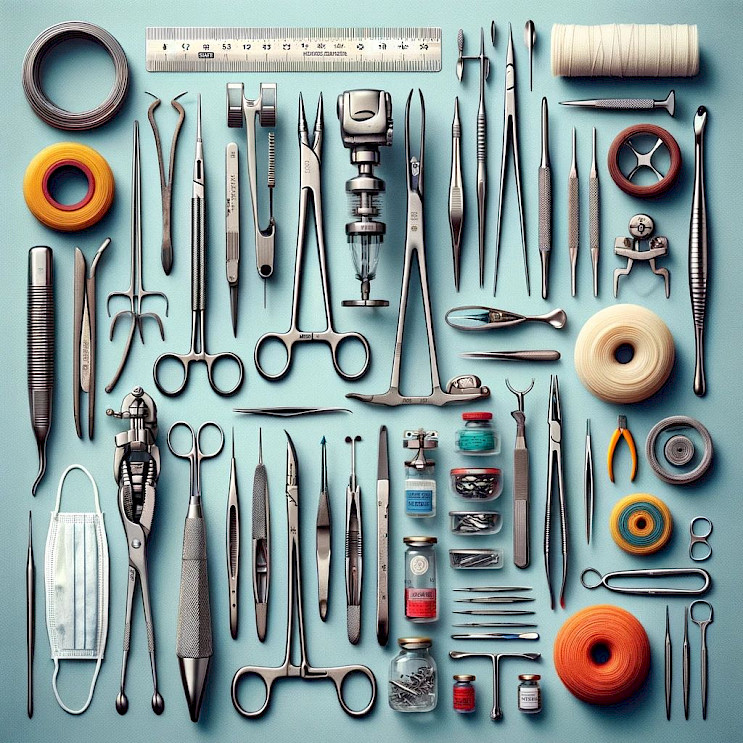
Surgical equipment and instrumentation are essential elements in any surgical procedure. The surgical instrument technician must be familiar with the different types of surgical instruments and their proper use.
There is a wide variety of surgical instruments, such as scalpels, forceps, scissors, retractors, among others. Each instrument has a specific function and it is essential to have a solid knowledge of its handling and application.
It is important to note that surgical instruments must be properly sterilized before use. The surgical technologist must be trained in the maintenance and sterilization of these instruments, following established protocols to ensure patient safety.
Surgical equipment and surgical instrumentation are essential tools in the operating room and the surgical technologist must be trained in their proper use and maintenance.
Types of surgical instruments and their use
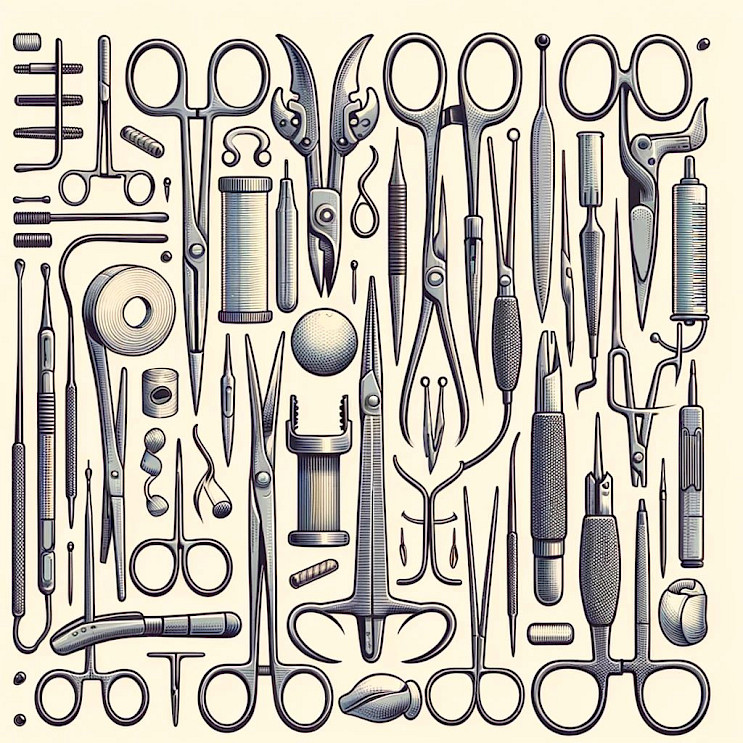
There are different types of surgical instruments that are used in surgical procedures to cut, suture, handle tissues, organs and blood vessels. Some of these instruments include:
- Scalpel: It is used to make incisions in the skin and tissues.
- Forceps: There are several types of forceps, such as dissection forceps, suture forceps and hemostatic forceps, which are used to grasp tissues, suture and control bleeding.
- Scissors: Surgical scissors have pointed or rounded tips and are used to cut tissues.
- Retractors: These instruments are used to hold open the edges of the incision and expose the surgical site.
- Surgical aspirator: It is used to suction blood, fluids and biological material during surgery.
Each of these instruments has a specific purpose and it is essential that the surgical technologist has a thorough knowledge of their correct use to ensure a safe and successful procedure.
Maintenance and sterilization of surgical instruments
The Surgical Technologist is responsible for ensuring that the instruments used in surgical procedures are in optimal working condition and fully sterilized. Proper maintenance and sterilization of surgical instruments are essential to prevent infections and ensure patient safety.
For maintenance, it is important to follow the manufacturer's recommendations and perform regular cleaning and sharpening of the instruments. In addition, they must be visually inspected for any damage or wear.
The sterilization of instruments is performed using different methods, such as autoclave or chemical sterilization. It is essential to follow established sterilization protocols and ensure that the instruments are properly packaged before use in the operating room.
The Surgical Technologist must be familiar with all maintenance and sterilization procedures, as well as keep accurate records of all activities performed, in order to comply with hygiene and safety standards in the surgical area.
| Instrument Maintenance | Instrument Sterilization |
|---|---|
| Regular cleaning and sharpening of instruments. | Autoclave or chemical sterilization. |
| Visual inspection to detect damage or wear. | Follow established sterilization protocols. |
| Follow the manufacturer's recommendations. | Proper packaging of instruments. |
Role of the Surgical Technologist in the Operating Room
The surgical technologist plays a crucial role in the operating room by assisting the surgeon and collaborating with the medical and nursing team. During surgery, the technologist is responsible for preparing the operating room, ensuring that all necessary instruments, equipment, and supplies are available and properly sterilized.
They also assist the surgeon during the procedure by delivering the necessary instruments and materials at the right time. In addition, the technologist is responsible for keeping track of the inventory of instruments and supplies used during surgery.
Effective communication and coordination with the other team members are essential in their role to ensure the patient's safety and well-being.
Preparation and assistance during surgeries
During preparation and assistance during surgeries, the surgical technologist plays a fundamental role. Before starting the procedure, the technologist is responsible for verifying that all necessary instruments and equipment are present and correctly sterilized. They assist the surgeon by handing over the required instruments and materials at the right time, ensuring a smooth and efficient dynamic in the operating room.
During surgery, the technologist is attentive to the needs of the medical and nursing team, anticipating requirements and maintaining a constant flow of supplies. In addition, they record and monitor the inventory of instruments used, ensuring their availability and minimizing the possibility of errors or complications.
Effective communication and coordination with the medical team are essential to ensure patient safety and well-being. The surgical instrument technician is an essential part of the operating room, working alongside the surgeon and the team to achieve a successful surgery without setbacks.
Collaboration with the medical and nursing team
During surgery, the surgical instrument technician works in close collaboration with the medical and nursing team. Their role is crucial to ensure smooth flow and efficiency in the operating room. The technician communicates constantly with the surgeon, providing the necessary instruments and materials at the right time. They also coordinate with nurses, ensuring the timely supply of medications and the preparation of the operating room.
Collaboration with the medical and nursing team is essential to ensure patient safety. The surgical instrument technician stays attentive to the needs of the team, anticipating any requirement and ensuring that established protocols are followed. Effective communication and mutual trust are essential to achieve quality care and a successful outcome during surgery.
Job Outlook and Challenges for Surgical Instrument Technicians
Job prospects for surgical instrument technicians are generally favorable, as the field of medicine continues to grow and the demand for surgeries keeps increasing. Surgical instrument technicians can find employment opportunities in hospitals, clinics, surgical centers, and medical offices.
However, as in any career, surgical instrument technicians also face challenges in their work. Some of these challenges include:
- Stress and pressure: Working in the operating room can be stressful and require constant attention. Surgical instrument technicians must be able to handle pressure and make quick decisions in emergency situations.
- Unpredictable schedules: Working in the operating room often involves night shifts, weekends, and holidays. Surgical instrument technicians must be willing to have flexible schedules and adapt to changes.
- Constant updating: Medicine and surgical techniques are constantly evolving. To stay up to date, surgical instrument technicians must participate in continuing education programs and be willing to learn new technologies and procedures.
Despite these challenges, the surgical instrument technician career offers the opportunity to play a vital role in the surgical team and provide quality care to patients. With a continued demand for surgeries, there are solid job prospects for those who choose this career.
Job opportunities and career path
There are numerous job opportunities and a solid career path for surgical instrument technicians. These professionals can find employment in a variety of medical settings, including hospitals, clinics, surgical centers, and medical offices. In addition, with continued growth in the field of medicine and increased demand for surgeries, demand for surgical instrument technicians is expected to remain high in the future.
In terms of career path, surgical instrument technicians can also advance in their careers. This may include opportunities to specialize in specific areas of surgery, such as cardiovascular or neurological surgery. They can also advance to supervisory or teaching roles, where they can share their experience and knowledge with other healthcare professionals. With a career in constant demand and growth opportunities, surgical instrument technicians have a promising job outlook.
Challenges and trends in the Surgical Instrument Technician field
In the field of Surgical Instrument Technician, there are some challenges and trends to keep in mind. One of the challenges is staying up to date with technological advances and new surgical techniques. Surgical instrument technicians must constantly train to understand and use the latest tools and technologies in the operating room.
In addition, there is a trend toward specialization in specific areas of surgery, which requires surgical instrument technicians to acquire specialized knowledge in those fields. This may include reconstructive surgery, orthopedic surgery, or spine surgery, among others.
Another trend in the field of Surgical Instrument Technician is the use of real-time imaging technology during surgeries. This allows for greater precision and improves patient safety. surgical instrument technicians must become familiar with this technology and learn to use it effectively in the operating room.
Challenges and trends in the Surgical Instrument Technician field include staying up to date with technological advances, specializing in specific areas of surgery, and using real-time imaging technology. Keeping up with these trends is essential to succeed in this career.