
Sound Editor
Sound editing involves the use of specialized software to edit, mix and manipulate audio recordings.
Sound editors can remove unwanted noise, adjust volume levels and equalize sound to achieve the desired result.
In addition to working in the field of audiovisual productions, sound editors also play an important role in the music industry. They collaborate closely with artists and producers to shape sound and achieve the desired quality in recordings.
The sound editing degree requires technical knowledge, sharp listening skills and a passion for sound. It is important to have a good musical ear and editing skills to stand out in this career.
Sound editors can work independently or be part of a production team, but in any case, they play an essential role in creating immersive, high-quality listening experiences.
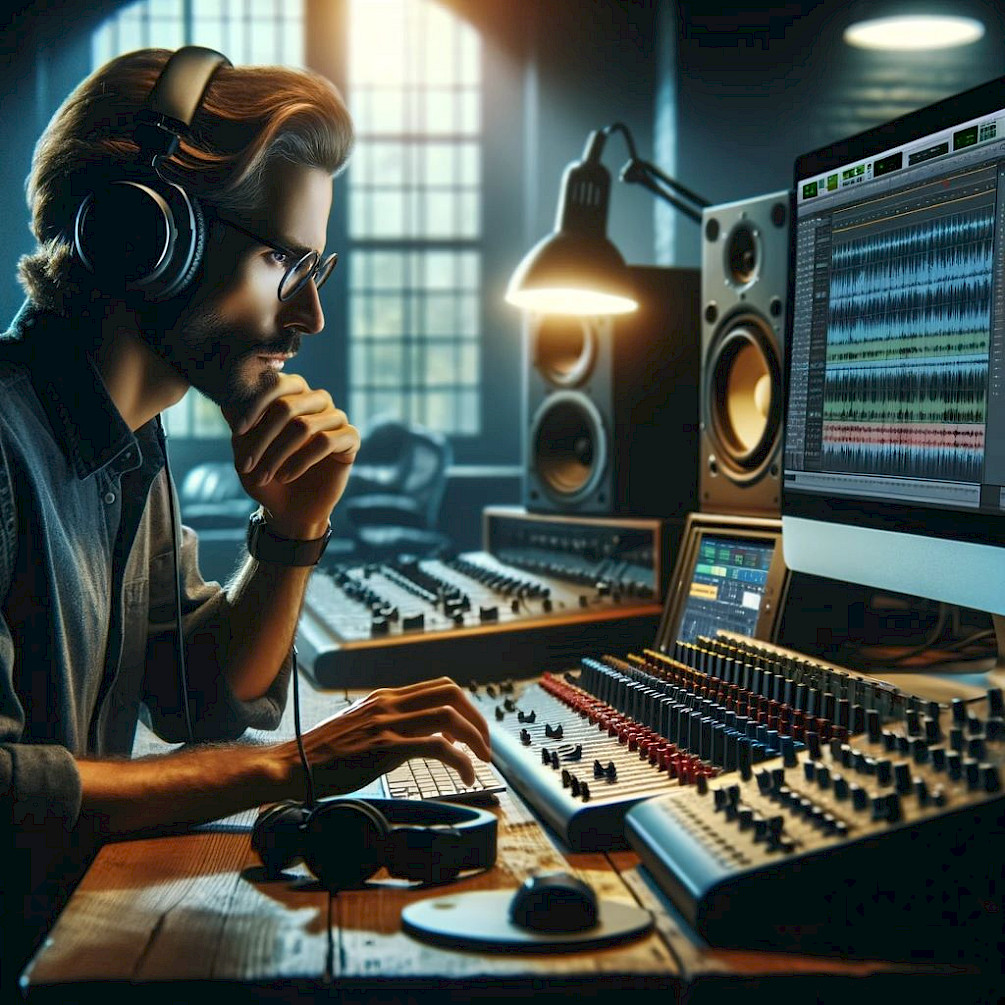
What does a Sound Editor do?
In their work, a sound editor is responsible for manipulating and enhancing audio recordings to achieve the desired quality and effects. This involves performing various tasks, such as:
- Audio editing and mixing: Sound editors use specialized software to cut, adjust and combine different audio recordings, removing unwanted noise and improving overall sound quality.
- Sound effects creation: Sound editors are also responsible for creating and adding sound effects to recordings, either using pre-existing sound libraries or generating them from scratch.
- Audio synchronization: In audiovisual productions, sound editors must ensure that audio is correctly synchronized with images, adjusting timing and making necessary adjustments.
- Equalization and mixing of audio levels: To achieve a balanced and coherent sound, sound editors adjust volume levels, equalize each track and make final mixes to obtain the desired result.
Sound editors can also work in music post-production, mixing and mastering tracks to achieve the desired quality and sound.
A sound editor works closely with various professionals within the entertainment and media industry to create the final listening experience of a production. These include:
- Production Director: To understand the vision and how sound contributes to the narrative.
- Sound Designer: They work together to create and manipulate sound effects and the auditory atmosphere.
- Sound Mixer: They collaborate to balance and mix the different sound elements (dialogue, music, effects) into the final track.
- Composers and Musicians: To effectively integrate music within the production.
- Sound Engineers: Especially in field recordings or studios, where voices, effects and music are captured.
- Dialogue and ADR Supervisors (Automated Dialogue Replacement): To ensure that dialogue is clear and consistent with the on-screen action.
- Producers: To discuss logistical, creative and financial aspects related to sound.
- Post-Production Department: Including video editors, to synchronize the sound work with the visuals.
- Other post-production technicians: Such as those responsible for visual effects, to ensure that sound and visual elements complement each other.
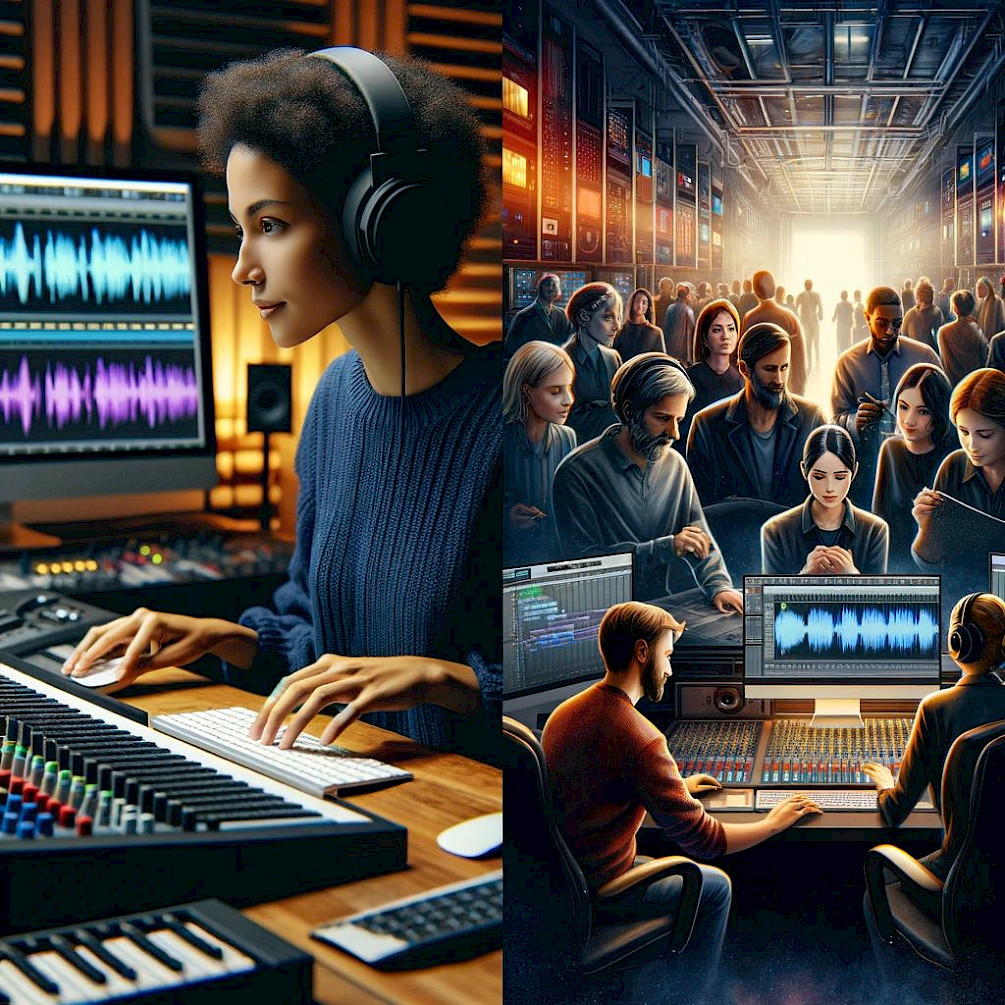
The work of a sound editor is essential to create immersive, high-quality listening experiences across different types of productions.
Importance of Sound Editors in the Music Industry
Sound editors play a fundamental role in the music industry, as they are responsible for improving the quality and impact of music recordings. Their work is essential to make songs and albums sound professional and appealing to the public.
The importance of sound editors lies in several aspects. First, they are in charge of removing unwanted noise, correcting imperfections in recordings and ensuring that the mix is balanced and coherent. This helps music sound clear and crisp, allowing sonic details to be fully appreciated.
Sound editors are capable of creating specific sound effects and atmospheres, which adds depth and texture to compositions. Their manipulation of audio makes it possible to add extra layers of emotion and character to songs, making them vital for musical creativity and expressiveness.
The sound editors are indispensable in the music industry, since their work ensures that music sounds professional, attractive and exciting. Their ability to enhance recordings and create unique sound environments makes the difference between an average song and a masterpiece.
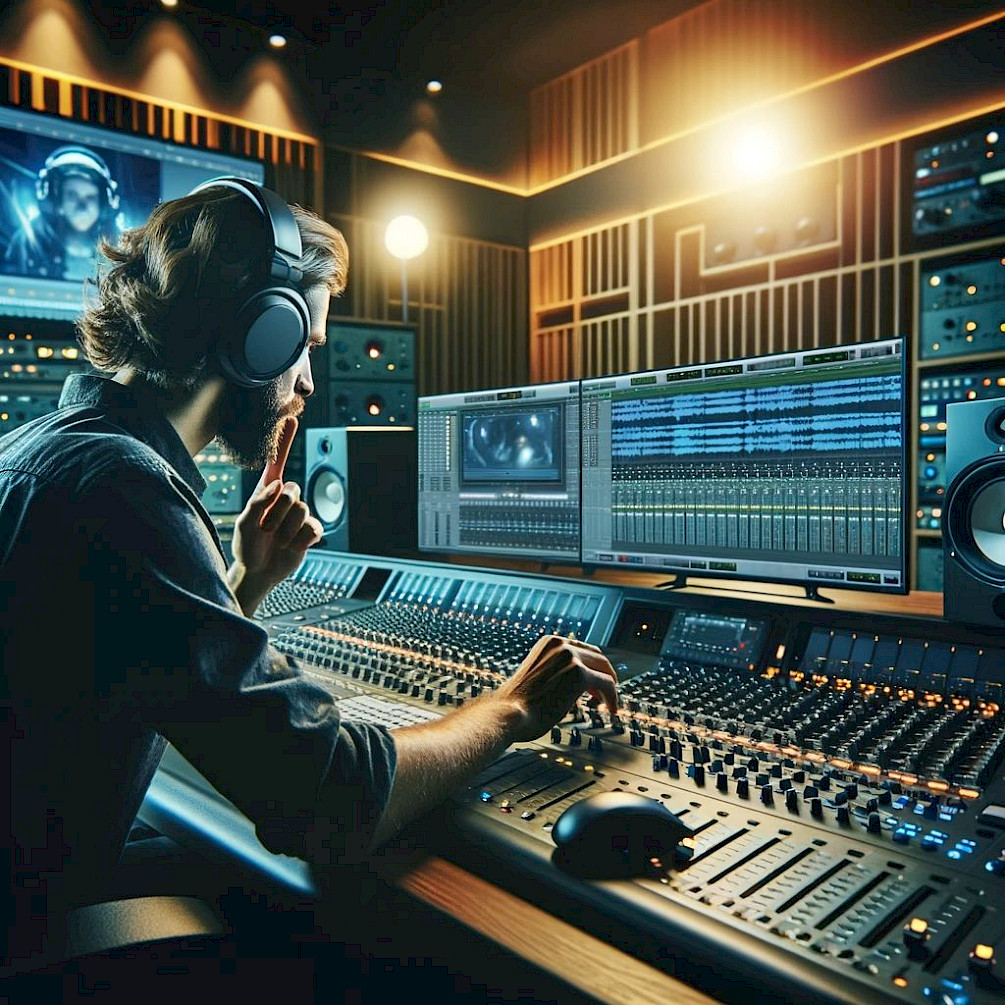
Sound Software Used by Editors
The sound software professional is an essential tool for sound editors, since it allows them to carry out their work efficiently and professionally. There are several options available on the market, each with its own characteristics and functionalities. Some of the most popular professional sound software are:
- Pro Tools: Pro Tools is considered the industry standard for sound recording and editing software. It is used by professionals around the world due to its wide range of advanced tools and features. With Pro Tools, sound editors can make recordings, edit tracks, mix and master songs.
- Adobe Audition: This audio editing software is widely used in the film, television and music industry. It offers a variety of editing and mixing tools, as well as audio restoration features to remove unwanted noise.
- Cubase: Cubase is an audio recording and editing program that offers a wide range of features and effects. It is used by many music professionals to create tracks and produce high-quality songs.
Ultimately, the professional sound software is an essential tool for sound editors, since it allows them to carry out their work effectively and to high quality standards.
Free Sound Editors
There are various free sound editor options that can be very useful for those starting out in sound editing or who want to carry out projects on a limited budget. These programs offer many of the basic sound editing functionalities and allow users to experiment and learn without having to invest in more advanced software. Below are some examples of free sound editors:
- Audacity: It is one of the most popular and widely used free sound editors. With Audacity, users can record and edit audio tracks, apply effects, adjust volumes and much more. It is compatible with different audio formats and offers basic but effective features.
- WavePad: This software offers an easy-to-use interface and a wide range of sound editing tools. It lets you cut, copy, paste and mix audio, as well as apply effects such as reverb, echo and amplification. WavePad is compatible with most audio formats and offers a real-time editing option.
These free sound editors are just a few examples of the many options available on the market. Each one has its own features and functions, so it is advisable to try different programs to find the one that best suits the needs of each user.
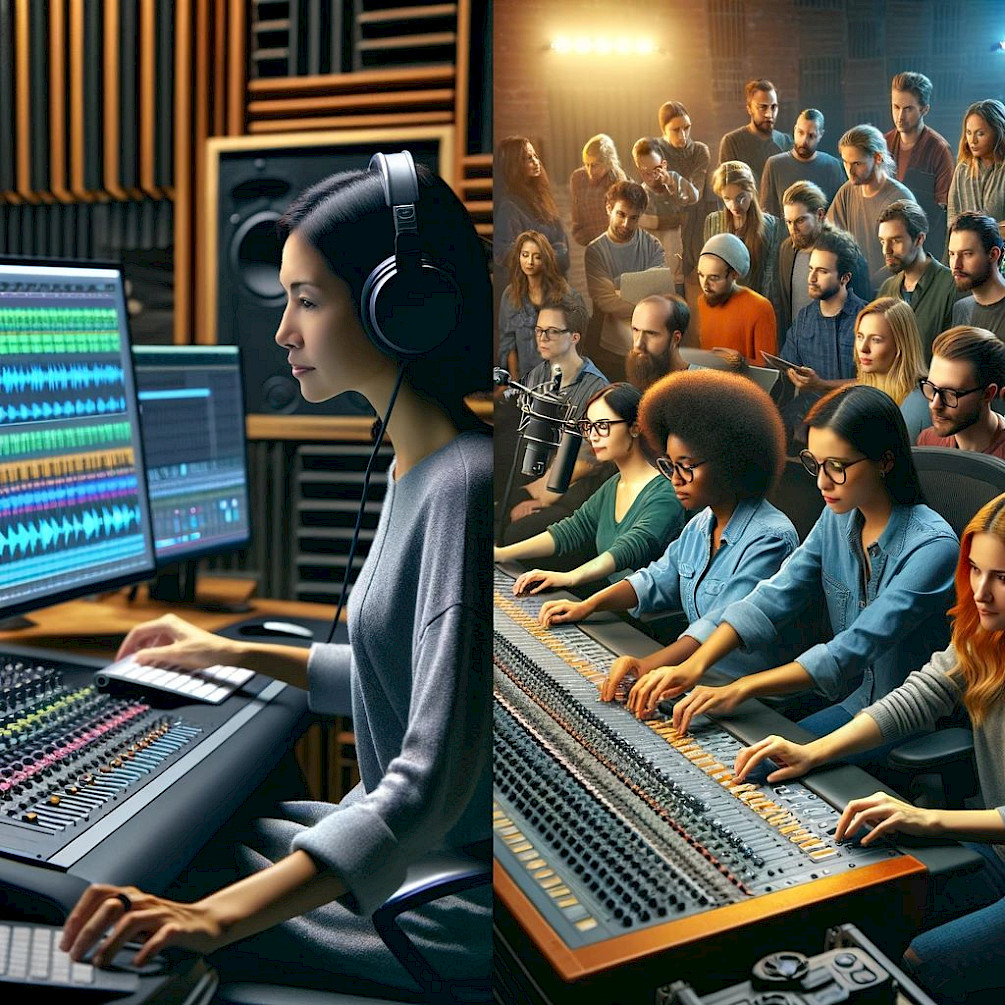
Recommendations for Future Sound Editors
Below are some recommendations for those who wish to get started in the sound editing degree:
- Study and get training: It is important to acquire solid knowledge about sound editing through courses, workshops and specialized training programs. This will allow you to develop the technical and creative skills needed to excel in the field.
- Experiment with different tools and software: It is essential to become familiar with different sound editing programs, such as Pro Tools, Audacity and WavePad. This will allow you to learn the features and functions of each tool and choose the most suitable one for each project.
- Practice and perfect your skills: Constant practice is essential to improve as a sound editor. Doing independent projects, collaborating with other professionals and taking part in contests or competitions will help perfect your technical and creative skills.
- Develop critical listening skills: Good sound editors must have a trained ear and be able to identify the details in a recording. Listening to and analyzing different musical styles, soundtracks and professional recordings will help develop this skill.
- Stay up to date with the latest trends and technologies: The sound editing industry is constantly evolving, so it is important to stay aware of the latest trends and technologies. Reading specialized magazines, following blogs and participating in conferences and events will help you stay up to date.
By following these recommendations, future sound editors will be able to develop a successful career in the industry and contribute to the world of music and sound with their talent and dedication.