
Study Environmental Sciences or Biology
Biology and Environmental Sciences: Two intertwined paths toward understanding and protecting life on our planet.
Biology or Environmental Sciences?
Students often face the difficult decision of choosing between Biology and Environmental Sciences as their field of study. Both disciplines are essential to understanding and addressing the environmental challenges facing our planet. Below, we will explore the differences between these two areas of study to help you make an informed decision about your academic and professional future.
Double degree in Biology and Environmental Sciences
If you are passionate about both Biology and Environmental Sciences, considering a double degree in both disciplines may be the ideal option for you. This approach will allow you to gain comprehensive knowledge in both areas and will give you a wide range of professional opportunities in the field of conservation, sustainability and scientific research.

Biology, Geology and Environmental Sciences
Another option to consider is an interdisciplinary approach that combines Biology, Geology and Environmental Sciences. This combination will provide you with a holistic understanding of natural systems, including marine life, environmental geology and the interaction between living beings and their environment.
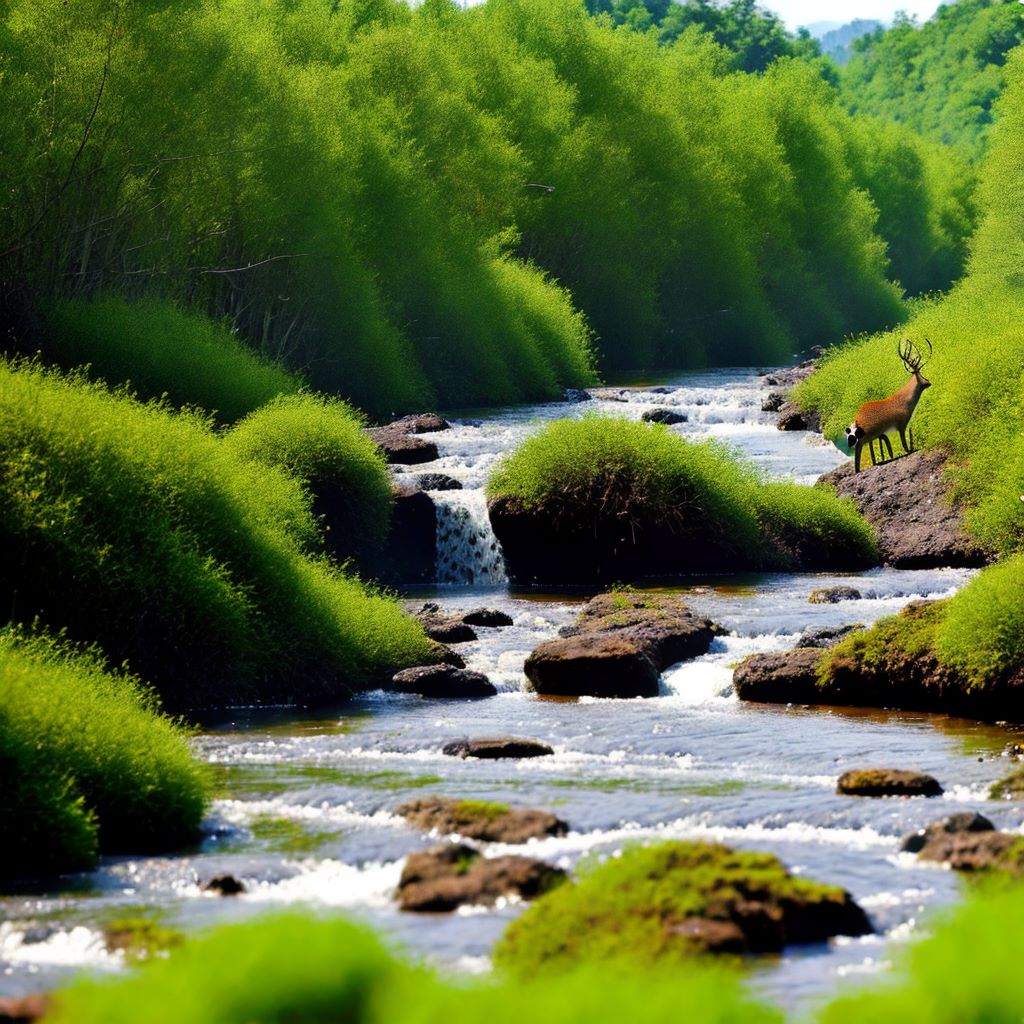
Career Opportunities
Regardless of whether you choose to study Biology, Environmental Sciences or a combination of both, there are numerous career opportunities in the field of conservation, natural resource management, scientific research, environmental education and environmental consulting. Professionals in these areas play a crucial role in protecting the environment, promoting sustainable development and mitigating negative environmental impacts.
Both Biology and Environmental Sciences are exciting fields of study that offer exciting and meaningful opportunities for those interested in contributing to the care and preservation of our planet. Whether you choose to focus on marine life, ecology, sustainability or conservation, both disciplines will give you the tools and knowledge you need to make a difference in the world.

Environmental Sciences are related to several disciplines and degrees, which include:
Biology and Ecology: These areas focus on studying life in all its forms and how living beings interact with each other and their environment. This is fundamental to understanding ecosystems and their conservation.
Environmental Chemistry: It focuses on how chemical compounds affect natural environments. It is crucial for understanding pollution and developing methods to mitigate its effects.
Geology and Geography: These disciplines study the Earth, its composition, structure and processes, as well as the distribution of natural resources. They are important for resource management and environmental impact assessment.
Social Sciences (Sociology, Economics, Law): Environmental sciences also include socioeconomic and legal aspects. This ranges from studying the impact of human activities on the environment to creating policies for its protection.
Environmental Engineering: It applies engineering principles to improve the environment, including wastewater treatment, waste management and pollution control.
Public Health Sciences: They are related to environmental sciences in terms of how the environment affects human health, including the study of the effects of pollution and air and water quality.
The Environmental Sciences are a broad field that intersects with many other disciplines, all contributing to a common goal: understanding, protecting and improving our natural environment.