
Environmental Sciences Degree
Are you passionate about the environment and looking for a degree that allows you to actively contribute to its conservation and sustainable management?
The Degree in Environmental Sciences is your gateway to a world of multidisciplinary knowledge and skills, essential to face the environmental challenges of our era. Discover what you will study, where you can work, and how this degree prepares you to be an agent of change in protecting the planet.
What is studied in the Degree in Environmental Sciences?
The Degree in Environmental Sciences is a discipline that focuses on studying the environment and the problems associated with it, with the aim of finding sustainable solutions for the conservation of natural resources. This degree provides multidisciplinary training that combines knowledge of biology, chemistry, geology, physics, mathematics, economics and sociology, among other areas.
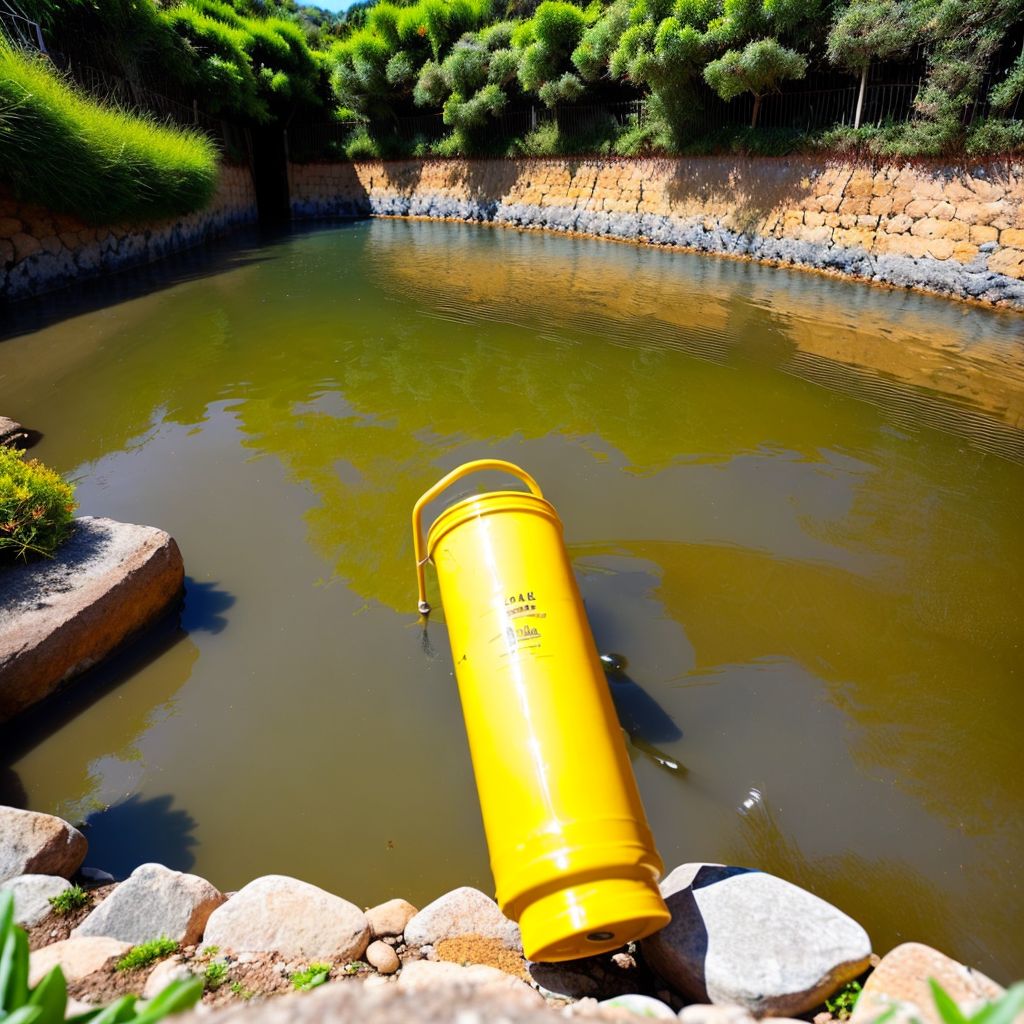
The Degree in Environmental Sciences is more than a degree; it is a commitment to the future of the planet. This comprehensive training will equip you with the tools and knowledge necessary to lead in environmental conservation and sustainability. If you are ready to take on this challenge and become an environmental expert, this degree is your best choice.
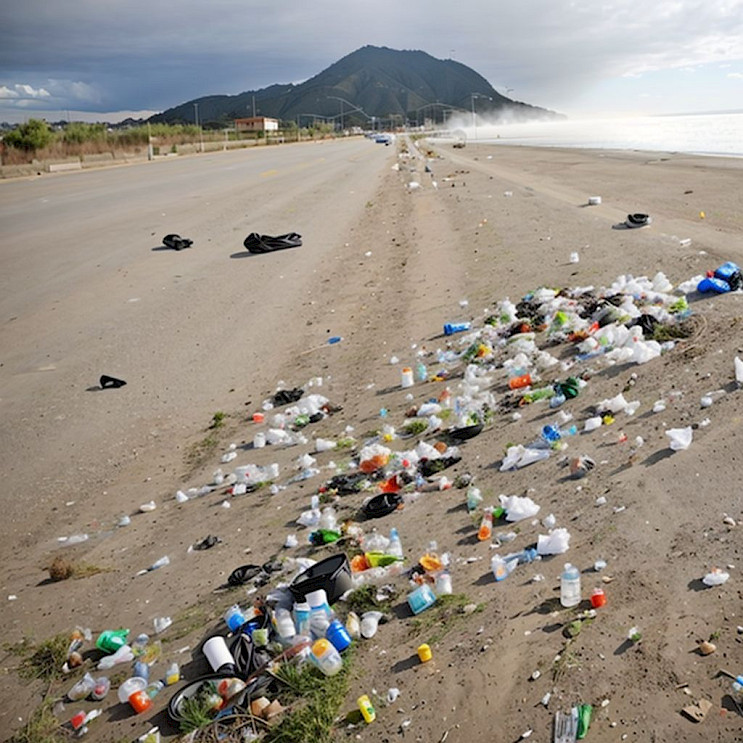
What knowledge will I gain with this Degree?
When studying the Degree in Environmental Sciences, you will acquire knowledge in environmental management, biodiversity conservation, environmental impact assessment, territorial planning and management, water treatment, waste management, renewable energies, among others.
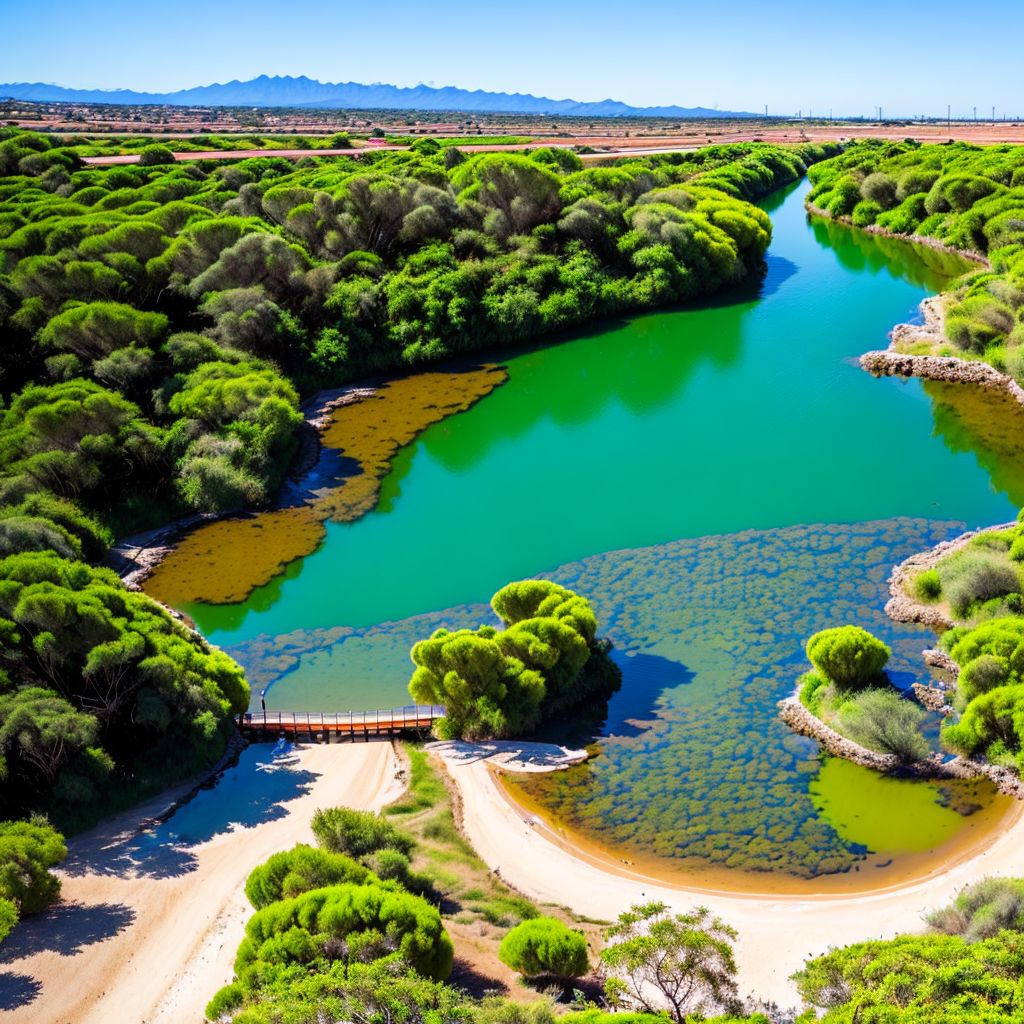
Where will I be able to work when I graduate?
Environmental Sciences graduates have a wide range of career opportunities, being able to work in private companies, environmental consultancies, public administrations, NGOs, research centers, environmental education, among others.

What subject areas will I cover in this degree?
During the Degree in Environmental Sciences, you will cover subject areas such as ecology, environmental pollution, natural resource management, climate change, environmental impact, environmental legislation, among others.
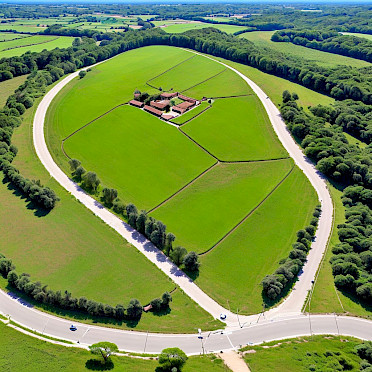
What subjects are studied in Environmental Sciences?
The curriculum of the Degree in Environmental Sciences at several universities includes subjects such as ecology, environmental chemistry, geology, biology, applied mathematics, statistics, environmental economics, natural resource management, among others.
Career Opportunities:
Students are prepared to work in areas such as environmental management, consulting, environmental education, territorial planning, water treatment, waste management, renewable energies, among others.
Physical bases of the environment
This subject provides the necessary knowledge about the physical processes that take place in the environment, such as meteorology, climatology, hydrology, geology, among others.
Foundations of Zoology and Biology
In this subject the fundamentals of zoology and biology are studied, understanding the importance of biodiversity and its relationship with the environment.
Resource and territory planning
It focuses on the sustainable planning and management of natural resources and territory, addressing aspects such as land-use planning, urban planning, management of protected natural areas , among others.
The Environmental Sciences Degree offers comprehensive training that prepares students to tackle current and future environmental challenges, providing the necessary tools to contribute to environmental conservation and sustainability.