
User Experience Design
The user experience design is a discipline that focuses on creating effective and satisfying experiences for users when interacting with products or services.
UX professionals research, design and test user-centered solutions to ensure a positive and meaningful experience.
This degree covers areas such as user research, interaction and visual design, prototyping, accessibility and usability, and is applied in various fields such as web design, mobile applications and physical products.
The user experience design degree (in English User Experience Design, UX Design)
It refers to a professional discipline that focuses on designing effective and satisfying experiences for users when interacting with products, systems or services.
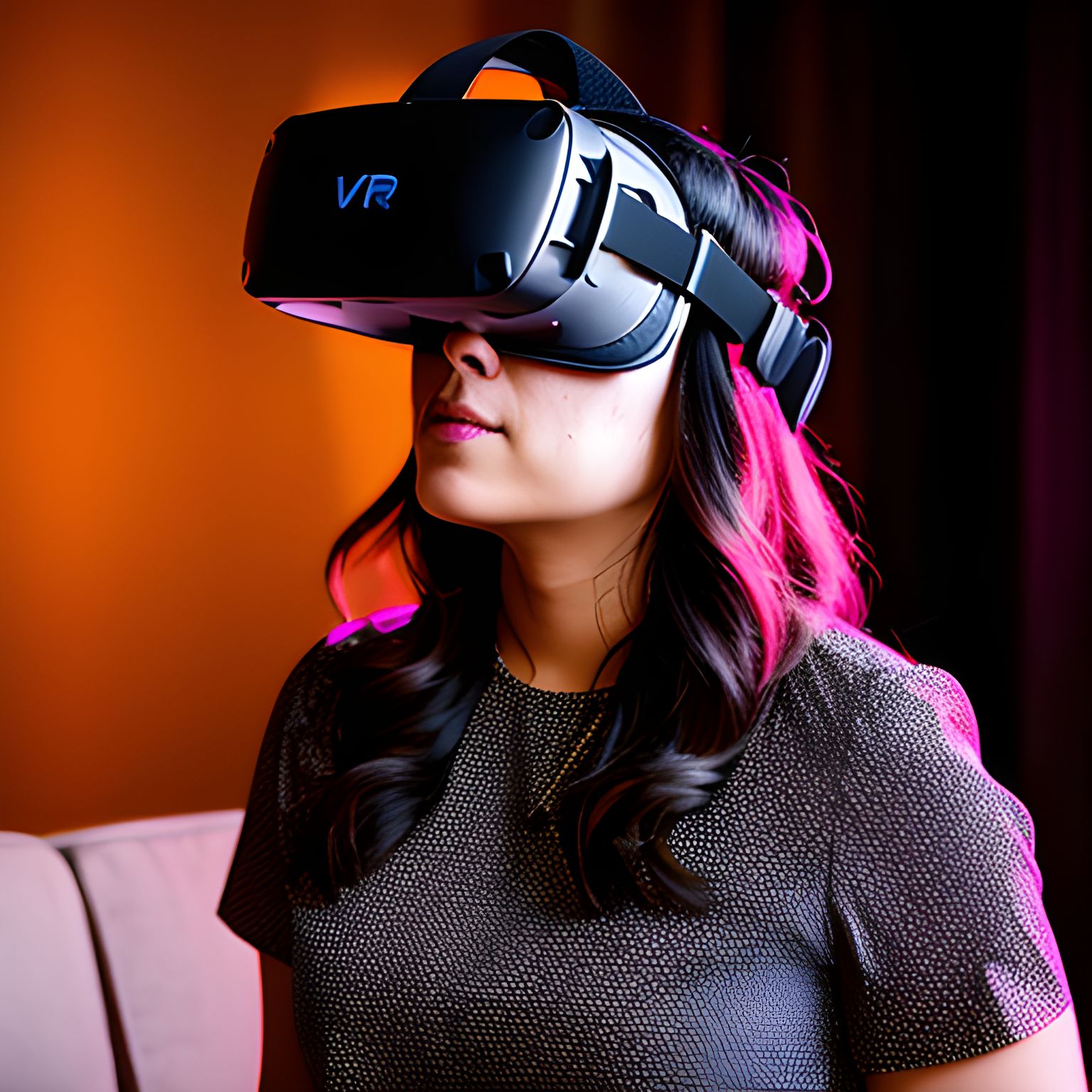
UX Design designers are responsible for ensuring that users have a positive and relevant experience when using a product or service.
User experience design degree
The user experience design degree can cover various fields and sectors, such as web design, mobile application design, physical product design and service design.
UX professionals work in collaboration with multidisciplinary teams, such as graphic designers, developers and marketing specialists, to create products and services that provide a positive and satisfying experience for users.
To pursue a career in user experience design, it is useful to acquire training in interaction design, visual design, user research and design tools.

In the user experience design degree, professionals develop skills and knowledge in:
User Research to understand users' needs, goals and behaviors through techniques such as interviews, surveys, usability testing, data analysis.
Interaction design: Create the structure and interaction flow that facilitates usability and users' understanding of the product or system.
Visual design: Develop an attractive and coherent visual aesthetic that aligns with the brand identity and improves the user experience.
Prototyping and testing: Create interactive prototypes to get user feedback and iterate on the design before final implementation.
Information architecture: Organize and structure information in a clear and accessible way, ensuring that users can easily find what they are looking for.
Accessibility and usability: Consider inclusion and accessibility to ensure that the product or service is usable by a wide range of users, including those with different skills and abilities.
What is user experience design?
User experience design (User Experience Design, UX Design) is the process of designing products, systems or services with a user-centered approach. It is about creating meaningful and satisfying experiences for users when interacting with a particular product or system.
User experience design involves considering all aspects of user interaction, including usability, accessibility, visual aesthetics, ease of use and efficiency. The main objective is to understand users' needs, goals and behaviors to design solutions that meet their expectations and provide them with a positive experience.
The user experience design process generally involves the following stages:
Research and analysis: Understand users' needs, goals and characteristics by collecting data, conducting market research and conducting interviews or tests with real users.
Interaction design: Create a structure and interaction flow that is intuitive and easy for users to use. This involves designing the information architecture, navigation flows and interactions with interface elements.
Visual design: Develop an attractive and coherent visual appearance for the product or system, using graphic design principles and considering brand identity.
Prototyping and testing: Create interactive prototypes or simulations of the product or system to obtain feedback from users and make iterative improvements. This helps identify and solve problems before final implementation.
Implementation: Work in collaboration with developers and other professionals to ensure an effective and consistent implementation of the user experience design.
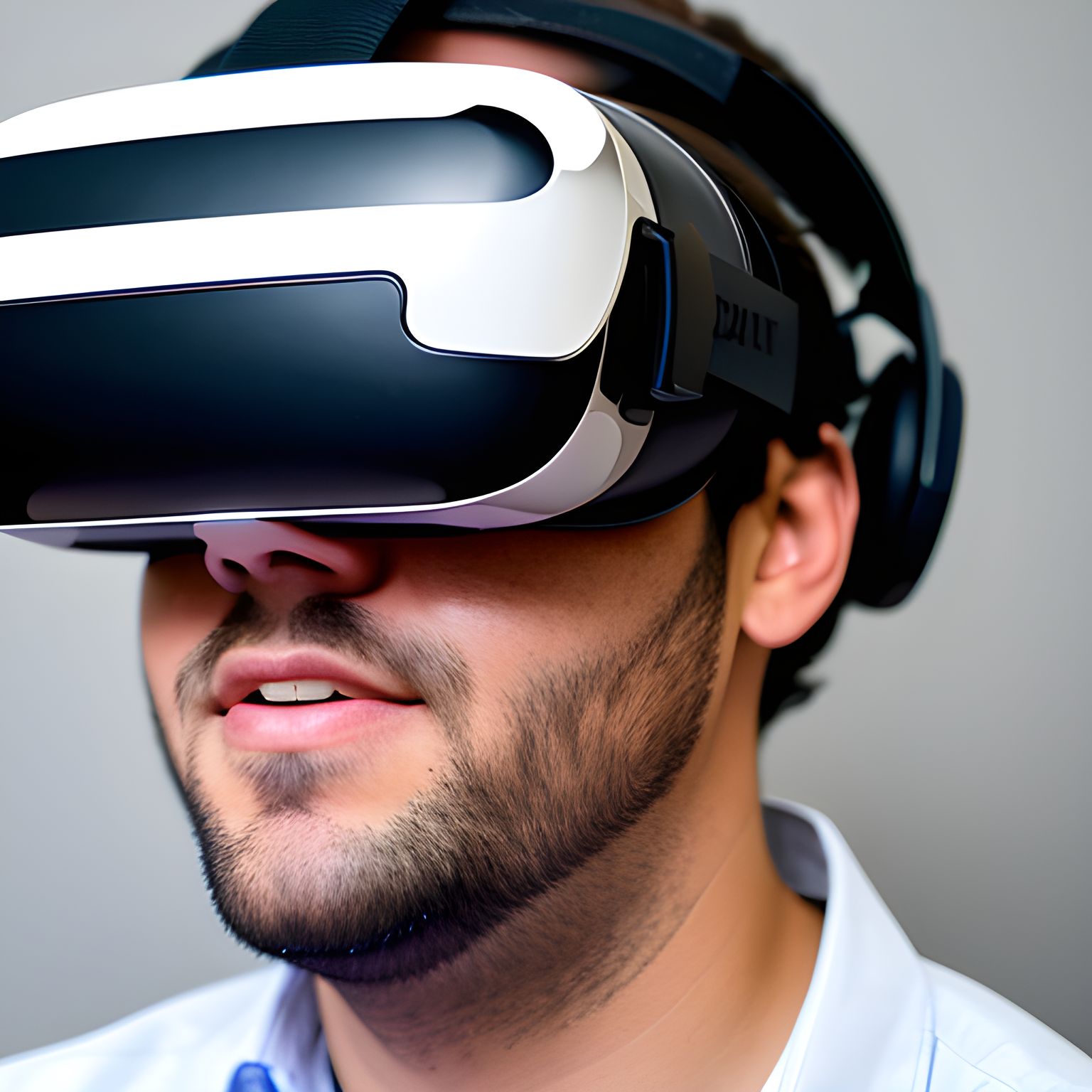
What is a User Experience Designer?
The User Experience Designer (UX Designer) is a professional in charge of designing and improving the experience of users when interacting with a product, service or system.
Its main objective is to create positive, effective and satisfying experiences for users.
The role of the User Experience Designer involves several responsibilities and tasks, which may include:
User research: Conduct studies and analysis to understand the needs, behaviors and preferences of users. This may involve interviews, surveys, data analysis and other research techniques.
Interaction design: Create and design the way users interact with the product or system, including the information structure, navigation flow, layout of elements and specific interactions.
Prototyping and testing: Develop interactive prototypes or simulations to test and validate the user experience design. This involves testing with real users to obtain feedback and make iterative improvements.
Visual design: Work in collaboration with visual designers to ensure that the interface and visual elements align with the desired user experience and provide an attractive and consistent aesthetic.
Accessibility and usability: Consider and address accessibility aspects to ensure that the product or system is usable for people with different abilities and capabilities. Also, ensure that the interface is intuitive, easy to use and meets usability best practices.
Multidisciplinary collaboration: Work in close collaboration with other team members, such as developers, graphic designers, content experts and marketing specialists, to ensure an effective and consistent implementation of the user experience.
Where does a user experience designer work?
A user experience designer (UX designer) can work in a variety of environments and organizations. Some of the common places where a UX designer can find employment are:
Health Entities and Companies: User experience designers play an important role in the healthcare and medicine industry. They work in collaboration with medical professionals and development teams to improve the usability and experience of users in health-related applications, devices and systems. Their goal is to design intuitive and accessible interfaces that allow users, such as doctors, nurses and patients, to interact effectively with medical technology, thus facilitating healthcare and improving outcomes for end users. This can include the design of mobile applications for health tracking, the interface of medical devices or the user experience in electronic medical record information systems. UX designers in the healthcare industry play a fundamental role in ensuring that technology adapts to the needs of users and improves the quality of medical care.
Technology companies: Many technology companies, both large and startups, employ user experience designers to improve the usability and experience of their digital products and services.
Design and consulting agencies: Design and consulting agencies often hire user experience designers to work on projects for clients from various industries. These agencies provide UX design services to companies looking to improve the experience of their products or services.
Software development companies: Software development companies often have user experience designers as part of their team. These designers work closely with developers to create intuitive and attractive user interfaces.
Media and publishers: Media and publishing companies may employ user experience designers to improve the users' experience on their digital platforms, such as websites or mobile apps. They play an essential role in immersive journalism by creating interactive and engaging experiences for users. They work closely with journalists and development teams to design intuitive interfaces, clear information structures, and interactive elements that allow users to immerse themselves in journalistic stories through emerging technologies such as virtual reality (VR) and augmented reality (AR). Their goal is to guide the user through the narrative seamlessly, providing an informative and emotionally impactful experience. This can include designing virtual reality interfaces that allow users to explore virtual environments, interact with story elements, and access additional content. UX designers in immersive journalism seek to leverage these emerging technologies to transform the way news is presented and consumed, offering more immersive and enriching journalistic experiences.
User experience departments: Some organizations have specific departments dedicated to user experience, where UX designers work on internal projects and collaborate with different teams to optimize the users' experience in all areas of the organization.
E-commerce companies: Companies operating in e-commerce often hire user experience designers to improve the shopping experience on their digital platforms and increase customer satisfaction.
What are the advantages of investing in experience design?
Improved user satisfaction: A carefully developed experience design ensures that users have a positive and satisfying experience when interacting with a product or service, which increases their satisfaction and loyalty.
Increased usability: Good experience design focuses on making the use of a product or service intuitive and easy, which facilitates its adoption and reduces the learning curve for users.
Competitive differentiation: A well-designed experience can differentiate a brand from the competition, creating a competitive advantage and attracting more customers.
Greater user retention: An engaging and satisfying experience design encourages user retention, as users are more likely to come back and use the product or service again.
Reduced costs and errors: An effective experience design can minimize the errors and confusion users may face, which in turn reduces the costs associated with customer support and troubleshooting.
Boosting loyalty and referrals: A positive experience builds loyalty among users, who are more likely to recommend the product or service to others, contributing to organic growth of the user base.
Increased productivity and efficiency: An optimized experience design improves user productivity and efficiency by simplifying tasks and processes, saving time and resources.
Companies invest in user experience design (UX Design) to meet user needs and expectations:
User experience design focuses on thoroughly understanding users and designing solutions that meet their needs, expectations, and desires.
By investing in UX, companies can ensure that their products or services are appealing, easy to use, and provide a positive experience, leading to user satisfaction.
Improving competitiveness and differentiation: In a highly competitive market, user experience design can make the difference. Companies that offer a superior user experience have a competitive advantage, as users tend to prefer and recommend products or services that give them a positive and memorable experience.
Increasing user retention and brand loyalty: An effective user experience design can encourage user retention. Satisfied users who enjoy a positive experience are more likely to use the product or service again, resulting in greater brand loyalty and a lower churn rate.
Reducing support and customer service costs: A well-thought-out and easy-to-use user experience design can minimize the need for customer support and assistance. By providing an intuitive and seamless experience, user issues and errors are reduced, which in turn lowers the costs associated with support and troubleshooting.
Increasing efficiency and productivity: An optimized user experience design can improve users' efficiency and productivity by simplifying tasks and processes, saving time and resources. This benefits both users and the company, as faster and more efficient results are achieved.
Generating value and business growth: User experience design is not only about meeting users' current needs, but also about identifying opportunities to innovate and create new solutions.
By investing in UX, companies can generate additional value and foster business growth by developing more attractive products and services tailored to market needs.