
Robotics
The Robotics degree, is presented as a short 3-year degree and also as an undergraduate degree in several universities, the degree in Electronic Engineering, Robotics and Mechatronics is offered.
At technical or tertiary level it is found as: Robotics - Design and Application, Higher Technical Degree in Automation and Robotics or Automation and Robotics, among others.
At specialization or doctorate level it is known as Doctorate in Control Engineering, it is also found as Automation and Robotics, Doctorate in Automation and Robotics.
In summary it is possible to study the technical program or directly a degree in robotics or have a background in mechatronic, electronic or systems engineering to later specialize in the specific field of robotics. There are also short courses of (6 weeks) that teach you to design, manufacture and program your own robot (DYOR: Do Your Own Robot) with Arduino technology.
In several countries the degree is not found under this name and Mechatronics training is offered which encompasses mechanics, electronics and computing.
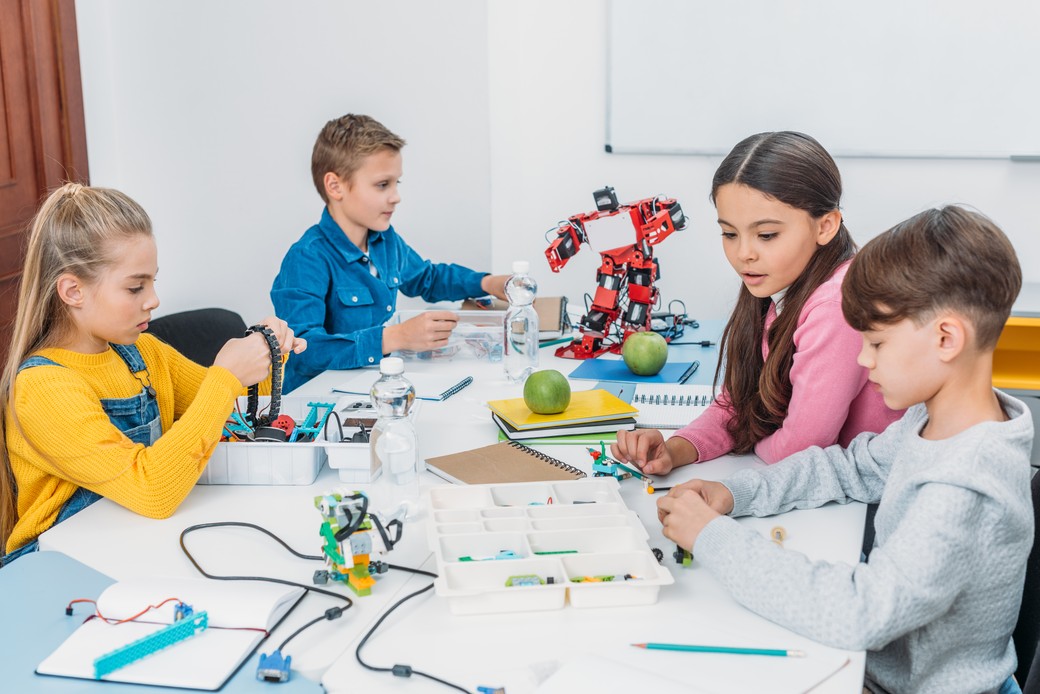
Future: it is considered to be a degree with a promising future due to its connection with technology and with a broad job field.
What is robotics?
It is a set of techniques that allow designing and building intelligent robots.
Types of robotics
Home automation robotics: automation of processes for the manufacturing of homes.
Exploration robotics: configuration of programs that analyze files looking for patterns.
Military robotics: unmanned aircraft but equipped with guided weaponry.
Industrial robotics: machines that perform repetitive tasks to complete specific actions in a factory.
Nanotechnological robotics: miniature devices that solve fundamentally medical problems, such as the creation of cures for diseases.
Humanoid robotics: construction of rational robots that simulate actions of human beings.
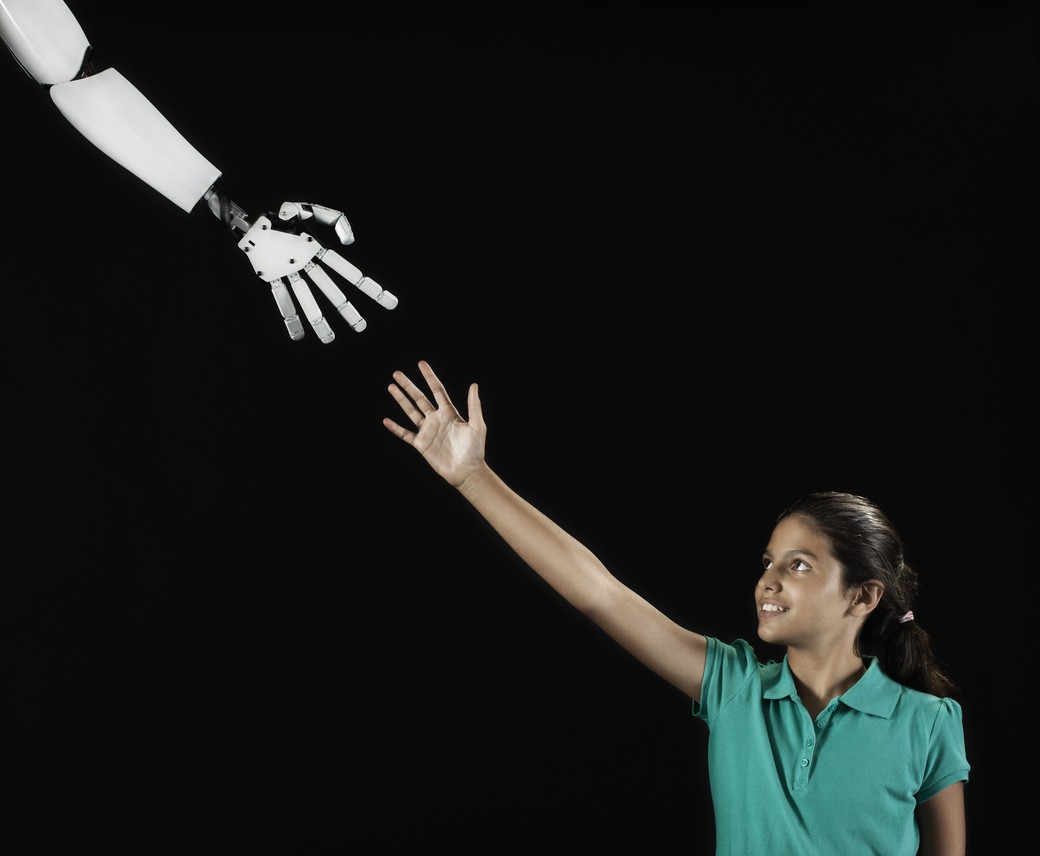
What is robotics engineering?
Robotics combines different disciplines such as mechanics, electronics, computer science, artificial intelligence deals with design, Robotics makes it possible to design devices that improve people's quality of life. Robotics is applied to different fields ranging from medicine to industrial machinery.
Incoming student profile for the technical degree in Robotics or for the degree in Robotics and Mechatronics Engineering is:
- Patient and dedicated.
- Passionate about technology and automation.
- Curious about how machines and mechanisms work.
- With a personal tendency toward repairing and building mechanisms.
- With a positive attitude toward technological advances.
- Resourceful, with a tendency to develop practical solutions to problems.
- With great interest in professional tasks related to electronics, robotics and mechatronics.
The Robotics Engineer is a professional who has the ability to design, create, maintain or improve the systems of different equipment.
Employment sectors in robotics
- Mining.
- Telecommunications.
- Forestry.
- Food.
- Technology.
- Commercial.
- Industrial.
- Military.
- Medical.
- Consulting.
Work areas
A technician or a Robotics Engineer can design and develop a custom system regardless of the work area.
- RENEWABLE ENERGY
Systems to increase performance in photovoltaic panels and collectors. - SENSORS
Dedicated to monitoring remote variables, suitable for industrial environments. - HOME AUTOMATION
Automation and control of smart homes. - GPS
Load monitoring and fleet tracking and management system. . - AGRICULTURE
Statistics and data collection and for measuring soil parameters. - OEM
Original equipment for both home and industrial products.
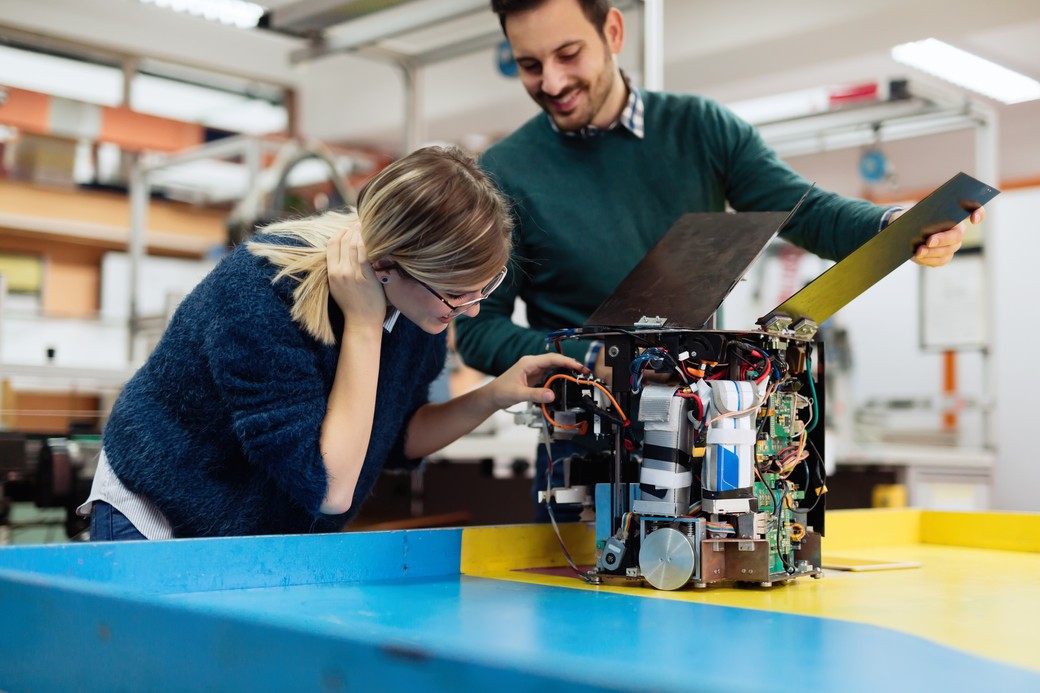
What does a robotics technician do?
A technician has a job similar to that of engineers. The main difference has to do with the educational level, since the engineer generally must study for 5 years and technicians for 3 years.
A Robotics technician can work in:
- Automation & Process Control.
- Robot design.
- Repair and maintain robots
- Home Automation.
- Networks and microservices.
- IoT Internet of Things.
Tasks a Robotics Engineer can perform
- Analyze projects
- Apply technology to improve production that enables automated mass manufacturing.
- Build custom-designed special parts using CAD, CAM software and manufacturing them with 3D printers.
- Create smart home appliances.
- Design industrial automations
- Design automations for companies
- Design automated process controls and robotic mechanisms.
- Design mechanisms controlled from digital devices or circuits.
- Design control systems in automobiles.
- Design IoT systems using powerful microcontrollers.
- Design and build medical diagnostic equipment.
- Design and build finished products for automation, home automation and robotics projects.
- Train and advise on automated process controls and robotic mechanisms.
- Implement action, display and control devices such as servos, DC motors, stepper motors, all types of alternating current-based electrical devices, LCD screens, keyboards, controlling multiple peripherals simultaneously using I2C and SPI protocols.
- Implement various remote connection solutions using WiFi, Ethernet, GSM/GPRS modules and more.
- Lead projects in the field of Electronics, Robotics and Mechatronics Engineering.
- Operate automatic machines.
- Organize, plan and develop projects on the operation of systems and facilities.
- Program in high- and low-level languages for computers and microprocessors.
- Prepare evaluation reports.
- Repair and maintain robots.
- Supervise the process of a development, from safety to testing and analyzing each movement.
- Work with all kinds of sensors.
- Work as a team
List of some subjects in the Robotics Engineering degree, keep in mind that at each university the curriculum is different, this list combines subjects from several curricula at different universities:
- Algebra
- Algebra, Probability and Statistics
- Hydraulic Automation
- Electronic Circuits
- Computing
- Electric Motor Control
- Electric Motor Control and PLC Laboratory
- Economics and Organization
- Electropneumatics
- Electronics
- Electrotechnics
- Professional Ethics and Deontology
- Physics
- Basic Hydraulics
- English
- Instruments and Measurements
- Introduction to Robotics
- Microprocessor Laboratory
- Electric Machines
- Robotics Mechanics
- Theoretical Mechanics
- Robotic Mechanisms and Devices
- Measurements
- Microcontrollers
- Microprocessors
- Pneumatics
- Professionalizing Practice
- Industrial and Chemical Processes
- Programming
- Computer Programming
- Robotics
- Industrial Safety
- Control Systems
- Instrumentation Workshop
- Digital Techniques