
What is occupational risk prevention for?
Occupational risk prevention
Occupational risk prevention has multiple objectives and benefits for both employers and employees. Here are some of the most significant:
Safeguarding Health and Safety: The main objective is to protect the health and well-being of workers by minimizing the risks of accidents and illnesses in the work environment.
Improving the Work Environment: A safe and healthy work environment contributes to greater satisfaction and well-being among employees, which can lead to greater productivity and efficiency.
Legal Compliance: Laws and regulations in most countries require companies to implement occupational risk prevention measures. Complying with these laws not only avoids sanctions and litigation but also demonstrates responsible business management.
Cost Reduction: In the long term, investment in risk prevention reduces the costs associated with accidents and illnesses, such as compensation payments, medical costs and loss of working hours.

Corporate Reputation: Companies that invest in the health and safety of their employees tend to be viewed more positively, which can attract better talent and earn the trust of consumers and partners.
Employees' Quality of Life: By preventing work-related accidents and illnesses, employees' quality of life is improved, which in turn can have a positive effect on their lives outside of work.
Operational Continuity: Risk prevention contributes to business continuity and stability, as it reduces interruptions in operations caused by employee accidents or illnesses.
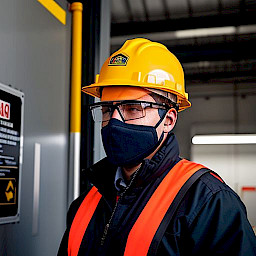
Fostering a Culture of Safety: An effective risk prevention program can foster a culture of safety and responsibility among employees, making everyone more aware of the importance of health and safety at work.
Sustainable Development: Occupational risk prevention is also linked to business sustainability, as safe and healthy companies are generally more sustainable in the long term.
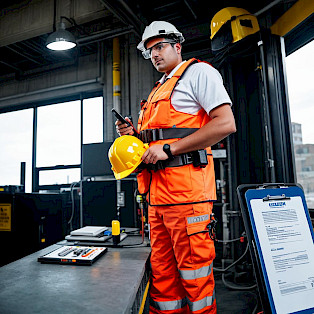
Improvement of Labor Relations: The implementation of preventive measures shows a commitment on the part of the employer to the well-being of its employees, which can improve labor relations and the atmosphere in the workplace.
Occupational risk prevention is a comprehensive practice that benefits everyone involved, improving the health and safety of workers, while at the same time adding value to the company and its reputation.
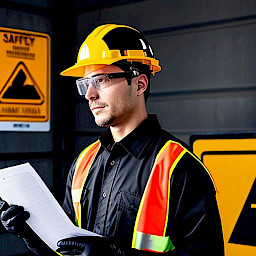
Occupational hygiene and safety
In today's world of work, occupational hygiene and safety has become a specialty of utmost importance. Its relevance goes beyond complying with regulations; it is about creating a work environment that promotes the well-being and productivity of employees. As companies recognize its importance, the salary of professionals in this area has seen a significant increase.
Thanks to technology, distance training in occupational hygiene and safety has become popular, allowing more people to access this type of education and apply their knowledge in various industrial and business sectors. Occupational hygiene and occupational safety practices are essential to minimize occupational risks, which can range from minor workplace accidents to life-threatening incidents.

Occupational health is a growing concern, especially in high-risk industries such as construction and manufacturing. Here, industrial safety plays a crucial role in ensuring that equipment and machinery are safe and well maintained. Industrial hygiene, on the other hand, focuses on minimizing exposure to hazardous substances and conditions that can affect long-term health.

In addition, occupational hygiene and safety now also consider the impact on the environment, encouraging practices that not only protect workers, but also the environment in which they operate. This aligns with a more holistic vision of health and safety, which includes physical, chemical and environmental factors.
Occupational hygiene and safety are more than policies or regulations; they are an investment in the well-being of employees and, by extension, in the health of a company. Its importance is reflected in every aspect of work, from the salary of specialists to the daily practices that keep employees safe and healthy.

Occupational hygiene and safety degree
Occupational Hygiene and Safety Degree: This academic training prepares students to become specialists in the identification, evaluation and control of occupational risks. It is generally offered as a bachelor's degree and covers both theory and practice, allowing graduates to work in a variety of industries.

Occupational Hygiene and Safety Concept: It is the set of techniques and regulations aimed at protecting and improving the physical and mental integrity of employees. It focuses on the prevention of occupational accidents and diseases through the implementation of safety and hygiene measures.

Occupational Hygiene and Safety Subjects: The curriculum may include courses in risk prevention, labor legislation, ergonomics, toxicology, occupational psychology, first aid and emergency management. In addition, there is often a practical component that allows students to apply their knowledge in real work environments.
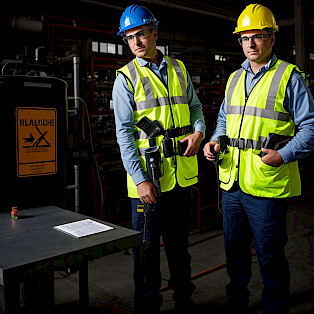
What is Occupational Hygiene and Safety: It is a discipline that combines elements of medicine, engineering and management to minimize occupational risks and improve the health and well-being of workers, preventing accidents and occupational diseases.
What Occupational Health and Safety Seeks: Its primary goal is to create a safe and healthy work environment. This is achieved by identifying potential risks and applying preventive measures to eliminate or minimize those risks.
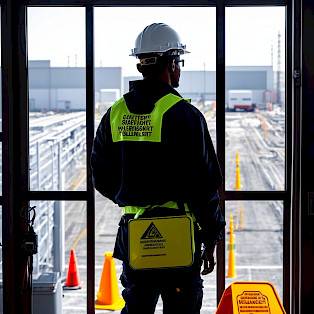
Work Environmental Conditions: These are the aspects of the work environment that can affect the health and well-being of workers, including ventilation, lighting, temperature and noise level. These factors are monitored and adjusted to comply with health and safety standards.
Occupational Health Organizations: Entities such as the Administración de Seguridad y Salud Ocupacional (OSHA) in United States or the Instituto Nacional de Seguridad y Salud en el Trabajo (INSST) in Spain, develop regulations and policies, in addition to conducting inspections to ensure that companies comply with occupational health and safety laws and regulations.

Occupational Hygiene: This subdiscipline focuses on identifying and controlling work environment factors that can cause illness or discomfort. This can include everything from air quality and exposure to chemicals, to ergonomic issues.
Difference Between Occupational Safety and Hygiene: Occupational safety has a more immediate focus, seeking to prevent accidents that can happen suddenly, such as falls or cuts. Occupational hygiene, on the other hand, deals with long-term risks, such as exposure to chemicals or excessive noise, which can have chronic effects on health.
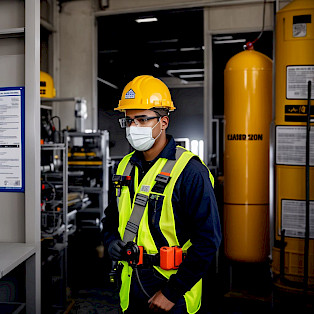
Why Study Occupational Health?
This discipline is vital for any organization that values the well-being of its employees. It offers a variety of job opportunities, from management and consulting roles to research and teaching. Occupational health is essential to improve workers' quality of life and, therefore, their productivity and job satisfaction.
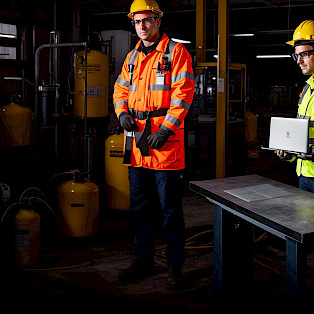
The occupational risk prevention technician: functions and requirements
Functions of the Occupational Risk Prevention Technician:
Risk Identification: The technician evaluates the work environment to identify potential hazards that could affect workers' safety and health.
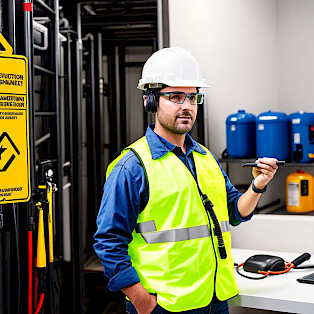
Evaluation and Control: Once risks have been identified, the technician is responsible for evaluating them and establishing measures to control or mitigate their effects.
Advisory: Provides advice to both employers and employees on best practices in occupational health and safety.
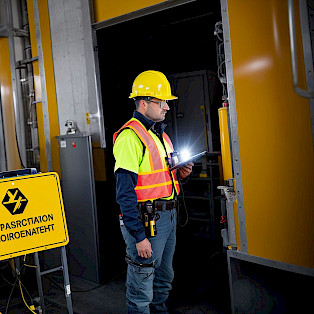
Training and Awareness: Implements and oversees training programs to educate workers on how to maintain a safe work environment.

Policy Development: Collaborates in the creation of occupational health and safety policies, as well as in the development of specific manuals and procedures.
Monitoring and Follow-up: Carries out regular inspections to ensure that established policies and procedures are being followed.
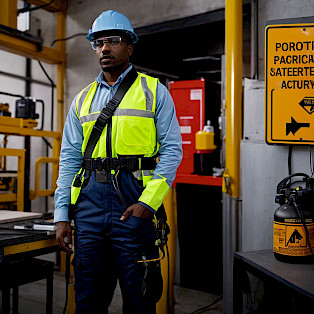
Incident Investigation: In the event of workplace accidents or incidents of any kind, the technician investigates the causes and suggests corrective actions.
Documentation and Record-keeping: Maintains detailed records of risk assessments, measures implemented, and any incidents that occur, to comply with regulations and provide a transparent history.
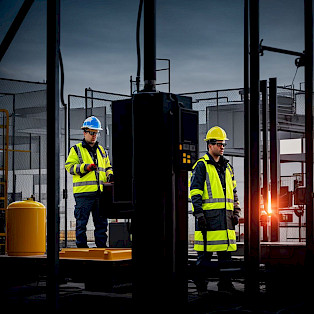
Regulatory Compliance: Ensures that the organization complies with all laws and regulations related to occupational health and safety.
Coordination: Often acts as a liaison between employees, management and regulatory entities, facilitating communication and compliance on health and safety issues.
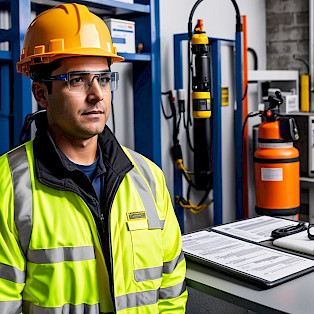
Requirements to become an Occupational Risk Prevention Technician:
Academic Training: A degree in occupational risk prevention or in related fields such as engineering, occupational medicine, or industrial safety is generally required.
Certifications: In many countries, professional certification is needed to work as an occupational risk prevention technician.
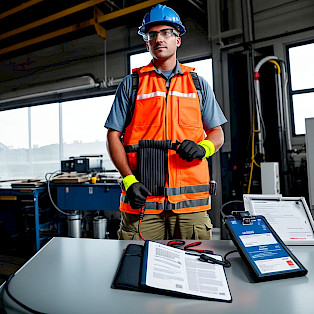
Work Experience: Depending on the level of responsibility, previous experience in similar roles or in industrial or corporate environments may be required.
Technical Skills: Knowledge of ergonomics, toxicology, labor legislation, and other topics relevant to occupational health and safety.
Interpersonal Skills: The ability to communicate effectively, solve problems and work as part of a team is essential for this role.

Knowledge of Regulations: Familiarity with the applicable laws, regulations and standards in the field of occupational health and safety.
Continuous Updating: Since regulations and technologies are constantly changing, it is essential to stay up to date through courses and seminars.
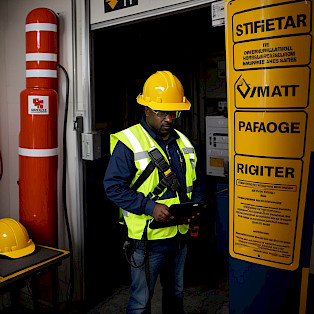
Being an occupational risk prevention technician is a career of great responsibility that requires specialized training and continuous updating to protect the health and safety of workers.