
Water Resources
Water resources are essential to sustain life on our planet. They are not only necessary for drinking and hygiene but also for agriculture, industry, and energy production. Despite being a fundamental part of our daily lives, water resources face major challenges such as pollution, overuse, and climate change.
Degree in Water Resources
The degree in Water Resources focuses on the study, management, and conservation of water, one of the most critical and essential natural resources for life on our planet. This field is closely related to several other academic and professional areas, and its importance has been increasing due to global challenges related to the availability and quality of water.
The need to address water-related problems, such as scarcity, pollution, and watershed management, led to the emergence of the degree in Water Resources.
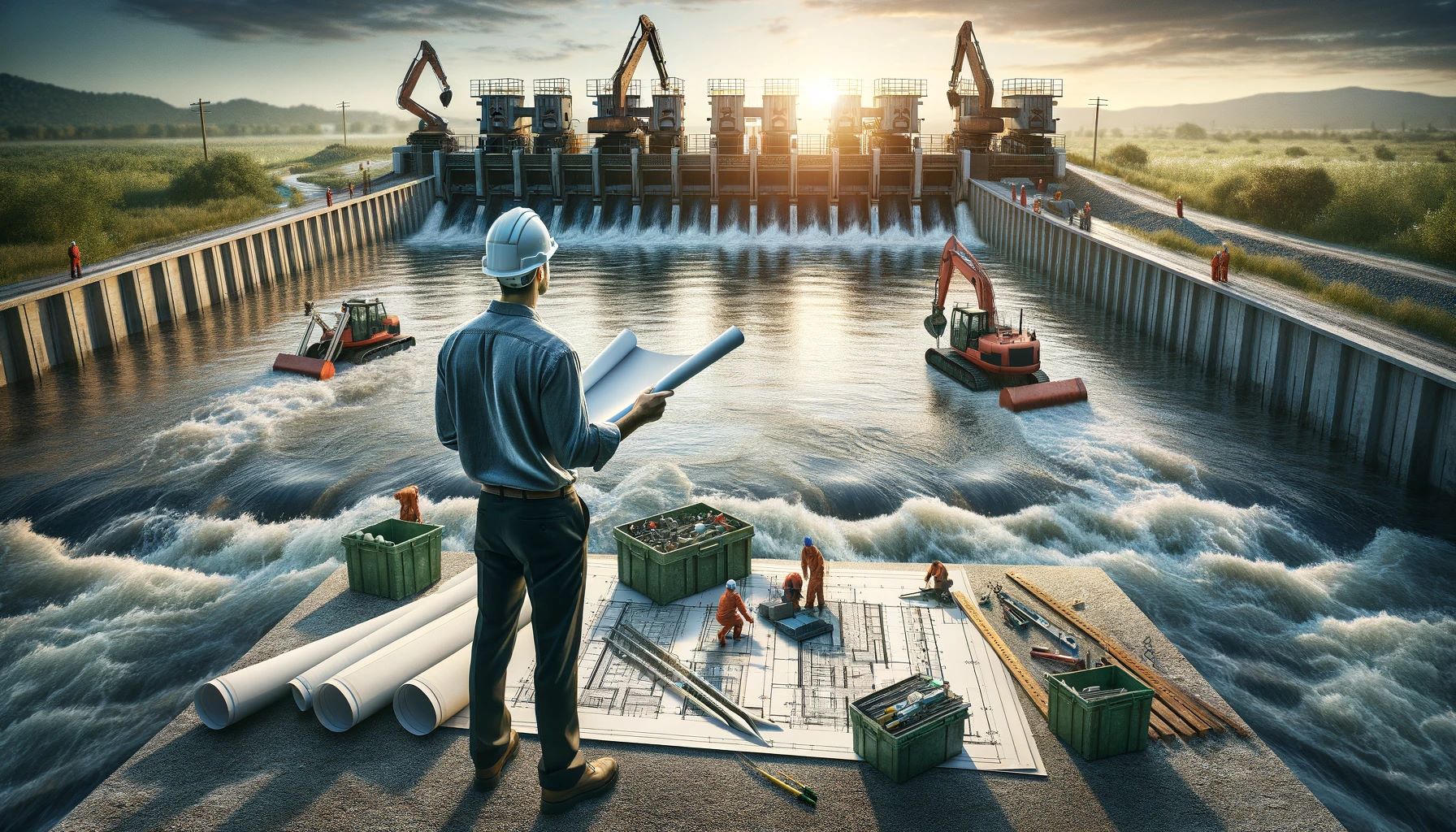
This discipline intersects with fields such as Civil Engineering, Environmental Engineering, Geography, Geology, Biology, Chemistry, Economics, and Environmental Policy.
Sustainable water management requires an integrated approach that includes technical, scientific, social, economic, and political aspects. Professionals in Water Resources collaborate with experts from various fields to solve water problems effectively.
Profile of the Water Resources Student
Required Profile: Students interested in this degree must have a solid foundation in science, especially in mathematics, physics, chemistry and biology. In addition, analytical skills, problem-solving ability, critical thinking and communication skills are valued.
The ability to work in a team and collaborate with professionals from different disciplines is essential. An understanding of environmental challenges and the motivation to contribute to the protection and sustainable management of water are also valued.
Skills and Knowledge in Water Resources
Professionals in the field of water resources possess a wide range of skills and experience that are crucial to effectively managing and preserving this vital natural resource.
Professionals have in-depth knowledge of hydrology, water quality assessment, water conservation techniques and planning, water resources management, advanced technology and software for data analysis, modeling and simulation to assess water availability and identify potential risks and vulnerabilities.
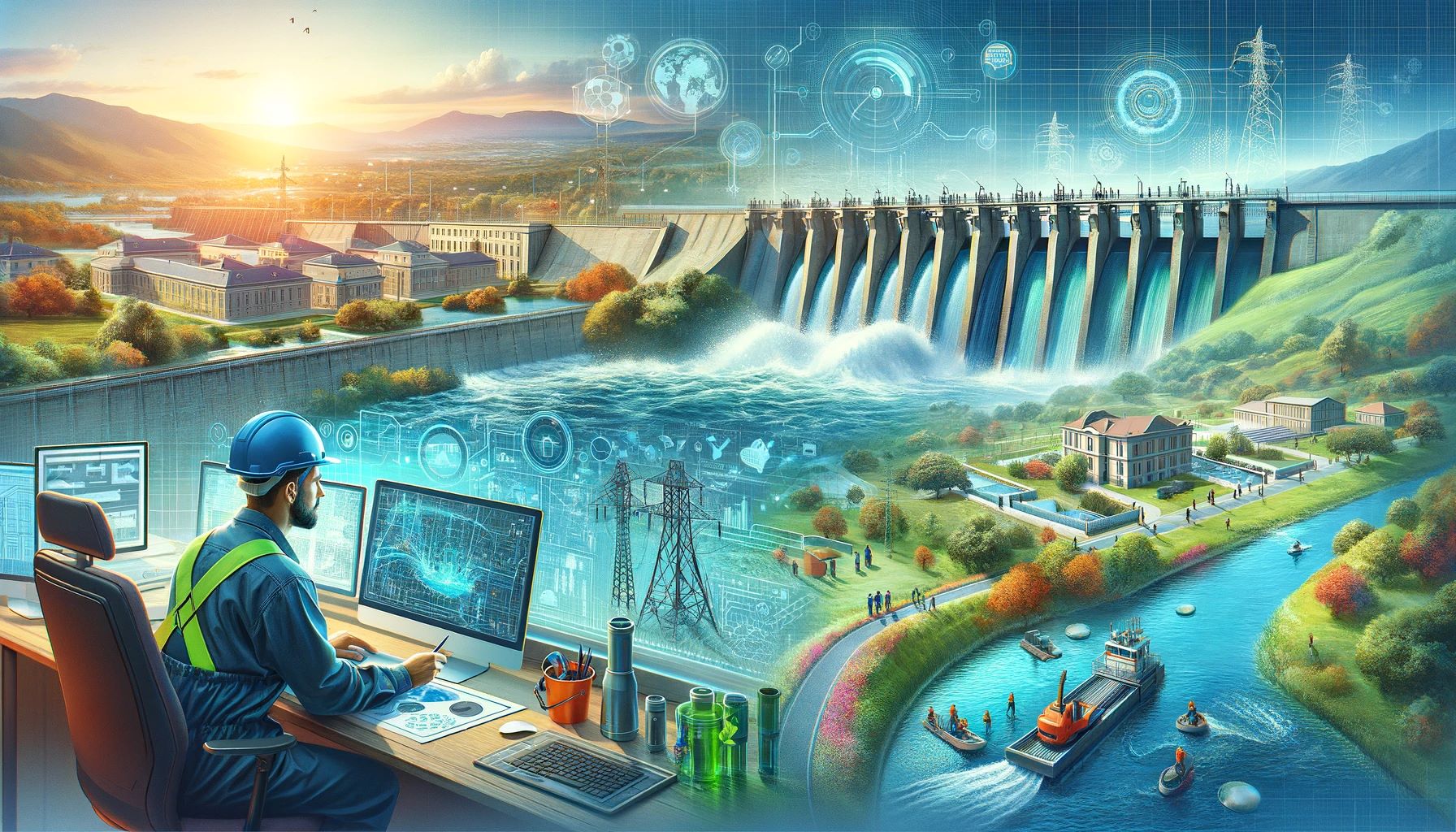
Challenges of the Water Resources Degree
In the Water Resources degree, professionals face a series of unique and evolving challenges. One of the main challenges is the growing demand for water in a constantly developing world, which requires finding innovative ways to manage and conserve this resource sustainably. Likewise, the variability and scarcity of water resources due to climate change and accelerated urbanization pose additional challenges in water resources management.
Professionals in this field must be prepared to face situations such as prolonged droughts, sudden floods and water pollution. In addition, they must be familiar with the regulations and policies related to water use and management, as well as be able to effectively communicate the risks and challenges associated with water resources to different stakeholders.
The Water Resources degree requires adaptability, solid technical knowledge and a holistic vision to address present and future challenges in water resources management.
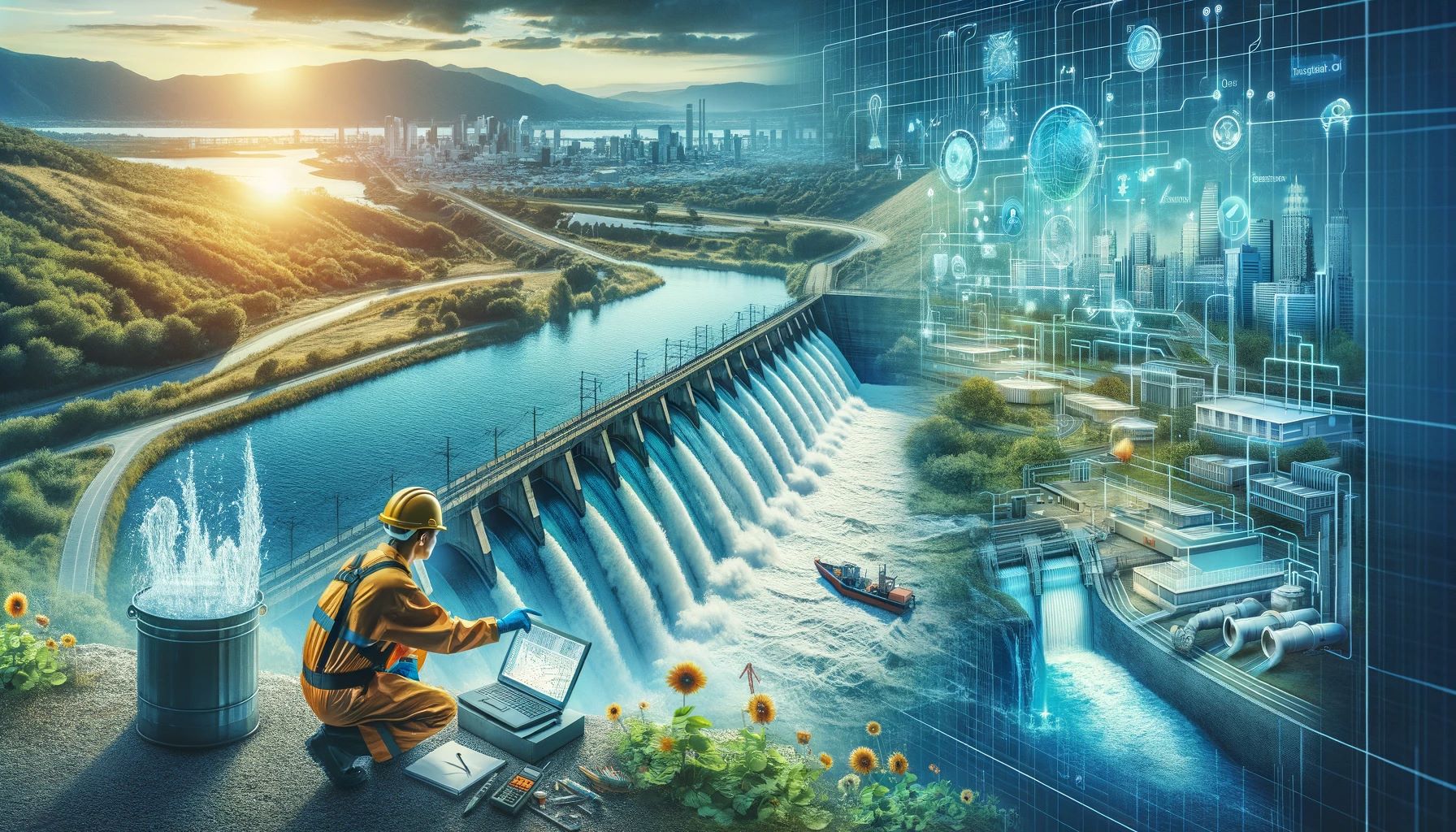
Job Opportunities in Water Resources
Within the field of water resources, there are numerous job opportunities for those professionals committed to water conservation and management. These opportunities can be found in different sectors, such as government, where specialized personnel are required for the formulation and implementation of water management policies.
Likewise, private companies dedicated to water treatment and distribution also demand professionals in areas such as environmental engineering, hydrology and water resources management. In addition, non-governmental organizations and international organizations offer employment opportunities in sustainable development projects and conservation of water resources at the local and international level.
What job opportunities are available for Water Resources graduates?
Water Resources graduates have various job opportunities available. They can work in government agencies in charge of water management and conservation, such as the Department of Water Resources. They can also find employment in private companies engaged in water-related engineering and consulting, such as the construction of hydraulic infrastructure and water treatment systems. In addition, there are opportunities in nonprofit organizations dedicated to the conservation and protection of water resources, as well as in academic institutions as professors or researchers on water-related topics.
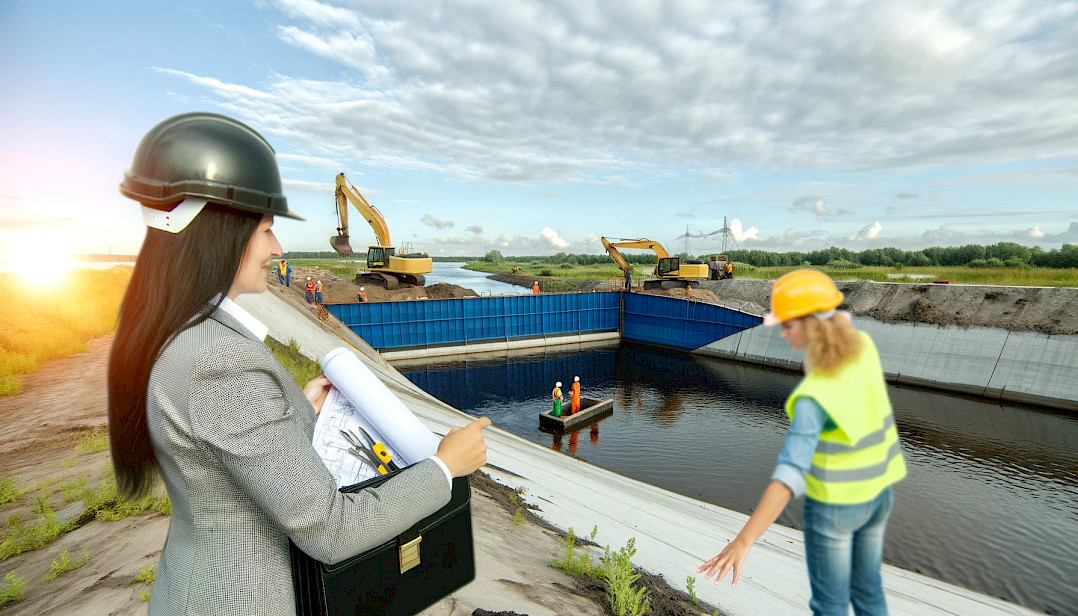
Why study Water Resources?
Reasons to Study Water Resources: Studying Water Resources offers a number of opportunities and benefits. It makes it possible to address urgent environmental problems and contribute to the well-being of communities and the planet in general. It also offers job opportunities in various sectors, such as government, environmental consulting, industry, nonprofit organizations, academic research and education.
- Because it addresses the sustainable management of a resource essential for life and socioeconomic development.
- Because it trains you to face challenges such as climate change, pollution and the overexploitation of water sources.
- Because it prepares you to design, implement and manage innovative solutions that ensure access to water and its quality for future generations.
- Because it fosters a comprehensive understanding of water systems, including technical, legal and environmental aspects.
- Because it offers wide career opportunities in public and private sectors, research and NGOs related to water and environmental conservation.
Professionals in Water Resources play a crucial role in water resources management, the design of hydraulic infrastructure, the conservation of aquatic ecosystems, the mitigation of natural disasters related to water and the formulation of water policies and regulations.
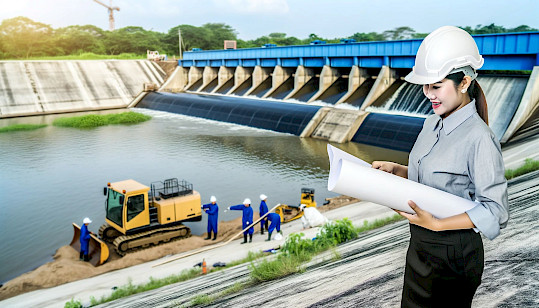
Duration of studies
The duration of the Water Resources degree may vary depending on the country, the educational institution and the type of program (technical, Bachelor's, Gradi, postgraduate, etc.).
In general, a Bachelor's Degree program in Water Resources can last 4 years.
Master's programs usually last 2 years, and doctorates can extend between 2 and 3 years, depending on the researcher's pace and the specific requirements of the program.
For accurate information on the duration of specific programs in Water Resources, it is best to consult directly with the educational institutions offering these programs.
What are the main study objectives in the Water Resources degree?
include water scarcity, water pollution, the lack of adequate infrastructure for water distribution and treatment, climate change and the overexploitation of aquifers. These challenges require efficient measures and policies to ensure equitable access to drinking water, promote conservation and the sustainable use of water, implement appropriate technologies for wastewater treatment and foster society awareness and participation in the protection and conservation of water resources.
What skills and knowledge are expected to be acquired upon graduating from a program in Water Resources?
Upon graduating from a program in Water Resources you are expected to acquire skills and knowledge in water management, evaluation of water resources, design of conservation policies and programs, water quality monitoring and analysis, sustainable management of watersheds, resolution of water-related conflicts, and efficient use of water resources.
Graduates are also expected to be able to apply advanced modeling and data analysis techniques and tools for the management and planning of water resources.
How does the degree in Water Resources contribute to solving environmental and sustainability problems?
The degree in Water Resources contributes to solving environmental and sustainability problems through various actions.
Professionals in this area have specialized knowledge to manage water resources efficiently and sustainably, promoting the conservation and protection of aquatic ecosystems.
In addition, they can develop projects and integrated water management policies, fostering the responsible and equitable use of this vital resource. They can also work on the implementation of wastewater treatment technologies and systems, thus contributing to reducing pollution and improving water quality.
What type of projects or research do students usually carry out during their training in Water Resources?
Water Resources students usually carry out projects and research related to management and water conservation, water quality, the efficient use of water resources, the environmental impact assessment of water projects, the modeling and simulation of water systems, and the implementation of technologies for water treatment and desalination.
They can also research water governance, rights and conflicts related to water access, as well as adaptation to climate change in relation to water resources.
Where to study Water Resources?
In Spain, Universidad Rey Juan Carlos (URJC) offers an innovative and unique degree in Water Resources.
This program provides specific training with an integrative and interdisciplinary approach, covering all relevant aspects in the integrated management of water resources.
Students will be trained in the physical, chemical, geological and biological principles that govern the flows of matter and energy in the hydrological cycle, and will acquire skills for field and laboratory work, evaluation of demands and availability of water resources, and knowledge of water treatment and management technologies. This degree is taught at Escuela de Ciencias Experimentales y Tecnología (ESCET) and is designed to train professionals capable of addressing the growing challenges in water management.
The degree in Water Resources is an option for those interested in contributing to sustainable water management and addressing the challenges related to this vital resource for life on Earth.