
Condition and measure the gas
The gas arrives from gas wells or separated from oil production. The plant removes components according to the required quality and measures what it delivers. This control allows the gas to enter the transport system within the applicable specifications.
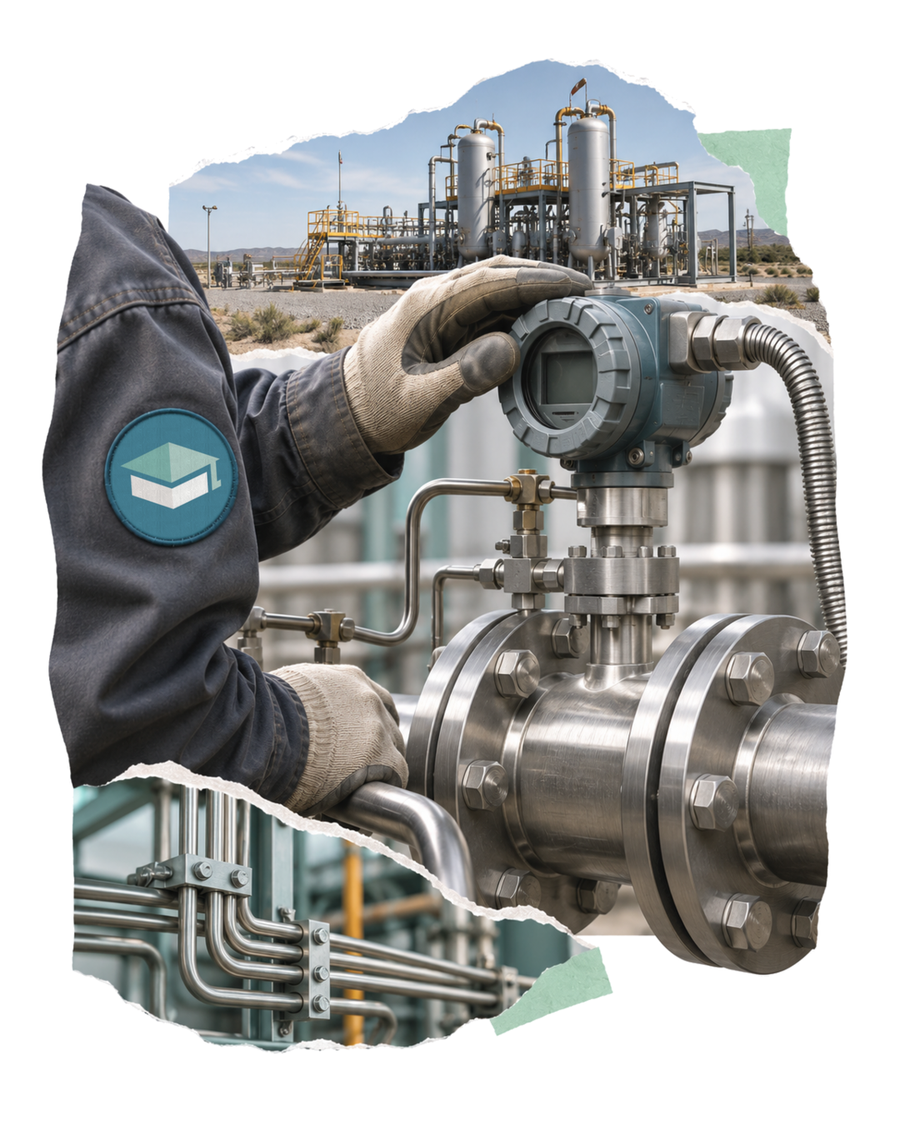
At reception, the operations team identifies the sources and records the composition and flow rate. With that data, the plant plans the treatment of field gas. During conditioning, the operations team monitors equipment that separates liquids and reduces impurities according to the plant design.
The quality team checks whether the treated gas meets the delivery conditions. Laboratory and instrumentation verify the quality and measurements where the gas is handed over to the carrier. The carrier uses the quality and volume records to verify delivery and schedule transportation.
What is checked at the delivery point
The quality team reviews the properties of the gas. Instrumentation records which device took each reading. If a discrepancy appears, that data helps determine whether the gas treatment or the device that measured it needs to be reviewed.
How to get in
Employment. If you come from industrial electricity, look for instrumentation or plant maintenance. TGS has a channel to apply.
Service. A company can quote the calibration of pressure or flow instruments. Its client receives certificates per device that can be linked to the measurement records. TGS publishes supplier information on its portal.
What to study
Natural Gas Processing, IAPG. Course to understand stream treatment and separation operations.
Technical Degree in Electricity and Industrial Control Systems, ITU-UNCuyo. Foundation for instrumentation, panels, and equipment control.
In Argentina
TGS captures and conditions gas from Vaca Muerta in Tratayén, Neuquén. At the Cerri complex, in Bahía Blanca, the same company recovers liquids from the gas and fractionates them for sale.