What to study if I like nature
If you enjoy being outdoors, observing animals and plants, understanding ecosystems or caring about environmental problems, there are many degrees related to nature. The difference is in what you want to do with that interest.
The Career Test from NoSeQueEstudiar can help you connect your interest in nature with skills such as observation, research, working with data, problem solving or communication.
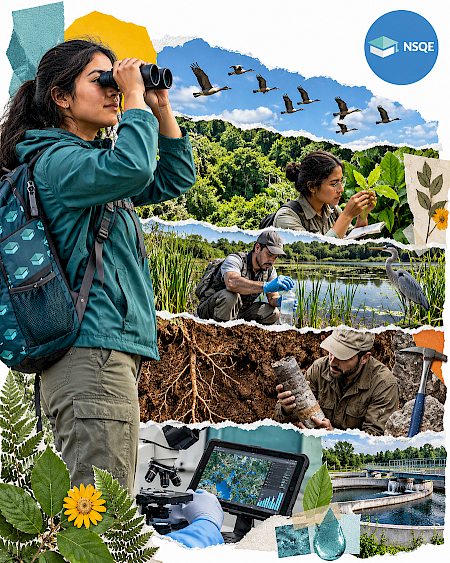
If you want to understand living beings
Biology can be an option if you are interested in studying organisms, evolution, genetics, behavior and ecosystems.
Depending on your specialization, you can work in laboratories, research, conservation or the field.
It is a broad degree, so it is worth checking what areas each university offers.
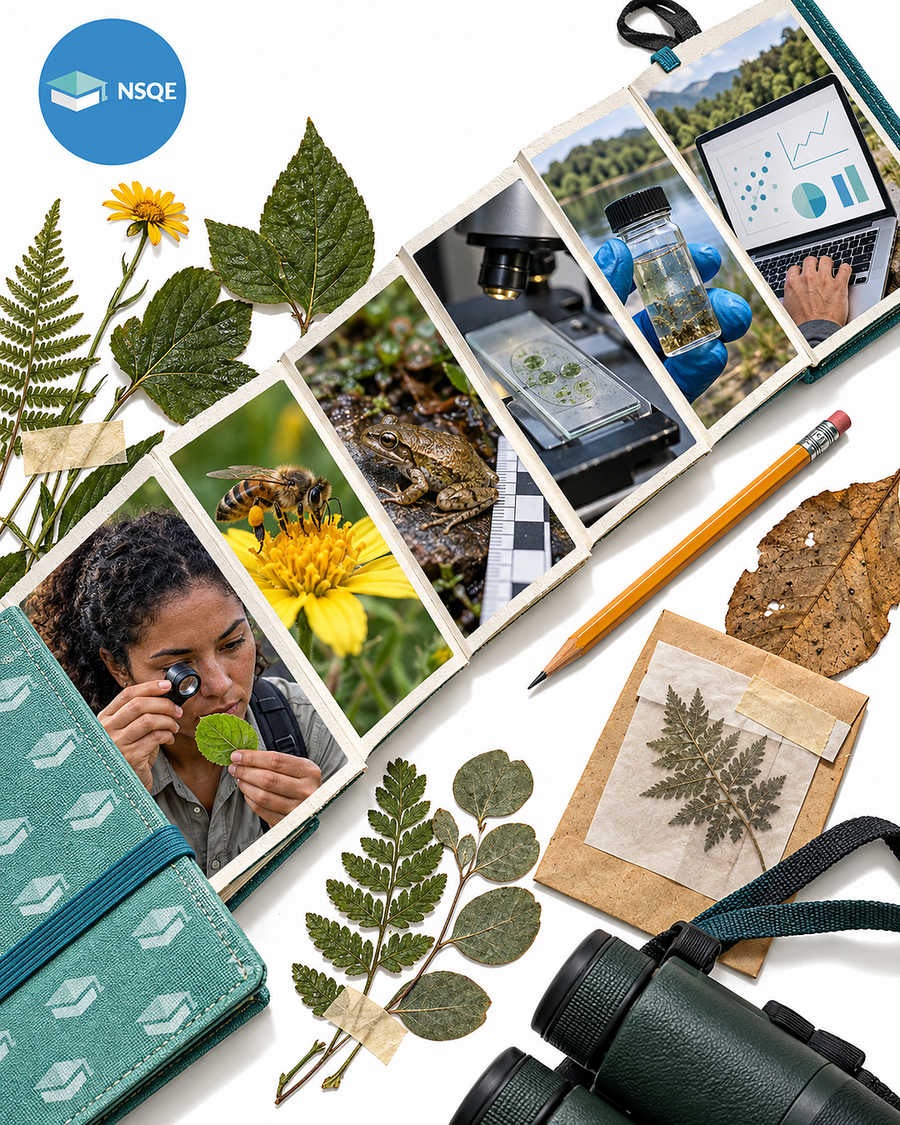
If you are interested in ecosystems
Ecology studies the relationships between living beings and their environment.
It can lead you toward research, conservation and ecosystem analysis.
Environmental Sciences may also interest you, although it usually also integrates knowledge of chemistry, geology, management, environmental policies and society.
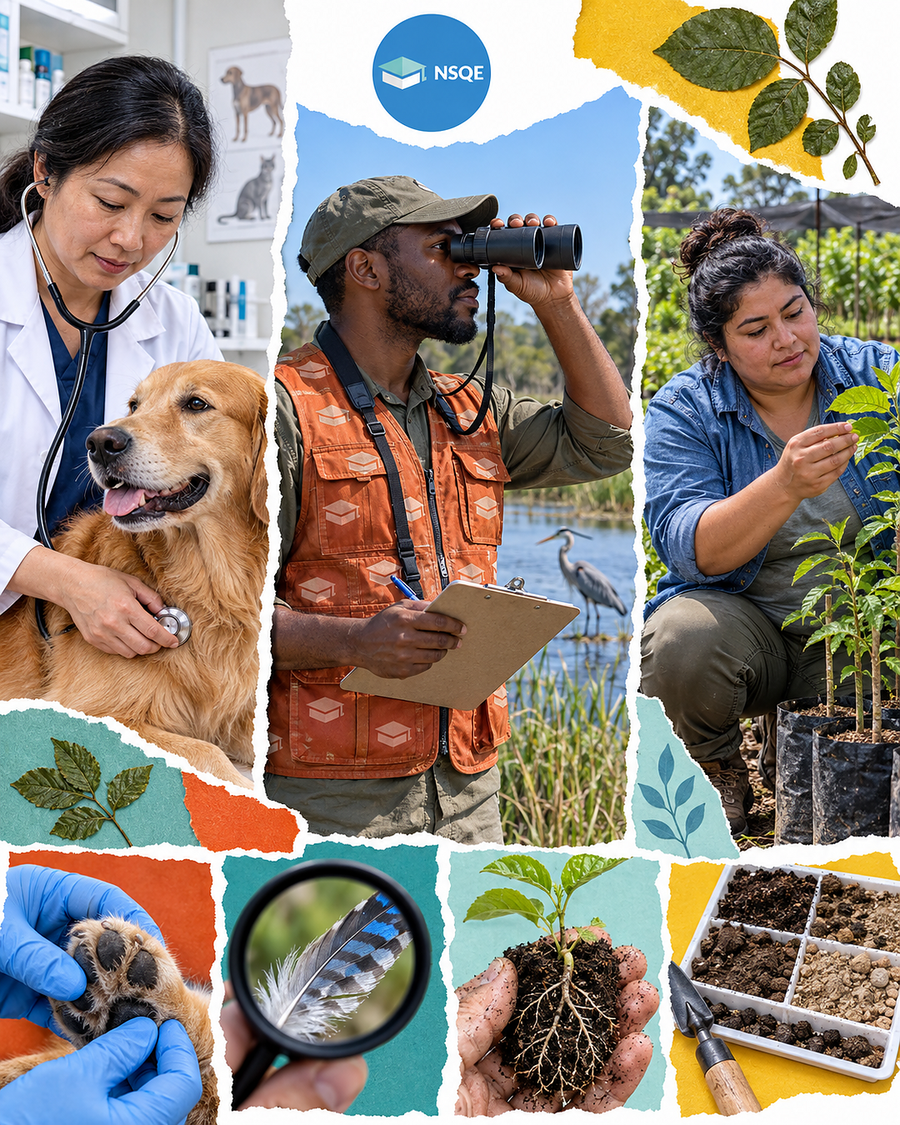
If you like animals
Veterinary Medicine can be a good fit if your main interest is animal health and care.
If you prefer to study behavior, species or conservation, you can explore Biology, Zoology, Ecology and other related sciences.
Liking animals does not automatically mean that Veterinary Medicine is the best option. The important question is what you want to do with them.
If you are interested in plants
Botany, Agronomy, forestry sciences and Biology can lead you to work with plants from very different perspectives.
You can research species, study crops, conserve forests, improve productive systems or work with ecosystems.
If you are drawn to fieldwork
Geology, Biology, Environmental Sciences, Geography and various engineering degrees may include activities outside the office.
Fieldwork can mean taking samples, taking measurements, observing ecosystems, or studying terrain.
It also includes preparation, analysis, and subsequent documentation.
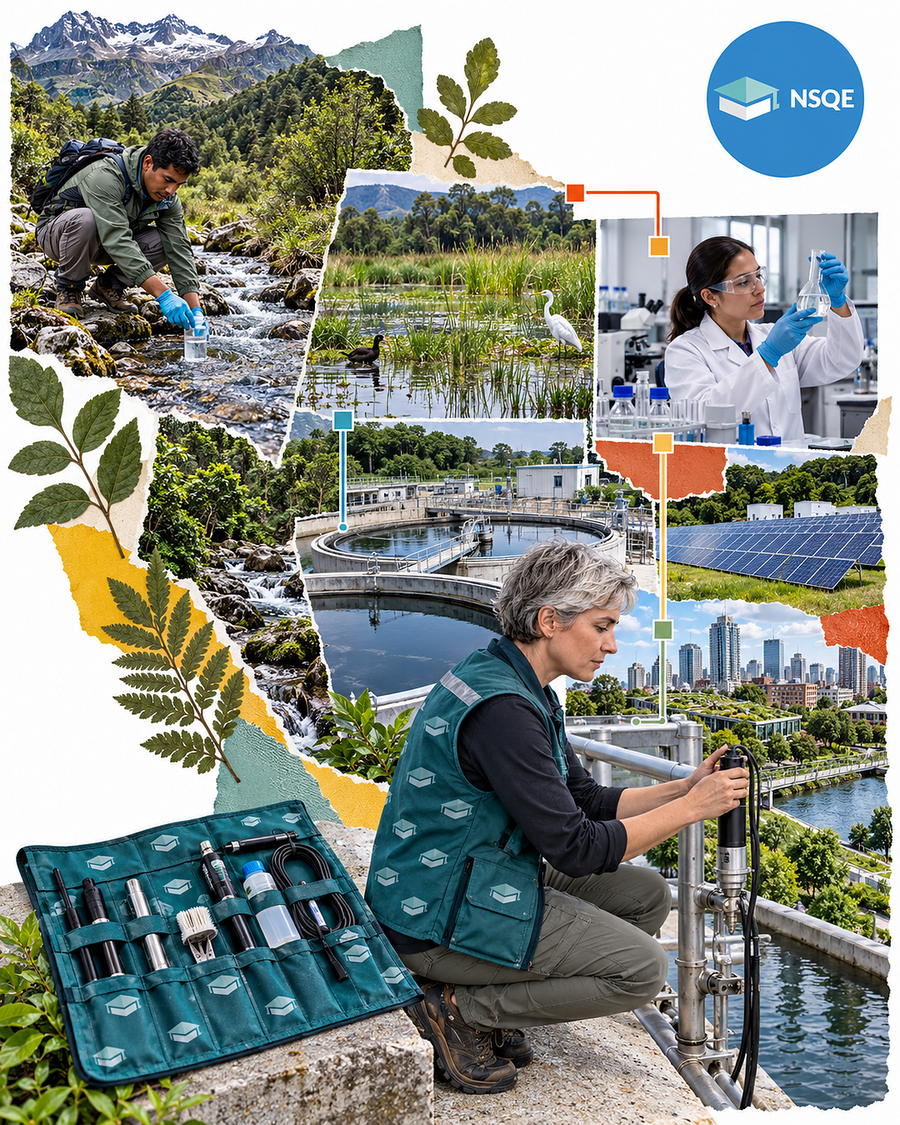
If you want to protect the environment
You can explore Environmental Sciences, Environmental Biology, Environmental Engineering, Ecology and conservation.
The difference lies in the type of problems you want to solve.
Environmental Engineering usually focuses more on developing technical solutions. Ecology studies natural systems. Environmental Sciences analyzes problems from a multidisciplinary perspective.
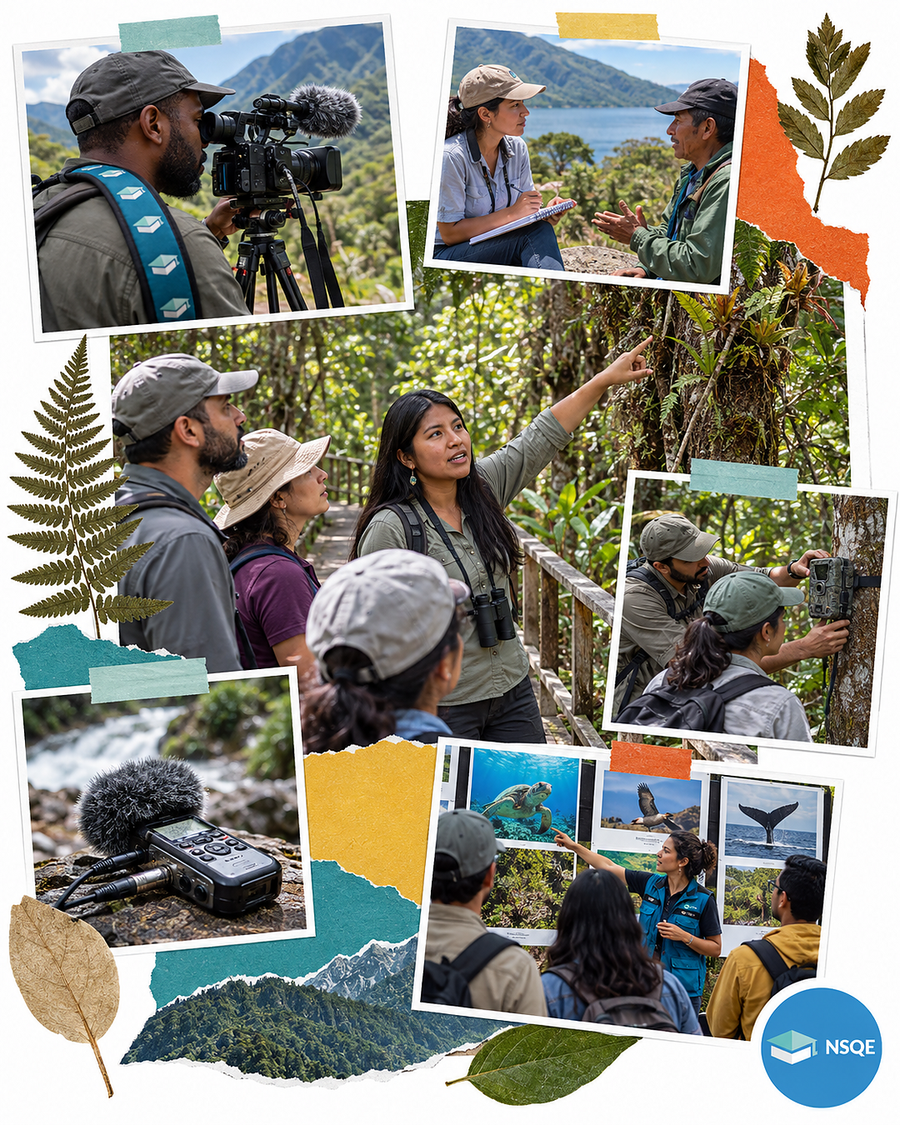
If you want to communicate about nature
Conservation also needs education, outreach, communication, and audiovisual production.
If you enjoy photography, writing, or media, you can combine these skills with environmental topics.
There are professionals who work explaining science, creating documentaries, or developing educational campaigns.
How to choose?
Nature + organisms can bring you closer to Biology.
Nature + environmental problems can lead you to Environmental Sciences.
Nature + technical solutions can point you toward Environmental Engineering.
Animals + health can lead you to Veterinary Medicine.
Plants + production can bring you closer to Agronomy.
The NoSeQueEstudiar Career Test can help you organize these combinations and discover which options fit best with the rest of your profile.