
Bacteriologist
A bacteriologist works from the prevention, diagnosis and prognosis of diseases, the professional in this specialty is trained in bacteriology, medical diagnoses are based on the various tests performed by a bacteriologist within a clinical laboratory.
The training and names of the degree may vary in each country, for example in Canada the diploma of Laboratory Technician and histopathologist is awarded, in China it is known as Bacteriologist or clinical laboratory technician, in Russia it is known as graduate in Bioanalysis, in Chile, Mexico and Spain the diploma of Biomedicine is awarded, in USA it is recognized as Bachelor's in Bacteriology or Medical Laboratory Scientist, depending on their training.
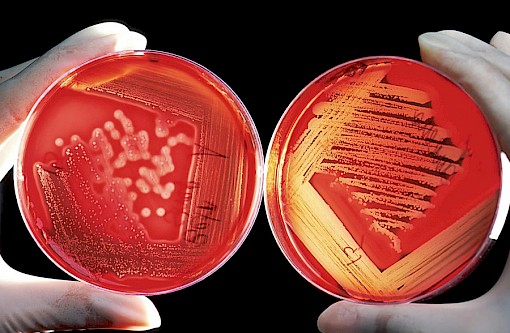
A bacteriologist has general knowledge in bacteriology, hematology, parasitology, mycology, virology, immunology, genetics, cytogenetics, molecular biology, quality control, biotechnology, among other disciplines. Many times bacteriologists analyze fluids and blood samples, from suppurative lesions, from urine, from cerebrospinal fluid, from pleural fluid, from synovial fluid, among others.
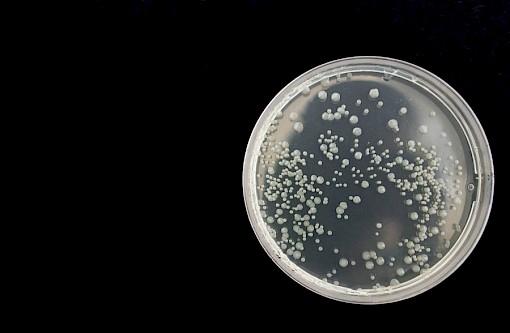
A bacteriologist works in different fields as a professional or coordinator of clinical laboratory and blood banks, forms scientific research groups, performs microbiological quality control, quality control in clinical laboratory equipment, epidemiology and public health, clinical laboratory, develops the training of other professionals, among others.