
Climatologist
What is a climatologist?
A climatologist studies the scientific and mathematical aspects of the atmosphere, weather and the Earth's climate. They develop reports, forecasts and research on climate change based on their analysis of meteorological and climate data. Most climatologists work indoors in weather stations, offices or laboratories. Occasionally, they do fieldwork, which means working outdoors to examine the weather.
They use various methods and sources, such as satellite data and computer models, to analyze weather and related data.
Climatologists are often experts in various fields of science, such as physics, chemistry, biology and mathematics. They often collaborate with other scientists to better understand the Earth's climate, develop strategies to mitigate the effects of climate change and identify solutions to climate-related problems. Climatologists are incredibly important for understanding how our climate is changing and how we can better protect and preserve our planet.
What does a climatologist do?
A climatologist typically does the following:
- Measures temperature, atmospheric pressure and other properties of the atmosphere.
- Develops and uses computer models that analyze data about the atmosphere (also called meteorological data).
- Produces weather maps and charts.
- Reports on current weather conditions.
- Prepares short- and long-term weather forecasts using sophisticated computer and mathematical models, satellite and radar data.
- Issues warnings to protect life and property during severe weather, such as hurricanes, tornadoes and flash floods.
A climatologist uses highly advanced instruments and computer programs to do their job. For example, they use weather balloons, radar systems, satellites and sensors to monitor the weather and collect data. The data they collect and analyze is essential for understanding air pollution, drought, ozone layer depletion and other problems. They also use graphics software to illustrate their forecasts and reports.
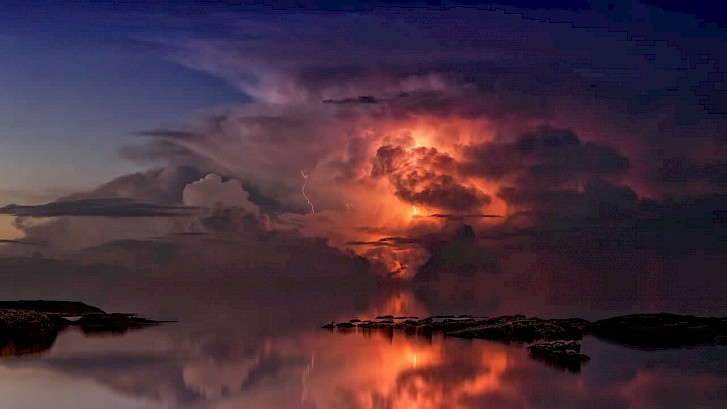
Many climatologists work with scientists and professionals in other fields to help solve problems in areas such as business, energy, transportation, agriculture and the environment. For example, some work in teams with other scientists and engineers to find the best locations for new wind farms, which are groups of wind turbines used to generate electricity. Others work closely with hydrologists to monitor the impact of climate change on water supplies and manage water resources.
What is the workplace of a climatologist like?
Climatologists involved in research often work in offices and laboratories, but they may travel frequently to collect data in the field and observe weather events, such as tornadoes, up close. They observe actual weather conditions from the ground or from an airplane. Atmospheric scientists working in private industry may have to travel to meet with clients or gather information in the field. For example, forensic meteorologists may need to collect information from the scene of an accident as part of their investigation.