
Animal Caretaker
An Animal Caretaker is a person who is dedicated to the care and well-being of animals. These workers can work both in domestic settings and in adoption centers, shelters, pet spas, and other related places. Their job is to ensure the physical and mental health of the animals under their care.
What is an Animal Caretaker?
An Animal Caretaker is a career that involves the care and attention of animals. This includes providing food and water for the animals, as well as cleaning their cages and habitats. They may also provide medication, vaccination, and general medical care to animals. The work of an Animal Caretaker also includes animal training and behavior management.
An Animal Caretaker provides attention and care to a variety of domestic and wild animals. These professionals ensure the health and well-being of animals through a variety of tasks, such as feeding them, cleaning their living areas, administering medications, and performing examinations to detect diseases.
Animal Caretakers also offer educational services for pet owners, advising them on how to care for their animals and counseling them on their health.
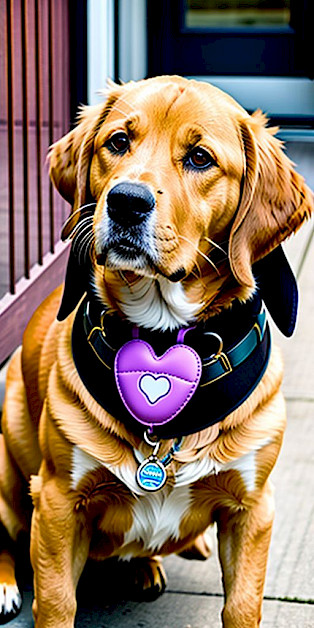
Being an Animal Caretaker offers endless advantages.
The satisfaction of helping improve the lives of animals in need is immeasurable. The work offers a considerable amount of knowledge and experience in animal care, feeding, basic training, and identifying diseases. Another benefit is daily contact with animals, with whom a deep emotional bond develops over time.
An animal caretaker is someone who is in charge of the daily care of laboratory or farm animals used in biotechnology research.
These animals may include mice, rats, sheep, goats, pigs, cattle, cats, birds, fish, rabbits, hamsters, monkeys, dogs, or frogs.
Animal caretakers:
Feed and water animals, clean and disinfect their cages, racks and pens.
Examine animals for signs of illness, groom and bathe them, adjust the temperature and humidity of animal enclosures and keep records to meet regulatory standards and operating procedures.
Sometimes observe animals, perform minor clinical tasks, move animals and administer medications orally or apply them to the skin.
They may receive and store food and other materials used in animal care.
Animal caretakers in agricultural biotechnology are responsible for:
The daily care of farm animals raised for research purposes.
Working on an experimental farm and performing routine tasks such as providing food and water to animals and keeping their environment clean.
They may help with artificial insemination, births or milking.
Keeping detailed records on each animal's diet, weight, medications and food consumption for research projects.
Tasks can sometimes be repetitive and the work may involve lifting, bending and stooping to clean animal enclosures. Working closely with animals often involves being around strong or unpleasant odors.
Regarding salaries and working hours:
Entry-level salaries: between 18,000 and 20,000 Euros per year (generally higher in high cost of living areas).
Experienced animal caretaker: between 15,000 and 30,000 Euros per year (generally higher in high cost of living areas).
HOURS: Most animal caretaker positions are full-time, 40 hours per week. Since animals need care every day, many positions require some weekend, night, holiday or overtime work. There are also often part-time jobs in this position.
BENEFITS: Biotechnology employers offer excellent benefits packages for full-time workers, and many offer benefits to part-time employees as well. Benefits packages generally include vacation, holidays and sick leave; medical, dental, vision and prescription drug coverage; life and disability insurance; retirement plans; and profit-sharing and stock ownership plans.
Regarding qualifications, skills and training, an animal caretaker must enjoy working with animals, but must also understand that most animals used in research are intended to end their lives as part of the research.
Generally, an entry-level animal caretaker position requires a high school diploma. Some employers hire caretakers without a diploma but with previous experience.
Some companies prefer candidates with college coursework in a veterinary technician program or similar program. Up to two years of experience working with animals may also be required, which can be gained in paid jobs or as a volunteer at an animal shelter, zoo, or veterinary office.
To find work as an animal caretaker, you can look at:
- Biotechnology companies that use animals for research and development, as well as for testing products.
- Pharmaceutical companies that develop medicines for animals and humans.
- Agricultural and food companies.
- Universities, colleges and research institutes or government agencies such as the Institutos Nacionales de Salud.
- Jobs are usually filled through employee referrals, submitting applications, or hiring volunteers. Some jobs may be listed on company websites and job search websites.
This type of entry-level work may not appear in job ads on the Internet. Jobs at universities and research institutes may be filled by students or interns.
Some jobs through employment agencies specializing in biotechnology or scientific jobs.
Although coursework is generally not required to be an animal caretaker, earning an associate degree can help you get promotions and higher-level jobs. If you are interested in these programs, check with your vocational advisor for specific course offerings.