Veterinary Medicine
The degree in Veterinary Medicine trains professionals to heal and carry out prevention of diseases in animals.
What do you learn in Veterinary Medicine?
Studying Veterinary Medicine allows you to gain scientific-level knowledge related to animal health and the care needed to improve their quality of life.
Graduates develop measures to detect those diseases that can be transmitted from animals to humans, which is vital for the advancement and growth of public health.
Professionals have techniques to make the most of food technology to optimize profitability of products that come from the animal world.
The veterinarian is interested in caring for natural resources and every ecological aspect of the surrounding environment, can work in public or private sectors, understands animal behavior, works with all types of breeds and has commercial knowledge and knowledge of the legal ownership of animals that can be domestic.
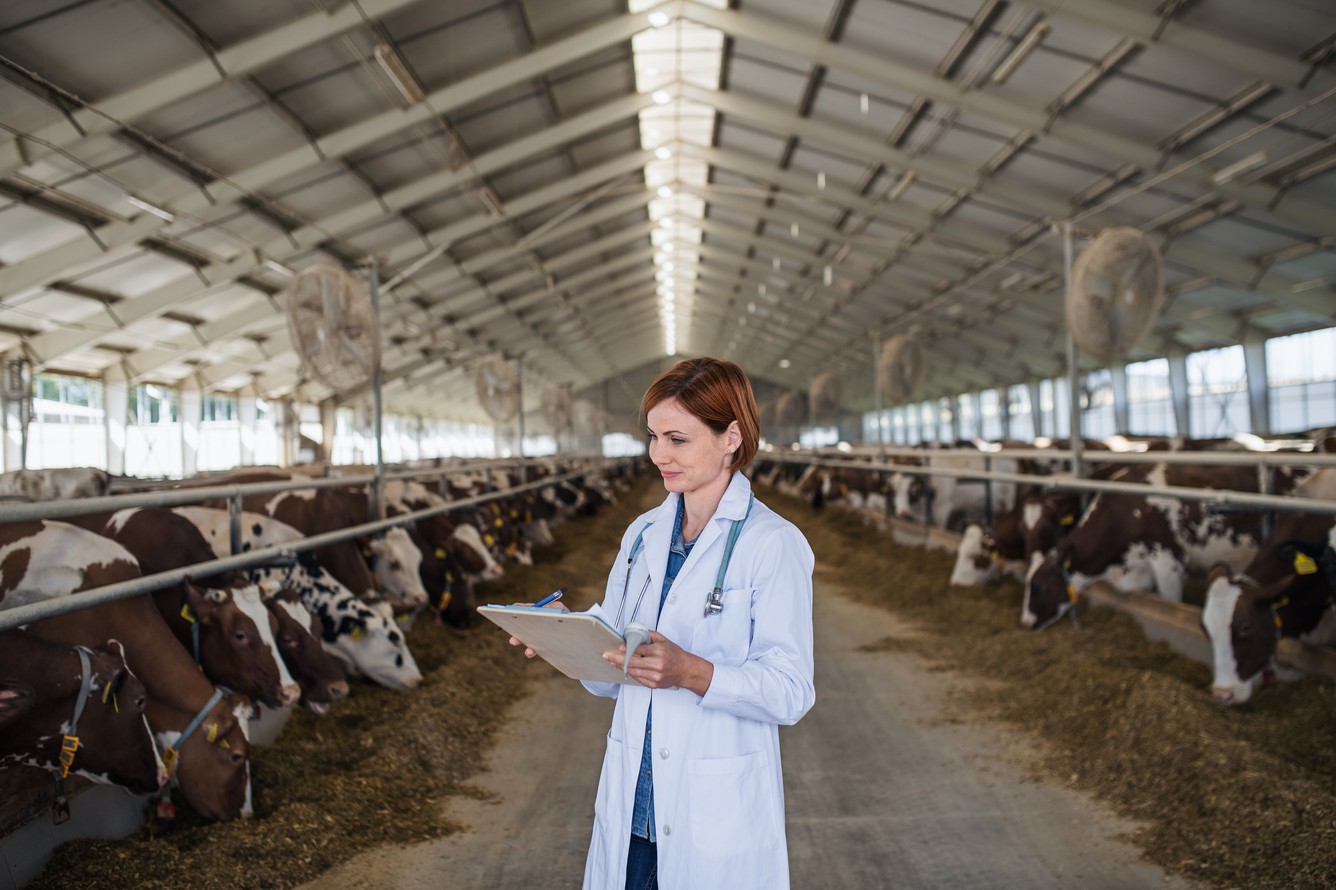
The degree offers the opportunity to carry out research in biological sciences through the use of the latest technologies, create action plans in animal health, prevent outbreaks and epidemics, recognize genetic advances and participate in health care in food production.
Veterinarians participate in outdoor research and show a special respect for animals, the environment and science.
Intermediate Degree in Veterinary Medicine
In some cases you may be interested in working with animals, but not want to pursue an extensive degree that takes a long time to become a veterinarian, so the intermediate qualification may be an option for those who want to work with animals under the supervision of a veterinarian; training as a veterinary technician can generally be completed in a 2- or 3-year program after school.

Veterinary technicians are an integral part of any veterinary practice, performing medical tests on animals, preparing and administering vaccines and other injections, and assisting with surgical procedures.
The advantages of studying Veterinary Medicine are:
- Ideal degree for animal lovers.
- Possibility to conduct research to prevent epidemics and diseases in society.
- Opportunity to work in the public or private sector.
- Promoting care for the environment.
- Gaining scientific knowledge at the biological and genetic level.
The disadvantages of the degree are:
- It requires expensive resources to carry out research.
- It demands constant study and use of new animal healthcare techniques.
- It is a degree that requires a lot of reading and experience in dealing with animals.
- Stressful situations during hours that may include weekends.
- Financial compensation can be low in some workplaces.
Present and Future of Veterinary Medicine
In recent years, the veterinary career has broadened its horizons to encompass disciplines such as space medicine, radiobiology, laboratory animal medicine, bioengineering, toxicology and many other fields.
The future prospects for veterinarians look bright, as the number of domestic pets is expected to grow, and in addition the pets we will have in the future will receive better and more sophisticated care as people demand more advanced treatments for their pets.
Veterinarians have always been involved in much more than the routine care of domestic animals. today the role of veterinarians has grown to cover challenges and opportunities.
Bearing in mind that approximately 50 percent of our food products come from animals in the form of meat and dairy products, from cattle and pork to fish, eggs, milk and cheese, we understand that veterinarians play an important role in agricultural production, ensuring that the food on our tables comes from healthy animals. Veterinarians oversee humane transport, the slaughter of animals and ensure that animals used for food are free of disease.
Livestock producers depend directly on veterinarians to increase their productivity; the success or failure of a livestock operation often depends on the effectiveness of a veterinarian.
People as consumers rely on the efficient work of veterinarians to ensure that animals used in livestock farming are treated humanely and with the aim of creating healthy food products.
Exploring Degrees Related to Veterinary Medicine
The field of veterinary medicine is vast and diverse, extending beyond the traditional role of the veterinarian. For those passionate about animals and science, there are a variety of related degrees that offer unique opportunities to work in animal care, research and conservation.
A popular option is that of ethologist, specialists in animal behavior. These professionals study animal behavior in various environments, which is crucial for animal welfare in zoos, nature reserves and in research for species conservation.
For those interested in research and development, veterinary biomedicine offers an exciting path. Professionals in this field work on the development of medicines, vaccines and treatments for animal diseases, contributing significantly to public health and zoonosis control.
Zoologist or Wildlife Biologist: These professionals specialize in the study of animals in their natural habitat, focusing on their behavior, genetics, ecology and conservation. They can work on research projects, conservation or in zoo settings.
Inspector or Animal Control Officer: These roles involve overseeing animal welfare and compliance with animal welfare laws and regulations. They can work for local governments, animal shelters or animal protection agencies.
Animal Nutritionist: They specialize in the diet and nutrition of different animal species, whether domestic, farm or wild. They work on formulating animal feed, ensuring that their nutritional needs are met.
Animal Therapist or Trainer: These professionals work with animals to improve their behavior, emotional and physical well-being. This can include obedience training, rehabilitation of problem behaviors or animal-assisted therapy.
Animal Reproduction Specialist: They focus on animal genetics and reproduction, including artificial insemination, assisted reproduction technology and the management of breeding programs.
Veterinary Epidemiologist: They study the occurrence, distribution and control of diseases in animal populations. They are essential in disease prevention, public health and the control of zoonotic disease outbreaks.
Animal Shelter or Rescue Manager: They are in charge of managing shelters or rescue centers, overseeing animal care, adoption and community education programs.
Animal Welfare Consultant: They work with farms, companies and organizations to improve the living conditions and treatment of animals, ensuring that animal welfare regulations are met.
These are just some of the many options available for those interested in a degree related to animals and veterinary medicine. Each of these careers requires a unique set of skills and knowledge, and all offer the opportunity to make a significant contribution to the welfare and care of animals.