
Veterinary Technician
There are different specialty areas for veterinary technicians. To become a veterinary technician generally requires a technical-level degree of at least 3 years in duration, significant work experience, special certifications, and the completion of case logs and reports.
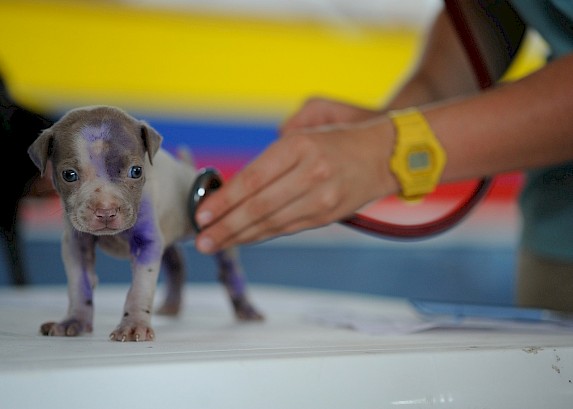
The veterinary technician works alongside the veterinarian and other specialists.
Emergency and critical care veterinary technicians are specially trained to provide emergency intensive care to animals that have suffered severe trauma. Technicians in this specialty may have to work night, overnight, and weekend shifts, since most emergency clinics operate 24 hours a day.
Clinical pathology veterinary technicians perform laboratory analysis of an animal's bodily fluids, such as urine or blood, to identify health problems.
Clinical practice veterinary technicians care for animals in one of three subspecialty areas: canines, exotic companion animals, or production animals.
Equine veterinary technicians assist equine veterinarians with routine and emergency medical care for horses. Equine veterinary technicians may work in a large animal hospital or travel from farm to farm with the veterinarian they assist.
Veterinary surgery technicians are specially trained to assist veterinarians with surgical procedures and oversee preoperative and postoperative care.
Veterinary technician anesthetists are specially trained to assist veterinary anesthesiologists and surgeons with procedures, including monitoring ventilation and sedation.
Veterinary dental technicians provide dental care and cleanings to animals under the supervision of a veterinarian.
Veterinary nutrition technicians help with the nutritional management of animals.
Zoo veterinary technicians assist zoo veterinarians while working with exotic animal species.
Internal medicine veterinary technicians help veterinarians working in a variety of subspecialties such as cardiology, neurology, and oncology.
Behavioral veterinary technicians are trained to help with behavior management and modification.