
Archaeology
The fascination with searching, for many people, goes beyond a game. When choosing a university degree, archaeology can be the beginning of the art of finding.
Choosing a university degree that suits our tastes and needs is not always easy to find, many spend years looking into various degrees to see which one ended up convincing them. There are certain degrees that captivate you from the start, that arrive before the search.
The degree in Archaeology may attract you at first because of what you can learn about it through what movies show you, by reading a book or by watching a documentary.
In this sense, the archaeologist is a real professional and not simply a fictional one. They perform various tasks in search of the human or cultural history of a place. They look for testimonies of the past in order to reconstruct it, through objects or symbols they may find throughout their research.
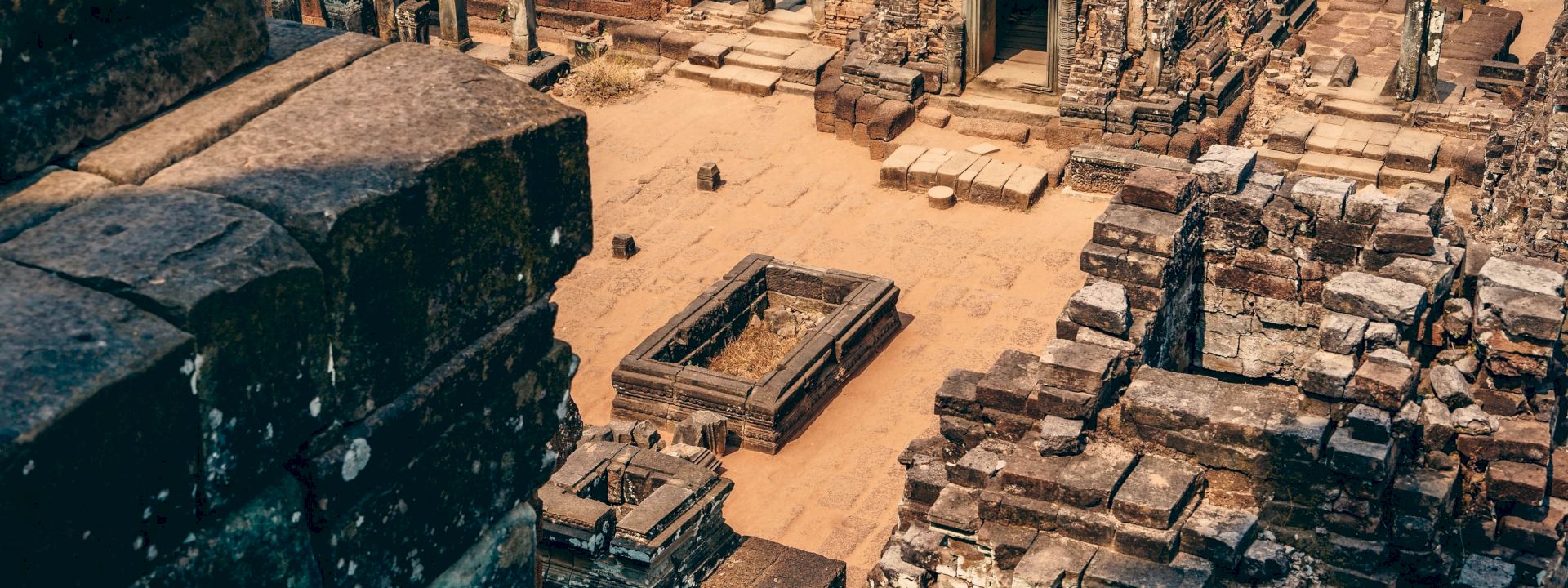
Archaeology has the power to capture the attention of its students because of this fundamental objective, since through the evidence the graduate may find, they will be able to discover political or cultural aspects of a society, as well as the religious beliefs of the peoples who inhabited a particular land.
It is a degree that is mainly linked to what is known as human or social sciences. To become an archaeologist you must study for approximately five years and you will take subjects such as: general social history, prehistory, statistics, linguistics and semiotics, quantitative methodology, paleontology, geology, topography.
Regarding the tasks performed by the professional, they must focus on fieldwork, laboratory analysis, and written dissemination of the work carried out.
They can develop as a researcher or dedicate themselves to working in museums, monument restoration, work in parks, foundations, or lean toward training new professionals through education.
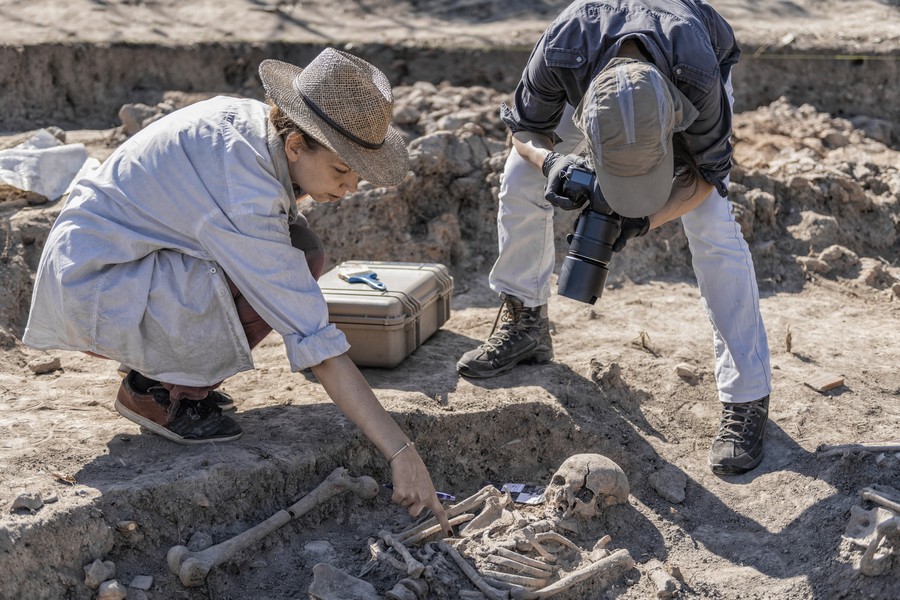
With regard to research work, they will have to put into practice the theoretical tools learned throughout the course of study, since scientific methodology will be a fundamental part of the work they will have to carry out.
That is why they will mostly have to work in teams where they can coordinate their work with other professionals such as geographers, botanists, anthropologists, geologists, zoologists so that knowledge can complement each other.