
History
The History degree is oriented toward the analysis of social, political, cultural and economic events in the past, present or future.
Studying History offers theoretical concepts and content to investigate events that marked a before and after, techniques based on the social sciences, knowledge of a wide diversity of sources to access information and provides the tools to understand human actions in society over time.
The professional (historian) has the mission of analyzing different communities to propose possible solutions that best adapt to today's society, recognizing factors from the past.
Gathers information, researches the events that marked history, uses objects such as letters, ancient sculptures and sacred spaces, shows appropriate respect for each event and provides critical judgment on all types of testimony found.
The historian holds positions in teaching teams in schools or universities, in publishing houses for creating texts, in public spaces such as municipalities or national museums, in foundations and cultural centers, in research institutes or in libraries.
The degree requires constant reading to acquire knowledge, trains professionals who are critical of local and international culture and advocates for the preservation and care of historical events.
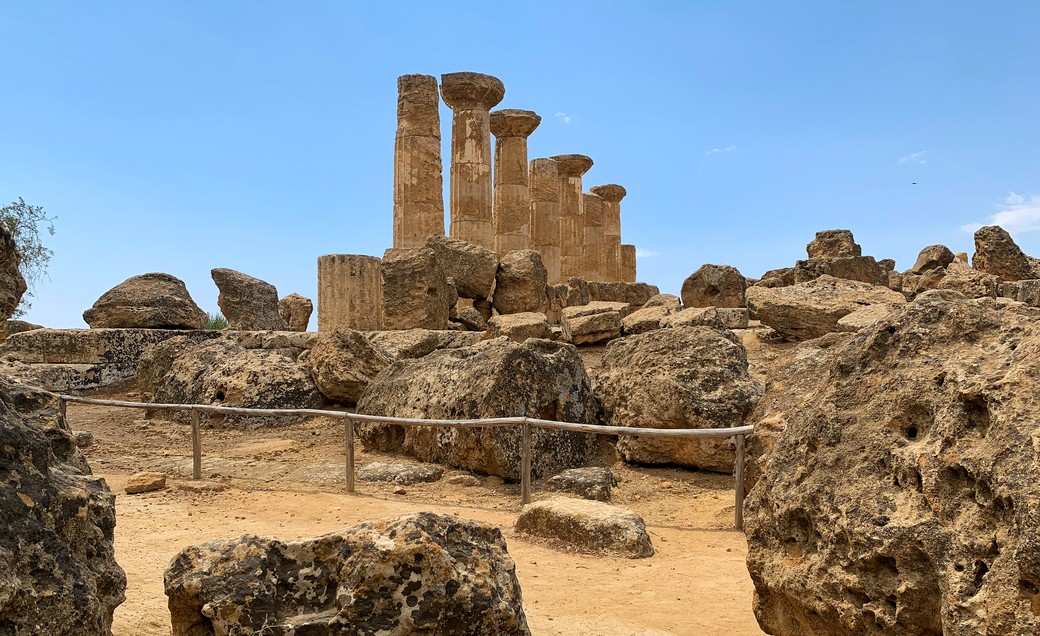
Learning history at university
There are many reasons to learn history at university, history can lead you to discover places and to understand part of our reality.
Remember that each university is different and at some universities it is necessary to meet certain requirements to be able to enroll in the History degree, some requirements may be grades related to subjects taken in History, Humanities or Social Sciences such as Geography, Sociology or Politics and demonstrating strong skills in research and writing texts. Your grades and academic work are crucial for applying to some universities.
Before enrolling at University you need to explore programs and understand them, you can use NoSeQueEstudiar to find a great variety of degrees and Institutions that interest you.
Check the syllabus and subjects at each university you visit. History degrees have very different approaches, so the programs offered are important.
Check whether your chosen program gives you the opportunity to spend a year abroad or whether the history degree title could be complemented with other degrees, such as Journalism, Marketing, Communication or Education.
It is important to research the different possibilities, so that you can make well-informed decisions and thus know whether the selected History program gives you the skills you need.
Should you study this degree?
Get ready to recognize whether the History degree is ideal for you.
Visit exhibitions, museums, prepare a visit to sites of historical interest with friends, review historical documents and documentaries, academic books, industry magazines, discover and compare writers or even read historical novels.
Learn how to correctly write an essay, remember that during university you will have to do writing assignments such as practical work and finally the degree thesis, for that reason improving essay writing is key.
Many universities select students and at each University the process is different, some request the writing of an essay that demonstrates your passion and skill in the subject. When describing personal hobbies, it is important to describe how your interests have given you skills relevant to your studies, such as teamwork and effective time management.
For many universities, most of your presentation should focus on the subject you have chosen to study and on explaining why you want to study history and why you would be an excellent history student, use specific examples to support each of your arguments.