
How to become a jewelry designer?
Jewelry Design
Jewelry design combines art with technique to create unique and personal pieces. It requires passion, creativity, and technical skills that can be acquired through formal studies or specialized courses. Entering this fascinating degree involves mastering tools and techniques, as well as developing your own style and a distinctive brand, key elements for standing out in the world of jewelry.
The Passion for Jewelry Design
The degree in jewelry design is ideal for those who feel a strong enthusiasm for artistic creation and fashion. It requires unwavering dedication and the pleasure of transforming metals and gems into tangible works of art. This passion is the essence for those who decide to study jewelry design, as it is the driving force behind creativity and innovation in the field of jewelry.
Education and Skills Needed to Design Jewelry
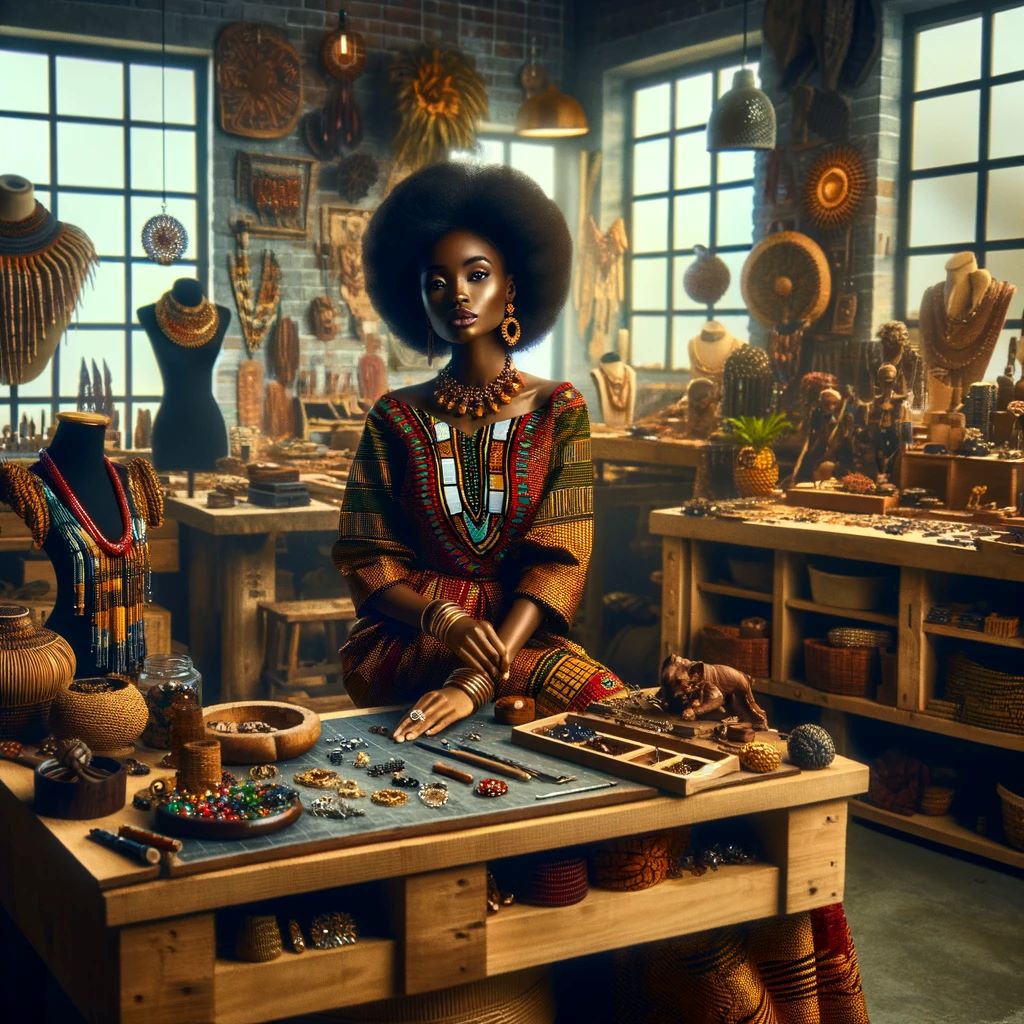
To succeed in jewelry, it is essential to combine a solid education with practical skills.
A jewelry design course provides technical and artistic knowledge, while manual skill and precision are perfected through practice.
Creativity and an eye for detail are fundamental, as is an understanding of trends and the history of jewelry. Studying jewelry design also involves learning about gemology, rendering, and specialized software.
Formal Education in Jewelry Design
The degree in jewelry design often begins with formal education at specialized institutions.
Studies may offer associate degrees, bachelor's degrees, or even master's degrees. During these studies, students delve into advanced techniques, conceptual design, and business applications. In addition, a jewelry design course usually includes gemology, marketing, and legal aspects of jewelry, providing a holistic perspective of the career.
For those who wish to study jewelry design formally, there are options ranging from diplomas and technical degrees to bachelor's and master's degrees offered by recognized institutions. These academic programs typically combine practical classes with theoretical knowledge essential for professional development within the field of jewelry. Upon completion, graduates will be prepared to start or advance in their jewelry design career.
Importance of Color Theory and Art History
Understanding color theory is essential for jewelry designers, as it allows them to create harmonious and visually appealing pieces.
On the other hand, knowledge of art history provides a rich base of inspiration and cultural context, vital for innovating in the jewelry design career. Both aspects are fundamental to developing a unique and meaningful identity within the field of jewelry.
Basic Tools and Techniques
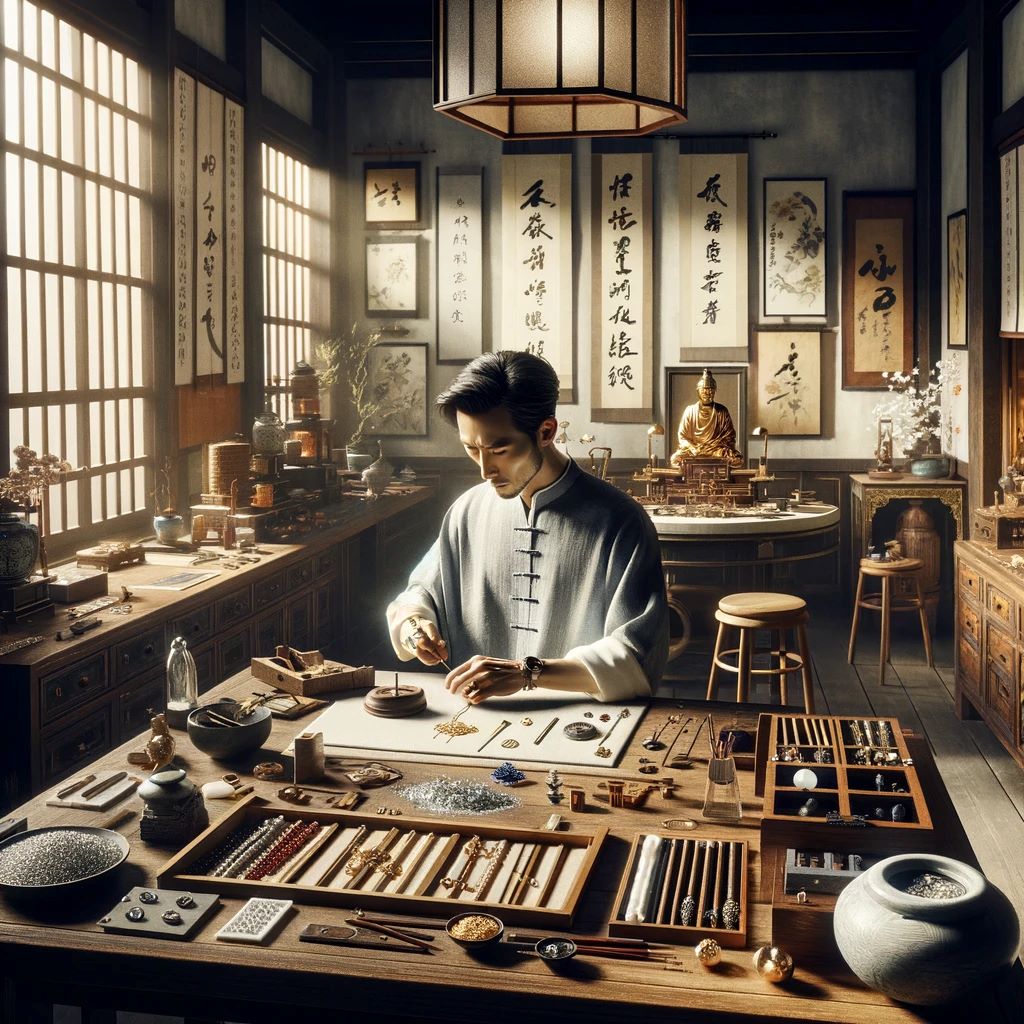
To break into jewelry, it is crucial to master various tools and techniques. Beginners need to become familiar with pliers, files, saws and soldering irons. In addition, it is vital to learn methods such as cutting, setting and soldering. Studying jewelry design will provide you with the practice necessary to perfect these essential skills.
Essential Tools for Beginners
Starting a career in jewelry design requires mastery of specific tools. Beginners should equip themselves with:
- Pliers: indispensable for shaping and cutting metals.
- Jeweler's saw: for precise cuts in metals.
- Soldering iron: essential for joining pieces.
- Files: for smoothing and shaping.
- Mandrel: useful for rounding rings.

Jewelry Manufacturing Techniques You Should Know
For anyone interested in studying jewelry design, there are foundational techniques that must be mastered. Among them, forging, to shape the metal; stone setting, which consists of incorporating gems into the piece; and casting, which allows creating designs from molds. Mastering these techniques through a jewelry design course is crucial to building a solid jewelry design career.

The Importance of Creativity and Originality
In the jewelry design career, creativity and originality are fundamental pillars. Designers must constantly innovate and leave their personal mark on each creation. This not only captures the consumer's attention, but also defines the identity of their brand.
Having a distinctive style is essential to stand out in a saturated market and to attract clients looking for unique and unmatched pieces.
Developing Your Own Style
To stand out in the jewelry design career, it is imperative that each designer find and cultivate their unique style. A distinctive hallmark not only attracts a specific niche of clients but also establishes a strong presence in the market. This is achieved through the study of various techniques and constant experimentation with materials and shapes, thus allowing the designer's authenticity and artistic vision to flourish.
Inspiration in Jewelry Design
Inspiration for jewelry design can arise from any experience, object or element of nature.
Successful designers are constantly looking for innovative ideas, absorbing the beauty of the world and translating it into unique pieces that tell stories. Traveling, studying the history of fashion and jewelry, and exploring other artistic disciplines are enriching ways to refresh creativity and bring freshness to their creations.

Creating a Portfolio and Personal Brand
A solid portfolio is vital to demonstrate skills after studying jewelry design. It should reflect the designer's creative essence, showcasing a diversity of works that communicate their unique style. In addition, building a personal brand identity is essential; this is achieved through marketing strategies that position their creations in the jewelry market, standing out in the jewelry design degree.
To stand out in the jewelry design degree, it is essential to have a portfolio that showcases your most outstanding creations. A professional portfolio must include a variety of designs that demonstrate technical skills and originality. This collection of selected works will attest to the designer's development and evolution, becoming a critical tool in the world of jewelry design and in the pursuit of opportunities.
Marketing and Development of a Brand Identity
For a jewelry designer, it is essential to create a personal brand that will resonate with their audience. Effective marketing strategies include a social media presence, a website, and practicing networking. Developing a coherent brand identity and professional one allows designers to establish an emotional connection with their clients, differentiate themselves in the market and build a solid reputation in the degree in jewelry design.