
Advantages of studying Jewelry Design
The Jewelry Design is the discipline that deals with the conception of ornamental pieces made with different materials. This is done on a scientific and technical basis, setting it apart from traditional craftsmanship.
What is Jewelry Design about?
With the growth of the jewelry industry around the world, it has become necessary to create a discipline that deals with the design, manufacturing and production of jewelry in a scientific and professional way. The Jewelry Design professional will take into account several variables when carrying out this process, including technical aspects, fashion, the materials to be used, shape and the available techniques.
What tasks does a Jewelry Designer perform?
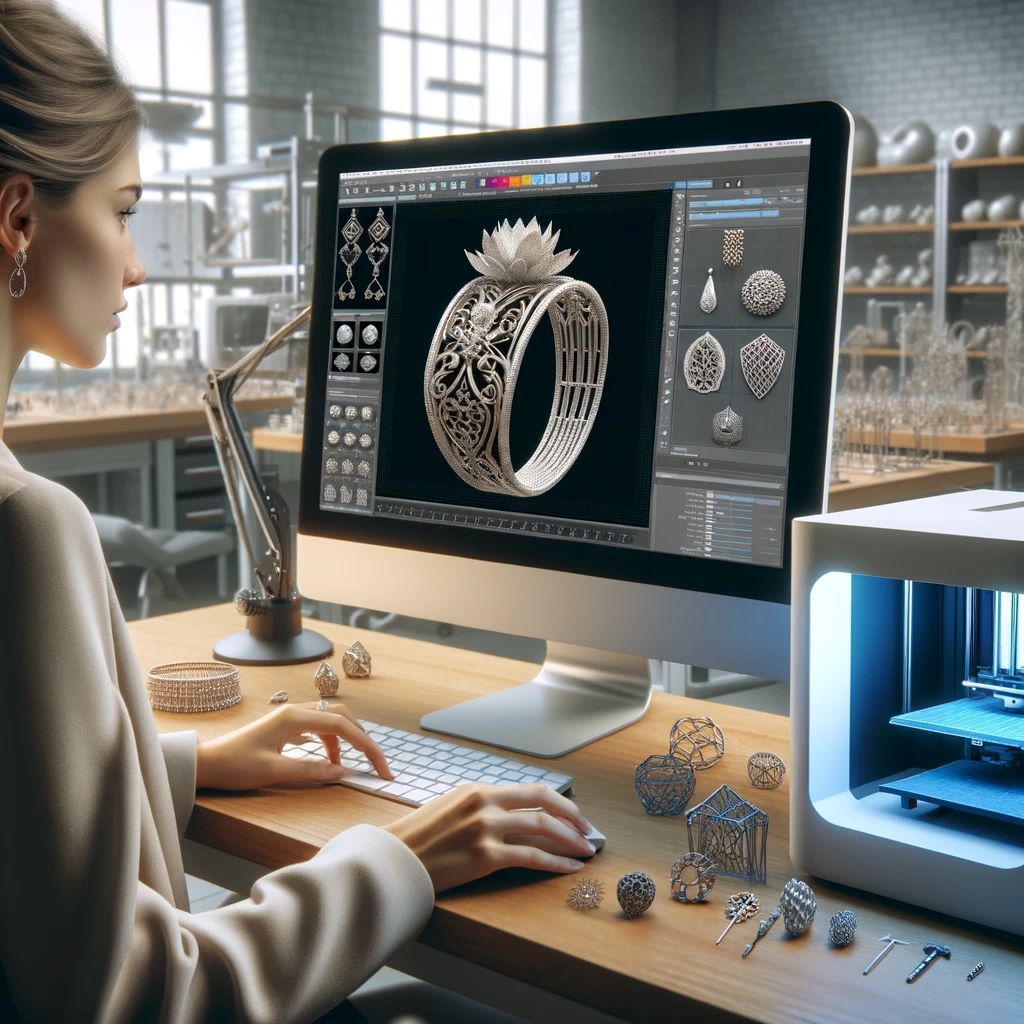
The work of the jewelry designer begins with conceiving the idea and creating the sketch, for which they must have drawing skills. This can be done by hand or through computer programs.
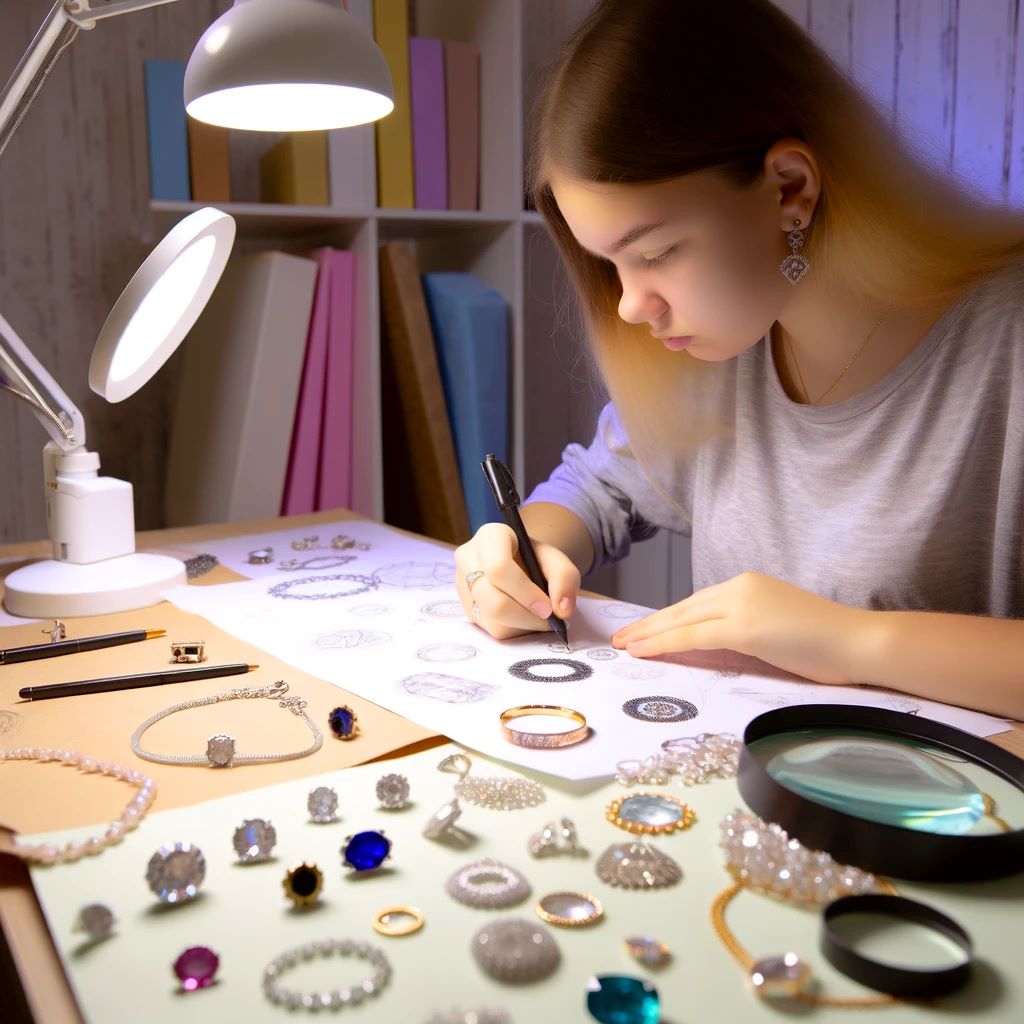
The jewelry designer must incorporate into their planning not only the artistic design of the product, but also carry out a detailed evaluation of the required materials, select the appropriate production techniques and consider other relevant practical aspects. Next, it is necessary to prepare a budget covering all costs associated with production. The next step involves creating a model or mock-up of the jewelry design. Once the prototype is completed and approved, manufacturing proceeds, which can be manual or through mechanized processes.
The jewelry design professional has the flexibility to handle the entire creation and production process, or to specialize in specific areas within it.
What is studied in Jewelry Design?
The Jewelry Design degree offers a wide range of subjects that prepare students to tackle all aspects of the jewelry design and production process. These subjects are designed to provide comprehensive training, covering everything from artistic foundations to the technical and commercial knowledge needed to succeed in the field.
Some of these subjects:
Drawing: This subject focuses on developing manual drawing skills, essential for accurately representing design ideas before production.
Production Workshop: A practical space where students apply manufacturing techniques, from manual work to the use of specific tools and machinery.
Jewelry Design: Focused on creativity and innovation in jewelry design, combining aesthetic and functional aspects.
Materials: Study of the different materials used in jewelry, including precious metals, gems, and other alternative supplies, as well as their properties and handling.
Author Jewelry: Explores the creation of unique pieces with a strong personal stamp, emphasizing artistic expression and the designer's identity.
Commercialization: Provides knowledge of marketing strategies, sales channels, and personal or business brand management in the field of jewelry.
Manufacturing Techniques: Covers traditional and modern methods of jewelry production, from casting to more advanced techniques such as 3D printing.
History of Jewelry: Offers a cultural and historical perspective on the development of jewelry throughout history, highlighting styles, artistic movements, and its social significance.
Technical Drawing: Teaches students to make precise and detailed drawings of their designs, essential for the manufacturing and documentation of the pieces.
Geometry: Application of geometric principles in jewelry design, crucial for creating complex shapes and structures.
Gemology: Specialized study of gems, including their classification, valuation, and setting techniques.
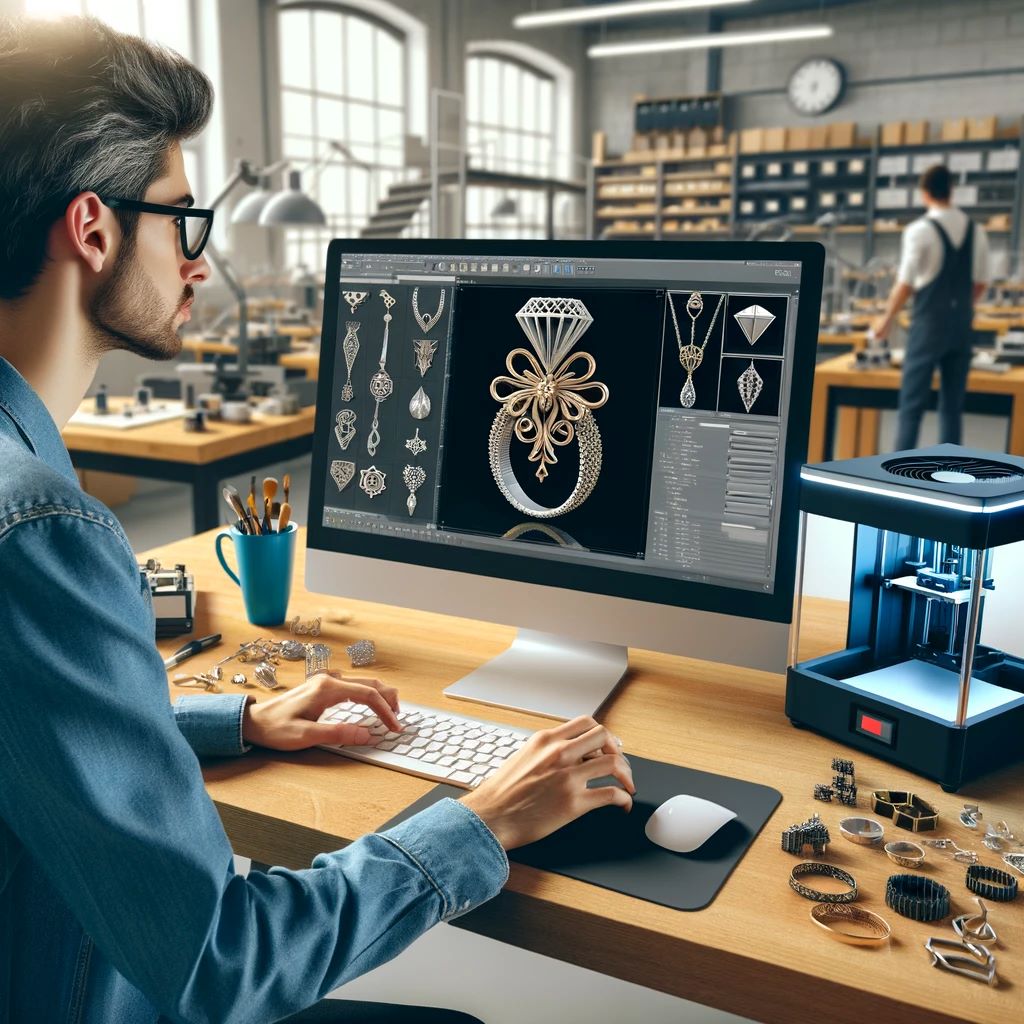
3D Modeling: Use of specialized software for three-dimensional jewelry design and visualization, allowing exploration of complex designs and facilitating their production.
Catalog Creation: Development of skills in photography, graphic design, and writing, for producing catalogs and marketing material that effectively present jewelry collections.

Each institute can adapt its curriculum and offer specific guidance according to market trends and technological advances, thus ensuring that students receive an up-to-date education relevant to their professional future in jewelry design.
What is the job outlook for the Jewelry Designer?
In this case the job outlook is quite direct, since the knowledge acquired is difficult to direct toward other occupations.
The Jewelry Designer usually works in the independent design and production of jewelry, with a view to creating “Author Jewelry” or also in artisanal production; they can also work within companies dedicated to the design and/or production and manufacture of jewelry; they can work in goldsmithing; be an operator in a jewelry workshop; and they can also direct their professional work toward the conservation and restoration of jewelry.
The Jewelry Designer degree opens up a wide range of job opportunities, both in the creative field and in the commercial and technical field. Professionals in this field can develop their careers in various directions, according to their interests and skills.
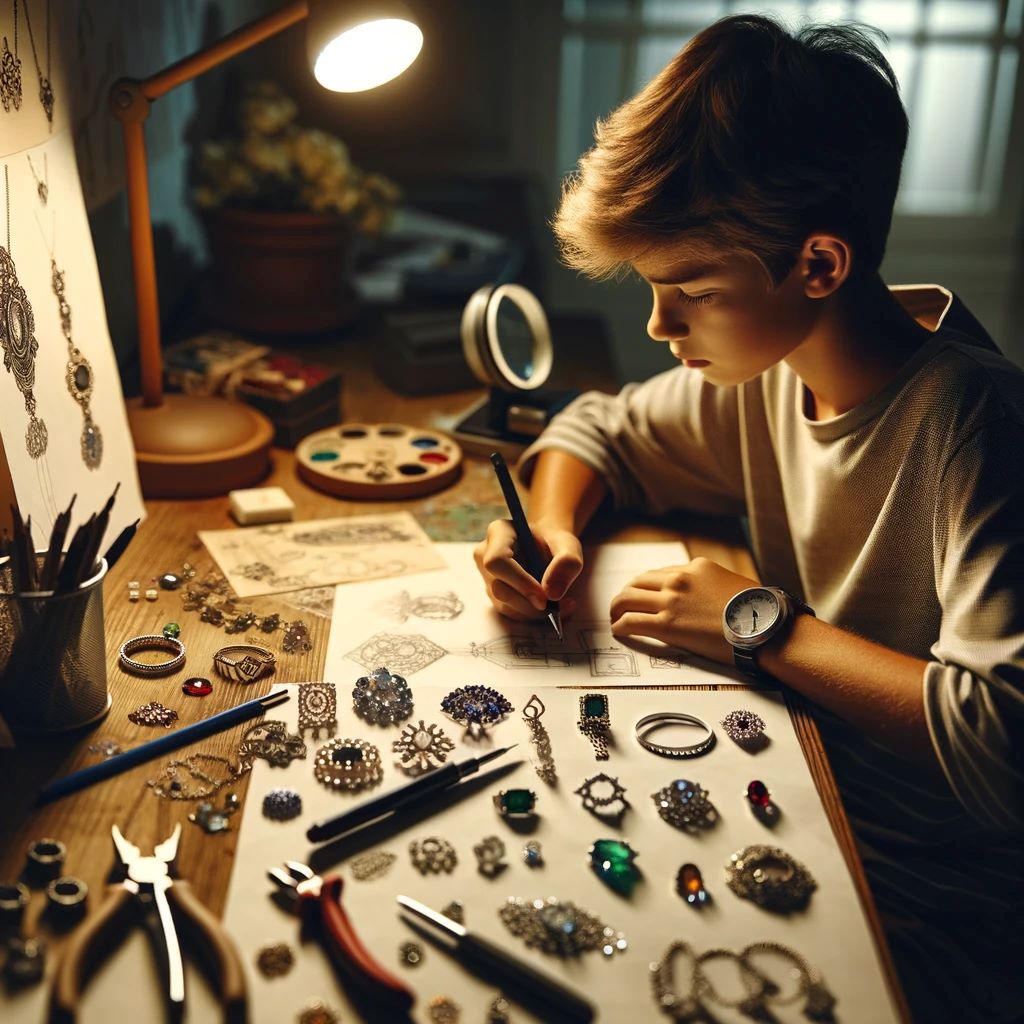
Some of the main employment opportunities include:
Independent Design: Create your own jewelry brand, designing and producing unique collections to sell in stores, design fairs, or online.
Work in Jewelry Workshops: Collaborate in jewelry workshops, participating in the production of pieces, from design to manufacturing.
High-End Jewelry Companies: Hold positions in renowned jewelry houses, contributing to the design of new collections and exclusive pieces.
Design for Fashion Brands: Work in the accessories sector of fashion brands, where jewelry design complements clothing collections.
Consulting and Advisory: Offer advisory services in jewelry design and production to other designers or brands.
Education and Training: Teach drawing, jewelry design, and manufacturing techniques in educational institutions or private workshops.
Jewelry Restoration and Repair: Specialize in the restoration of antique or damaged pieces, a niche that requires advanced knowledge of materials and historical techniques.
Gemology: Work in the identification, classification and certification of gems, both for jewelry stores and specialized laboratories.
Curation and Exhibition Management: Organize jewelry exhibitions, both historical and contemporary, in galleries or museums.
3D Modeling and Rendering: Offer 3D modeling services for jewelry visualization and production, a skill in growing demand due to 3D printing technology.
Jewelry Marketing and Sales: Work in the marketing and sales area, focusing on strategies to promote and sell jewelry.
Jewelry designers can find opportunities in the development of related products, such as fashion accessories, decorative objects and artistic pieces.
The versatility of the training allows professionals to adapt to market trends, explore new techniques and materials, and start businesses in innovative niches within the vast world of jewelry.
What qualities should a Jewelry Design student have?
Anyone who wants to pursue this career must have creativity, since in a thousand-year-old career like this one that works on such a small field it is difficult to come up with something new; patience, since it is an incredibly meticulous job that can take a long time until you have the final product; manual skill, since you will have to handle small materials with no room for error; and have a passion for jewelry, in order to keep up to date with changes in the field.
Advantages of studying Jewelry Design
- If you are good enough you will have plenty of work and be recognized for it.
- It is a good career if what you are looking for is working independently.
- Jewelry is not an industry at risk of going out of style.
- Limitless creativity: Jewelry design allows for unlimited creative expression. Designers have the freedom to experiment with materials, shapes, colors and concepts, creating unique pieces that reflect their artistic vision and personality.
- High income potential: As jewelry designers establish their reputation and perfect their craft, they have the potential to reach significantly high income levels, especially if they design exclusive pieces or work with high-profile clients.
- International opportunities: The world of jewelry is global. Designers may have the opportunity to showcase their work at international fairs, collaborate with brands from around the world or even establish their own presence in foreign markets.
- Skill diversification: In addition to design, students learn about gemology, manufacturing techniques, marketing and business. This diversity of skills opens doors to multiple roles within the industry, from managing a brand to specialized consulting.
- Cultural and emotional impact: Jewelry often has a deep emotional or cultural meaning. As a designer, you have the opportunity to create pieces that become part of people's most meaningful life moments or that express cultural identities.
- Sustainability and ethics: With a growing focus on sustainable practices, jewelry designers have the opportunity to lead the shift toward ethical and environmentally responsible production methods, using recycled or sustainable materials and promoting transparency in the industry.
- Technology and innovation: The adoption of technologies such as 3D printing, computer modeling and advanced manufacturing techniques opens up new possibilities for design innovation, allowing designers to explore shapes and concepts that were previously impossible to create.
- Customization and exclusivity: The trend toward customization in the luxury market benefits jewelry designers, as clients seek unique and customized pieces that stand out from the crowd.
- Connection with history and tradition: Studying jewelry design often includes learning about its rich history and artisanal traditions, which can be a source of deep inspiration and a point of connection with generations of artisans.
- Professional network: When studying jewelry design, you have the opportunity to build a professional network, including peers, instructors and industry professionals, which is invaluable for professional growth and collaboration.
Disadvantages of studying Jewelry Design
Studying Jewelry Design, like any degree, comes with its own challenges and limitations. Besides the importance of selecting a recognized institute and the relatively limited applicability of the knowledge to other professional fields, there are other disadvantages to consider:
- Since it is not studied in traditional settings, you must be careful when choosing your institute and make sure you make a good choice in terms of quality and official recognition.
- Job opportunities are relatively limited. Unlike other degrees in this one it is difficult to use your knowledge in other professional fields.
- High competition in market niches: Although general competition in the field of jewelry design may not be that high, specific market niches, especially in the high-end segment or in unique design styles, can be extremely competitive.
- High initial investment: Jewelry design may require a significant investment in materials, tools and specialized software, especially for those who wish to set up their own workshop or brand from the start.
- Need for constant updating: Fashion and design are rapidly evolving fields, which forces designers to stay constantly up to date with the latest trends, techniques and technologies to remain relevant in the market.
- Economic risks: As in many creative careers, income flow can be irregular, especially at the beginning of your career or when launching a new collection. This can represent a financial challenge for those who do not have another type of income or financial support.
- Marketing and sales challenges: The ability to design beautiful jewelry does not automatically guarantee success in marketing and selling it. Designers often need additional skills in marketing, public relations and sales, or must partner with professionals in these areas to effectively promote their work.
- Dependence on the economy and the luxury market: The demand for jewelry can be particularly sensitive to economic fluctuations, since it is considered luxury goods. During difficult economic times, the industry may experience a decrease in sales.
- Intellectual property and plagiarism: Protecting original design can be a challenge in the digital age, where copies can be reproduced and distributed quickly. Designers must be aware of copyright and intellectual property laws to protect their work.
- Pressure to maintain originality: There is a constant pressure to innovate and create designs that are not only aesthetically attractive but also unique, which can be stressful for some designers.
- Challenges in balancing art and business: Finding a balance between personal artistic expression and market demands can be difficult. Designers must navigate between their creative vision and what is commercially viable.
- Environmental and ethical impact: With growing concern about sustainability and ethics in jewelry production, designers face the challenge of ensuring that their materials and processes are responsible, which can sometimes increase costs or limit design options.
Where to study to become a Jewelry Designer?
For those interested in becoming jewelry designers, the available training spans a global range, with outstanding options in both Latin America, as well as Asia, Europe, and other continents.
- Brazil: The Instituto Brasileiro de Gemas e Metais Preciosos (IBGM) offers specialized training in the gems and jewelry sector.
- Chile: La Es cuela de Joyería offers an intensive program that combines technique, art and design in jewelry.
- Colombia: Escuela Colombiana de Diseño y Artesanías (Esditec) in Bogotá, offers specialized programs in jewelry design and manufacturing, focusing on artisanal techniques combined with modern design concepts.
- Argentina: The Universidad de Palermo presents a program dedicated to jewelry design, available online.
- Peru: The Instituto peruano de Joyería y Arte offers courses at all levels, from beginners to professionals.
- USA: Rhode Island School of Design (RISD), known for its art and design programs, including jewelry design. The Savannah College of Art and Design (SCAD), offers programs in design, with a focus on jewelry.
- United Kingdom: Central Saint Martins, part of the University of the Arts London, is famous for its art and design programs. The Birmingham City University, with its School of Jewellery, offers specialized programs in jewelry design.
- Italy: The Scuola Orafa Ambrosiana in Milán offers intensive programs in jewelry design and manufacturing, highlighting the rich Italian goldsmith tradition.
- India: The Instituto Nacional de Diseño offers programs in jewelry and accessories design, reflecting the rich tradition of Indian jewelry.
- Hong Kong: The Hong Kong Design Institute offers design programs that include specializations in jewelry, combining traditional techniques and modern technology.
- Australia: RMIT University in Melbourne, known for its art and design programs, including jewelry design.
- Japan: The Hiko Mizuno College of Jewelry in Tokio, offers specialized programs in jewelry, watchmaking and accessories design, focusing on both artisanal technique and design innovation.
- France: L'École de Joaillerie in Paris offers training in traditional French jewelry techniques, combined with modern design.
- Germany: The Hochschule Pforzheim, known for its design programs, includes specializations in jewelry and watchmaking design, reflecting German precision and quality in goldsmithing.
- Uruguay: Escuela Universitaria Centro de Diseño (EUCD) de la Universidad Tecnológica (UTEC), based in Montevideo, this institution offers training in design that may include specific modules or courses in jewelry design. Although its focus is broad, covering various design disciplines, its practical methodology and focus on innovation benefit those interested in specializing in jewelry.
The study of jewelry design stands not only as a gateway to mastery in an ancient art, but also as a vehicle for personal expression and a solid professional career.
By immersing themselves in this field, students not only acquire technical skills and a deep knowledge of materials, but also develop a unique artistic sensitivity that allows them to transform metals and gems into pieces that tell stories, evoke emotions and celebrate moments.
Beyond the creation of tangible beauty, jewelry design offers the opportunity to innovate, start businesses and connect with cultures and traditions from around the world, thus opening up a range of possibilities for those seeking to leave their mark on the universe of art and fashion. Studying jewelry design is not just learning to create adornments, but forging dreams and materializing the vision of what is, or could be, considered beautiful.
This path is not only promising for the economic opportunities it offers, but also enriching for the personal and cultural growth it promotes, making jewelry design an exceptionally valuable study and career choice.