
Jewelry Designer
Introduction to Jewelry Design
Jewelry design jewelry design combines art and technique to create unique pieces that reflect style and personality. The jewelry designer is the artist behind these exquisite objects, bringing creativity and manual skill to materialize jewels that dazzle and endure over time.
What is a Jewelry Designer? The Role of a Jewelry Designer
A jewelry designer is responsible for conceiving and creating pieces that are both aesthetic and functional. Under their artistic vision, they transform metals and gems into portable works of art. In addition, they consider fashion trends, usability and market preferences for their creations.
Creativity in Jewelry Design
Creativity is essential in the jewelry design degree. A designer constantly innovates, combining traditional techniques and contemporary trends. It is vital to understand the relationship between materials and design to create unique pieces that captivate. Jewelry courses usually focus on developing this creative ingenuity, crucial to stand out in the sector.

What is jewelry design like as a career?
Jewelry design is a career that is fascinating and multifaceted and sits at the intersection of art, craftsmanship and the fashion industry, allowing professionals to express their creativity while working with a variety of precious materials and techniques.
As a jewelry designer, one has the opportunity to transform artistic ideas and concepts into tangible and wearable pieces, such as rings, necklaces, earrings and bracelets, that can dazzle and capture the essence of personal style or fashion trends.
This career not only demands a high degree of creativity and innovation for designing unique pieces, but also requires technical knowledge in depth about manufacturing processes, from traditional goldsmithing techniques to the use of advanced technologies such as design and 3D printing.
The role of a jewelry designer involves constant research and adaptation to market trends, as well as an understanding of consumer preferences to create jewelry that is not only aesthetically appealing but also commercially viable. Education and training in this field can vary, ranging from technical courses and diplomas to specialized degrees in jewelry design, and continuous learning is key due to the ever-evolving nature of fashion and technology.
Jewelry design offers diverse job opportunities, from working independently and establishing your own brand, to collaborating with renowned jewelry houses. Despite being a highly competitive field, it also offers the possibility of reaching a global audience, thanks to digitalization and online commerce. However, jewelry designers face the challenge of staying relevant in a saturated market and adopting sustainable and ethical practices in jewelry production, reflecting a commitment to social and environmental responsibility.
Jewelry design as a career is both demanding and rewarding, ideal for those looking to combine their passion for art and design with practical and commercial applicability, offering a path full of creative and professional possibilities.
The Most Commonly Used Materials in Jewelry Making
Jewelry designers select precious metals such as gold, silver and platinum, as well as gems such as diamonds, rubies and emeralds. In contemporary jewelry, alternative materials such as stainless steel, titanium, leather and glass, are also used, reflecting the diversity and adaptability of the degree in jewelry design.
Creative Process of a Jewelry Designer
The jewelry designer starts with brainstorming and sketching, exploring shapes and patterns. They refine the concept considering functionality and aesthetics, and then bring the design to life through manufacturing techniques, either handcrafted or with advanced technology, thus achieving the alchemy of translating visions into tangible adornments.
Development of Initial Concepts and Designs
A jewelry designer begins by immersing themselves in a sea of creativity to explore innovative ideas. They transform abstract inspirations into concrete designs through detailed sketches. This initial process is crucial for defining the stylistic and conceptual direction of the future creations that will characterize their work in jewelry design.
From Sketch to Physical Piece
The transition from the initial drawing to the finished jewel is a meticulous process. The jewelry designer transfers each stroke of the sketch to real materials, using specialized techniques to sculpt, mold and assemble. Through this procedure, the artistic vision becomes tangible, turning the designs into exquisite pieces of jewelry.
A jewelry designer collaborates with various professionals throughout his creative and production process, including:
- Artisans and goldsmiths: For the manual manufacturing of the designed pieces, applying metalworking and stone-setting techniques.
- Gemologists: Experts in identifying and classifying gems, essential for selecting quality materials.
- Salespeople: Professionals who help promote and sell jewelry, identifying market trends and business opportunities.
- Photographers: To capture the beauty and details of jewelry, crucial for the catalog, advertising and online sales.
- Material suppliers: To ensure the acquisition of precious metals, gems and other materials needed for jewelry creation.
- Style consultants: To customize designs and adapt them to clients' specific needs or desires.
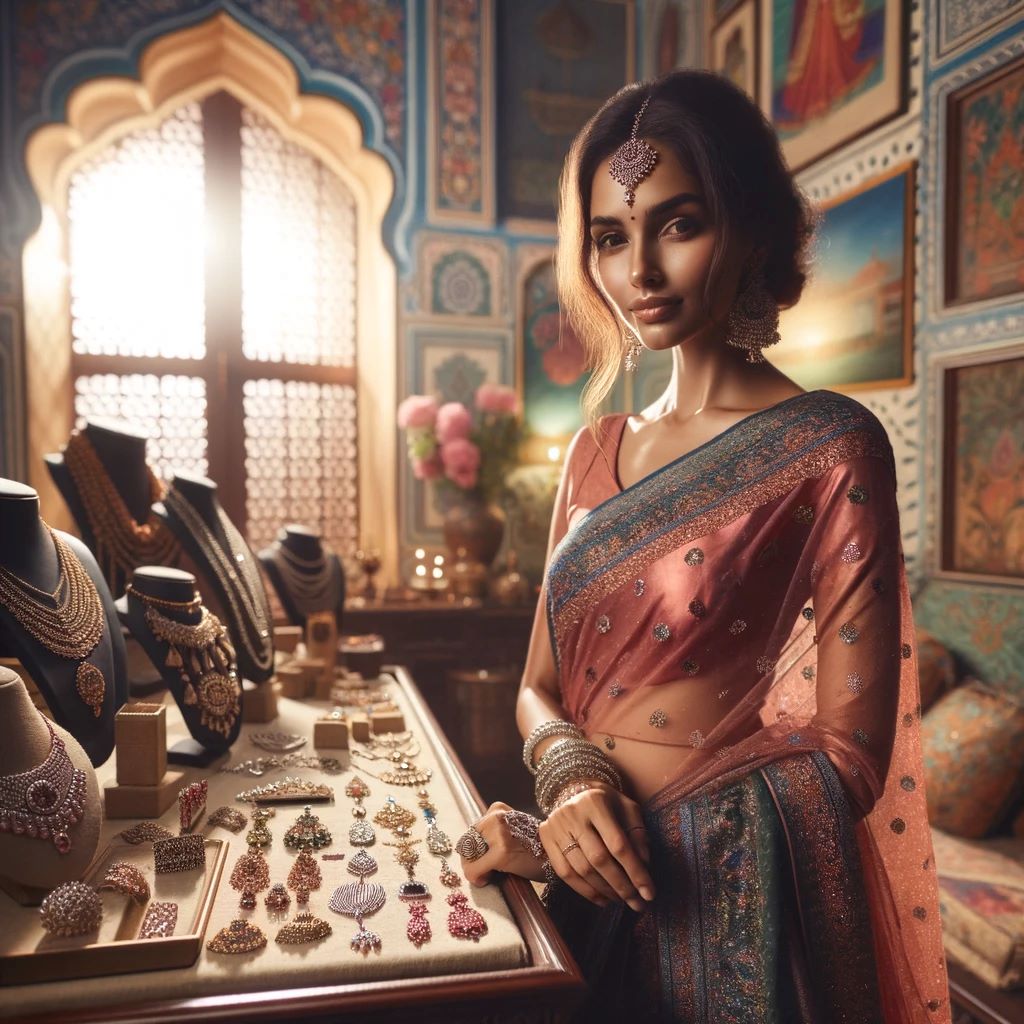
This interdisciplinary collaboration is key to success in jewelry design and marketing.
Training and Skills Needed
Preparation for a career in jewelry design combines formal degree education or a jewelry course, with self-taught learning. A jewelry designer must possess technical skills to handle materials and artistic skills for conceiving innovative aesthetic proposals that stand out in the competitive jewelry market.
Formal Education vs. Self-Taught Learning
The decision between formal education in a jewelry course and self-taught learning is crucial. While academic programs provide a structured foundation in jewelry design, self-directed learning allows flexible, personalized exploration of the craft, adapting to the specific needs of the jewelry designer in training.
The best places to Study jewelry design
In Brazil: Instituto Brasileiro de Gemas e Metais Preciosos (IBGM), It focuses on training in the gems and jewelry sector, offering courses covering everything from design to the commercial side of the jewelry business.
In Chile: The escuela de Joyería offers the Jewelry Degree: Technique, Art and Design (Daytime and Evening).
The program lasts 2 years, spread over 6 trimesters, culminating in a final project accompanied by an exam and professional practice. Classes are held Monday through Friday during daytime hours, in person. Enrollment costs $300,000 Chilean pesos, which is non-refundable. The total cost of the program for the two years is $4,800,000.
Escuela de Joyería Plat-Art , is the most long-standing jewelry and goldsmithing school in Chile, located in Santiago, and has trained generations of Chilean and foreign jewelers since the last century. With a rich heritage of knowledge, its graduates stand out for their quality, creativity and international recognition, working with noble metals and precious gems.
Classes at the Escuela de Joyería are scheduled directly with the teachers, maintaining a ratio of two students per teacher to ensure personalized attention, with the possibility of including a third student only in make-up sessions. Opening hours are Monday to Friday from 10:00 to 14:00 and from 16:00 to 20:00, with an evening session on Wednesdays from 19:00 to 22:00, and on Saturdays from 10:00 to 14:00 and from 15:30 to 19:30.
In Canada: The Bachelor of Fine Arts at NSCAD University , specializing in Jewelry Design and Silversmithing, provides an in-depth education in metals, covering artistic jewelry, silversmithing, product design and business practices. The program emphasizes the development of technical skills and defining an individual artistic practice. It offers access to advanced facilities and a faculty of leading artists and academics. Students will experiment with traditional methods and new technologies, and take subjects such as Introduction to Jewelry, Digital Object Creation, Entrepreneurship for Visual Arts and Gemology, preparing them for an innovative career in jewelry design and silversmithing.
In United States, leading institutions such as Rhode Island School of Design (RISD) stand out for their exceptional programs in art and design, covering specialties in jewelry design and silversmithing. Savannah College of Art and Design (SCAD) offers a wide range of programs in design, with options focused on jewelry. In addition, Pratt Institute is renowned for its programs in fashion and jewelry design.
In the United Kingdom, Central Saint Martins, part of the University of the Arts London, is world-renowned for its innovative programs in art and design. Sheffield Hallam University and Birmingham City University, with its prestigious School of Jewellery, offer specialized programs and courses related to jewelry design.
Australia also has prominent institutions such as Melbourne Polytechnic, which offers vocational and higher education programs in jewelry design. RMIT University en Melbourne is renowned for its programs in art and design, including jewelry design, standing out for its innovative and creative approach.
Technical and Artistic Skills in Jewelry
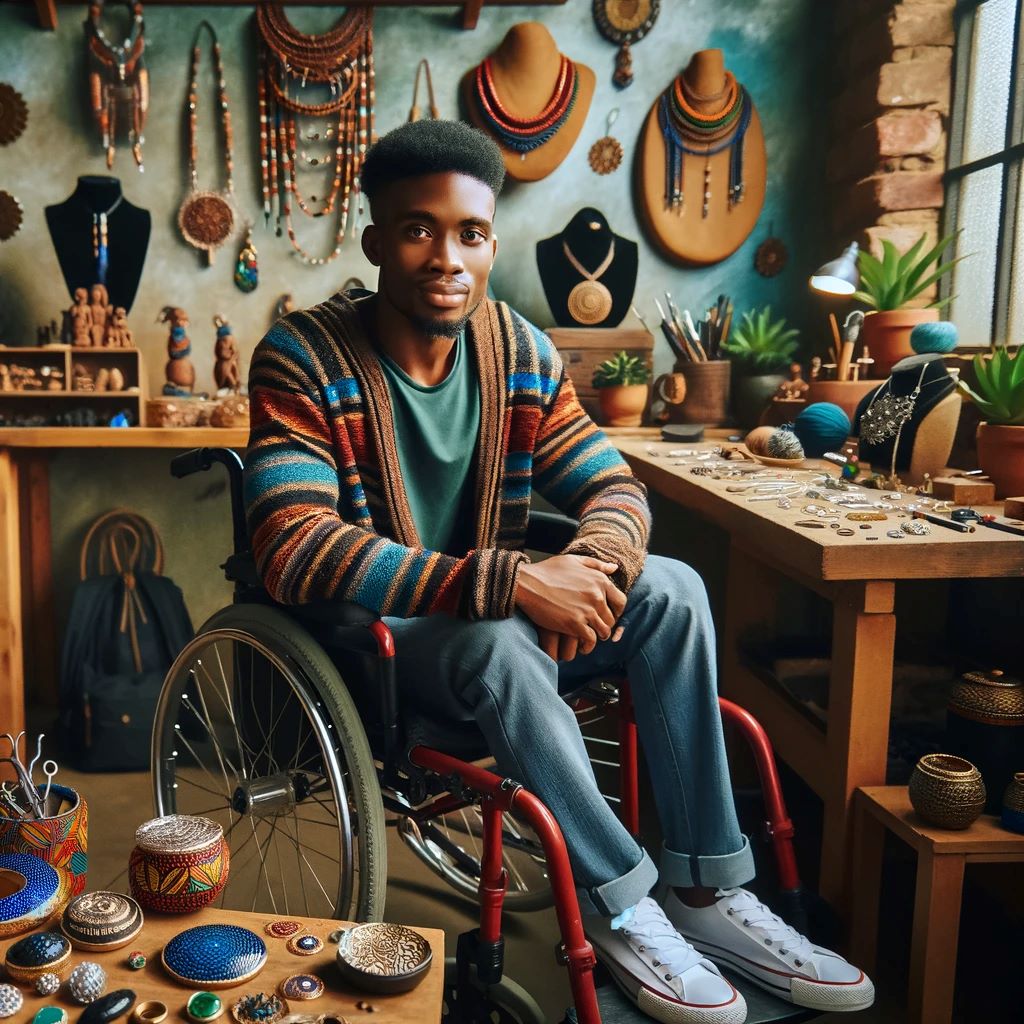
Success as a jewelry designer, whether male or female, depends on a combination of meticulous technical skills and a distinctive artistic vision. Mastering specific tools and techniques is essential to transform sketches into exquisite wearable works of art. In addition, creativity and originality are crucial to stand out in the career in jewelry design and create pieces that capture emotions and tell stories.
The Professional World of the Jewelry Designer
In the workplace, a jewelry designer can choose to forge their path independently, creating their own brand and unique collections. Alternatively, there are opportunities in established brands where designers can contribute to the legacy and design of new pieces, always seeking to balance personal vision with the firm's identity.
Working as an Independent Jewelry Designer
An independent jewelry designer has the freedom to express their artistic vision without restrictions. These professionals create their own collections and usually market them under their brand. It is important that they develop marketing and business management skills to stand out in a competitive market and grow their career in jewelry design.
Career Opportunities in Established Jewelry Brands
As a jewelry designer in an established brand, the possibilities are extensive. Designers can rise to creative direction positions, manage teams, or specialize in areas such as high jewelry design. This path provides access to advanced resources and the possibility of collaborating on internationally prestigious collections.
Trends and Sustainability in Jewelry
The contemporary jewelry designer must align creativity with sustainability and environmental ethics. The current trend drives the use of recycled materials and respect for a fair supply chain. In addition, jewelry courses increasingly emphasize eco-friendly practices, preparing designers for a conscious and responsible market.
Innovation and Current Trends in Jewelry Design
Today's jewelry designers integrate technologies such as 3D printing and design to create unique pieces. There is a strong inclination toward personalized and sustainable design, where recycled materials and ethical gems take center stage. This reflects a commitment to conscious fashion within the degree in jewelry design.
Sustainability and Ethics in Jewelry Production
The jewelry industry faces the challenge of adopting sustainable and ethical practices. Designers and brands favor recycled and traceable materials, fostering a conscious and responsible degree in jewelry design. Modern jewelry courses emphasize the importance of the ethical sourcing of gems and metals, minimizing environmental impact.