
Study Jewelry Design
What Skills Are Required to Study Jewelry Design?
Jewelry design is a unique combination of creativity, technical skills and precision. Those who wish to break into this exciting industry must possess a series of specific skills that will allow them to stand out in the field of jewelry design.
Some of the most important skills include:
Creativity and originality in design: The ability to generate innovative ideas and translate them into unique designs is essential to stand out in the world of jewelry design. Originality is highly valued in this industry, as designers seek to create pieces that are distinctive and memorable.
Technical knowledge in handling metals and precious stones: Understanding the different types of metals, precious stones and handling techniques is essential for the design and manufacture of high-quality jewelry. Designers must be familiar with the properties of the materials they work with and know how to make the most of them in their creations.
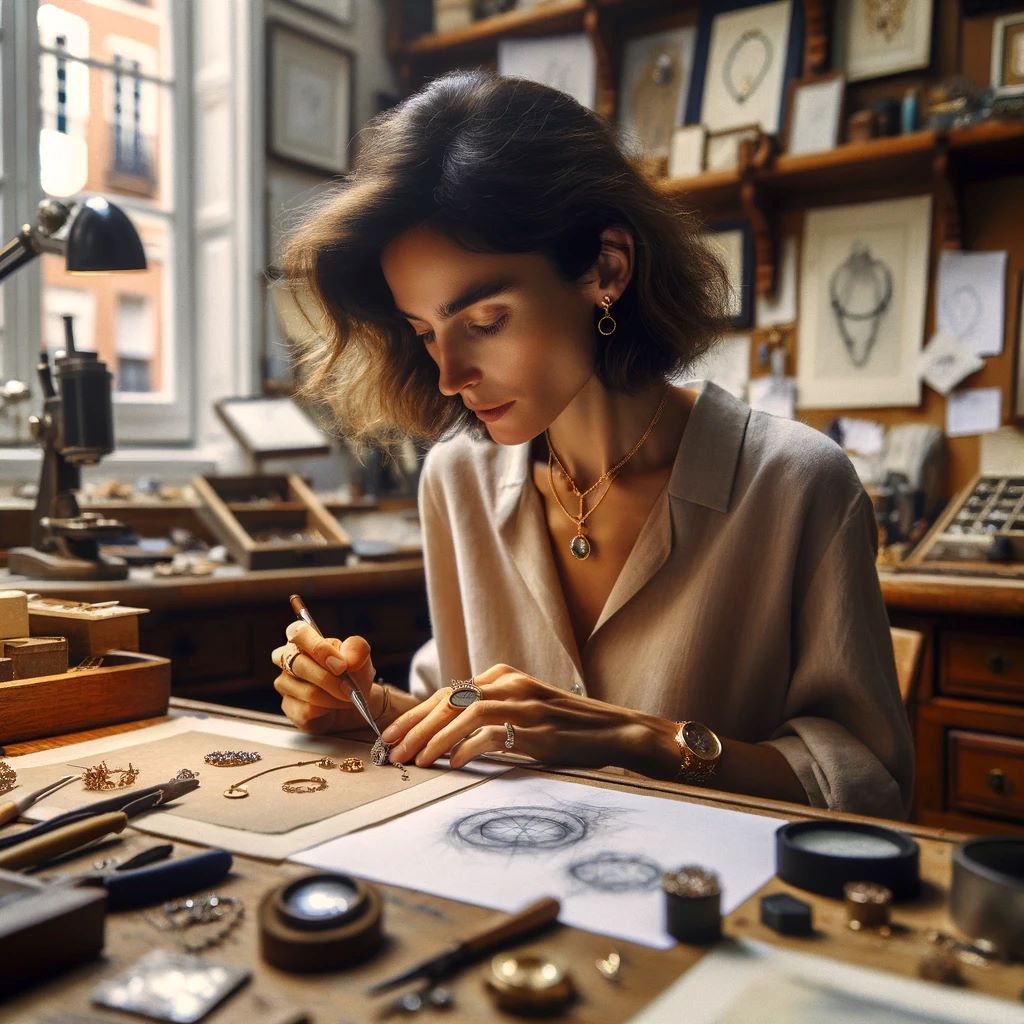
Drawing and 3D design skills: Having the ability to put ideas on paper through drawing is crucial in the jewelry design process. In addition, mastery of 3D design programs allows designers to create accurate digital representations of their designs, which facilitates their communication with manufacturers and clients.
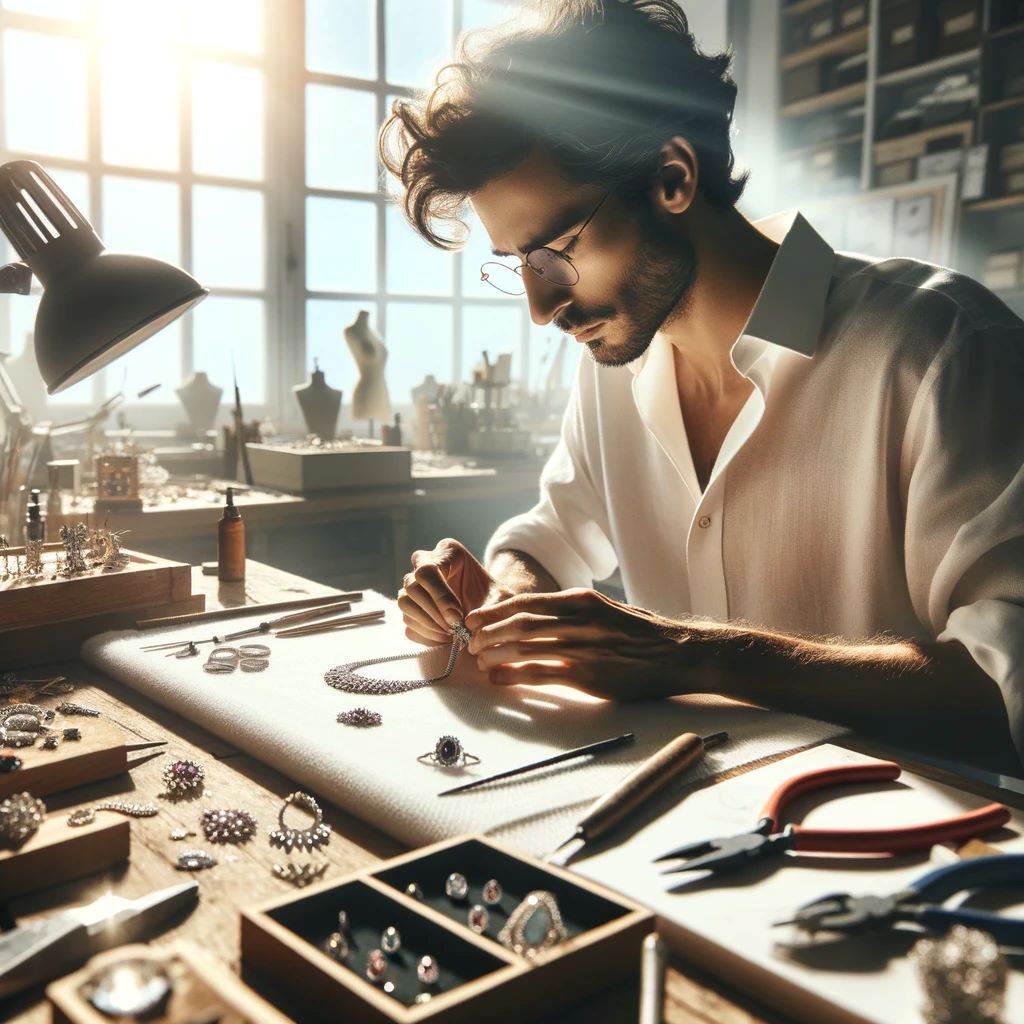
Attention to detail and precision skills in jewelry making: Jewelry making requires a high degree of precision and attention to detail. Designers must be thorough at each stage of the process, from material selection to final assembly of the piece.
Educational Programs to Study Jewelry Design
For those who wish to study jewelry design, there are various educational options that will allow them to acquire the skills and knowledge necessary to succeed in this industry. Some of the options include:
University degrees in jewelry design: Many universities offer jewelry design programs that cover both the theory and practice of jewelry design, manufacturing, and marketing. These programs usually provide comprehensive training that includes technical, creative, and business aspects of jewelry design. For example: The Escuela de Arte, Artesanía y Oficios which is part of the institutions of Grupo Tarraco Formación, in Terragona, offers a Master in Jewelry Manufacturing and Design with a workload of 600 hours and the possibility of taking it online. The program covers everything from jewelry design to manufacturing, with individual tutoring and evaluation through a final exam. Another example is the Universidad de Palermo in Argentina, this university has a curriculum dedicated to jewelry design that can also be taken online. The program includes subjects such as jewelry design, representation, production workshops, and professional development.
Specialized courses at art and design institutes: Art and design institutes such as PuntoFusión offer specialized programs in jewelry design that allow students to immerse themselves in the world of design and the jewelry manufacturing from a perspective more focused on creativity and artistic expression.
Online training programs for jewelry designers: With advances in technology, more and more online platforms offer specialized courses in jewelry design. These programs are usually flexible and allow students to learn at their own pace from anywhere in the world. For example: STUDIO SQUINA in Madrid: This studio offers continuing education courses in jewelry, from beginner to advanced levels. The courses cover various jewelry techniques and design in a practical and personalized way, suitable for different levels, availability, and goals. Another example offering online courses is the Instituto peruano de Joyería y Arte in Peru, It provides a wide range of courses at all levels for beginners and professionals, courses in Contemporary Jewelry, Fine Jewelry, Jewelry Design, Business Management for Jewelry, Jewelry Appraisals and Expert Assessments, Precision Fine Jewelry, Jewelry Appraisals, Necklace and Bracelet Weaving, Diamond Appraisals, Fine Costume Jewelry, Wax Modeling, Solid and Hollow Bracelets, Gemstone Setting, Enameling and Glass Fusing, Jewelry Design and Drawing, Digital Photography.
Workshops and seminars taught by professional jewelers: Attending workshops and seminars led by renowned jewelers and designers is an excellent way to get hands-on training and see firsthand the real-world work of high-end jewelry.
Tips to Start Your Career in Jewelry Design
Once the necessary skills and knowledge have been acquired, it is important to keep in mind some tips for starting a successful career in jewelry design. Some recommendations include:
Develop your own style and creative approach: Originality is key in the world of jewelry design. Developing a distinctive style and a unique creative vision will help you stand out in a competitive market.
Look for internship or apprenticeship opportunities in jewelry workshops: Getting hands-on experience in jewelry workshops will allow you to learn from established professionals and become familiar with high-quality jewelry manufacturing processes.
Build a strong portfolio of your designs and creations: A well-crafted portfolio is essential to showcase your talent and creativity to potential employers or clients. Make sure to document your designs professionally to present them effectively.
Research the market and current jewelry trends to identify opportunities: Staying up to date with current trends and market demands will allow you to identify opportunities to stand out and differentiate yourself in the industry.
How to Develop Your Artistic Talent in Jewelry Design?
The artistic talent development in jewelry design is an ongoing process that requires dedication and exploration. Some ways to enhance your creativity and artistic skills include:
Experiment with different jewelry-making materials and techniques: Experimentation will allow you to discover new possibilities and expand your creative repertoire. Work with a variety of materials and techniques to expand your skills.
Look for inspiration in nature, architecture and other art forms: Inspiration can come from diverse sources. Observe the world around you and look for inspiration in nature, architecture, fashion and other art forms to enrich your creativity.
Participate in jewelry design contests and exhibitions to showcase your work: Participating in contests and exhibitions gives you the opportunity to exhibit your creations, receive feedback and make contacts in the industry.
Look for established mentors and professionals in the industry to receive guidance and advice: Learning from those who have already traveled the jewelry design path can give you valuable perspective and help you develop your career effectively.
The Educational Path in Jewelry Design
When choosing an educational path in jewelry design, it is important to consider various options that suit your needs and professional goals. Some of the educational paths include:
Universities and art schools recognized for their jewelry design program: Look for institutions with solid programs in jewelry design that offer comprehensive training in technical, creative and business aspects.
Institutes specialized in applied arts and fashion design: Specialized institutes usually offer programs more focused on creativity and artistic expression, which can be ideal for those looking to develop a more artistic approach in their work.
Virtual platforms offering courses and certifications in jewelry design: Online training can be a flexible and accessible option for those looking to learn at their own pace and from any location.
Workshops and training programs taught by renowned jewelers and designers: Hands-on training provided by established professionals in the industry can give you a unique and valuable insight into real-world work in high-end jewelry.
With the development of technical, creative, and business skills, as well as a solid educational background, you will be well on your way to starting a successful career in jewelry design. Remember that perseverance, passion, and commitment to excellence are essential in this exciting manufacturing industry.